Trump Criticizes Cuellar’s Candidacy After Pardon

Trump Criticizes Cuellar’s Democratic Candidacy After Pardon
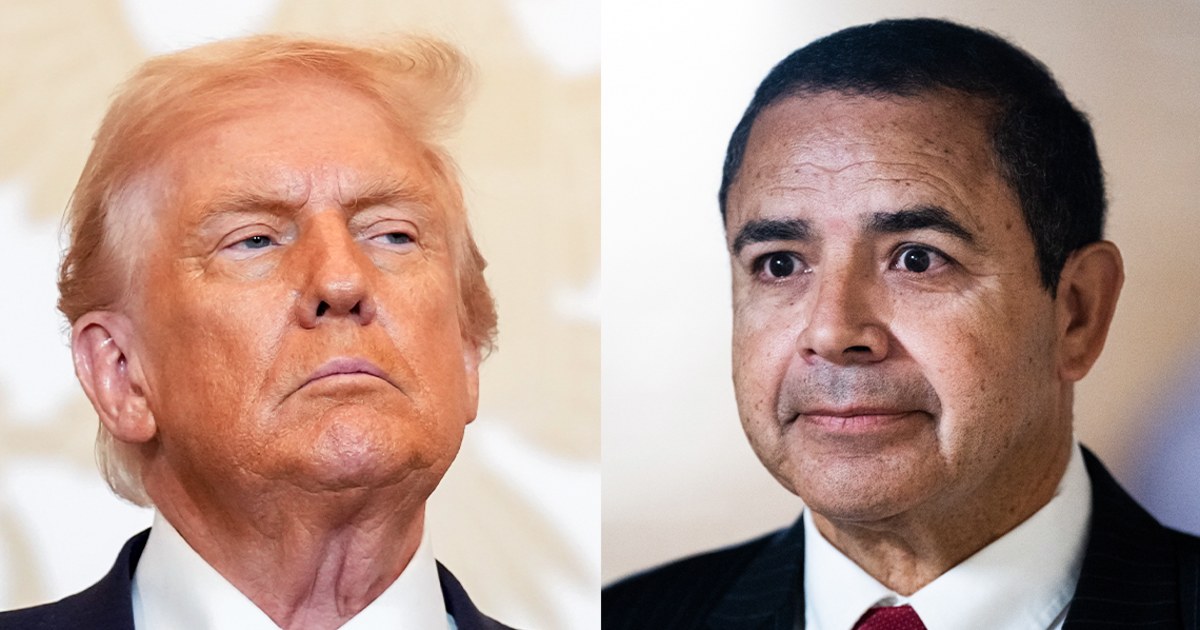
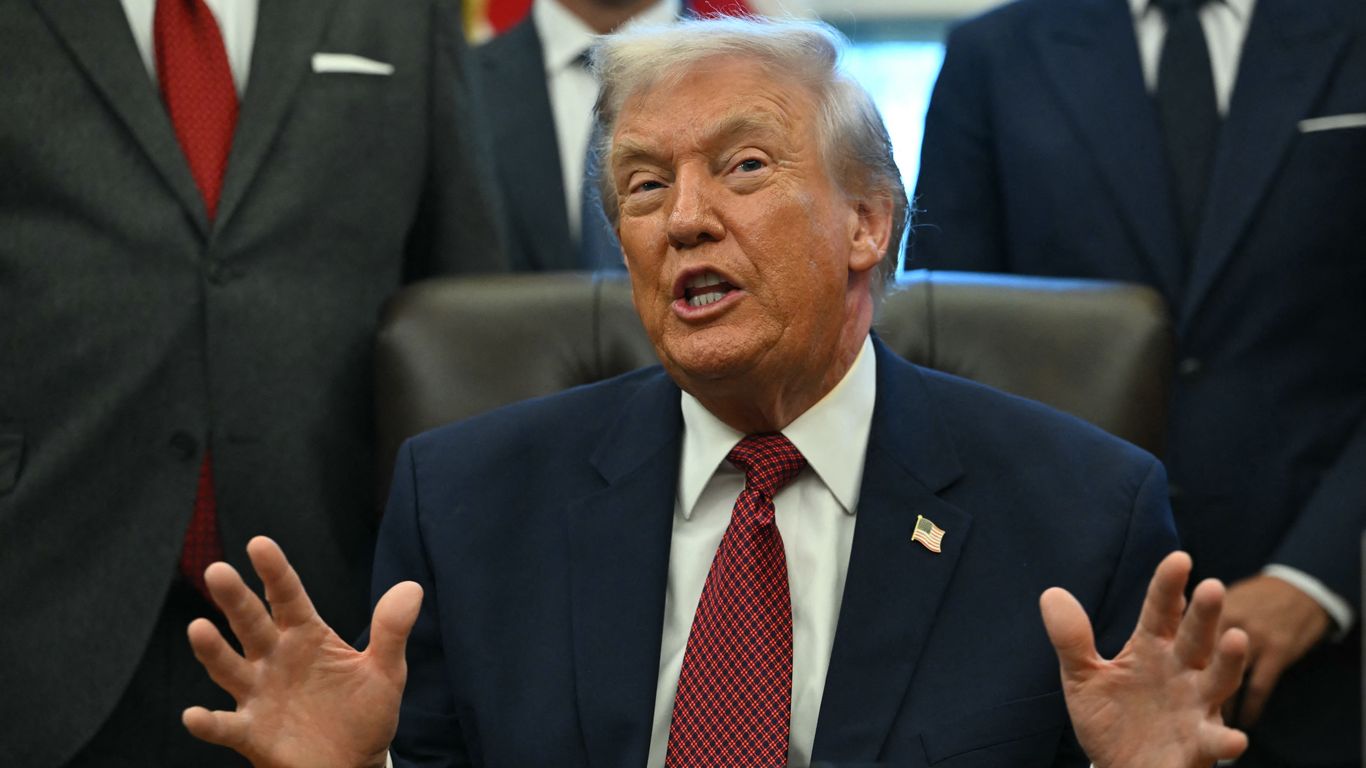
Former President Donald Trump sharply criticized Rep. Henry Cuellar for seeking re-election as a Democrat despite his recent pardon. Cuellar, who faced federal bribery and money laundering charges, was pardoned by Trump in December 2025, just months before his scheduled trial. This pardon came after allegations that Cuellar accepted nearly $600,000 in bribes linked to foreign entities and influenced U.S. policy in their favor.
Cuellar’s Position as a Bipartisan Democrat
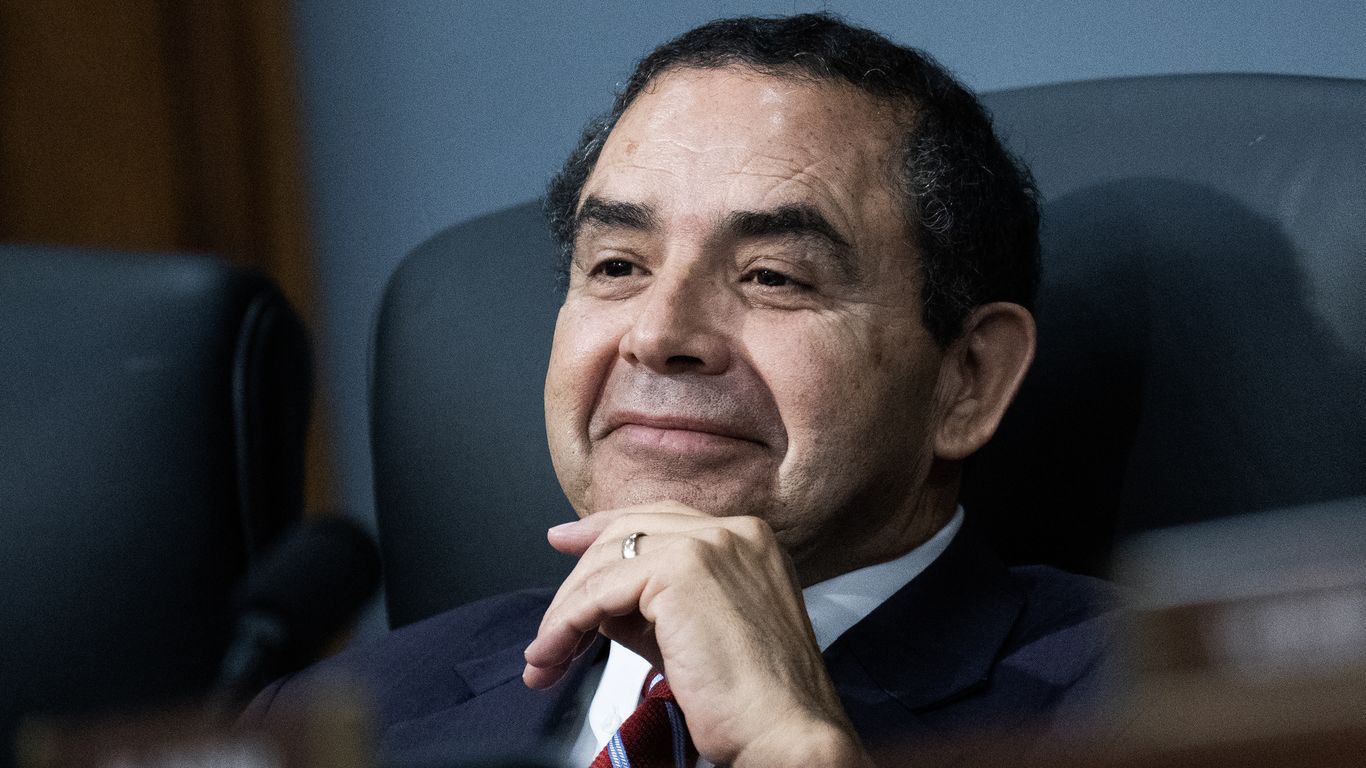
Cuellar maintains he is a committed Democrat but emphasizes his bipartisan approach, claiming he can effectively work with the president to serve his constituents. He denies wrongdoing and insists his actions aligned with common congressional practices. Despite the controversy, he remains unopposed in the Democratic primary, highlighting his firm hold within the party.
Political and Legal Implications
The pardon and Cuellar’s continued political ambitions underscore tensions within the Democratic Party and raise questions about ethics and accountability. The case highlights ongoing debates about the influence of foreign money in U.S. politics and the role of presidential pardons in controversial cases.
About the People Mentioned
Donald Trump
Donald John Trump, born June 14, 1946, in Queens, New York, is an American businessman, media personality, and politician. He graduated from the University of Pennsylvania’s Wharton School in 1968 with a degree in economics. In 1971, he took over his family’s real estate business, renaming it the Trump Organization, through which he expanded into building and managing skyscrapers, hotels, casinos, and golf courses. Trump gained widespread fame as the host of the reality TV show *The Apprentice* from 2004 to 2015, which helped establish his public persona as a successful entrepreneur. Trump entered politics as a Republican and was elected the 45th president of the United States, serving from 2017 to 2021. His presidency was marked by significant policy actions including tax cuts, deregulation, the appointment of three Supreme Court justices, renegotiation of trade agreements (notably replacing NAFTA with the USMCA), and a focus on immigration control including border wall expansion. He withdrew the U.S. from international agreements such as the Paris Climate Accord and the Iran nuclear deal, and engaged in a trade war with China. His administration’s response to the COVID-19 pandemic was criticized for downplaying the virus’s severity. Trump was impeached twice by the House of Representatives—first in 2019 for abuse of power and obstruction, and again in 2021 for incitement of insurrection—but was acquitted by the Senate both times. After losing the 2020 election to Joe Biden, Trump challenged the results, culminating in the January 6, 2021, Capitol riot. He remains a central figure in American politics, having won the 2024 presidential election and returned as the 47th president in 2025, continuing to promote policies aimed at economic growth, border security, and military strength[1][2][3][4].
Henry Cuellar
Henry Cuellar is a Democratic U.S. Representative from Texas’s 28th congressional district, serving in Congress since 2005.[3][4] He previously served in the Texas House of Representatives from 1987 to 2001 and briefly as Texas secretary of state in 2001.[3] Cuellar is a former attorney and holds a Ph.D.; his district covers much of South Texas, including Laredo and parts of San Antonio.[3][5] On Capitol Hill he is a senior member of the House Appropriations Committee and has served on its Homeland Security, Defense, and Military Construction and Veterans Affairs subcommittees.[5][6] He is known as a centrist or conservative Democrat who has at times voted with Republicans on immigration and border-security measures, positioning him as a bipartisan dealmaker on certain national-security and appropriations matters.[3][5] Cuellar’s notable achievements include long tenure on appropriations, influence over homeland-security funding decisions, and roles that direct federal resources to South Texas projects and border security programs.[5][6] He has been repeatedly reelected to his district since first winning his congressional seat in 2004.[3] In 2024 he and his wife were indicted on charges including bribery and money laundering, but before a scheduled trial he received a presidential pardon in 2025; following that pardon, House Democrats voted to restore him as the ranking Democratic member of the Appropriations Subcommittee on Homeland Security in December 2025.[1][2][7] The restoration drew mixed reactions within his party because the subcommittee oversees more than $65 billion in annual homeland-security funding.[1] Cuellar is preparing to defend his seat in a newly redrawn, more Republican-leaning district for upcoming elections, and his political standing remains relevant because of his appropriations role and the attention around his legal case and pardon.[1][2][4]
About the Organizations Mentioned
Democratic Party
## Overview of the Democratic Party The Democratic Party is the oldest continuing political party in the United States, with its roots tracing back to 1792 as the Democratic-Republican Party. Founded by Thomas Jefferson and James Madison, it initially advocated for a decentralized government and states' rights, opposing a strong central authority[1][2]. Over time, the party evolved, becoming more progressive and supportive of federal government intervention in social and economic affairs. ## History The modern Democratic Party was formally established in 1828, with Andrew Jackson's presidential campaign marking a significant turning point. Jackson's successful campaign expanded voting rights to all white men, regardless of land ownership, and further reduced federal power[3][6]. The party became deeply divided during the Civil War era, with Northern Democrats supporting limited slavery expansion and Southern Democrats advocating for its perpetuation[3][5]. Post-Civil War, the party became a stronghold for Southern whites who opposed Reconstruction[3]. ## Key Achievements The Democratic Party has played a pivotal role in shaping U.S. history: - **Civil Rights**: The party supported key civil rights legislation, including the Voting Rights Act and the Civil Rights Act of 1964. - **Social Programs**: Democrats have been instrumental in establishing and expanding social programs like Social Security, Medicare, and Medicaid. - **Economic Policies**: The party has often championed progressive economic policies, including labor rights and environmental protection. ## Current Status Today, the Democratic Party is a major force in U.S. politics, advocating for a strong federal government role in addressing social and economic issues. It emphasizes progressive policies on healthcare, climate change, and economic inequality[6]. ## Notable Aspects - **Symbolism**: The party's symbol, the donkey, originated from Andrew Jackson's opponents calling him a "jackass," which his supporters adopted as a mascot[6]. - **Diversity**: The party has become increasingly diverse, representing a wide range of socio-economic and