Trump's 25% Tariffs Target Iran Partners

Trump's Bold Tariff Move Targets Iran Partners
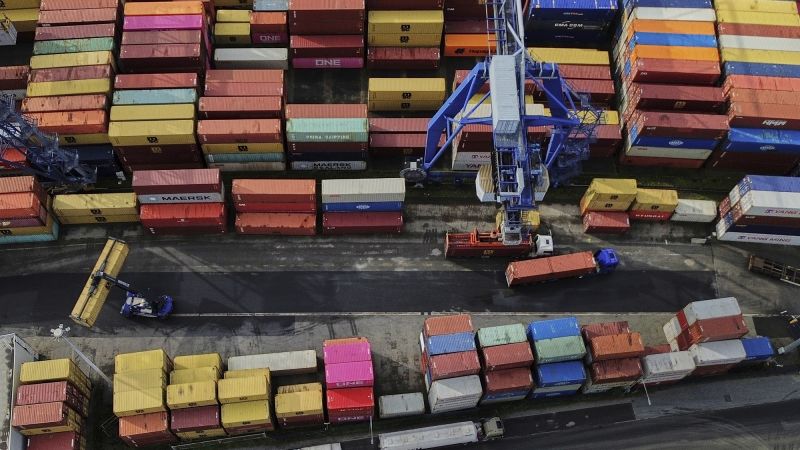
President Donald Trump has swiftly announced 25% tariffs on any country conducting business with Iran, effective immediately via social media post on January 12. This aggressive policy aims to isolate Iran amid escalating tensions, potentially hitting major U.S. trading partners like China, which maintains significant economic ties with Tehran. Goods from these nations could see sharp price hikes, disrupting global supply chains overnight.[1]
Details and Immediate Implications
No formal executive order or Federal Register notice has followed yet, leaving importers in limbo as compliance teams scramble. Trump's statement covers "any and all business" with the U.S., signaling a hardline stance against Iran's regime, especially after deadly protests crushed by security forces. This echoes past trade wars, where tariffs reshaped markets and raised consumer costs.[1][2]
Global Ripple Effects
China faces the biggest blow due to its oil imports and infrastructure deals with Iran, possibly sparking retaliatory measures and inflating U.S. import prices. Businesses must monitor for updates, as this could redefine international trade dynamics and heighten geopolitical risks in 2026.[1][2]
About the People Mentioned
Donald Trump
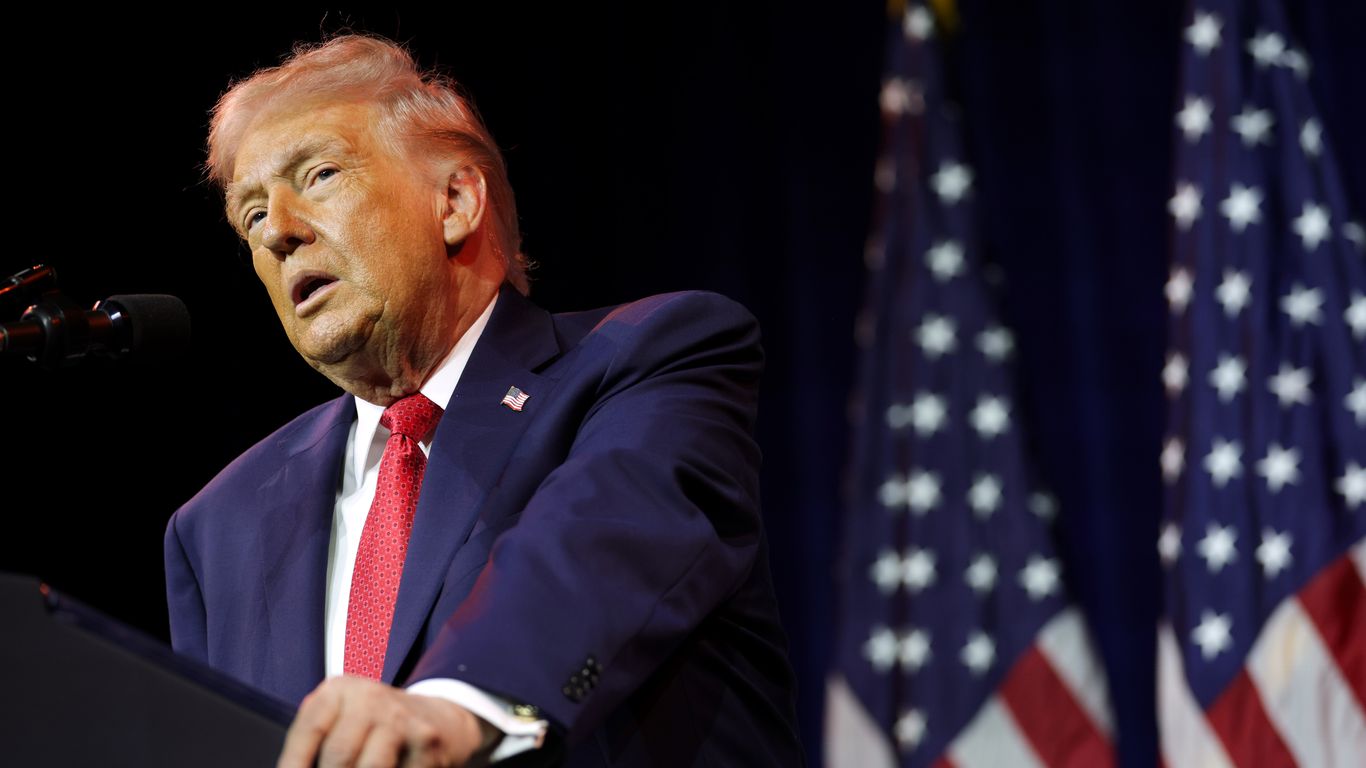
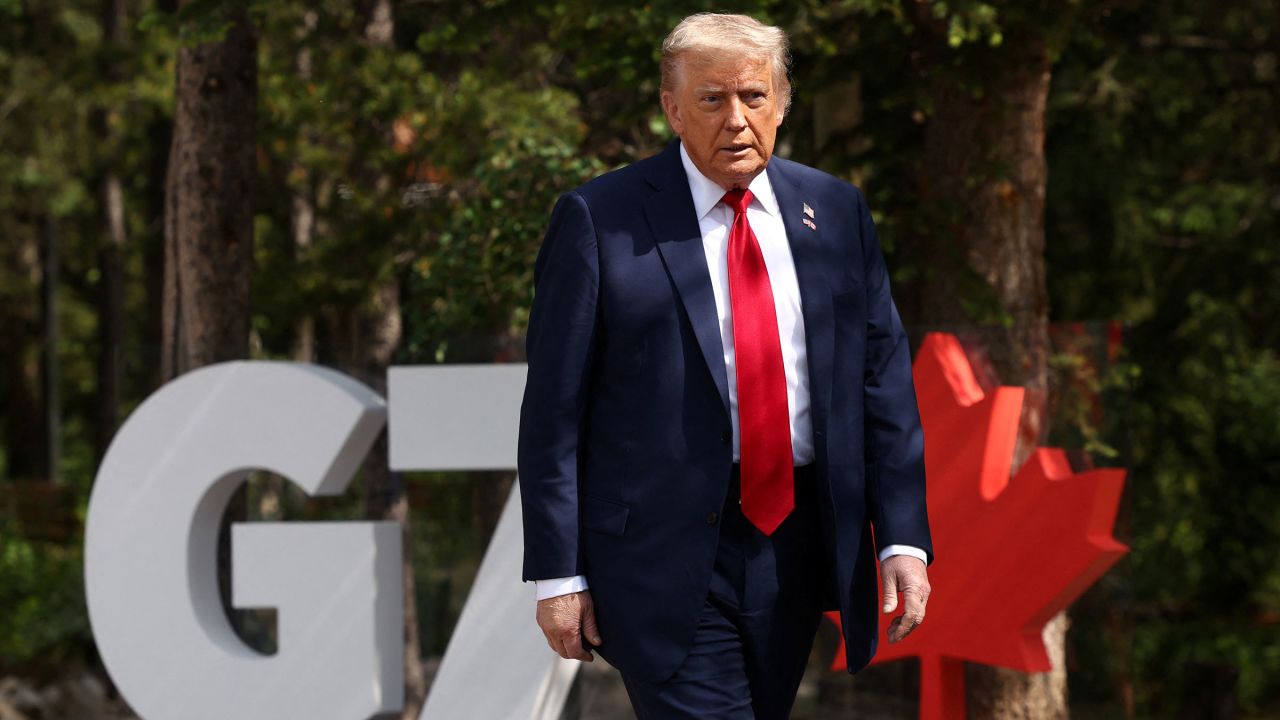
Donald John Trump, born June 14, 1946, in Queens, New York, is an American businessman, media personality, and politician. He graduated from the University of Pennsylvania’s Wharton School in 1968 with a degree in economics. In 1971, he took over his family’s real estate business, renaming it the Trump Organization, through which he expanded into building and managing skyscrapers, hotels, casinos, and golf courses. Trump gained widespread fame as the host of the reality TV show *The Apprentice* from 2004 to 2015, which helped establish his public persona as a successful entrepreneur. Trump entered politics as a Republican and was elected the 45th president of the United States, serving from 2017 to 2021. His presidency was marked by significant policy actions including tax cuts, deregulation, the appointment of three Supreme Court justices, renegotiation of trade agreements (notably replacing NAFTA with the USMCA), and a focus on immigration control including border wall expansion. He withdrew the U.S. from international agreements such as the Paris Climate Accord and the Iran nuclear deal, and engaged in a trade war with China. His administration’s response to the COVID-19 pandemic was criticized for downplaying the virus’s severity. Trump was impeached twice by the House of Representatives—first in 2019 for abuse of power and obstruction, and again in 2021 for incitement of insurrection—but was acquitted by the Senate both times. After losing the 2020 election to Joe Biden, Trump challenged the results, culminating in the January 6, 2021, Capitol riot. He remains a central figure in American politics, having won the 2024 presidential election and returned as the 47th president in 2025, continuing to promote policies aimed at economic growth, border security, and military strength[1][2][3][4].