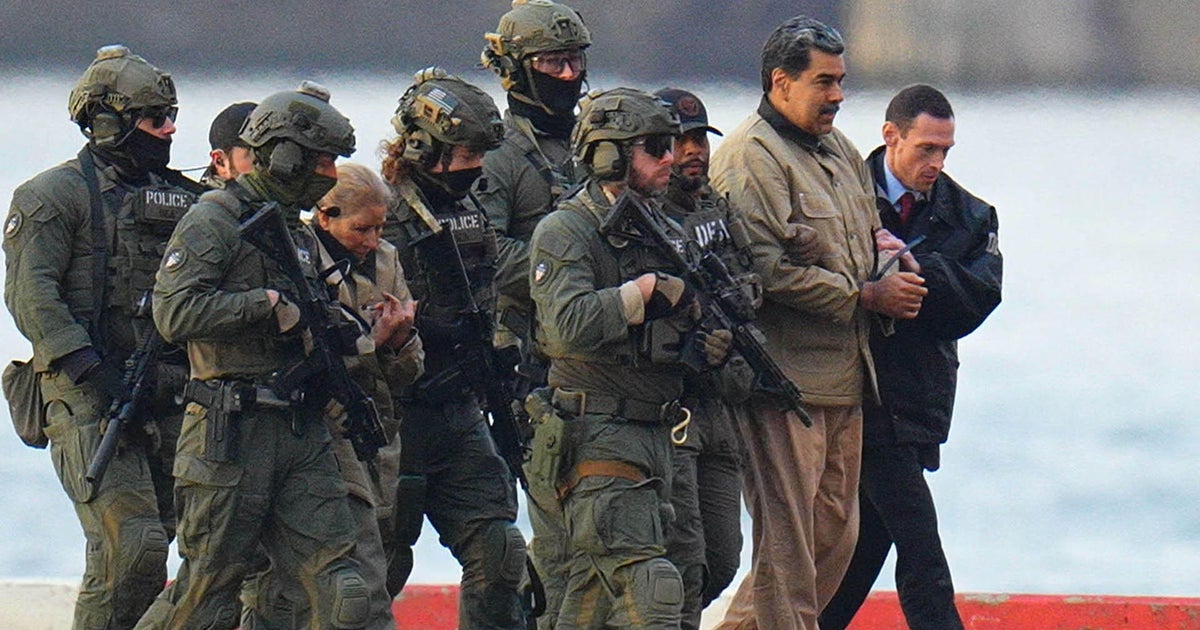
Trump's Ultimatum to Cuba Amid Venezuela Fallout
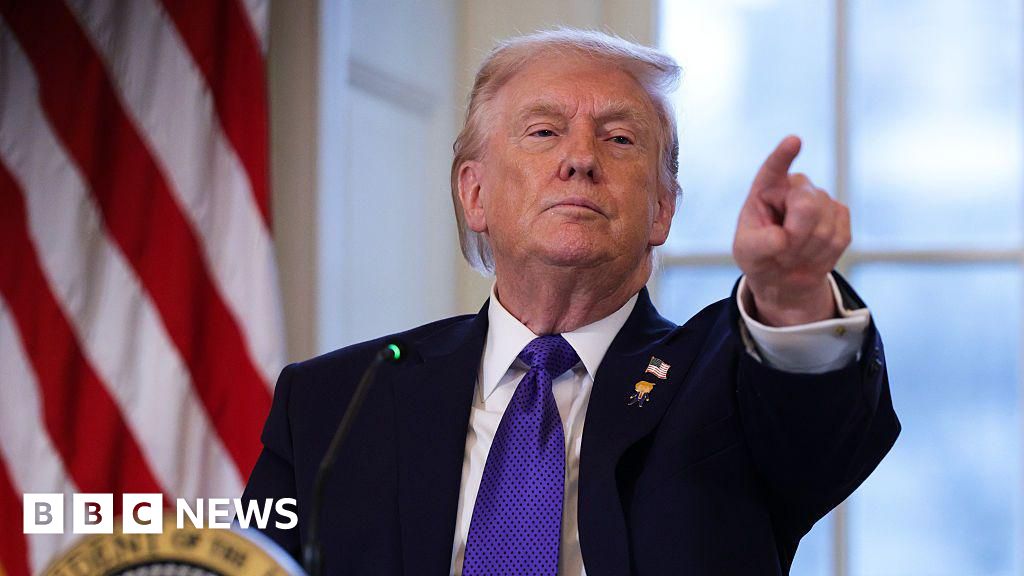
Trump's Ultimatum to Cuba Amid Venezuela Fallout
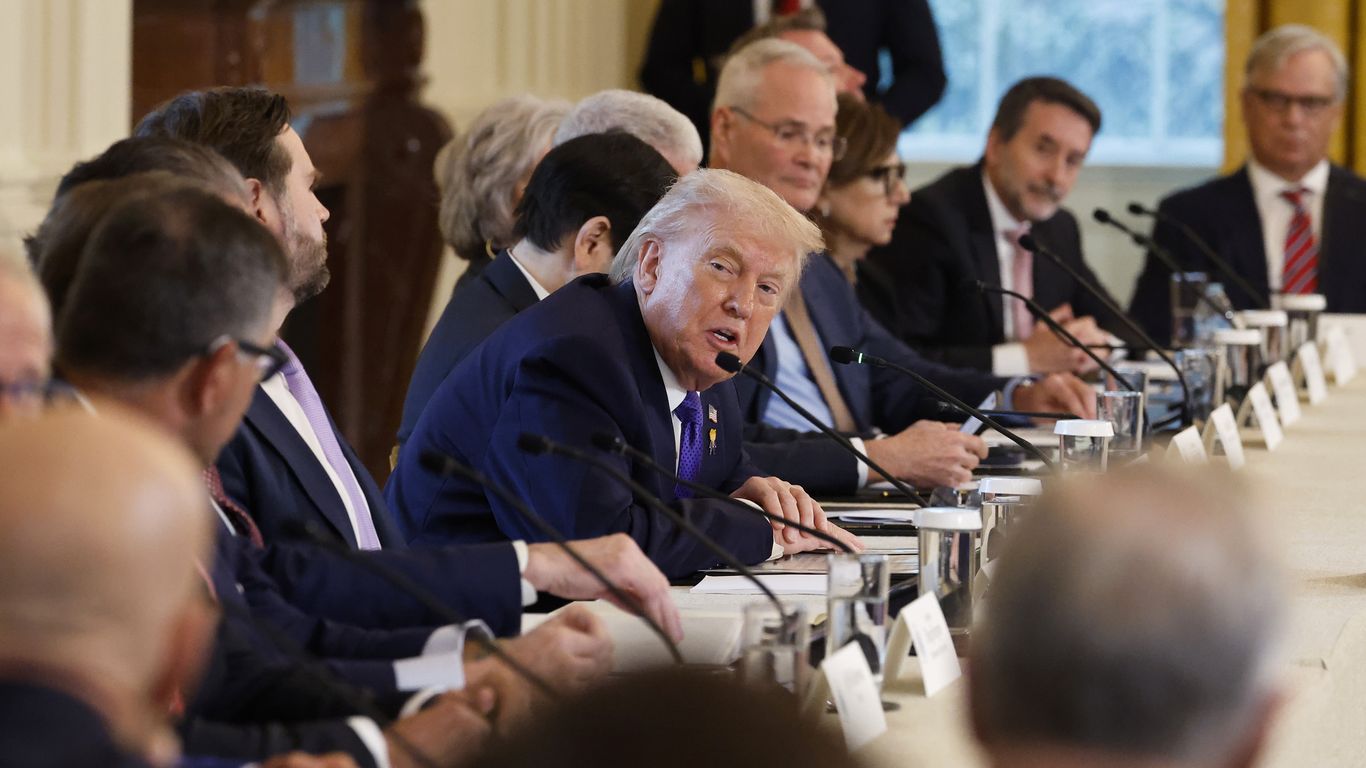
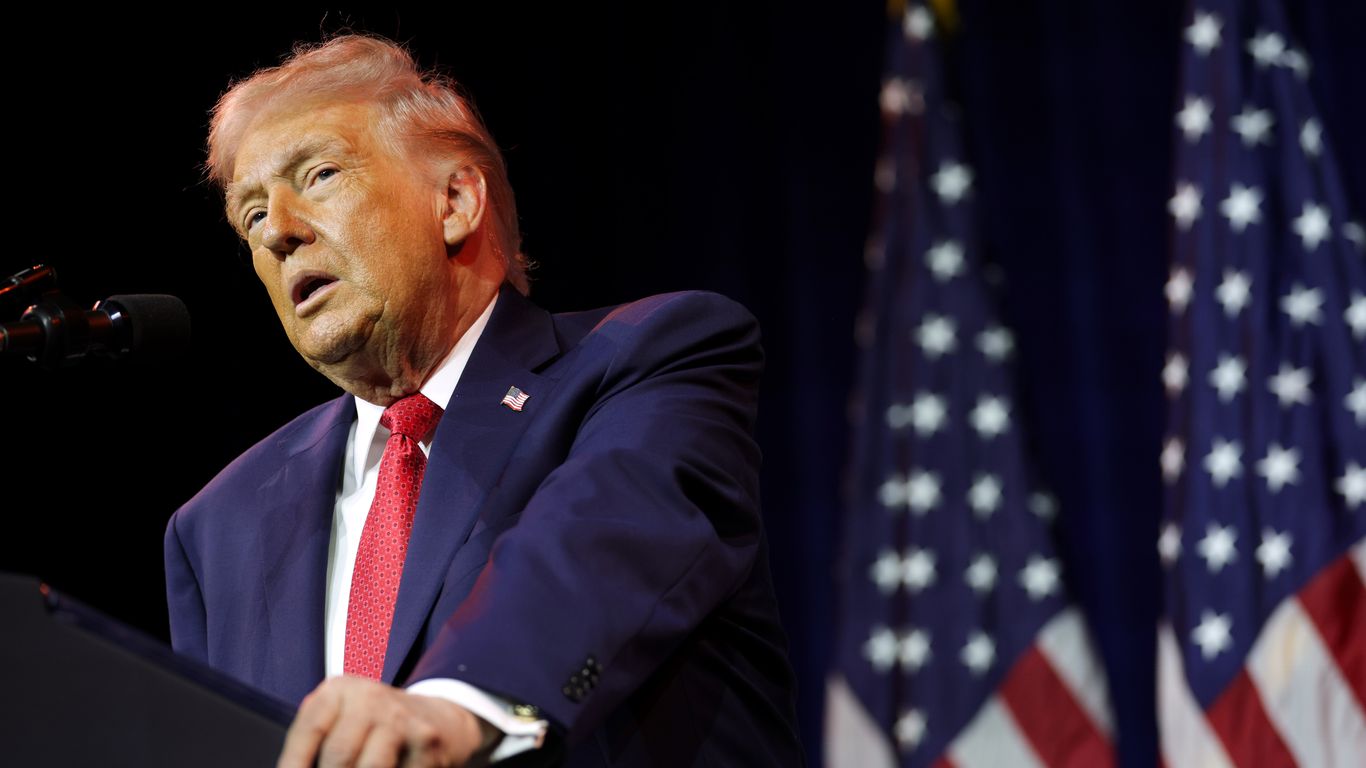
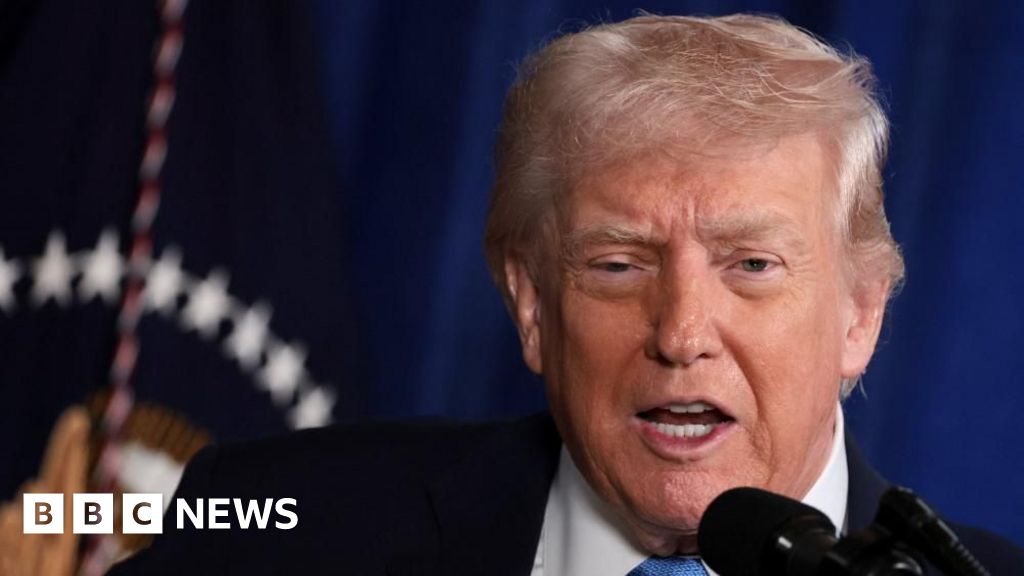
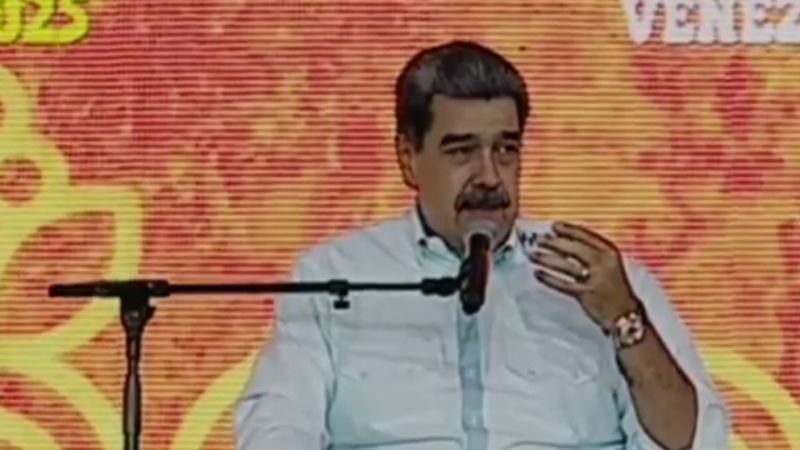
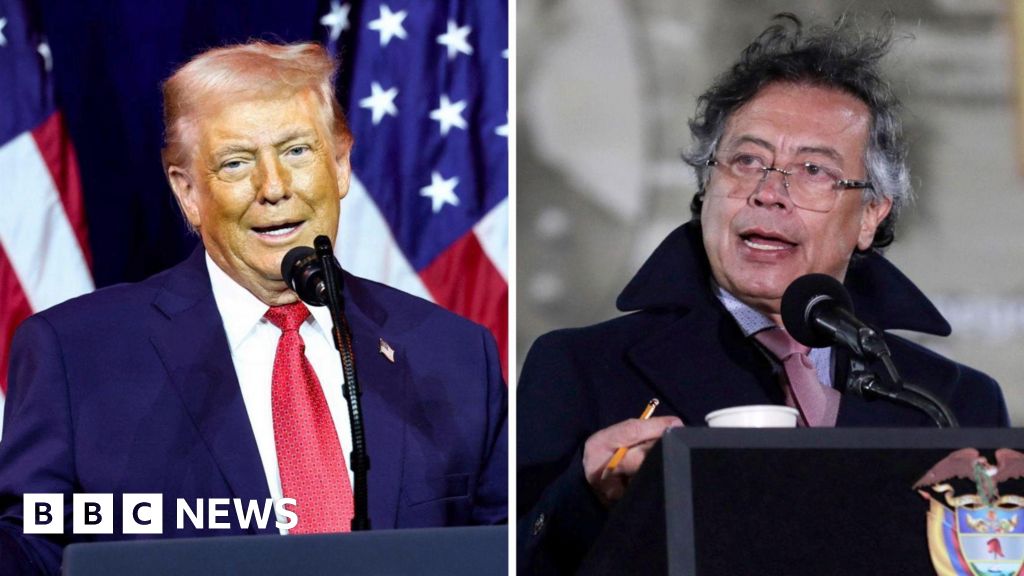
President Donald Trump has issued a stark warning to Cuba, urging its leaders to "make a deal, before it is too late," following the U.S. seizure of Venezuelan President Nicolás Maduro. This comes as Cuba grapples with the loss of vital Venezuelan oil supplies—previously around 35,000 barrels daily—that fueled its economy amid a deepening crisis. Trump's rhetoric signals heightened pressure, reinstating travel bans and business restrictions on military-linked entities to squeeze Havana further.
Cuba's Defiant Response and Diplomatic Standoff
Cuban President Miguel Díaz-Canel rejected ongoing talks with the U.S., insisting any dialogue must respect sovereignty, mutual benefit, and international law, not threats or coercion. Foreign Minister Bruno Rodríguez echoed this, decrying U.S. actions as hostile. Analysts like Jorge Piñón note Cuba's remaining oil from Mexico and Russia offers slim relief, while experts warn of an "existential dilemma" for the island nation.
Implications for U.S.-Cuba Relations
Trump's hard-line stance revives Obama-era rollbacks, demanding political prisoner releases and free elections before easing sanctions. Secretary of State Marco Rubio's comments heighten tensions, portraying Cuba as a "failing nation" on the brink. As Havana buys time, the region braces for potential shifts in power dynamics and energy shortages.
About the People Mentioned
Donald Trump
Donald John Trump, born June 14, 1946, in Queens, New York, is an American businessman, media personality, and politician. He graduated from the University of Pennsylvania’s Wharton School in 1968 with a degree in economics. In 1971, he took over his family’s real estate business, renaming it the Trump Organization, through which he expanded into building and managing skyscrapers, hotels, casinos, and golf courses. Trump gained widespread fame as the host of the reality TV show *The Apprentice* from 2004 to 2015, which helped establish his public persona as a successful entrepreneur. Trump entered politics as a Republican and was elected the 45th president of the United States, serving from 2017 to 2021. His presidency was marked by significant policy actions including tax cuts, deregulation, the appointment of three Supreme Court justices, renegotiation of trade agreements (notably replacing NAFTA with the USMCA), and a focus on immigration control including border wall expansion. He withdrew the U.S. from international agreements such as the Paris Climate Accord and the Iran nuclear deal, and engaged in a trade war with China. His administration’s response to the COVID-19 pandemic was criticized for downplaying the virus’s severity. Trump was impeached twice by the House of Representatives—first in 2019 for abuse of power and obstruction, and again in 2021 for incitement of insurrection—but was acquitted by the Senate both times. After losing the 2020 election to Joe Biden, Trump challenged the results, culminating in the January 6, 2021, Capitol riot. He remains a central figure in American politics, having won the 2024 presidential election and returned as the 47th president in 2025, continuing to promote policies aimed at economic growth, border security, and military strength[1][2][3][4].
Nicolás Maduro
Nicolás Maduro Moros, born on November 23, 1962, in Caracas, Venezuela, is a Venezuelan politician who has served as the president of Venezuela since April 2013. He rose to power following the death of long-time president Hugo Chávez, initially becoming interim president and then winning a special election later that year. Before his presidency, Maduro was a bus driver and union leader, gaining experience as a labor organizer, and later held key political roles including speaker of the National Assembly and minister of foreign affairs under Chávez[1][2]. Maduro is a prominent figure of *chavismo*, the political ideology established by Chávez, and has been the leader of the United Socialist Party of Venezuela (PSUV). His administration has been marked by severe economic challenges, including hyperinflation, shortages of basic goods, and a collapse in public services, which have contributed to widespread social unrest and protests. Critics accuse his government of authoritarianism, human rights abuses, and corruption, while Maduro and his supporters attribute Venezuela's crises largely to international sanctions and external interference[1][2][3]. Internationally, Maduro's legitimacy has been contested, with numerous countries and organizations refusing to recognize his presidency following disputed elections in 2018 and 2024. His government is known for tight control over the economy and media, with reports of repression against opposition parties and independent press. In recent years, allegations of corruption involving Maduro's family and close associates have surfaced, including high-profile criminal convictions related to drug trafficking schemes linked to his inner circle[3]. Despite ongoing political isolation and economic hardship, Nicolás Maduro remains in power as of late 2025, maintaining his position through the support of Venezuela’s military and loyalist institutions, continuing to assert his leadership amid persistent domestic and international challenges[1][2][3][4].
Marco Rubio
Marco Rubio is an American politician born on May 28, 1971, in Miami, Florida, to Cuban immigrant parents. He gained prominence as a leading figure in the Republican Party and currently serves as the 72nd U.S. Secretary of State, a position he assumed in January 2025 after unanimous Senate confirmation[1][3]. Rubio's political career began in Florida, where he served as a city commissioner in West Miami and later as the Speaker of the Florida House of Representatives. During his tenure as Speaker, he implemented several reforms, including compiling "100 Innovative Ideas for Florida's Future," which led to significant legislative changes[2]. He was elected to the U.S. Senate in 2010, representing Florida until 2025. Rubio has been a key voice in U.S. foreign policy, particularly concerning Latin America, China, and the Middle East, and has championed bipartisan legislation on issues like immigration and human rights[1][4]. Rubio gained national attention for his role in the bipartisan "Gang of Eight" immigration reform effort and his 2016 presidential campaign, which ended with his endorsement of Donald Trump in the Florida primary[1][3]. He has also been a proponent of conservative populism, aligning himself with Trump's policies[3]. Recently, Rubio was nominated by Trump to serve as Secretary of State and, in April 2025, was also named acting National Security Advisor[3]. Rubio is married to Jeanette Dousdebes Rubio, and they have four children together. He holds a bachelor's degree from the University of Florida and a law degree from the University of Miami School of Law[4]. His appointment as Secretary of State marks a significant milestone, as he is the first Latino to hold the position[1].