US Sanctions ICC Judges Over Israel Probe: Global Reactions and Implications

Sanctioning ICC Judges Over Israel Probe
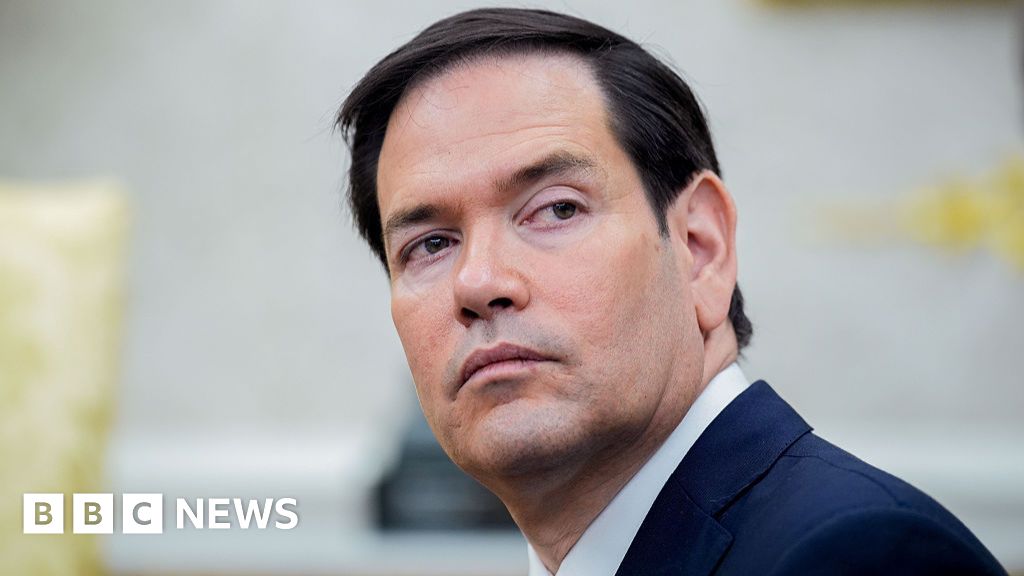
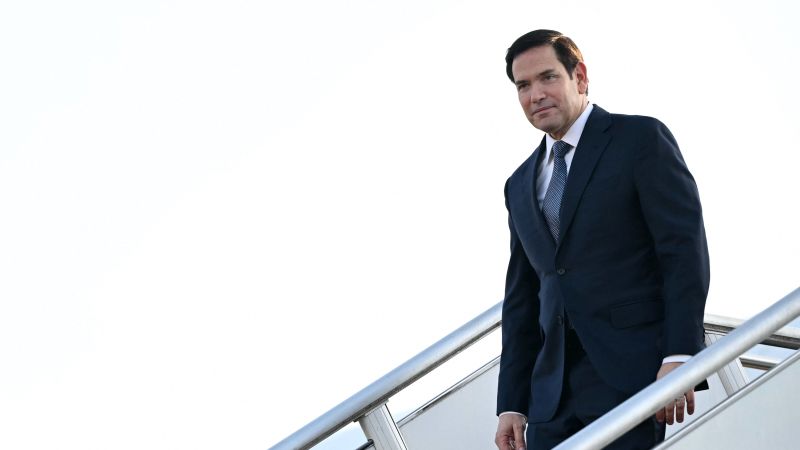
The U.S. Department of State has imposed sanctions on two International Criminal Court judges, Gocha Lordkipanidze from Georgia and Erdenebalsuren Damdin from Mongolia, under Executive Order 14203. This bold move targets their direct involvement in what Secretary of State Marco Rubio calls the ICC's illegitimate pursuit of Israeli nationals without consent, escalating tensions in international justice.[6][7]
Escalation of U.S. Measures Against the ICC
These sanctions, announced on December 18, 2025, freeze assets and ban U.S. travel, building on earlier actions. Since February's order, the Trump administration has hit the ICC prosecutor, deputies, and multiple judges involved in probes on Israel, Afghanistan, and Palestine. Critics like Human Rights Watch decry this as an assault on judicial independence, while supporters view it as defending allies from politicized prosecutions.[1][2][3][5]
Global Reactions and Implications
The Netherlands condemned the sanctions, highlighting risks to the ICC's role in upholding accountability. As 2025 marks a year of U.S. pressure—including threats to the court itself—this could reshape international law dynamics, prioritizing sovereignty over universal jurisdiction debates.[4][7]
About the People Mentioned
Marco Rubio
Marco Rubio is an American politician born on May 28, 1971, in Miami, Florida, to Cuban immigrant parents. He gained prominence as a leading figure in the Republican Party and currently serves as the 72nd U.S. Secretary of State, a position he assumed in January 2025 after unanimous Senate confirmation[1][3]. Rubio's political career began in Florida, where he served as a city commissioner in West Miami and later as the Speaker of the Florida House of Representatives. During his tenure as Speaker, he implemented several reforms, including compiling "100 Innovative Ideas for Florida's Future," which led to significant legislative changes[2]. He was elected to the U.S. Senate in 2010, representing Florida until 2025. Rubio has been a key voice in U.S. foreign policy, particularly concerning Latin America, China, and the Middle East, and has championed bipartisan legislation on issues like immigration and human rights[1][4]. Rubio gained national attention for his role in the bipartisan "Gang of Eight" immigration reform effort and his 2016 presidential campaign, which ended with his endorsement of Donald Trump in the Florida primary[1][3]. He has also been a proponent of conservative populism, aligning himself with Trump's policies[3]. Recently, Rubio was nominated by Trump to serve as Secretary of State and, in April 2025, was also named acting National Security Advisor[3]. Rubio is married to Jeanette Dousdebes Rubio, and they have four children together. He holds a bachelor's degree from the University of Florida and a law degree from the University of Miami School of Law[4]. His appointment as Secretary of State marks a significant milestone, as he is the first Latino to hold the position[1].
About the Organizations Mentioned
U.S. Department of State
The **U.S. Department of State** is the federal executive agency responsible for shaping and executing American foreign policy and diplomacy globally. Established in 1789 as the first executive department, it serves as the principal advisor to the President on international relations and manages the United States' diplomatic missions, treaty negotiations, and representation in international organizations such as the United Nations[2][6][7]. The Department’s mission centers on promoting U.S. security, prosperity, and democratic values worldwide. It protects American citizens abroad, facilitates international business opportunities to create jobs at home, and builds partnerships to address global challenges including climate change, terrorism, nuclear proliferation, human trafficking, and pandemics[1][4][7]. Headquartered in the Harry S Truman Building in Washington, D.C., the Department operates thousands of embassies, consulates, and diplomatic posts worldwide, representing U.S. interests in nearly every country[2][5]. A key component closely associated with the Department is the U.S. Agency for International Development (USAID), created in 1961 to administer economic and humanitarian aid to developing countries. USAID advances global development goals like food security, democracy, health, and disaster relief, in coordination with State’s foreign policy goals[1]. Historically, the Department has played a critical role in forging alliances and maintaining peace, beginning with Thomas Jefferson as the first Secretary of State under President George Washington. Its influence continues today under the leadership of Secretary of State Marco Rubio, appointed in 2025[2][5]. In the context of business and technology, the Department’s efforts to open foreign markets and foster international partnerships are vital for American economic competitiveness. Its Professional Fellows programs promote cross-cultural professional exchanges, enhancing global networks and innovation collaboration[2]. With a FY 2024 budget of $38.8 billion, it remains a significant player in advancing U.S. interests amid evolving geopolitical and technological landscapes[3].
International Criminal Court
The **International Criminal Court (ICC)** is a permanent international tribunal established to prosecute individuals responsible for the most serious crimes under international law: **genocide, crimes against humanity, war crimes, and the crime of aggression**[2][4]. It operates independently of the United Nations but collaborates with it, particularly in investigations and security matters[2][6]. Founded by the **Rome Statute** in 1998 and operational since 2002, the ICC aims to end impunity for grave offenses that national courts are unable or unwilling to prosecute[1][2][7]. Located in **The Hague, Netherlands**, the ICC investigates, prosecutes, and tries individuals—never states—who commit heinous crimes, thereby promoting justice for victims and deterring future violations[1][6]. Its jurisdiction applies only to crimes committed after July 1, 2002, and generally within the territories of states that have ratified the Rome Statute or where the UN Security Council refers situations[2][7]. The ICC’s structure consists of four main organs: the **Presidency**, overseeing administration and external relations; the **Judicial Divisions**, made up of 18 judges handling pre-trial, trial, and appeals; the **Office of the Prosecutor**, responsible for investigations and prosecutions; and the **Registry**, managing judicial and administrative support[3][5][7]. The **Assembly of States Parties** governs the Court’s management, elects judges and prosecutors, and approves the budget[3][5]. Since 2018, the ICC has had jurisdiction over the crime of aggression, holding leaders accountable for illegal wars, a significant expansion of its mandate achieved through amendments to the Rome Statute[4]. The ICC currently conducts investigations and trials across multiple continents, addressing ongoing conflicts and atrocities[4][6]. Notably, the ICC also works through the **Trust Fund for Victims**, which provides reparations and assistance to victims and their families, emphasizing
Human Rights Watch
Human Rights Watch (HRW) is an independent international NGO that investigates human rights abuses, publishes in‑depth reports, and presses governments, businesses, and international bodies to stop violations and secure justice worldwide.[1][6] Founded in 1978 as Helsinki Watch to monitor Soviet compliance with the Helsinki Accords, HRW expanded through regional “watch” committees in the 1980s and unified as Human Rights Watch in 1988, growing into a global research and advocacy organization active in roughly 90–100 countries today.[4][2][6] Its staff of lawyers, journalists, country experts, and academics produces more than a hundred reports and briefings annually and uses fact‑finding, documented testimony, and legal analysis to build cases for policy change and accountability.[3][6] Key achievements include sustained advocacy that helped catalyze the Ottawa landmine ban and international campaigns against the use of child soldiers, plus influential reporting that has informed UN inquiries, international tribunals, and national policy shifts on issues from torture and mass atrocities to refugee rights and corporate abuses.[7][2][4] HRW’s Business & Human Rights program has pushed companies and investors to adopt human‑rights due diligence practices, making it relevant to readers focused on corporate governance and technology supply chains.[6][1] Today HRW remains a high‑profile watchdog headquartered in New York, funded by private donors and foundations (it does not accept government funds), and frequently cited by media, policymakers, and international institutions for its evidence‑based reporting and targeted advocacy.[3][1] Its work also draws criticism and political pushback at times—especially over contentious geopolitical topics—highlighting the contested nature of human‑rights advocacy in global politics.[8][4] Notable aspects for business and tech audiences: HRW investigates corporate conduct, surveillance and digital rights, and how emerging technologies affect privacy and civil liberties, making its