Trump's Warning Ignored: Erfan Soltani's Plight Amid Iranian Protests
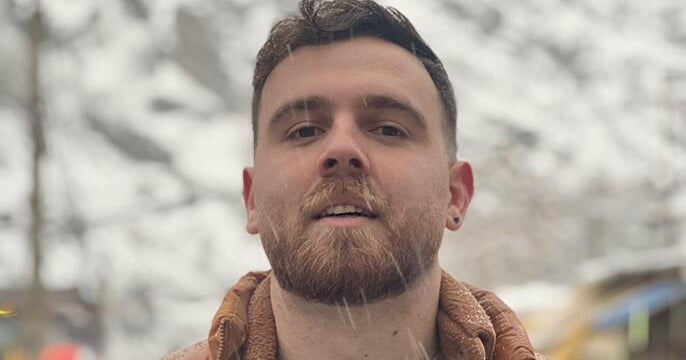
Trump's Warning Ignored: Erfan Soltani's Plight
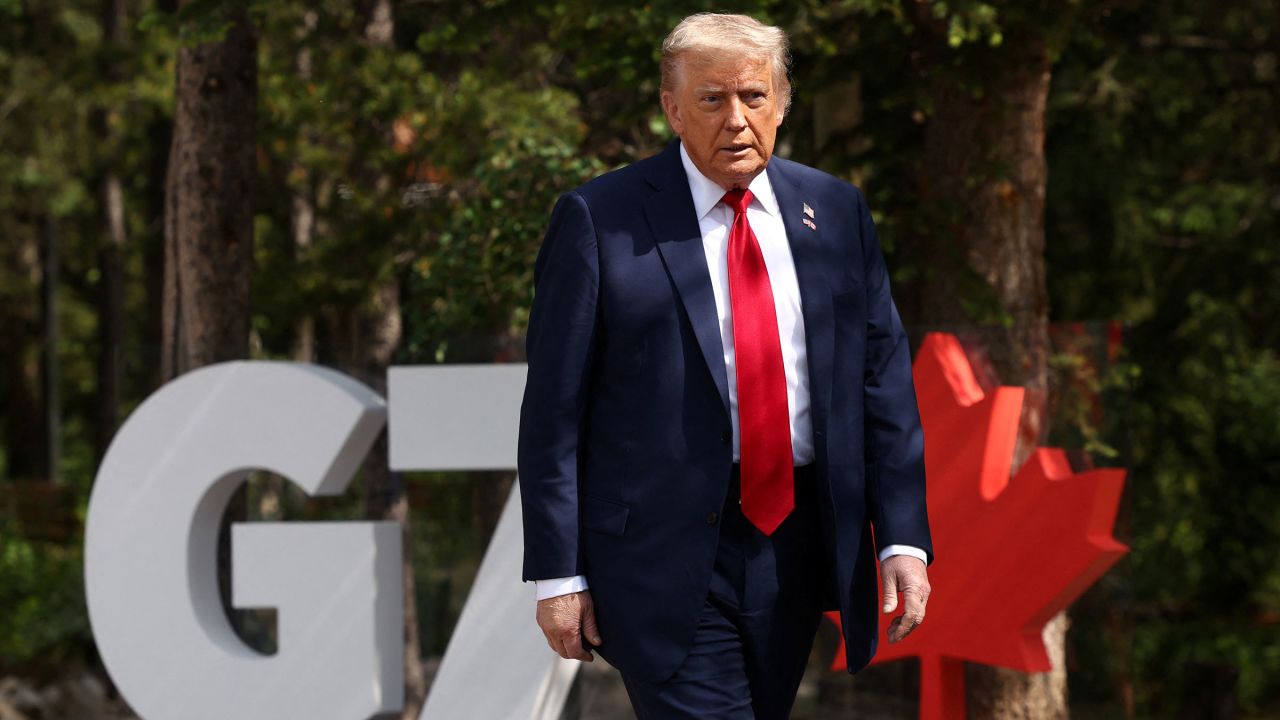
Despite former President Donald Trump's stern warning of "very strong action" against executions, Iranian shopkeeper Erfan Soltani faces a dire fate amid nationwide protests. The 26-year-old from Fardis, arrested on January 8 for joining anti-government demonstrations, was reportedly sentenced to death in a swift, opaque trial without legal counsel, according to human rights group Hengaw.[1][2][3]
Regime's Denial and Postponed Hanging
Iranian authorities, via the Judiciary Media Center and Tasnim news agency, denied Soltani ever faced execution, claiming charges like assembly against security and propaganda warrant only prison time. Yet, his family was informed of a death sentence and a Wednesday hanging, later postponed under international pressure. Soltani symbolizes thousands potentially at risk, as Iran's judiciary chief vows rapid trials and punishments.[1][2][3]
Global Echoes and Uncertain Future
Soltani's cousin Somayeh pleaded with Trump, noting protesters trusted his words amid gunfire. With internet blackouts hiding other cases, this standoff highlights Tehran's defiance, raising fears of more hangings despite warnings. Activists urge sustained pressure to protect ordinary Iranians challenging the regime.[2][3]
About the People Mentioned
Donald Trump
Donald John Trump, born June 14, 1946, in Queens, New York, is an American businessman, media personality, and politician. He graduated from the University of Pennsylvania’s Wharton School in 1968 with a degree in economics. In 1971, he took over his family’s real estate business, renaming it the Trump Organization, through which he expanded into building and managing skyscrapers, hotels, casinos, and golf courses. Trump gained widespread fame as the host of the reality TV show *The Apprentice* from 2004 to 2015, which helped establish his public persona as a successful entrepreneur. Trump entered politics as a Republican and was elected the 45th president of the United States, serving from 2017 to 2021. His presidency was marked by significant policy actions including tax cuts, deregulation, the appointment of three Supreme Court justices, renegotiation of trade agreements (notably replacing NAFTA with the USMCA), and a focus on immigration control including border wall expansion. He withdrew the U.S. from international agreements such as the Paris Climate Accord and the Iran nuclear deal, and engaged in a trade war with China. His administration’s response to the COVID-19 pandemic was criticized for downplaying the virus’s severity. Trump was impeached twice by the House of Representatives—first in 2019 for abuse of power and obstruction, and again in 2021 for incitement of insurrection—but was acquitted by the Senate both times. After losing the 2020 election to Joe Biden, Trump challenged the results, culminating in the January 6, 2021, Capitol riot. He remains a central figure in American politics, having won the 2024 presidential election and returned as the 47th president in 2025, continuing to promote policies aimed at economic growth, border security, and military strength[1][2][3][4].
About the Organizations Mentioned
Hengaw
**Hengaw Organization for Human Rights** is an independent non-governmental organization (NGO) registered in Norway, dedicated to documenting and reporting systematic human rights violations in Iran, with a primary focus on the Kurdish minority in Kurdistan.[1][2] The name "Hengaw," meaning "step" in Kurdish, symbolizes its incremental efforts to expose abuses against ethnic, religious, political, sexual, and gender minorities, drawing from reliable sources to archive crimes and support legal accountability.[2] Founded in 2016 and based in Trondheim, Norway, Hengaw began by highlighting the plight of **kolbars**—Kurdish porters facing deadly border enforcement—and quickly gained international recognition when its reports informed United Nations assessments.[1] Its coverage expanded during the 2022 Mahsa Amini protests, detailing crackdowns in Iranian Kurdistan, which major global media outlets cited extensively.[1] A landmark moment came in 2023 when Hengaw first reported the death of 17-year-old Armita Geravand, who fell into a coma after an encounter with Iran's morality police on Tehran Metro.[1] Key achievements include comprehensive 2025 statistics revealing a sharp rise in abuses: 1,858 executions (up from 2024), 474 imprisonments (223 involving Kurds), 237 death sentences, and categories like 45 femicides, 14 child detentions, and kolbar incidents.[1][3] Hengaw collaborates with Iranian and international rights groups, advocating modern human rights standards aligned with the UN Declaration.[2] Currently active via its website (hengaw.net), Hengaw tracks ongoing cases, such as medical neglect of Kurdish prisoner Zeinab Jalalian and executions like that of nuclear expert Dr. Roozbeh Vadi.[3] However, it faces severe threats: Iranian security forces have targeted members abroad with death threats, family arrests in Iran, and even human traffickers, as seen in the 20
Judiciary Media Center
No organization named **Judiciary Media Center** appears in available sources. The closest matches are initiatives bridging judiciary and media, such as Massachusetts' **Judiciary-Media Committee** (established 1995) and the **Reynolds National Center for Courts and Media**, which I synthesize below into a comprehensive overview for business and technology news readers interested in legal transparency, media tech, and justice innovation[2][5][6]. The **Judiciary-Media Committee** in Massachusetts fosters collaboration between judges, clerks, reporters, and broadcasters to enhance court access and mutual understanding. It meets quarterly, addressing media challenges like courtroom cameras, high-profile trials, and document access. Key activities include guidelines on public rights to proceedings, regional conferences, and "Law School for Journalists" programs. Members span appellate judges (e.g., Hon. Helen Brown-Bryant), media executives, and bar associations, promoting trust amid rising demands for real-time judicial data[2]. Historically, the **Reynolds National Center for Courts and Media** (supported by the Donald W. Reynolds Foundation and Rollan D. Melton Fund) improved bench-media relations through intensive training. Launched pre-2000, it hosted workshops for reporters and judges, evolving into endowments funding ongoing programs at the National Judicial College, including four-day sessions for top news outlets[5][6]. Achievements include standardized media protocols, better high-profile case handling (e.g., via public information officers for logistics and fact-checking), and resources combating juror social media misuse—critical in an era of viral trials and AI-driven misinformation[3][7][9]. These efforts enhance judicial transparency, indirectly boosting legal tech adoption like online media centers for law firms[4]. Currently active, these entities adapt to digital shifts: federal guides aid journalists on court docs and social media ethics, while NCSC resources tackle courtroom policies[7][8][9]. Notable for business: they enable tec
Tasnim News Agency
**Tasnim News Agency** is an Iran-based news outlet launched in 2012, functioning primarily as a state-aligned media platform that disseminates news in Persian, English, and Turkish on politics, economics, society, culture, sports, and international affairs.[1][5][6] Founded amid Iran's tightly controlled media landscape, Tasnim was established by Islamic Revolutionary Guard Corps (IRGC) commanders Majid Gholizadeh (current managing director) and Hamidreza Moghadamfaraz, with headquarters in Tehran.[1][3] Owned and funded by the Islamic Ideology Dissemination Organization (IIDO), it explicitly aims to "defend the Islamic Revolution against negative media propaganda" by promoting realities about Iran, Islam, and regional "Islamic Awakening."[1] Its content heavily favors IRGC narratives, often featuring anti-Western rhetoric, pro-regime propaganda, and attacks on opposition groups like the People's Mojahedin Organization of Iran.[2][3] Key **achievements** from its perspective include high traffic as a major Persian-language source and syndication on platforms like Eurasia Review, covering topics from nuclear disputes to regional conflicts.[1][5] However, independent assessments highlight controversies: Media Bias/Fact Check rates it **low credibility** due to poor sourcing, loaded language, and conspiratorial tones.[1] Critics, including United Against Nuclear Iran, label it an IRGC "propaganda machine" implicated in human rights abuses, such as publishing coerced protester confessions and crowdsourcing identities via social media.[3] European Union sanctions underscore its role in suppressing dissent alongside Iran's Ministry of Intelligence.[3] Currently, Tasnim remains active, reporting on domestic rallies, IRGC operations like Mossad spy arrests, and foreign policy rebukes against the US and Israel.[6][7][8] It warns against "Gorbachev moments" via negotiations with the West, reflecting hardline IRGC influence.[4] Fo