US Pressure on Zelensky Intensifies Over Contested Peace Plan
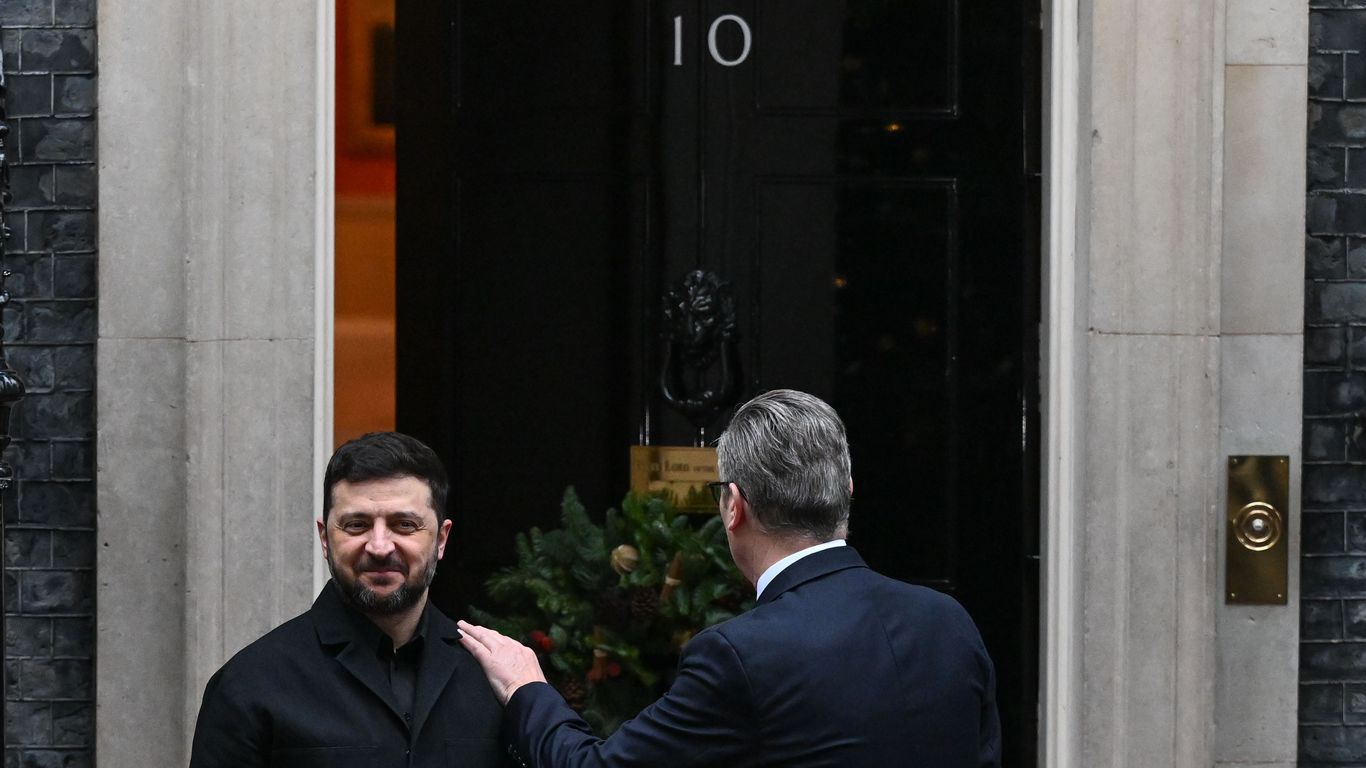
U.S. Pressure on Zelensky Intensifies
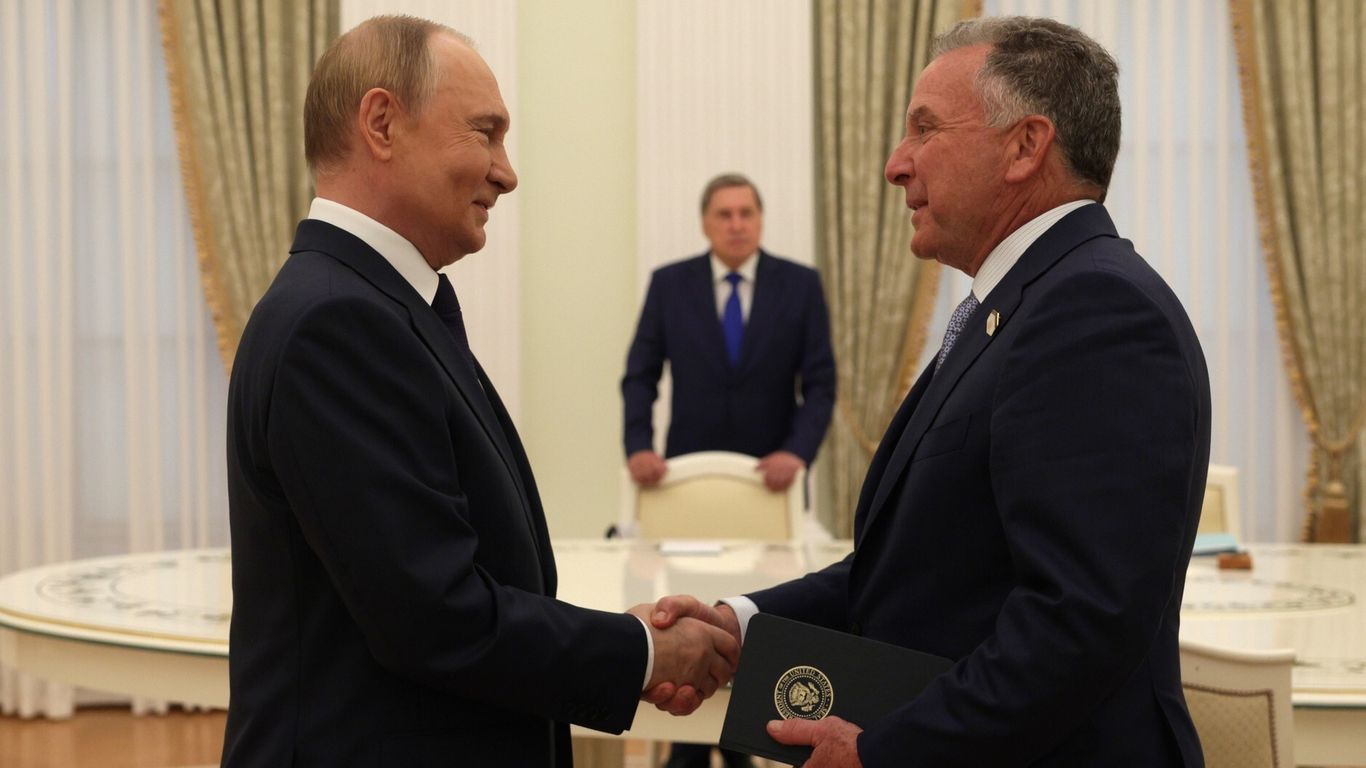
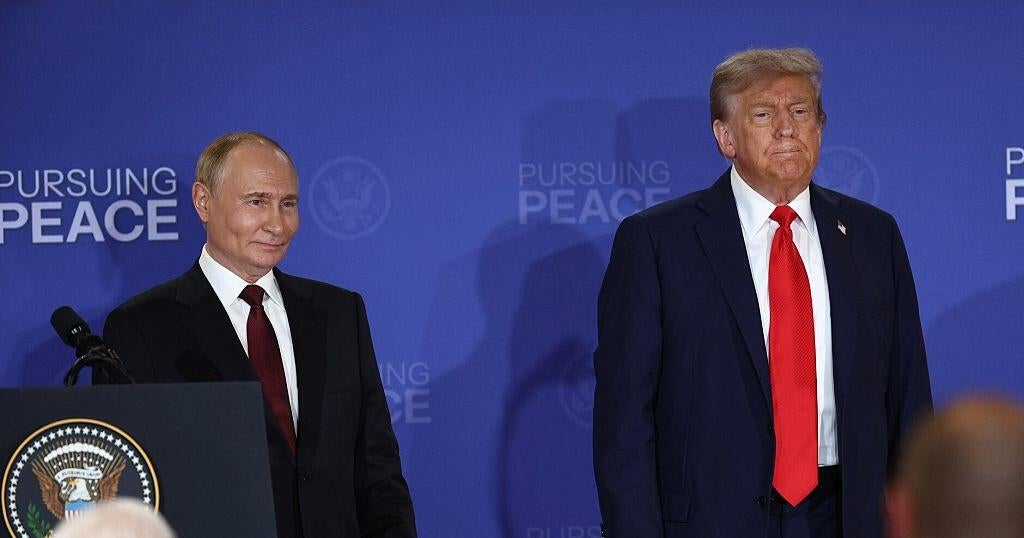
U.S. officials are exerting significant pressure on Ukrainian President Volodymyr Zelensky to swiftly accept a contentious peace plan. The proposal, largely shaped by U.S. and Russian input, demands Ukraine concede territory in the Donbas region and limit its military capabilities. Ukrainian sources indicate that the U.S. pressure on Zelensky is more forceful than that on Russian President Vladimir Putin, aiming for a quick agreement despite Kyiv’s ongoing reservations.
Challenges Within the Peace Proposal
The 28-point plan includes tough conditions such as recognizing Russian control over key areas and restrictions on Ukraine’s NATO ambitions. Kyiv worries about vague security guarantees and the potential loss of sovereignty. Zelensky has emphasized the need for substantial revisions, working closely with European allies to ensure Ukraine’s interests are protected. The U.S. approach contrasts with European calls for patience and cautious diplomacy.
Implications for Ukraine’s Future
The mounting U.S. pressure places Zelensky at a crossroads between accepting difficult compromises or risking the reduction of vital military and intelligence aid. As the war nears its third year, Ukraine faces hard choices impacting its territorial integrity and long-term security partnerships.
About the People Mentioned
Volodymyr Zelensky
Volodymyr Zelensky is a Ukrainian politician and former comedian who was born on January 25, 1978, in Kryvyi Rih, Ukraine. Prior to his political career, he gained fame as an actor and comedian, notably for his role in the TV series "Servant of the People," where he portrayed a teacher who becomes president. This role ironically foreshadowed his future as the sixth president of Ukraine, a position he assumed on May 20, 2019, after winning the presidential election on April 21, 2019[1][2][4]. Zelensky's presidency has been marked by significant challenges, including the COVID-19 pandemic and escalating tensions with Russia. His leadership during these crises has been notable, particularly his response to the Russian invasion of Ukraine in February 2022. He became an international symbol of resistance, refusing evacuation offers and rallying global support for Ukraine. Under his leadership, Ukraine has received substantial international military and financial aid[1][3]. One of Zelensky's key achievements is his ability to unite Ukrainians and communicate effectively with the international community. His presidency has been recognized globally, with Time Magazine naming him Person of the Year in 2022 for his leadership during the Russian invasion[1][3]. Despite lacking prior political experience, Zelensky has demonstrated resilience and strategic communication skills, which have been crucial in navigating Ukraine through its most challenging moments. Currently, Zelensky remains a central figure in international politics, especially in the context of the ongoing conflict with Russia. His commitment to defending Ukraine's sovereignty has garnered widespread support, both domestically and internationally. Zelensky is married to Olena Zelenska and has two children, balancing his public duties with family life[1][4].
Vladimir Putin
Vladimir Putin is the current President of Russia, a position he has held for multiple terms since 2000, with a brief interlude as Prime Minister from 2008 to 2012[1][3]. Born in Leningrad (now Saint Petersburg) in 1952, Putin began his career in the Soviet Union’s security services, joining the KGB in 1975 and rising to the rank of Lieutenant Colonel by the time he left in 1991, following postings in East Germany and Leningrad[4]. After the Soviet Union’s collapse, he transitioned into politics, serving as an adviser to Saint Petersburg Mayor Anatoly Sobchak and later moving to Moscow, where he held various administrative roles under President Boris Yeltsin[6]. Putin was appointed Prime Minister in August 1999 and became acting President when Yeltsin unexpectedly resigned that December[3][6]. He won his first presidential election in March 2000, promising to stabilize Russia’s economy and political system after the tumultuous 1990s[3][7]. During his initial terms, he centralized power, reasserted federal control over Russia’s regions, and curtailed the influence of the country’s oligarchs through legal and economic measures[7]. Putin was re-elected in 2004 but, due to constitutional term limits, stepped aside in 2008, becoming Prime Minister under his successor Dmitry Medvedev, while retaining significant influence[3]. Constitutional amendments later extended presidential terms, and Putin returned to the presidency in 2012[1]. Putin’s time in office has been marked by assertive foreign policy, including military interventions in Syria in support of President Bashar al-Assad and the 2014 annexation of Crimea, which led to international sanctions[1]. Domestically, his tenure has seen increased state control over media, the suppression of political opposition, and constitutional changes consolidating executive authority[1]. In 2022, Russia’s full-scale invasion of Ukraine triggered a major international crisis, further isolating Russia from the West and prompting widespread condemnation[1]. As of 2025, Putin remains a dominant figure in Russian politics, having secured another term in office through constitutional changes that allow him to potentially remain president until 2036[1]. His leadership continues to shape Russia’s domestic trajectory and its role in global affairs, amid ongoing conflict in Ukraine and strained relations with NATO and Western countries[1].
About the Organizations Mentioned
NATO
The **North Atlantic Treaty Organization (NATO)** is a transatlantic military alliance founded in 1949 to secure peace in Europe and protect democratic nations from Soviet aggression. It began with 12 founding members and has expanded to include 32 countries across North America and Europe as of 2025, including recent additions Finland (2023) and Sweden (2024)[1][3]. NATO's core principle is collective defense, meaning an attack against one ally is considered an attack against all, enshrined in Article 5 of its founding treaty[3]. Originally established as a Cold War bulwark, NATO has evolved beyond its initial Euro-Atlantic focus, engaging in missions worldwide, such as in Afghanistan and Libya[1]. The alliance remains central to U.S.-Europe military cooperation and has adapted to new security challenges, particularly Russia’s 2022 invasion of Ukraine, which has significantly reshaped NATO’s priorities. This aggression has spurred increased defense spending, stronger collective deterrence efforts, and accelerated Ukraine’s path toward potential membership[1][4]. In June 2025, NATO held its first summit in the Netherlands, where leaders agreed on raising defense spending targets to 5% of GDP—split between 3.5% for core defense and 1.5% for related security costs, including support for Ukraine. This marked a historic commitment to bolster the alliance’s military capabilities amid evolving global threats. The summit also emphasized eliminating defense trade barriers and reaffirmed the ironclad commitment to collective defense[2][5]. NATO’s ongoing significance lies in its role as a strategic security platform fostering cooperation among member states, responding to geopolitical instability, and adapting to emerging threats like terrorism and cyber warfare[4]. Its "open door" policy continues to invite eligible European democracies to join, reinforcing its mission to safeguard peace, democracy, and shared technological and defense innovations across allied nations[1][4].