Warehouse Automation Reshapes Logistics: UPS, FedEx, DHL Lead the Charge

How Packaging and Logistics Companies Are Automating Warehouses
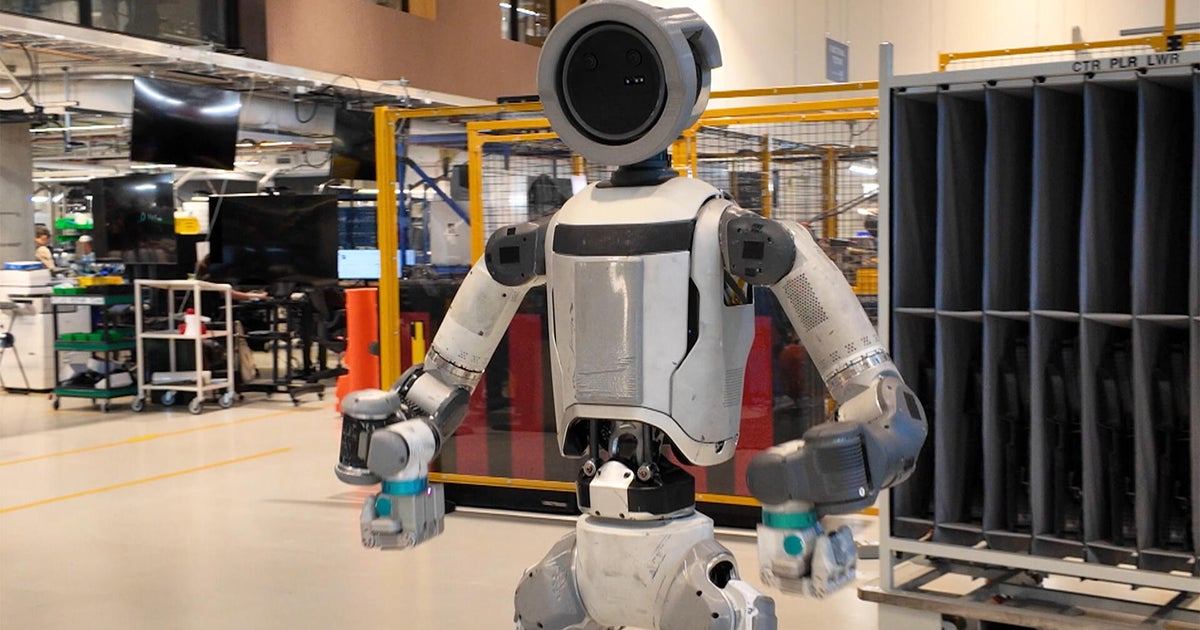
In the fast-paced world of logistics, giants like UPS, FedEx, and DHL are revolutionizing their operations through warehouse automation. Driven by e-commerce booms and labor shortages, these firms are deploying robotics, AI systems, and automated guided vehicles to boost efficiency and slash costs. By 2026, over 4.7 million warehouse robots operate globally, transforming traditional facilities into high-tech hubs.[1]
Key Technologies Driving the Shift
Companies such as Symbotic lead with AI-powered SymBots for case handling, achieving 99% inventory accuracy and 300% faster fulfillment.[2] DHL and peers adopt autonomous mobile robots and AS/RS from leaders like Dematic and Vanderlande, optimizing storage density and reducing labor expenses by 25-30%.[3] Walmart's $1 billion investment in micro-fulfillment centers exemplifies how automation embeds efficiency into retail supply chains.[1]
Benefits and Future Outlook
Automation yields 35% productivity gains, fewer injuries, and ROI within months, addressing 2.1 million unfilled jobs by 2030.[2] With 60% of warehouses hiking budgets and 31% eyeing full automation by 2028, logistics firms secure agile, cost-effective futures amid rising demands.[1]
About the Organizations Mentioned
UPS
United Parcel Service (UPS), founded in 1907, is a leading American multinational package delivery and supply chain management company headquartered in Atlanta, Georgia. It operates globally, delivering approximately 22.4 million packages daily to over 10 million customers across more than 200 countries and territories. UPS provides an extensive range of services, including domestic and international letter and package delivery, air and ocean freight forwarding, customs brokerage, supply chain solutions, and financial and insurance services. Its operations are divided mainly into two segments: U.S. Domestic Package and International Package, offering time-definite shipping options worldwide through a vast fleet of about 121,000 vehicles and aircraft containers[1][4]. Historically, UPS began as the American Messenger Company, evolving from local telegraph delivery to becoming the largest courier company by revenue globally, surpassing DHL and FedEx with revenues reaching $91.1 billion in 2024. The company operates one of the world’s largest airlines and is known for its major international hub, UPS Worldport in Louisville, Kentucky, which ranks among the busiest cargo airports worldwide. UPS is also a significant private employer in the U.S., with around 490,000 employees[3][4]. Key achievements include consistent revenue growth and strategic transformation efforts aimed at boosting efficiency and reducing costs. In Q2 2025, UPS reported $21.2 billion in revenue and $1.8 billion in operating profit, along with $3.5 billion in targeted cost savings for the year. CEO Carol B. Tome highlights the company's progress in adapting to complex economic and trade environments while positioning UPS for stronger long-term financial performance and competitive advantage[2]. Notably, UPS emphasizes sustainability and innovation, operating a large fleet of alternative fuel vehicles and integrating cutting-edge shipping, visibility, and billing technologies. Its purpose, “Moving our world forward by delivering what matters,” underscores its commitment to customer-centric service, technological advancement, and environmental responsibility[4][5].
FedEx
FedEx Corporation is a leading global logistics and transportation company, offering a broad portfolio of services including express shipping, freight, e-commerce, and business solutions. Founded in 1971 and beginning operations in 1973, FedEx has grown to serve over 220 countries and territories, leveraging a flexible, efficient, and intelligent global network. In fiscal year 2025, FedEx reported total revenues of $87.9 billion, with Federal Express (its express shipping segment) accounting for 86% ($75.3 billion), FedEx Freight 10% ($8.9 billion), and other services 4% ($3.7 billion)[1]. The company’s strategic approach focuses on competing collectively across its diverse portfolio, operating collaboratively, and innovating digitally to create a competitive advantage. FedEx customers typically use multiple transport services, exemplifying the integrated nature of its offerings[1]. Key operational strengths include a vast delivery network, advanced tracking systems, and strategic hubs like the Memphis Global Hub, which optimize freight flow and service reliability[3]. FedEx is actively advancing technology and innovation through artificial intelligence for demand forecasting and route optimization, blockchain for secure and transparent transactions, and robotic automation in warehouses to improve efficiency and reduce errors[3][5]. Its 2025 Plan emphasizes digital transformation, sustainability, and enhanced customer experience, aiming to set new industry standards and foster collaboration with technology partners[5]. Strategically, FedEx is undergoing significant changes to increase shareholder value and operational efficiency. This includes potential spin-offs like FedEx Freight and optimizing its air fleet. The DRIVE initiative targets $4 billion in permanent cost savings by 2025 and further savings by 2027, focusing on operational overhaul across customer service, surface and air networks, and administrative functions[2][4]. Despite facing intense competition from UPS, Amazon, and others, as well as rising labor and fuel costs, FedEx’s extensive global network, strong brand reputation, and continuous innovation help maintain its market leadership
DHL
## Overview DHL Group is the world’s leading logistics company, connecting people and markets across more than 220 countries and territories with a workforce exceeding 600,000 employees[2]. The company operates under two major brands: **DHL**, offering parcel, express, freight, supply chain, and e-commerce logistics solutions; and **Deutsche Post**, the largest postal service provider in Europe and the market leader in Germany[2]. DHL’s mission is to enable global trade through reliable, efficient, and sustainable logistics, aiming to be the first choice for customers, employees, and investors worldwide—especially in green logistics, with a commitment to net-zero emissions by 2050[2][7]. ## History and Evolution Founded in 1969 in San Francisco by Adrian Dalsey, Larry Hillblom, and Robert Lynn (the “D,” “H,” and “L” of DHL), the company began as a pioneering express delivery service for shipping documents between San Francisco and Honolulu. Rapid expansion in the 1970s and 1980s established DHL as a global express leader. Deutsche Post acquired majority control in 2002, integrating DHL into a broader logistics and postal network, and the company was rebranded as DHL Group in subsequent years[2]. ## Key Achievements DHL Group holds the #1 global position in express and contract logistics, delivering 1.8 billion parcels annually through a network of over 34,000 vehicles, 2,900 facilities, and more than 58,000 employees in its e-commerce division alone[1]. The company’s German parcel business is the market leader with a greater than 40% share, supported by the largest network of customer touchpoints in the country[5]. DHL is also recognized for its innovation in automation, digital tools, and sustainable logistics—over 55% of delivery tours in Germany are CO₂e-free[5]. ## Current Status
Symbotic
```html <!DOCTYPE html> <html lang="en"> <head> <meta charset="UTF-8"> <meta name="viewport" content="width=device-width, initial-scale=1.0"> <title>Symbotic: Revolutionizing Warehouse Automation with AI-Powered Robotics</title> <style> body { font-family: Arial, sans-serif; line-height: 1.6; max-width: 800px; margin: 0 auto; padding: 20px; } h1 { color: #333; } h2 { color: #555; } p { margin-bottom: 1em; } </style> </head> <body> <h1>Symbotic: Revolutionizing Warehouse Automation with AI-Powered Robotics</h1> <p><strong>Symbotic Inc.</strong>, headquartered in Wilmington, Massachusetts, is a trailblazing robotics company transforming supply chains through its end-to-end, AI-powered warehouse automation platform. Founded in 2007 as CasePick Systems and rebranded in 2012, Symbotic addresses critical challenges like labor shortages, rising costs, out-of-stocks, and SKU proliferation by deploying untethered autonomous robots that zip at up to 25 mph, retrieving one case per minute in high-density structures.[1][2][3]</p> <h2>A Storied History of Innovation</h2> <p>Key milestones define Symbotic's rise. In 2014, Target adopted its tech, skipping a new distribution center. By 2017, partnerships with Walmart (starting in Brooksville, Florida) and Albertsons kicked off, expanding Walmart's deployment to 25 regional centers by 2021. That year, Symbotic went public via a SPAC merger with SVF Investment Corp. 3, backed by SoftBank, fueling growth. Today, its software powers 1
Dematic
**Dematic: A Global Leader in Supply Chain Automation** Dematic is a **leading provider of integrated automation technology, software, and services** designed to optimize supply chains across manufacturing, warehousing, and distribution operations worldwide[1][4]. As a subsidiary of KION Group—a global industrial powerhouse with over 42,000 employees and €11.4 billion in annual revenue—Dematic operates with significant resources and expertise[4]. The company boasts an impressive operational footprint, employing over 10,000 people across engineering centers and manufacturing facilities in twelve countries, including the United States, Germany, the United Kingdom, Mexico, Australia, and China[2]. Dematic has successfully designed and implemented more than 5,000 integrated systems for customers ranging from small enterprises to large corporations across six continents[1]. Dematic's **comprehensive product portfolio** includes automated storage and retrieval systems (AS/RS), conveyor systems, sortation equipment, and advanced warehouse management software[2]. The company serves diverse industries such as e-commerce, grocery and beverage, retail, manufacturing, pharmaceuticals, and third-party logistics[2]. A pivotal milestone occurred in November 2016 when KION Group completed its acquisition of Dematic for approximately $2.1 billion, significantly strengthening the parent company's automation capabilities[2]. In 2017, Dematic further expanded by integrating Egemin Automation, establishing itself as a leader in **automated guided vehicle (AGV) technology**[2]. Currently, Dematic is at the forefront of **AI-driven warehouse innovation**, integrating optimization AI, vision AI, and generative AI to enhance real-time decision-making and operational efficiency[6]. The company emphasizes sustainability, with ongoing certification efforts under ISO 14001 and ISO 45
Vanderlande
```html <!DOCTYPE html> <html lang="en"> <head> <meta charset="UTF-8"> <meta name="viewport" content="width=device-width, initial-scale=1.0"> <title>Vanderlande: Pioneering Logistic Automation Worldwide</title> <style> body { font-family: Arial, sans-serif; line-height: 1.6; max-width: 800px; margin: 0 auto; padding: 20px; } h1 { color: #333; } h2 { color: #555; } p { margin-bottom: 1em; } </style> </head> <body> <h1>Vanderlande: Pioneering Logistic Automation Worldwide</h1> <p><strong>Vanderlande</strong>, headquartered in Veghel, Netherlands, is a global leader in logistic process automation for airports, warehousing, and parcel sectors. As a subsidiary of Toyota Industries, it delivers integrated systems, intelligent software, and life-cycle services to ensure fast, reliable operations[1][2][3].</p> <h2>Rich History of Innovation</h2> <p>Founded in 1949 by Eddie van der Lande as Machinefabriek Van der Lande, the company started producing unloaders, conveyors, and cranes along the Veghel canal. A pivotal 1963 partnership with U.S.-based Rapistan introduced automated systems, leading to the Rapistan Lande name. A 1988 management buy-out renamed it Vanderlande in 1989. Post-9/11 security demands shifted focus to airports, cementing its expertise[2]. Acquired by Toyota in 2017, it recently integrated Siemens Logistics, enhancing airport and freight solutions[1][6].</p> <h2>Key Achievements and Scale</h2>
Walmart
Walmart, founded in 1962 by Sam Walton, has grown from a single discount store in Arkansas to become the world’s largest retailer, with a commanding presence in both physical and digital retail landscapes[3]. As of fiscal year 2025, Walmart operates over 10,750 stores and serves approximately 270 million customers each week across 19 countries, employing about 2.1 million associates worldwide[1][2][4]. The company reported $681 billion in revenue for 2025, reflecting a 5.1% increase from the previous year and an 8.6% rise in operating income, underscoring its robust financial health and ongoing expansion[1][4][6]. ## What Walmart Does Walmart is a leader in hypermarkets and discount retail, offering a vast range of products—from groceries and apparel to electronics and home goods—through its extensive network of physical stores, e-commerce platforms, and mobile apps[2][3]. Its business is organized into three main segments: Walmart U.S., Walmart International, and Sam’s Club, a members-only warehouse club[3][5]. The company’s mission—“to help people save money and live better”—drives its focus on everyday low prices, convenience, and customer-centric innovation[2][5]. ## History and Key Achievements Walmart’s journey from a single store to a global powerhouse is marked by relentless expansion, operational efficiency, and technological adoption[3]. Key milestones include the launch of Walmart Supercenters in the 1980s, international expansion beginning in the 1990s, and the rapid growth of its e-commerce business in the 2010s and beyond[3]. Today, online sales account for 18% of Walmart’s revenue, fueled by four consecutive quarters of 20% growth[1]. The company’s retail media network, Walmart Connect, has also surged, with ad revenue up 50% in a recent quarter