Zepbound Price Cut: $499/Month Self-Pay Vials Amid Access Push

Price Reduction on Zepbound Vials
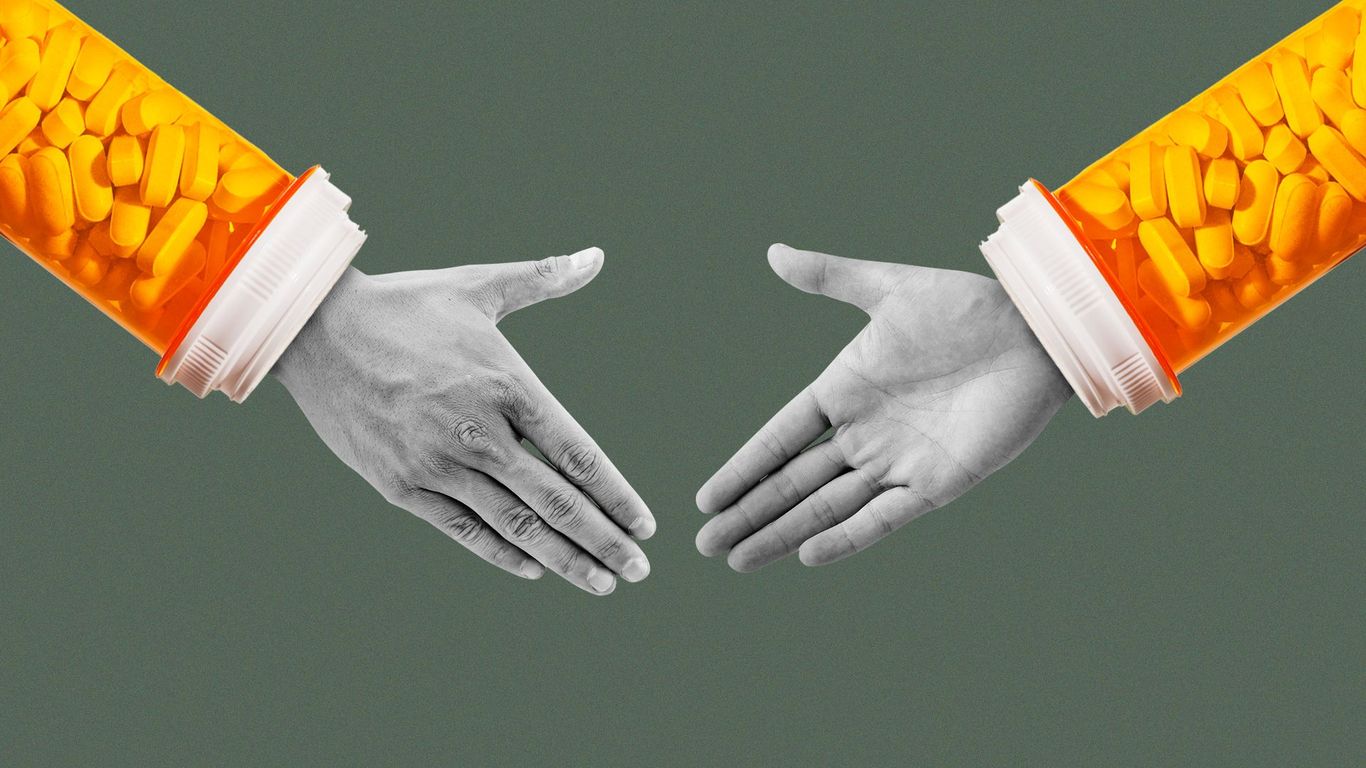
Eli Lilly has announced a significant cut in the cash prices for its weight loss drug Zepbound vials available through its direct-to-consumer site. The move lowers costs to $499 or less per month for eligible adults with obesity who pay out-of-pocket, marking a substantial decrease from previous prices that approached $1,000. This price adjustment applies specifically to vials used in the “Zepbound Self Pay Journey Program” and excludes single-dose pens.
Context and Industry Impact
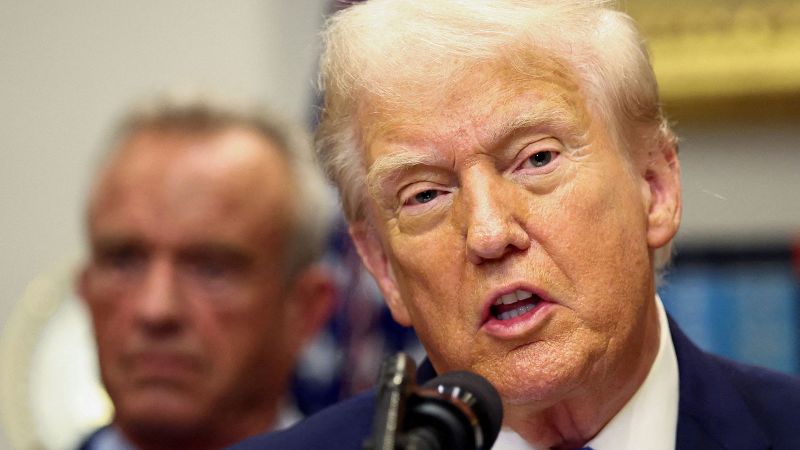
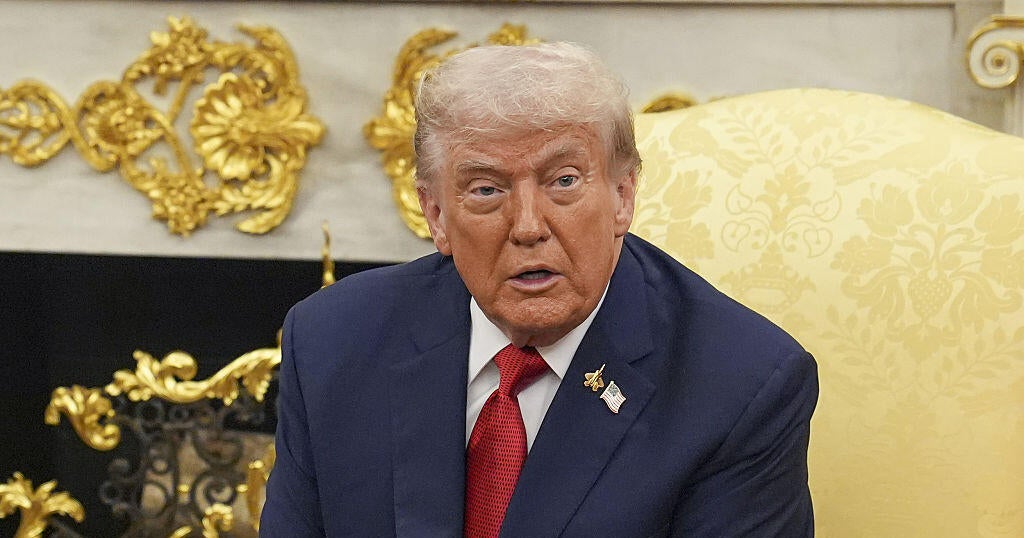
This pricing shift comes amid increased political pressure to improve affordability of GLP-1 obesity medications. Shortly before, President Donald Trump secured deals with Eli Lilly and Novo Nordisk to broaden access and lower costs for these drugs. Rival Novo Nordisk also lowered prices on its Wegovy medication, intensifying competition and making these treatments more accessible to uninsured Americans.
Access and Future Outlook
By offering more dose options and reducing prices, Eli Lilly aims to attract patients away from compounded alternatives. While still costly, these changes coincide with easing supply shortages, enhancing availability. This development signals a growing industry trend toward affordability in prescription weight loss therapies.
About the People Mentioned
Donald Trump
Donald John Trump, born June 14, 1946, in Queens, New York, is an American businessman, media personality, and politician. He graduated from the University of Pennsylvania’s Wharton School in 1968 with a degree in economics. In 1971, he took over his family’s real estate business, renaming it the Trump Organization, through which he expanded into building and managing skyscrapers, hotels, casinos, and golf courses. Trump gained widespread fame as the host of the reality TV show *The Apprentice* from 2004 to 2015, which helped establish his public persona as a successful entrepreneur. Trump entered politics as a Republican and was elected the 45th president of the United States, serving from 2017 to 2021. His presidency was marked by significant policy actions including tax cuts, deregulation, the appointment of three Supreme Court justices, renegotiation of trade agreements (notably replacing NAFTA with the USMCA), and a focus on immigration control including border wall expansion. He withdrew the U.S. from international agreements such as the Paris Climate Accord and the Iran nuclear deal, and engaged in a trade war with China. His administration’s response to the COVID-19 pandemic was criticized for downplaying the virus’s severity. Trump was impeached twice by the House of Representatives—first in 2019 for abuse of power and obstruction, and again in 2021 for incitement of insurrection—but was acquitted by the Senate both times. After losing the 2020 election to Joe Biden, Trump challenged the results, culminating in the January 6, 2021, Capitol riot. He remains a central figure in American politics, having won the 2024 presidential election and returned as the 47th president in 2025, continuing to promote policies aimed at economic growth, border security, and military strength[1][2][3][4].
About the Organizations Mentioned
Eli Lilly
Eli Lilly and Company is a leading global pharmaceutical and biomedical corporation founded in 1876 by Colonel Eli Lilly in Indianapolis, Indiana. The company is renowned for its commitment to scientific innovation and high-quality medicines that improve human and animal health worldwide[1][4][6]. From its origins as a small drug manufacturer, Lilly has grown into one of the largest research-based pharma companies, employing over 42,900 people as of 2023 and operating in more than 125 countries[1][2]. A landmark in Lilly’s history was its pioneering role in commercializing insulin in the early 1920s, making it the first company to mass-produce this life-saving therapy for diabetes following its discovery in Toronto. This breakthrough not only transformed diabetes care but established Lilly as a global leader in biologic medicines[2][3]. The company also played a critical role in public health by mass-producing the polio vaccine developed by Jonas Salk in 1955, contributing significantly to the control of this once-devastating disease[2][3]. Throughout the 20th century, Eli Lilly developed several blockbuster drugs that shaped modern medicine, including Prozac (fluoxetine), one of the first widely used antidepressants introduced in 1986; Zyprexa (olanzapine), an antipsychotic launched in 1996; and Cymbalta (duloxetine), used for depression and anxiety, introduced in 2004[2][3]. More recently, Lilly has expanded its leadership in metabolic health with innovative therapies such as Trulicity, Mounjaro, and Zepbound, targeting diabetes and obesity[1][2][3]. Eli Lilly’s mission integrates scientific discovery with a strong ethical framework emphasizing integrity, excellence, and respect for people. Its philanthropic arm, the Lilly Endowment, founded in 1937, supports community and educational initiatives[3][4]. Today, Lilly remains at the forefront of pharmaceutical innovation, wit
Novo Nordisk
## Overview Novo Nordisk is a global healthcare leader headquartered in Denmark, renowned for its pioneering work in diabetes care and its expanding portfolio in obesity, rare diseases, and cardiovascular treatments[1][7]. Founded in 1923, the company today employs over 78,000 people across 80 countries, serving more than 45 million people worldwide with its medicines[1][7]. Novo Nordisk’s mission is to drive change to defeat serious chronic diseases, building on a century of innovation in protein-based therapies[1][6]. ## History and Origins The story of Novo Nordisk began with the discovery of insulin in 1921. Danish Nobel laureate August Krogh, inspired by his wife’s diabetes diagnosis, secured rights to produce insulin in Denmark, leading to the establishment of Nordisk Insulinlaboratorium in 1923[2][3]. Competition soon arose when the Pedersen brothers, former employees, founded Novo Terapeutisk Laboratorium in 1925[2]. For decades, these two companies competed fiercely, both contributing significantly to diabetes care and medical research. In 1989, they merged to form Novo Nordisk A/S, creating one of the world’s largest and most successful pharmaceutical manufacturers[2][4]. ## Key Achievements Novo Nordisk has been at the forefront of diabetes treatment innovation, developing advanced insulin formulations and delivery systems that have transformed patient care[2][5]. Beyond diabetes, the company has expanded into obesity therapies, rare blood disorders, and cardiovascular disease, consistently investing heavily in research and development—over 52 billion DKK in 2024 alone[1]. Its products are now used by millions globally, and the company maintains a robust pipeline of new therapies. ## Current Status As of 2024, Novo Nordisk reported net sales of 290.4 billion DKK and a net profit of 100.1 billion DKK, reflecting strong global demand, particularly for it