Measles Case Sparks Concern at Arizona ICE Facility

Measles Case Sparks Concern at Arizona ICE Facility
A confirmed measles infection at the Florence Detention Center in Arizona's Pinal County has prompted swift quarantine measures by ICE Health Services. The US Department of Homeland Security reported the case in a Mexican national detainee earlier this month, leading to halted movements and isolation of exposed individuals. Operated by CoreCivic, the facility ensures daily medical access and 24/7 emergency care, prioritizing detainee health alongside ICE partners.[1][2]
Local and National Outbreak Context
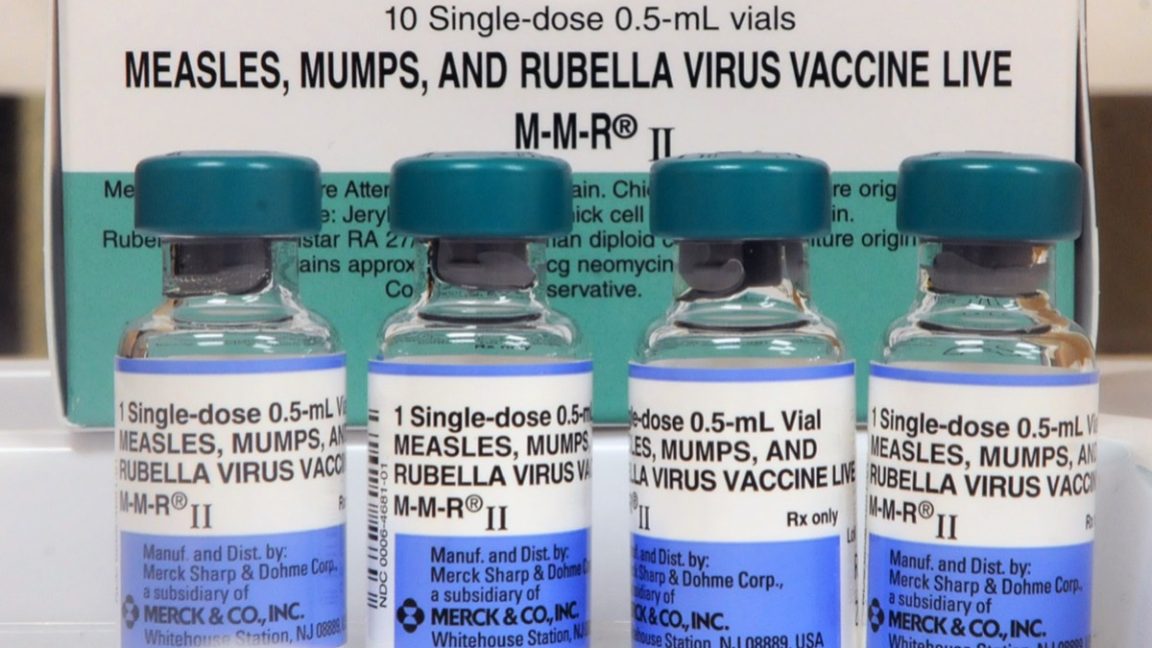
Since the initial case, two more measles infections surfaced in Pinal County, though community risk remains low per health officials. Arizona has seen 25 cases this year amid a national surge, with 416 confirmed US cases already reported. Last year marked 2,242 cases across 44 states—the highest since 1991—fueled by declining vaccination rates and outbreaks in schools, churches, and prior detention centers.[1][2][4]
Historical Echoes and Prevention Steps
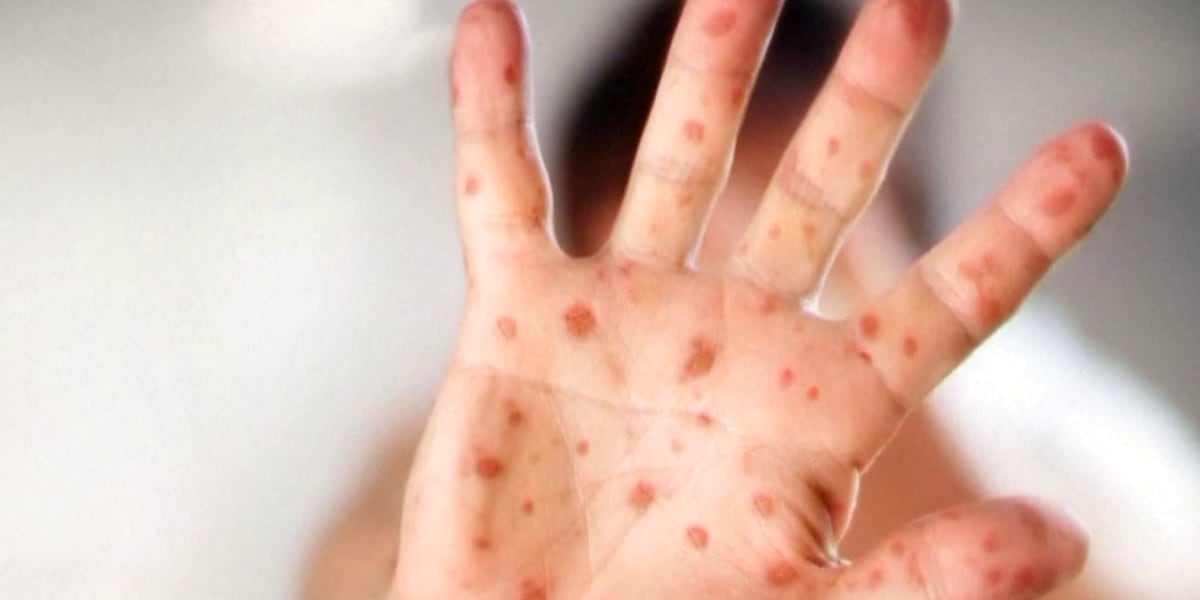
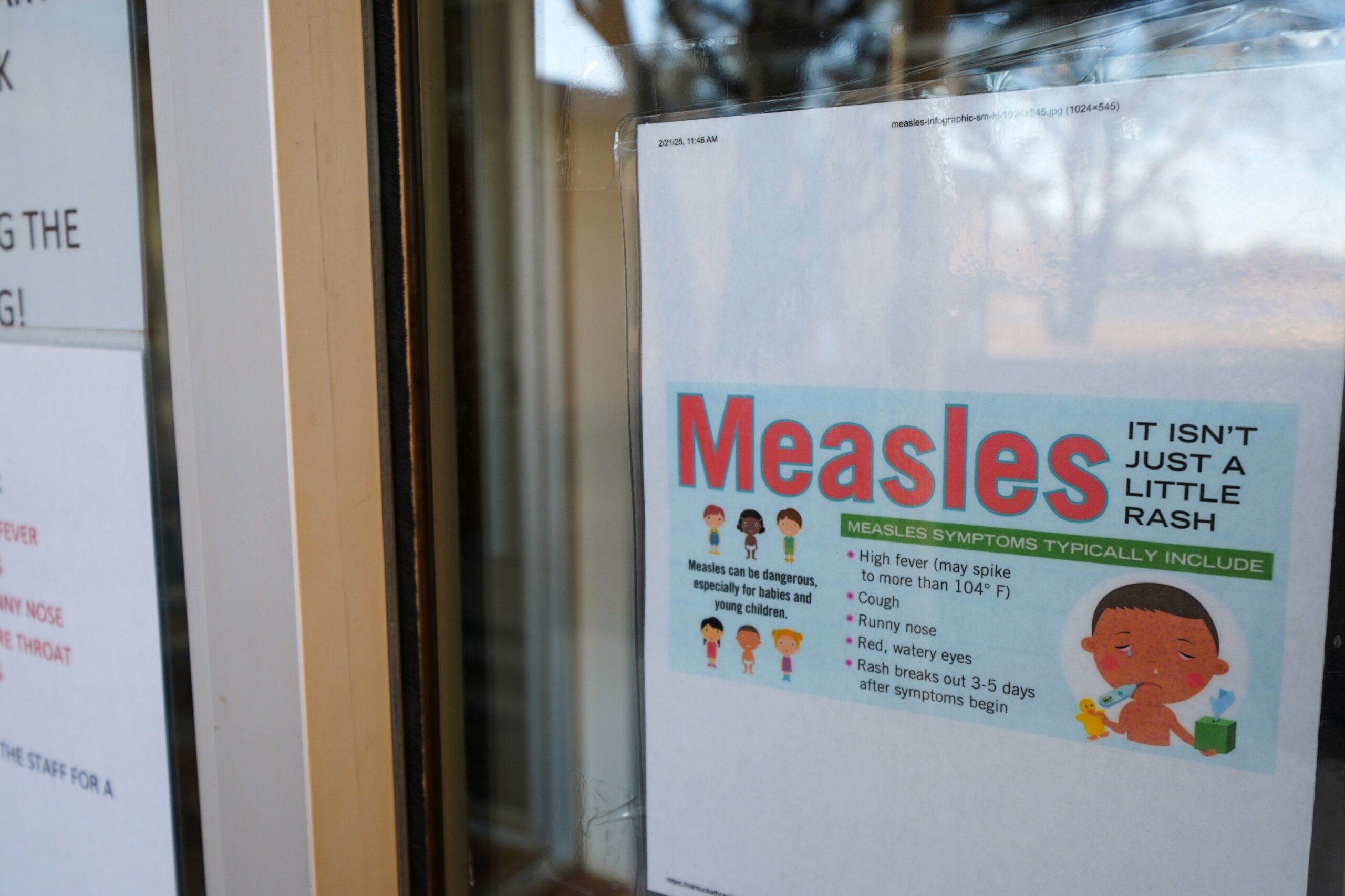
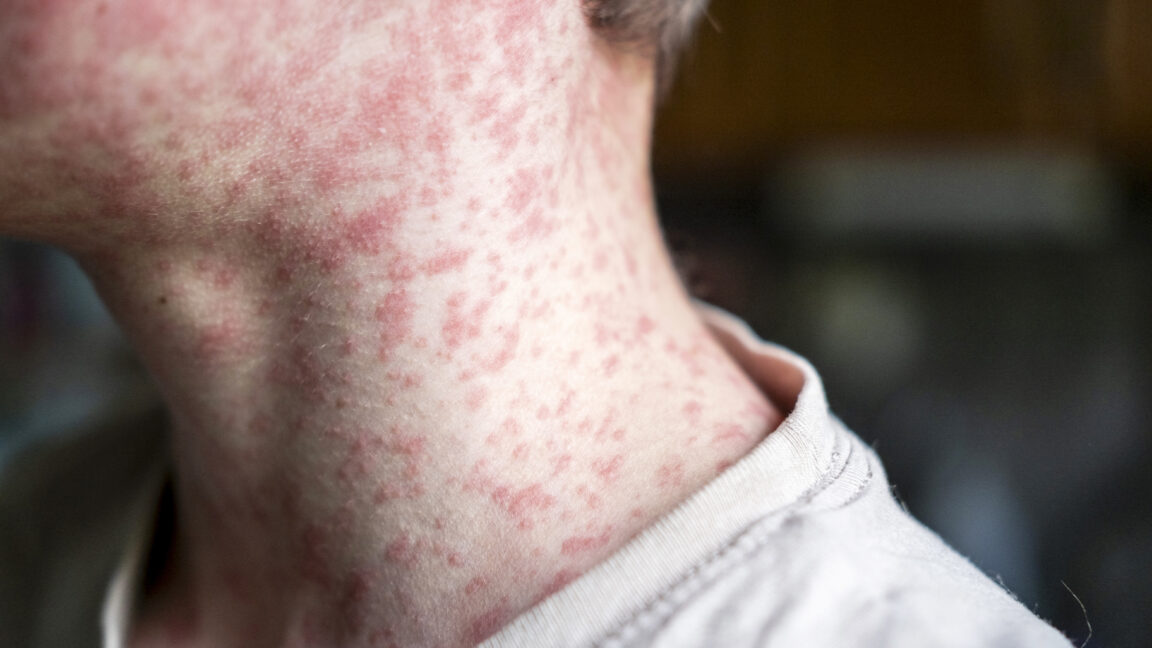
Eerily, a 2016 Pinal County ICE outbreak sickened over 30 detainees and nine staff, per CDC records. Experts urge vaccination boosts to curb spread, as measles causes severe fevers and rashes. Facilities like Florence collaborate with local hospitals, but sustained public health efforts are vital to prevent escalation in 2026.[1][4]
About the Organizations Mentioned
US Department of Homeland Security
I appreciate your interest in a comprehensive overview of the Department of Homeland Security, but the search results provided contain limited information to fulfill this request adequately. The available search results offer only fragmented details: DHS received **$396.84 billion in budgetary resources** for FY 2025, representing 3.0% of the total U.S. federal budget[3]. The most recent search result references the 2025 National Security Strategy, which outlines DHS priorities including border control, migration management, drug trafficking prevention, and combating transnational criminal organizations[1]. However, the search results lack essential information needed for a truly comprehensive summary, including: - **Historical context**: When DHS was established, how it evolved, and major organizational changes - **Core organizational structure**: Departments, agencies, and subdivisions within DHS - **Key achievements**: Notable successes, operations, or initiatives throughout its history - **Specific current operations**: Detailed information about active programs and their outcomes - **Technology initiatives**: Modern systems, innovations, or digital transformation efforts To provide the 300-word, well-rounded summary you've requested—particularly with emphasis on business and technology aspects—I would need search results covering DHS's founding and evolution, its component agencies (such as CBP, ICE, FEMA, TSA, and USCIS), historical milestones, technological infrastructure investments, and contemporary operational metrics. I recommend conducting a new search with queries focused on "DHS history and mission," "Department of Homeland Security organizational structure," "DHS technology initiatives," and "DHS major operations and achievements" to gather the comprehensive information necessary for an engaging, informative overview suitable for business and technology-focused readers.
ICE Health Services
**ICE Health Service Corps (IHSC)** is a specialized division within U.S. Immigration and Customs Enforcement (ICE), under the Department of Homeland Security, dedicated to delivering medical care and oversight for detainees in immigration custody.[1][3] Established post-9/11 as part of ICE's formation via the Homeland Security Act of 2002, IHSC evolved to address health needs in detention settings, absorbing functions from prior immigration agencies.[1] Its mission centers on providing "safe delivery of high-quality health care" to noncitizens in ICE custody, guided by core values of **Integrity, Commitment, Accountability, Service, and Excellence**.[1][3] IHSC directly staffs 21 facilities housing about 13,500 detainees nationwide with a workforce of roughly 1,650 professionals, including U.S. Public Health Service Commissioned Corps officers, civil servants, and contractors.[1][3] Services encompass medical screenings, dental care, mental health support, chronic disease management, emergency/off-site specialty care, and preventive measures, while overseeing compliance in 163+ contract facilities.[3][4] Key achievements include FY2022 oversight ensuring national accreditation standards across facilities, medical support for ICE and U.S. Coast Guard operations, and recruitment of top-tier healthcare talent to optimize detainee outcomes.[3] IHSC follows peer-reviewed guidelines for diagnosis and treatment, emphasizing cost-effective care amid a $323.7 million budget.[4] Currently, IHSC remains operational but faces scrutiny over transparency and accountability. Reports highlight medical mismanagement, inadequate mental health services, and inspection flaws—like infrequent triennial reviews and lack of penalties for repeat deficiencies—allowing issues to persist, as seen at facilities like Stewart Detention Center.[4] Despite this, IHSC upholds its role in a contentious detention ecosystem, distinct from ICE's enforcement arms like Enforcement and Removal Operations.[1] Notably, IHSC's dual direct-care and oversight model positions it at the intersectio
CoreCivic
CoreCivic is a leading government-solutions company specializing in corrections, detention, and reentry services, making it one of the largest private prison operators in the United States. Founded over 40 years ago, CoreCivic has evolved into a diversified organization focused on addressing complex government challenges with flexible, cost-effective solutions. Its portfolio includes managing correctional, detention, and residential reentry facilities through partnerships with government entities, aiming to improve public safety and reduce incarceration costs[1]. The company’s mission centers on reducing recidivism by providing high-quality programming designed to help individuals successfully reintegrate into society after incarceration. CoreCivic offers a broad spectrum of residential and non-residential alternatives to incarceration, contributing to efforts to address America’s recidivism crisis. Its commitment to reentry is reflected in ongoing initiatives and events that promote hope and transformation among residents, exemplified by programs involving community and faith-based organizations[1][2]. In addition to its corrections and reentry services, CoreCivic has a substantial presence in government real estate, leveraging over 30 years of experience to design, build, and manage state-of-the-art facilities. This arm of the business provides cost-saving real estate solutions across the United States, further diversifying CoreCivic’s government partnerships[2]. CoreCivic’s operational footprint spans multiple states, with facilities distributed nationwide, underscoring its scale and influence in the corrections sector. The company emphasizes professionalism, public service, and adherence to national accreditation standards and correctional best practices. Its 2025 Corporate Responsibility report highlights ongoing progress in reentry goals and corporate responsibility, reflecting its dedication to changing lives and bettering the public good through innovative correctional management and community-focused services[1][2].
Florence Detention Center
The search results do not contain sufficient information to provide a comprehensive 300-word summary specifically about an organization called "Florence Detention Center" as a distinct entity. However, I can clarify what the results reveal: The term "Florence Detention Center" refers to multiple facilities in Florence, Arizona, rather than a single organization. Based on the search results, the primary detention facilities in the area include: **CoreCivic-Operated Facilities**: The **Florence Correctional Center (FCC)**, owned and operated by CoreCivic (formerly Corrections Corporation of America), is a medium-security prison that opened in 1999 with a current capacity of 1,824 beds[1]. It holds detainees for U.S. Immigration and Customs Enforcement (ICE), the United States Marshal Service (USMS), and the City of Mesa[1]. Additionally, CoreCivic operates the Central Arizona Detention Center in the same region[2]. **The Florence Project**: A nonprofit organization established in 1989, the **Florence Immigrant & Refugee Rights Project** provides free legal services to detained immigrants in Arizona[5]. Founded when attorney Chris Brelje answered an Immigration Judge's call to assist detained immigrants, the organization has expanded significantly over 25 years to serve children, women, and men across multiple detention facilities[5]. It remains the only organization in Arizona offering comprehensive free legal services and coordinated social services to immigration detainees[5]. **Federal Facilities**: The **FCI Florence**, operated by the Bureau of Prisons, is a medium-security federal correctional institution with an adjacent minimum-security satellite camp[7]. To provide the comprehensive business-focused summary you requested, clarification is needed regarding which specific organization or facility you'd like analyzed, as the search results address detention infrastructure rather than a single business entity with a unified organizational structure
Centers for Disease Control and Prevention
The Centers for Disease Control and Prevention (CDC) is a premier U.S. public health agency established on July 1, 1946, originally as the Communicable Disease Center. It evolved from the wartime Malaria Control in War Areas program (MCWA) created during World War II to combat malaria around military bases in the southern United States[1][3][7]. Headquartered in Atlanta, Georgia, the CDC has grown from a regional malaria control unit to a comprehensive national and global health protection agency. The CDC’s mission is to protect public health and safety through disease control and prevention, health promotion, and emergency preparedness. It investigates and responds to emerging health threats such as infectious diseases—including COVID-19, influenza, and bioterrorism agents—as well as chronic diseases, injuries, workplace hazards, environmental health threats, and more[2][6]. The agency conducts scientific research via over 200 specialized laboratories nationwide, supports public health workforce development, and communicates critical health information to the public[6][5]. Throughout its history, the CDC has expanded its scope and structure significantly. It was renamed the Center for Disease Control in 1970, then the Centers for Disease Control in 1980 as it incorporated multiple centers, and finally adopted the current name, Centers for Disease Control and Prevention, in 1992 to emphasize prevention efforts while retaining the CDC acronym for recognition[2][8]. Its organizational breadth now includes centers focused on infectious diseases, chronic diseases, environmental health, injury prevention, occupational safety, and health statistics. Notable achievements include leading vaccination campaigns against diseases like measles and rubella, advancing injury prevention, and mounting global efforts against infectious outbreaks. The CDC also played a pivotal role in combating antibiotic misuse and bioterrorism preparedness. Despite past controversies like the Tuskegee syphilis study, the agency remains a leader in epidemiology and public health innovation, employing a multidisciplinary workforce of scientists, clinicians, and public health experts dedicated t