Bank Rate Cut Sparks Christmas Boost for Borrowers and Savers
#bank_of_england #interest_rates #mortgage_market #inflation #economic_context

Bank Rate Cut: A Christmas Boost
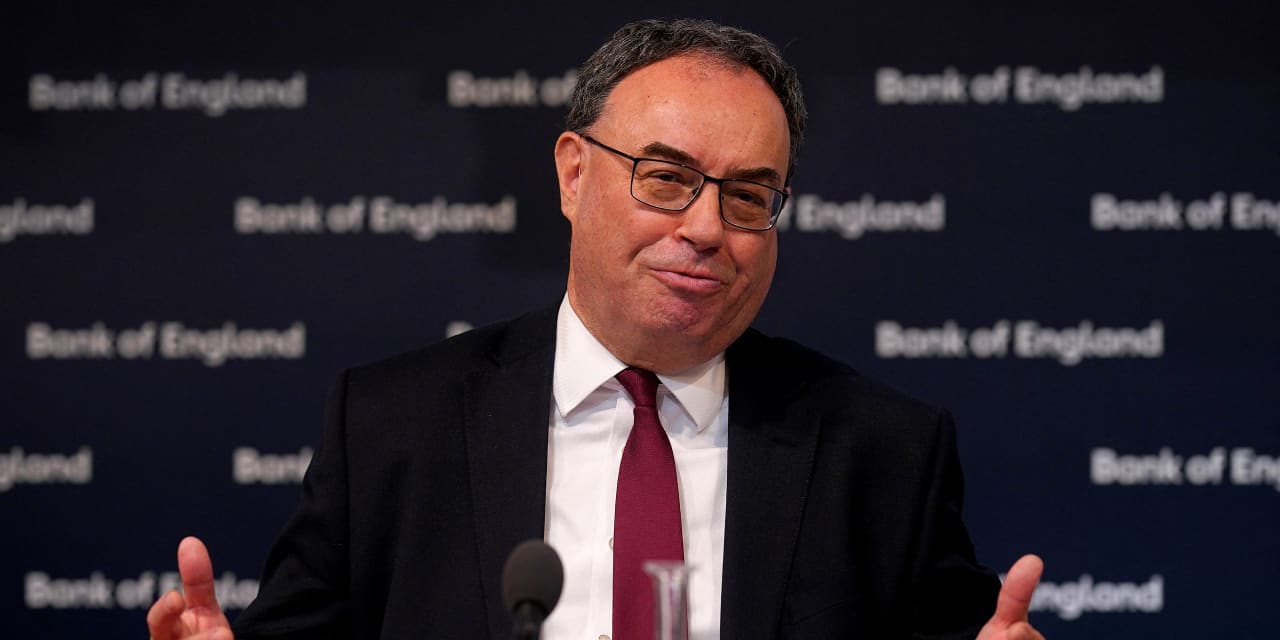
The Bank of England reduced its base rate from 4% to 3.75% in December 2025, a move designed to ease borrowing costs and reflect cooling inflationary pressure while the Monetary Policy Committee split on the decision.
What it means for households
Lower rates usually translate into cheaper variable-rate mortgages and a likely modest fall in some savings rates, prompting borrowers to consider remortgaging or fixing now while lenders adjust offers; savers should review accounts for better yields and weigh certainty against potential future rises.
Wider economic context
The cut signals the Bank’s confidence that inflation is trending toward target and could support housing activity and consumer spending, though close monitoring is needed since market reactions, lender pricing and the balance of MPC views will shape the pace of any further easing in 2026.
About the Organizations Mentioned
Bank of England
The **Bank of England** is the central bank of the United Kingdom, established in 1694 by an act of Parliament primarily to raise funds for the English government to wage war against France. It was initially incorporated as a joint-stock bank with limited liability and granted a royal charter, giving it unique privileges, including a monopoly on issuing banknotes within London until the 19th century[1][2]. Its headquarters are located in the City of London, on Threadneedle Street, a site it has occupied since the 1730s[1]. Historically, the Bank of England evolved from a government debt manager and banker into a central bank with broader responsibilities. By the 19th century, it undertook key central banking roles such as printing legal tender, acting as lender of last resort, and safeguarding the nation's gold reserves[1]. The 1844 Bank Charter Act was a landmark, granting the Bank a monopoly on note issuance in England and Wales and establishing that notes be backed by gold, laying the foundation for the gold standard and long-term price stability[3]. The Bank's role expanded over time to include maintaining monetary and financial stability in the UK. It became the government's banker and debt manager, managing government accounts and loans[3]. In 1997, it was granted operational independence over monetary policy, with its Monetary Policy Committee setting interest rates to maintain a 2% inflation target, thus enhancing its credibility and effectiveness[5]. Key achievements include its pioneering role in managing national debt, establishing the gold standard, and acting as a lender of last resort during financial crises. The Bank also leads financial stability efforts, providing a backstop for the banking system during panics[3][4]. Today, the Bank of England remains a foundational institution in UK finance, balancing traditional central banking functions with modern challenges in monetary policy, financial regulation, and technology innovation. It also issues UK banknotes, manages gold reserves, and continues to support economic stability in a comple
Monetary Policy Committee
The **Monetary Policy Committee (MPC)** is a key decision-making body within a country’s central bank responsible for formulating monetary policy, primarily by setting benchmark interest rates such as the repo rate. Its main mission is to control inflation and stabilize the economy by regulating the money supply and borrowing costs. The MPC plays a vital role in maintaining price stability, supporting sustainable economic growth, and managing exchange rates[1][3][4]. The concept of an MPC was introduced to bring transparency, accountability, and collective decision-making into the monetary policy process, which was previously dominated by the central bank governor alone. For example, India’s MPC was constituted under the Reserve Bank of India Act, 1934, to fix policy rates through a committee of experts including the RBI Governor and external members, meeting at least four times annually to publish policy decisions and rationale[1]. Similarly, the Bank of England’s MPC, established in 1997, comprises nine independent members including the Governor and external experts appointed by the government, meeting eight times yearly to set the official Bank Rate and guide monetary policy[3][5][7]. The Federal Reserve's equivalent body is the Federal Open Market Committee (FOMC), which also uses tools like open market operations and reserve requirements to influence the economy[6]. Key achievements of MPCs worldwide include institutionalizing systematic inflation targeting, enhancing policy transparency through published minutes and forward guidance, and improving economic stability by effectively managing interest rates during financial crises and growth cycles. For instance, the UK's MPC has been credited with anchoring inflation expectations and contributing to economic resilience through careful rate adjustments and quantitative easing measures[3][7]. Notable aspects of MPCs include their independence from direct political influence, the diversity of expertise among members, and their use of a broad data set to forecast inflation and economic trends with a medium-term perspective. They communicate decisions publicly to provide clarity and reduce market uncertainty, making them central to modern economic governance[1][4][5]. The