Bela Fleck Cancels Kennedy Center Performances

Béla Fleck Cancels Kennedy Center Performances
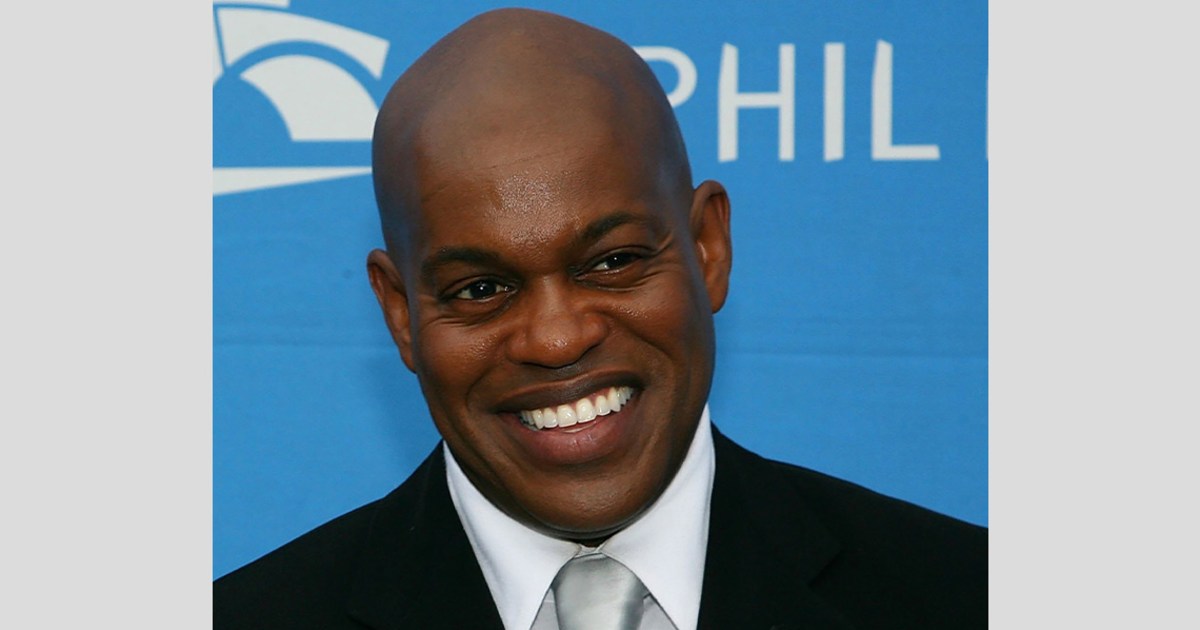
Renowned banjo virtuoso Béla Fleck has announced the cancellation of his upcoming Kennedy Center concerts scheduled for mid-February. The 17-time Grammy Award winner was set to collaborate with the National Symphony Orchestra for three highly anticipated performances. This cancellation marks another notable absence in the cultural calendar, disappointing fans eager to witness the legendary musician's masterful interpretation of classical and contemporary compositions.
Impact on Classical Music Events
The cancellation reflects ongoing challenges within the performing arts landscape. Fleck's withdrawal from the Kennedy Center represents a significant loss for audiences seeking world-class instrumental performances. The banjo maestro's innovative approach to his instrument has consistently captivated audiences and redefined genre boundaries throughout his illustrious career.
Looking Forward
While specific reasons for the cancellation remain under consideration, the music community continues adapting to evolving circumstances. Fans anticipate future opportunities to experience Fleck's extraordinary artistry and his unique collaborations with prestigious orchestras.
```About the Organizations Mentioned
Kennedy Center
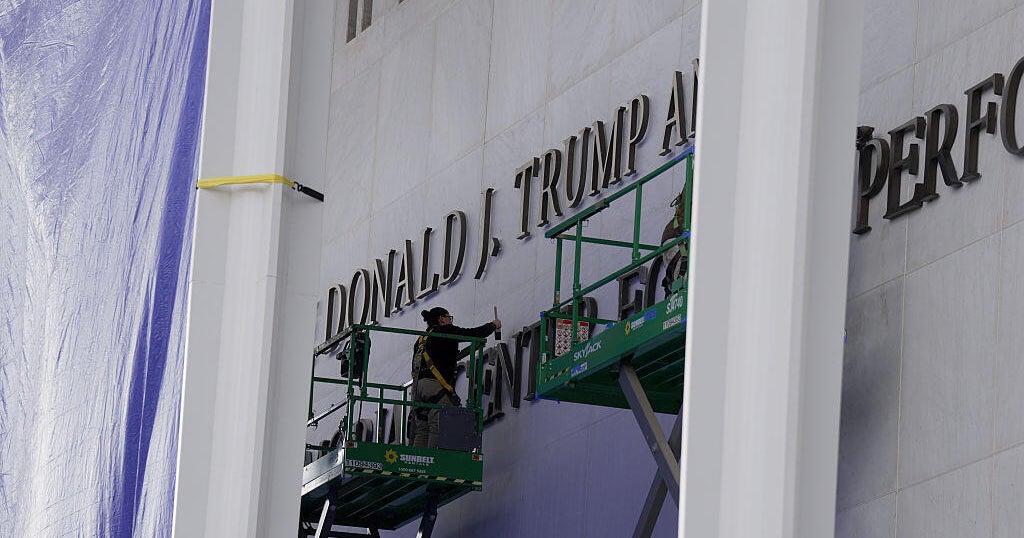
The **John F. Kennedy Center for the Performing Arts** is the United States' national cultural center, located on the Potomac River in Washington, D.C., and serves as a living memorial to President John F. Kennedy. Established by an Act of Congress in 1964 and opened in 1971, the Kennedy Center presents a diverse range of performing arts including classical and contemporary music, opera, drama, dance, jazz, pop, and folk music, showcasing both American and international artists[1][2][4]. It is the official home of the National Symphony Orchestra and the Washington National Opera[2][3]. The center operates as a public-private partnership, funded largely through private donations, ticket sales, and corporate gifts, with federal funding designated primarily for building maintenance and operations[2]. Architect Edward Durell Stone designed the original building, characterized by its monumental white marble façade and grand interior spaces such as the 630-foot Grand Foyer and the acoustically renowned Concert Hall with a seating capacity of 2,460[2][3]. A significant recent development is **The REACH**, an expansion opened in 2019 designed by Steven Holl Architects. This addition transforms the center into a “living theater” by providing flexible indoor and outdoor spaces for rehearsal, education, and community engagement, blending architecture with landscape. The REACH includes art studios, performance spaces, and a reflective landscape honoring JFK’s legacy through symbolic elements like a grove of 35 ginkgo trees and a reflecting pool inspired by his WWII boat, PT109[1][5]. The Kennedy Center also offers extensive educational and outreach programs aimed at cultural enrichment and diversity, maintaining a commitment to artistic excellence[4]. Its venues are available for public and private events, and it features dining options and art-themed retail shops[3]. As of 2025, the center’s leadership includes President Andy Pharoah and Artistic Director Francesca Zambello, continuing its role as
National Symphony Orchestra
The **National Symphony Orchestra (NSO)** is the flagship American symphony orchestra based in **Washington, D.C.**, serving as the resident orchestra of the **John F. Kennedy Center for the Performing Arts** and a key cultural asset closely tied to national life and public broadcasting.[3][6] Founded in **1931** by Dutch‑American cellist **Hans Kindler**, its mission from the outset was to create an ensemble “worthy of the nation’s capital,” elevating Washington from one of the few major world capitals without a professional orchestra to a globally respected musical center.[2][7] In its early years, the NSO operated on **lean economics**, paying musicians about **$40 per week** during the Depression era for three rehearsals and one concert, while Kindler relied heavily on local and regional talent.[2][3] Over time, the orchestra attracted distinguished music directors including **Howard Mitchell, Antal Doráti, Mstislav Rostropovich, Leonard Slatkin, Christoph Eschenbach**, and currently **Gianandrea Noseda**, whose leadership has driven a new wave of critical acclaim, touring, and recording activity.[1][3][5] The NSO’s **key achievements** include its long-running role in **televised national events** such as Memorial Day and Independence Day concerts from the U.S. Capitol, and its early and sustained presence at **Carnegie Hall**, where it has delivered dozens of performances and numerous New York premieres since 1941.[4][7] It has a strong record of **commissioning new music**, funding more than **50 original works** via the John and June Hechinger Commissioning Fund, and has launched initiatives such as the **National Conducting Institute** to cultivate future artistic leadership.[3][6] Technologically and strategically, the NSO has moved aggressively into the **digital and recordings business**, launching its own label in