Trump-Kennedy Center Rebrand Sparks Jazz Concert Cancellation
Trump-Kennedy Center Rebrand Sparks Jazz Concert Cancellation
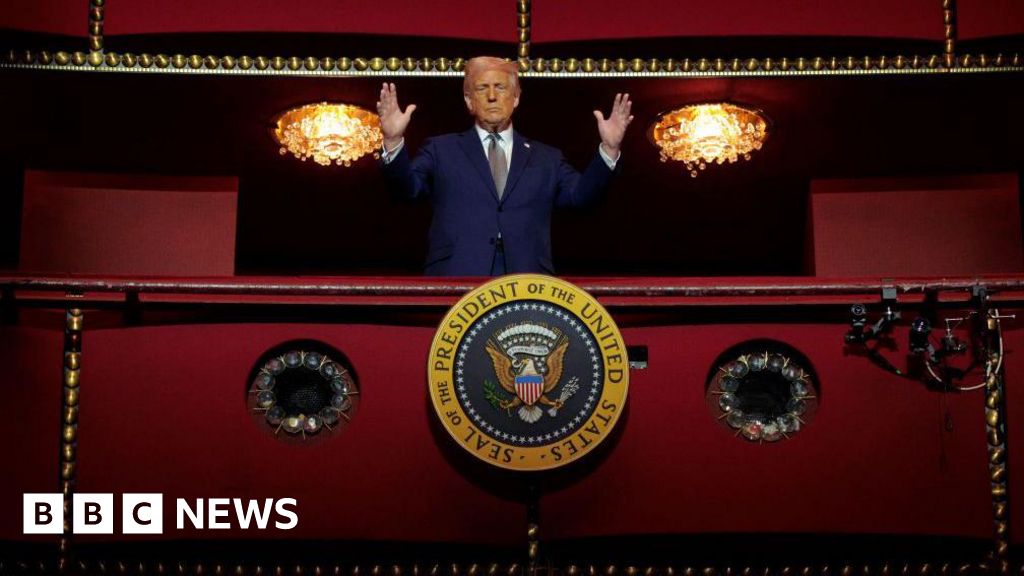
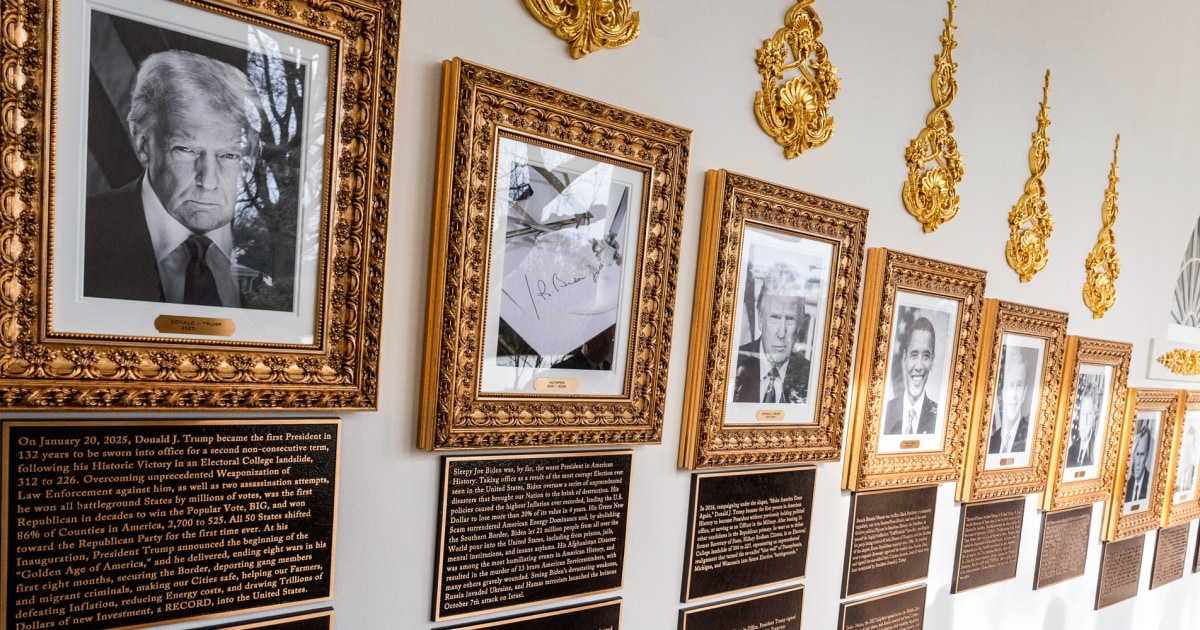
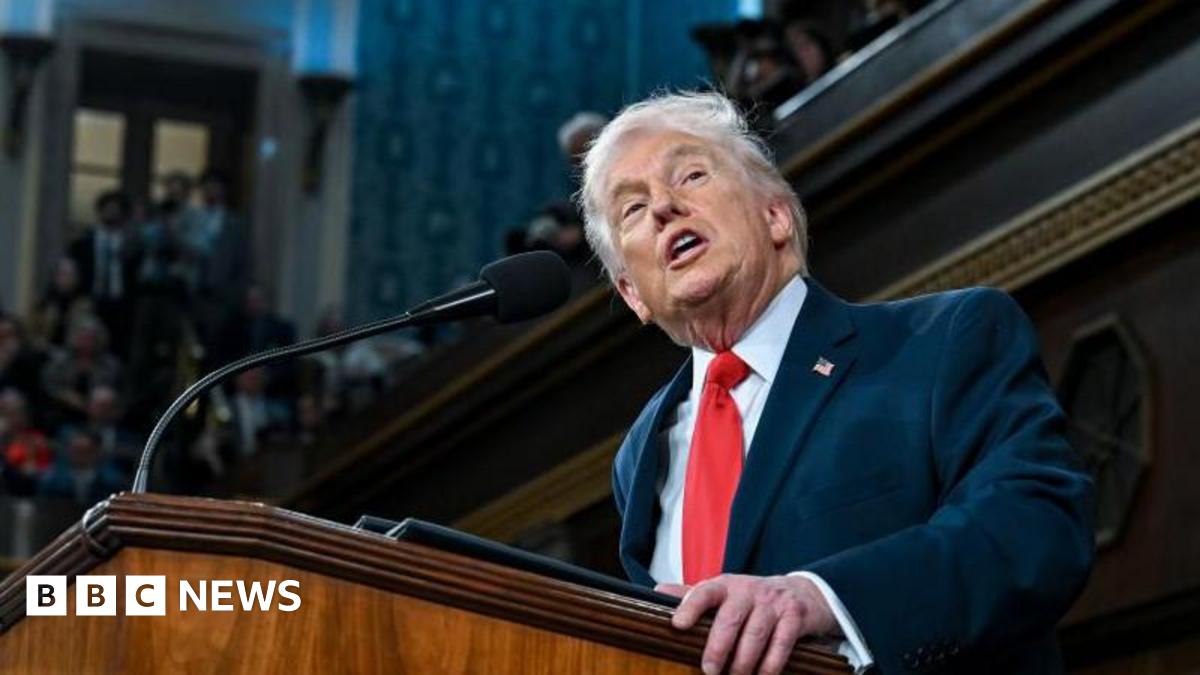
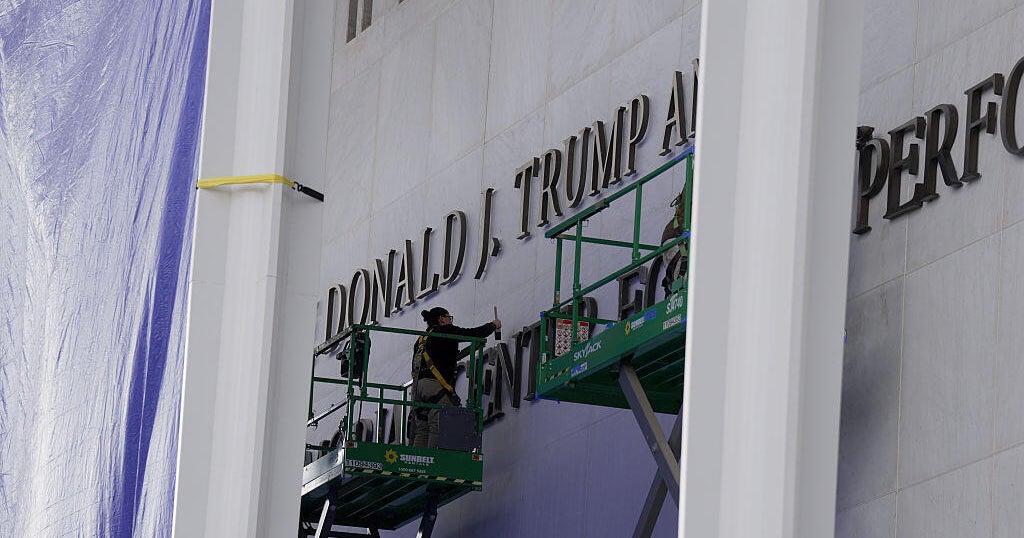
A cherished Christmas Eve jazz concert at the Kennedy Center was abruptly canceled, igniting a firestorm of political controversy. Renowned drummer and vibraphonist Chuck Redd pulled the plug on his annual holiday Jazz Jam just before showtime on Wednesday. The trigger? The venue's sudden rebranding to the Trump-Kennedy Center, prominently displayed on its website. Redd's decision transformed a festive tradition into a battleground for partisan divides.
Musician's Protest and MAGA Backlash
In his candid statement, Redd cited discomfort with the name change as the core reason for canceling, refusing to perform under the updated banner. Trump supporters erupted online, branding the move as peak "Trump Derangement Syndrome" or TDS. Social media exploded with boycott demands, viral memes, and scathing insults, turning one artist's stand into a rallying cry for MAGA outrage. Critics accused Redd of letting politics ruin holiday cheer for fans.
Wider Implications for Culture Wars
This clash underscores deepening cultural rifts, where even jazz nights fall prey to national polarization. As the Trump-Kennedy Center moniker stirs debate, questions arise about art's role amid political symbolism. Will future events face similar fates, or can venues reclaim neutrality? The incident highlights how branding battles amplify voices on both sides.
About the Organizations Mentioned
Kennedy Center
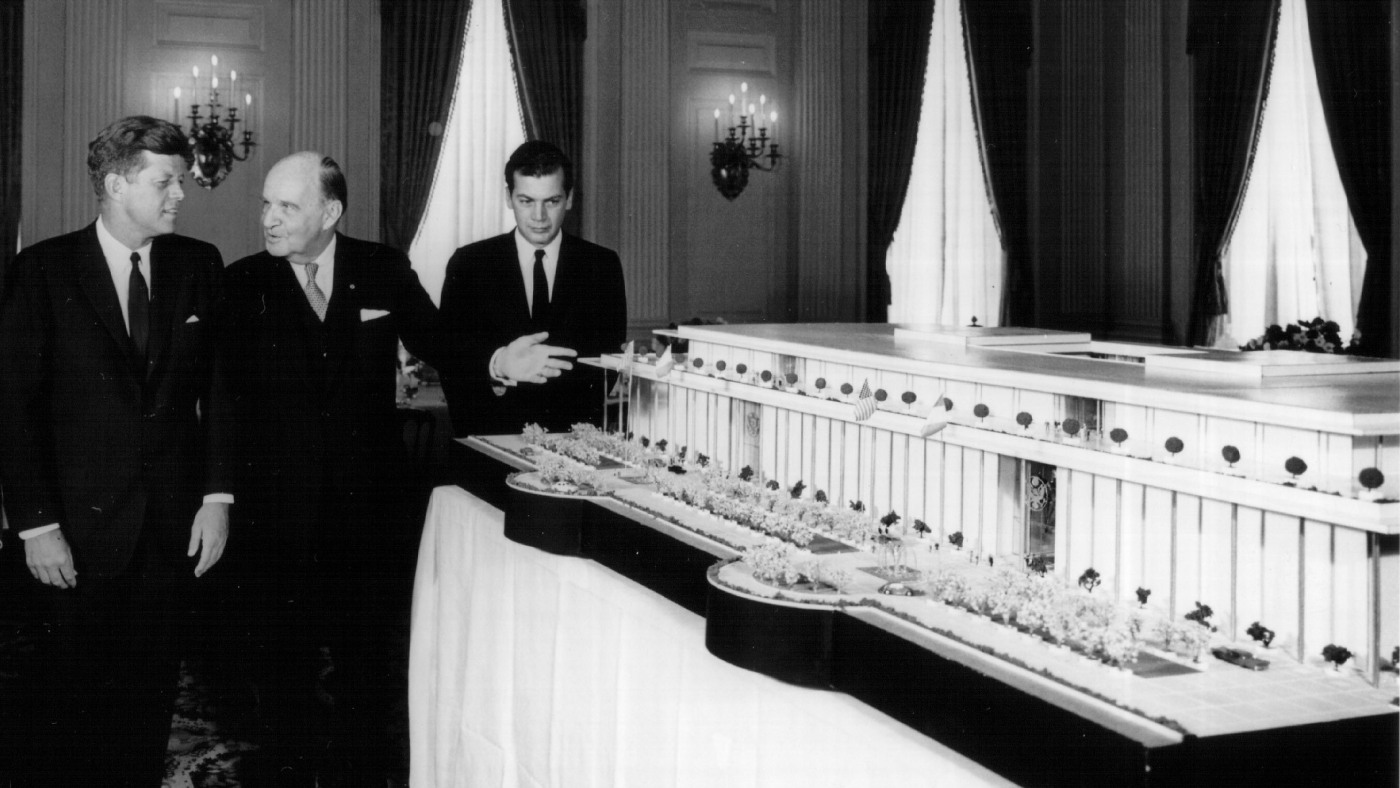
The **John F. Kennedy Center for the Performing Arts** is the United States' national cultural center, located on the Potomac River in Washington, D.C., and serves as a living memorial to President John F. Kennedy. Established by an Act of Congress in 1964 and opened in 1971, the Kennedy Center presents a diverse range of performing arts including classical and contemporary music, opera, drama, dance, jazz, pop, and folk music, showcasing both American and international artists[1][2][4]. It is the official home of the National Symphony Orchestra and the Washington National Opera[2][3]. The center operates as a public-private partnership, funded largely through private donations, ticket sales, and corporate gifts, with federal funding designated primarily for building maintenance and operations[2]. Architect Edward Durell Stone designed the original building, characterized by its monumental white marble façade and grand interior spaces such as the 630-foot Grand Foyer and the acoustically renowned Concert Hall with a seating capacity of 2,460[2][3]. A significant recent development is **The REACH**, an expansion opened in 2019 designed by Steven Holl Architects. This addition transforms the center into a “living theater” by providing flexible indoor and outdoor spaces for rehearsal, education, and community engagement, blending architecture with landscape. The REACH includes art studios, performance spaces, and a reflective landscape honoring JFK’s legacy through symbolic elements like a grove of 35 ginkgo trees and a reflecting pool inspired by his WWII boat, PT109[1][5]. The Kennedy Center also offers extensive educational and outreach programs aimed at cultural enrichment and diversity, maintaining a commitment to artistic excellence[4]. Its venues are available for public and private events, and it features dining options and art-themed retail shops[3]. As of 2025, the center’s leadership includes President Andy Pharoah and Artistic Director Francesca Zambello, continuing its role as