California Braces for More Downpours Amid Soaking Storms
California Braces for More Downpours Amid Soaking Storms
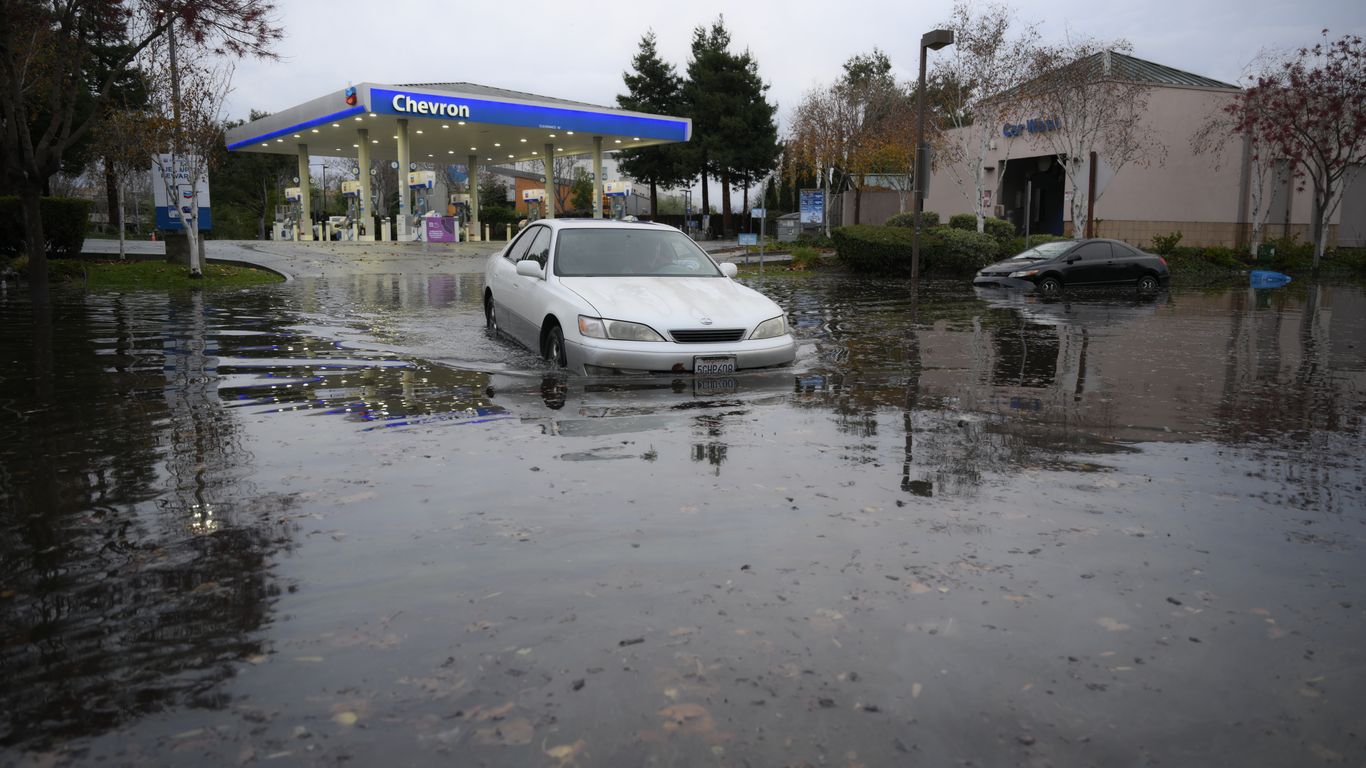
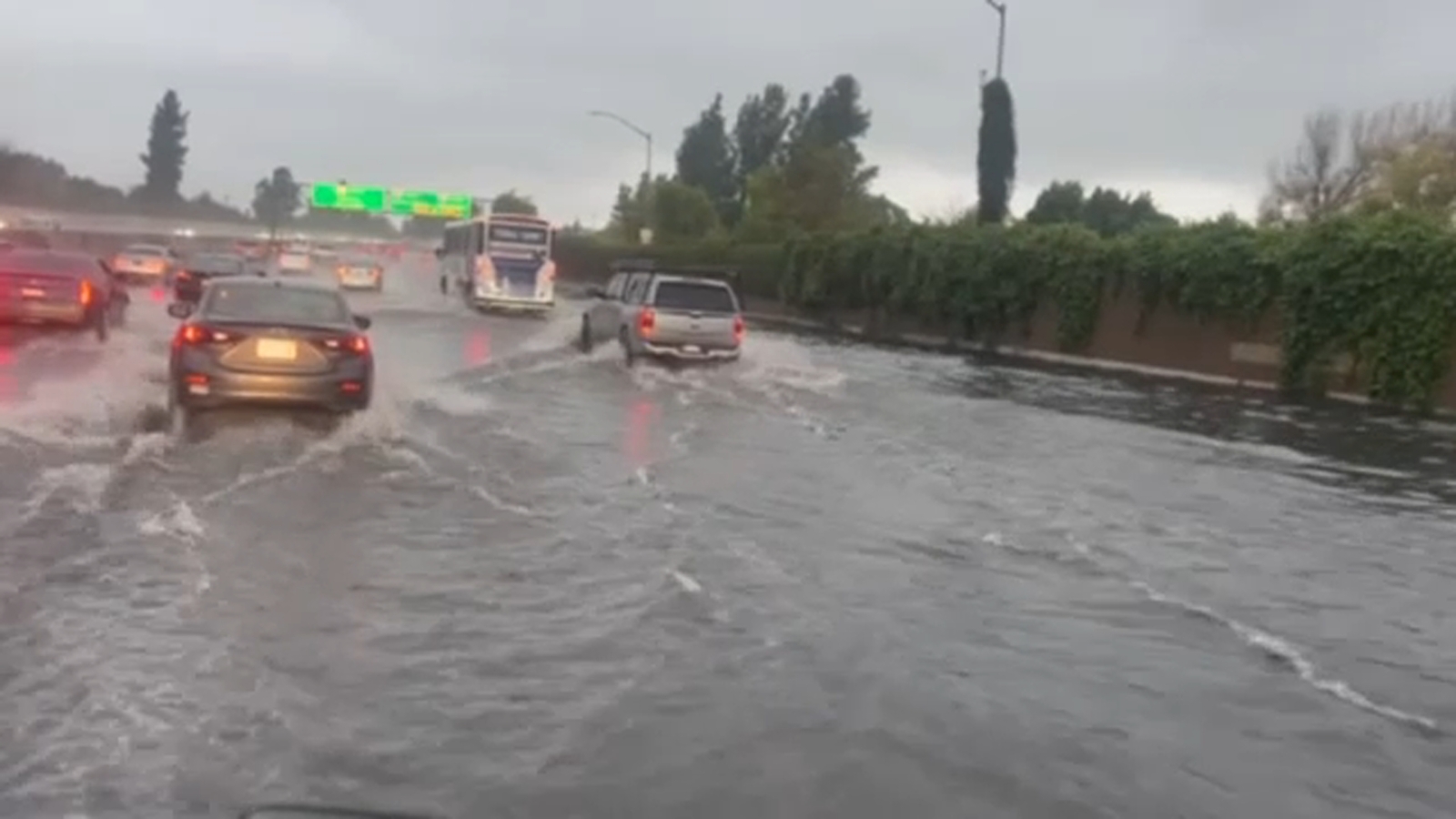
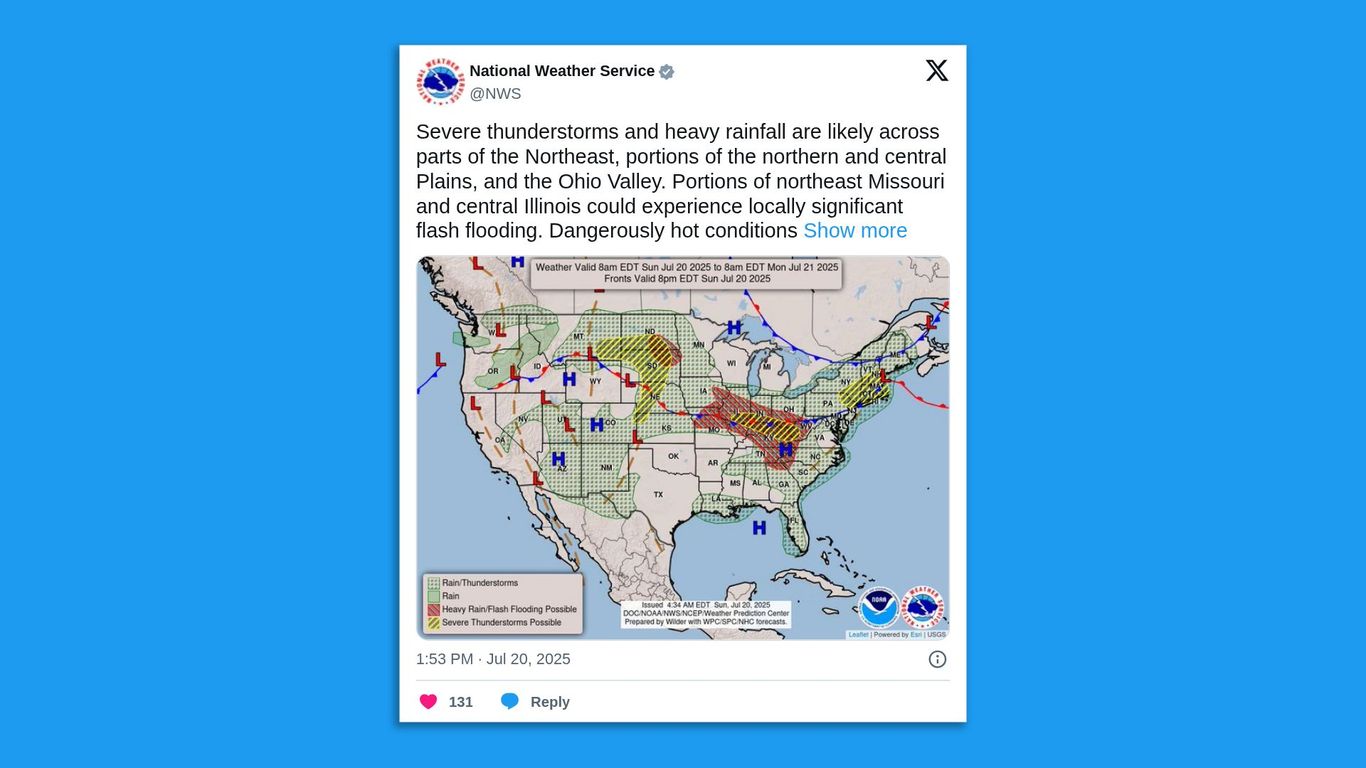
California's already drenched landscapes face intensified rainfall as forecasts predict continued severe weather through the weekend. Following relentless storms on Christmas Day, the National Weather Service warns of a marginal risk for severe thunderstorms along the coast and into central and northern valleys, heightening dangers from saturated soils.[1]
Escalating Risks of Mudslides and Debris Flows
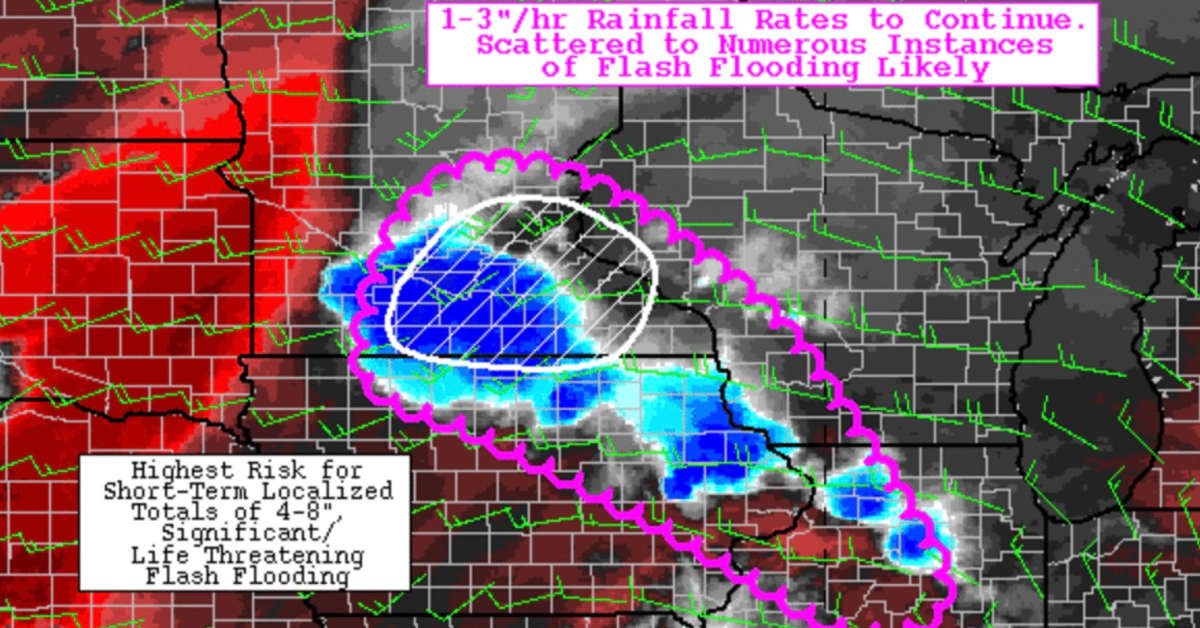
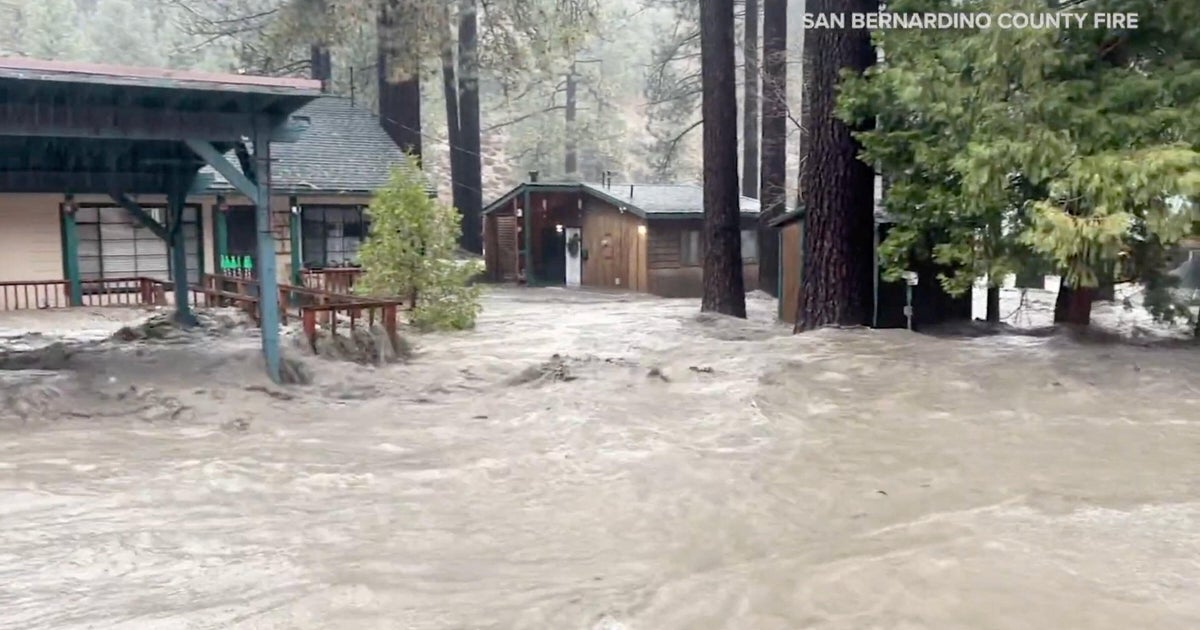
Scattered showers and thunderstorms persist from the Sacramento Valley to southern regions, fueled by steep lapse rates and strong shear that could spawn damaging gusts, hail, and isolated rotation.[1] Recent frontal bands have saturated burn scar areas, amplifying threats of flash flooding, mudslides, and debris flows in vulnerable spots like coastal counties and LA metro zones.[2] Officials urge evacuations in high-risk zones to avert repeats of past disasters.
Staying Safe in the Storm's Path
Residents should monitor alerts closely, avoid travel near rivers and hillsides, and prepare emergency kits as this persistent trough delivers rain into Friday.[1][2] Proactive measures now can safeguard lives and property amid nature's fury.
About the Organizations Mentioned
National Weather Service
The **National Weather Service (NWS)** is a U.S. federal agency under the National Oceanic and Atmospheric Administration (NOAA) dedicated to providing weather, hydrologic, and climate forecasts and warnings across the United States, its territories, and adjacent waters. Its primary mission is to protect life and property and enhance the national economy by delivering timely, accurate, and science-based environmental predictions[1][2][5][6]. Founded in the late 1800s, the NWS has evolved into a comprehensive weather monitoring and forecasting organization. It operates through a nationwide infrastructure comprising 122 Weather Forecast Offices (WFOs), 13 River Forecast Centers (RFCs), and 9 specialized national centers including the National Hurricane Center, Storm Prediction Center, and Space Weather Prediction Center, among others[1][3][4]. These centers utilize advanced technology such as Doppler radars (WSR-88D), satellite data, automated surface observing systems, and sophisticated computer models to gather and analyze atmospheric data continuously[7]. Key achievements of the NWS include the development of impact-based decision support services that aid emergency management, aviation, marine operations, and the general public in preparing for hazardous weather events. The agency issues around 1.5 million forecasts and 50,000 warnings annually, significantly contributing to disaster preparedness and response efforts[4][6]. The 2011 Strategic Plan emphasizes building a “Weather-Ready Nation” by leveraging advancements in science and technology to anticipate future service needs and improve societal resilience to weather-related threats[4]. Currently, the NWS employs about 4,800 staff members and operates with a budget nearing $930 million. Its organizational structure includes a Chief Information Officer, Chief Financial Officer, and multiple operational and scientific divisions that ensure continuous innovation and service improvement. The agency’s commitment to integrating hydrologic and climate data with weather forecasting positions it as a critical player in environmental intelligence, supporting both governmental and private sectors[2][3][5