Storm Batters Southern California: Heavy Rain, Winds, and Flooding
Storm Batters Southern California with Heavy Rain and Winds
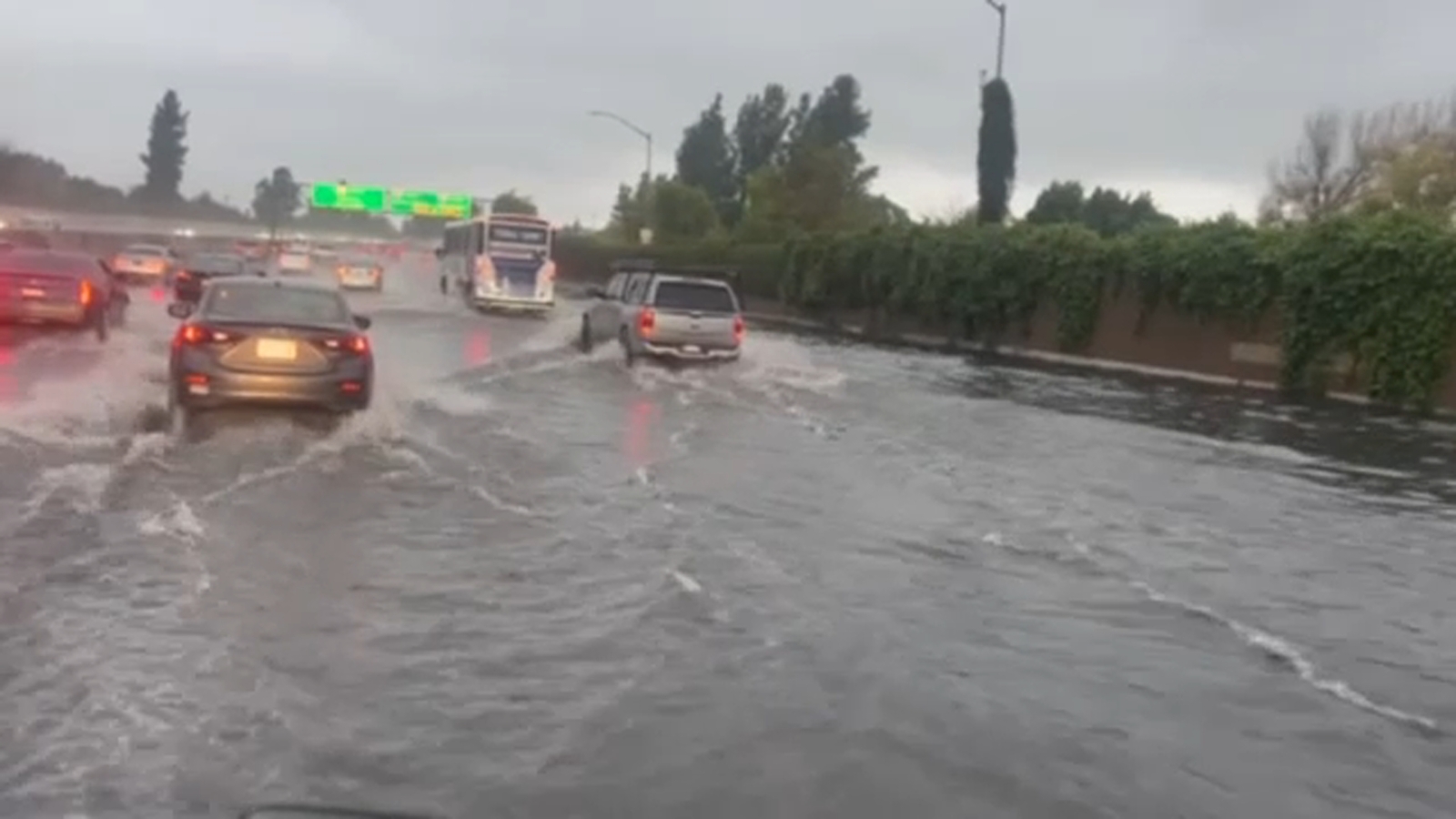
A powerful storm struck Southern California on Christmas Eve, delivering several inches of rainfall and fierce winds gusting up to 70 miles per hour. The National Weather Service extended the Flash Flood Warning for parts of Los Angeles and Ventura counties, urging residents to stay vigilant amid rising dangers.[1]
Flooding, Mudslides, and Power Disruptions
Rapidly moving waters flooded streets throughout the region, sweeping at least two cars off roads in areas like Palmdale. Evacuation warnings were issued due to hazardous mudslides and debris flows, with power lines toppled and roads submerged. Emergency crews worked tirelessly to rescue stranded motorists and secure vulnerable spots before conditions worsened.[1]
Staying Safe Amid the Chaos
As the storm lingers, authorities advise avoiding travel and heeding all alerts. This intense weather event highlights Southern California's vulnerability to atmospheric rivers, bringing a stark reminder of nature's force during the holiday season. Communities are banding together, preparing for potential prolonged impacts.[1]
About the Organizations Mentioned
National Weather Service
The **National Weather Service (NWS)** is a U.S. federal agency under the National Oceanic and Atmospheric Administration (NOAA) dedicated to providing weather, hydrologic, and climate forecasts and warnings across the United States, its territories, and adjacent waters. Its primary mission is to protect life and property and enhance the national economy by delivering timely, accurate, and science-based environmental predictions[1][2][5][6]. Founded in the late 1800s, the NWS has evolved into a comprehensive weather monitoring and forecasting organization. It operates through a nationwide infrastructure comprising 122 Weather Forecast Offices (WFOs), 13 River Forecast Centers (RFCs), and 9 specialized national centers including the National Hurricane Center, Storm Prediction Center, and Space Weather Prediction Center, among others[1][3][4]. These centers utilize advanced technology such as Doppler radars (WSR-88D), satellite data, automated surface observing systems, and sophisticated computer models to gather and analyze atmospheric data continuously[7]. Key achievements of the NWS include the development of impact-based decision support services that aid emergency management, aviation, marine operations, and the general public in preparing for hazardous weather events. The agency issues around 1.5 million forecasts and 50,000 warnings annually, significantly contributing to disaster preparedness and response efforts[4][6]. The 2011 Strategic Plan emphasizes building a “Weather-Ready Nation” by leveraging advancements in science and technology to anticipate future service needs and improve societal resilience to weather-related threats[4]. Currently, the NWS employs about 4,800 staff members and operates with a budget nearing $930 million. Its organizational structure includes a Chief Information Officer, Chief Financial Officer, and multiple operational and scientific divisions that ensure continuous innovation and service improvement. The agency’s commitment to integrating hydrologic and climate data with weather forecasting positions it as a critical player in environmental intelligence, supporting both governmental and private sectors[2][3][5