California Measles Surge in Shasta County Sparks Public Health Alert
#measles #public_health #vaccination #outbreak #shasta_county
California's First Measles Surge Since 2020 Hits Shasta County
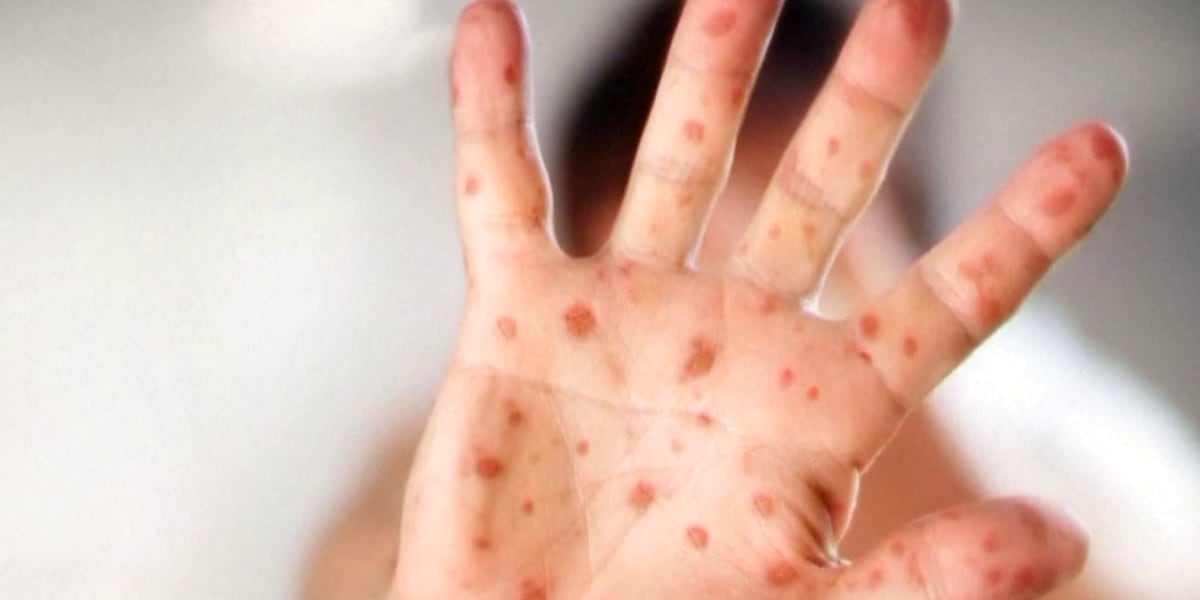
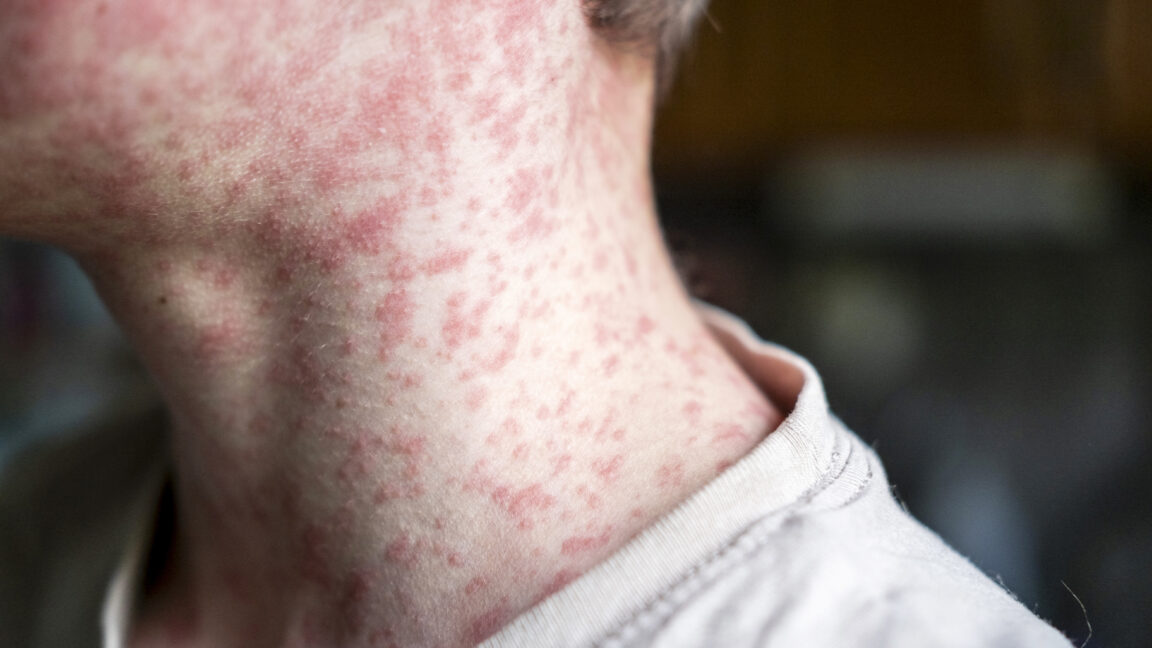
California faces its first measles outbreak in six years, driven by a cluster of eight cases in Shasta County, part of 17 confirmed statewide this year. The California Department of Public Health issued an urgent warning on Monday, highlighting the highly contagious virus's return after a lull since 2020. All Shasta patients were unvaccinated or had unknown status, fueling the spread among close contacts like family and neighbors.[1][2]
Outbreak Details and Containment Efforts
Shasta leads with the largest cluster, outpacing cases in Los Angeles, Orange, San Bernardino, and Riverside counties. Health officials note no public threat yet, as infected individuals isolated promptly, preventing new exposure sites. Early detection and contact tracing have been key, with exposure linked to spots like parks and clinics in late January. Nationwide, 2025 saw over 2,200 cases, mostly among the unvaccinated.[3][5]
Protection and Prevention Steps
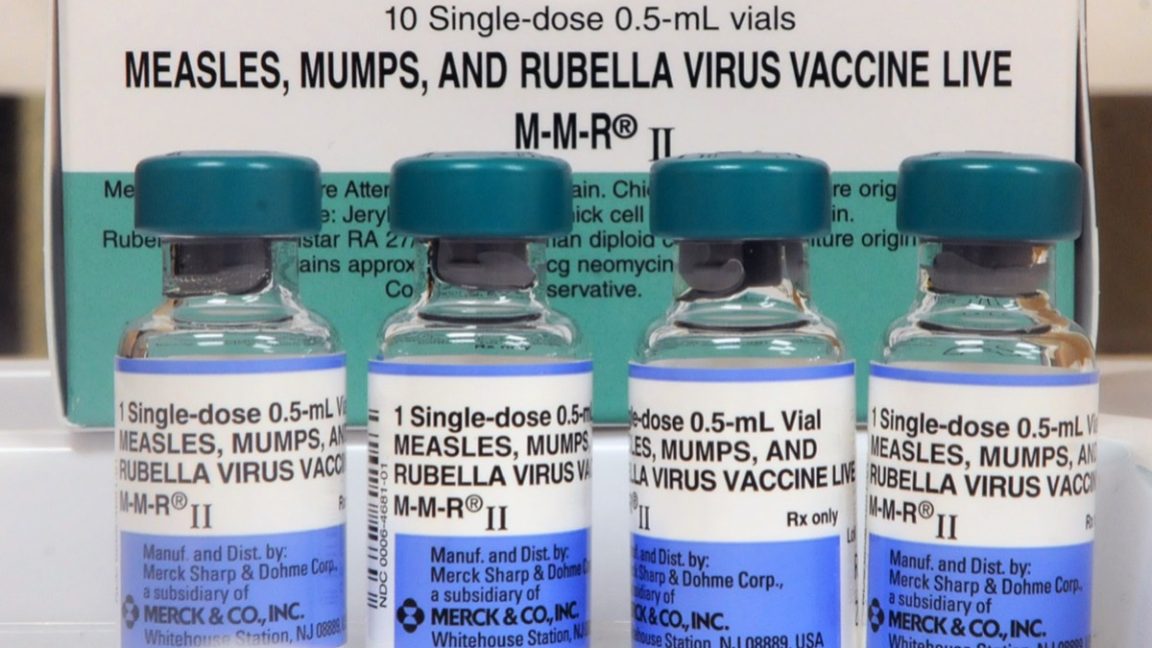
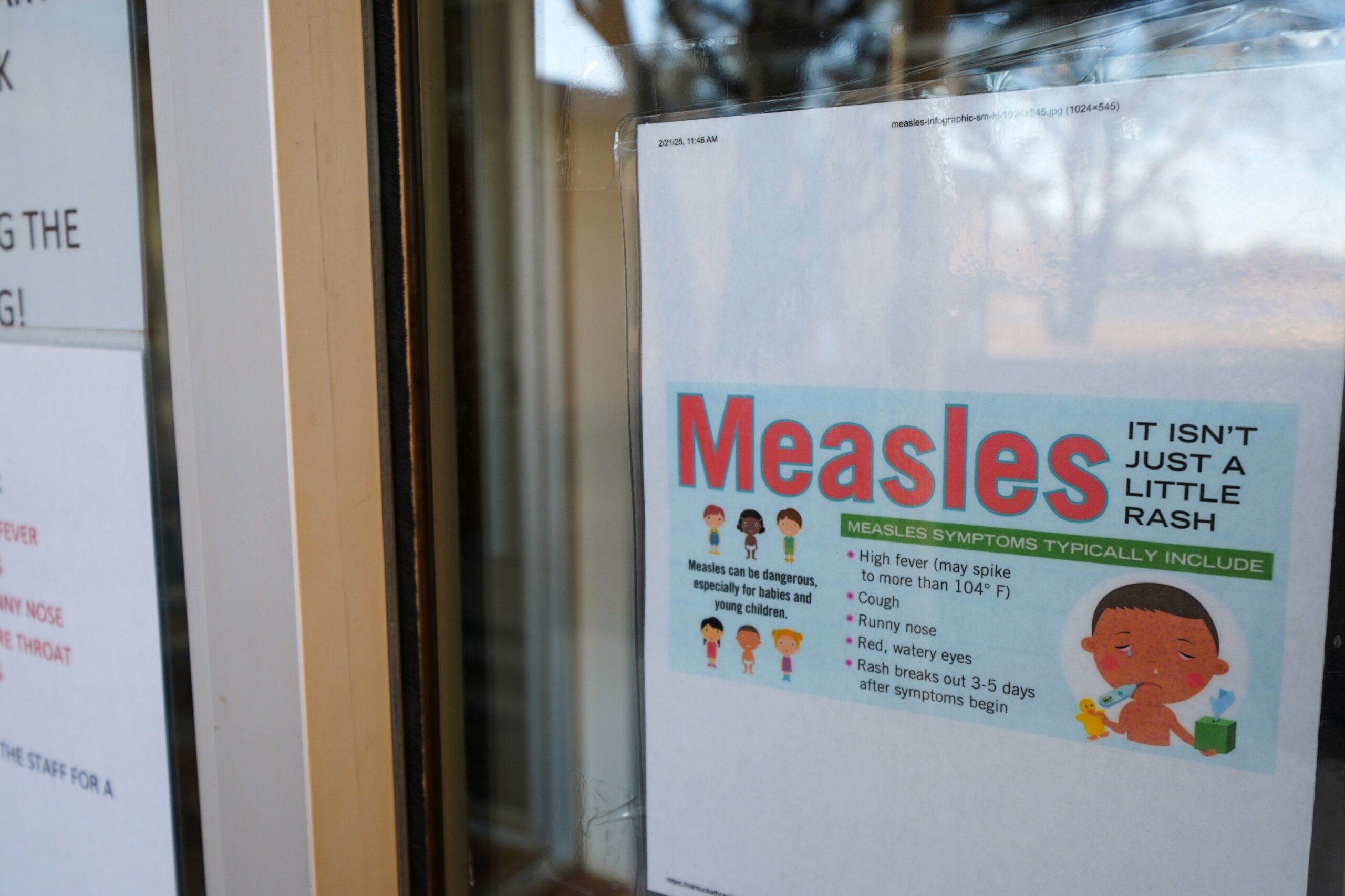
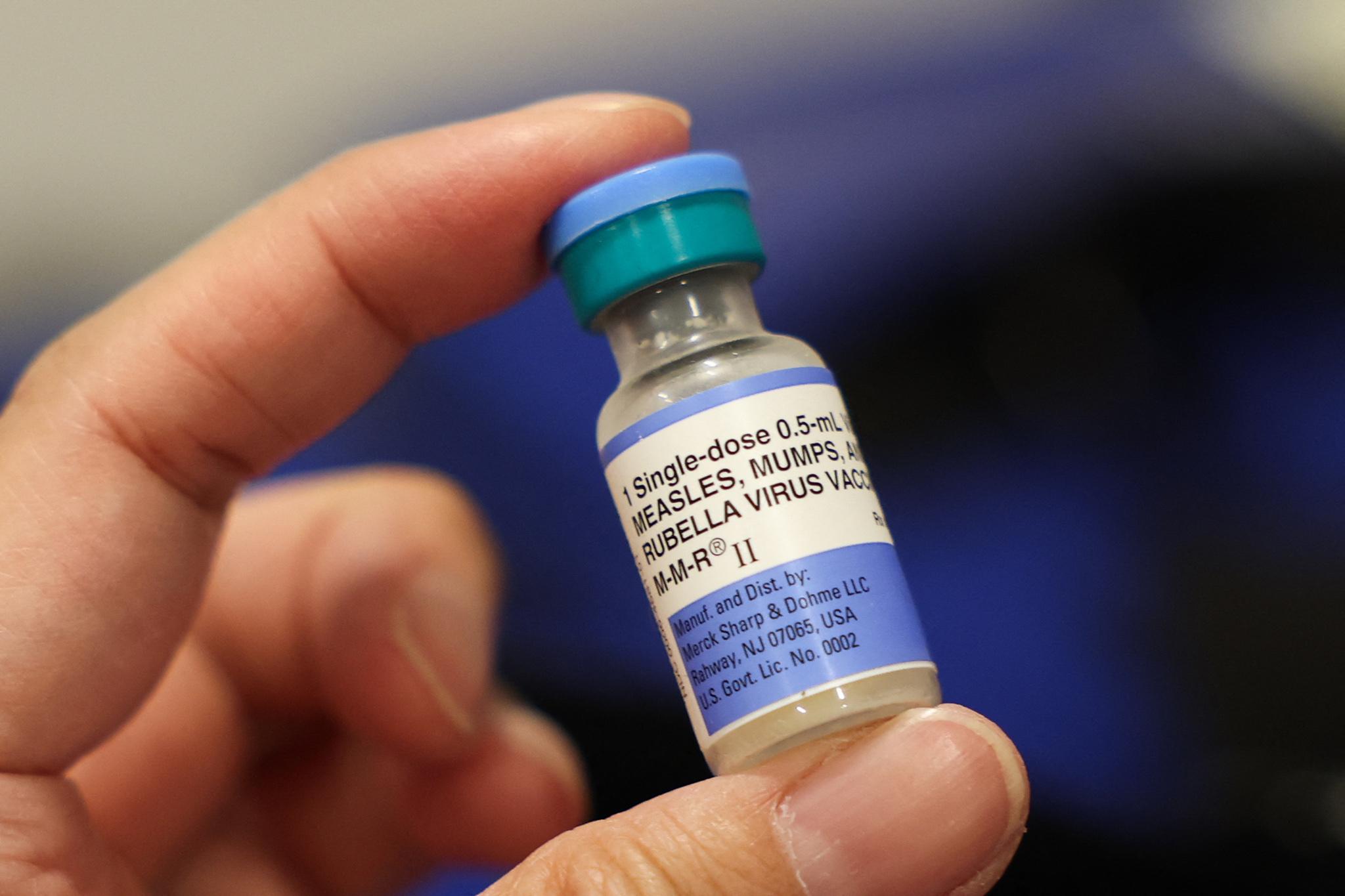
Two MMR vaccine doses offer 97% protection; check records or get a blood test for immunity. Symptoms include fever, rash, cough, and red eyes—call providers if exposed. With kindergarten vaccination rates above 95%, officials urge boosters for peace of mind amid this surge.[4][1]
About the Organizations Mentioned
California Department of Public Health
The **California Department of Public Health (CDPH)** is California's state agency dedicated to optimizing public health by promoting wellness, preventing diseases, and protecting residents through science-based policies, surveillance, and community partnerships.[1][2][4][5] As a subdivision of the California Health and Human Services Agency, CDPH enforces Health and Safety Code laws, licenses healthcare facilities, and oversees vital records like birth and death certificates.[2][5] CDPH's scope is vast, spanning **six key centers**: Healthy Communities (chronic disease prevention like diabetes and obesity), Environmental Health (food, drug, cannabis, and radiation safety), Family Health (WIC nutrition for women, infants, and children; perinatal services), Healthcare Quality (hospital and nursing facility oversight), Infectious Diseases (HIV/AIDS, tuberculosis, STDs, and emerging threats like COVID-19 and mpox), and Health Statistics.[1][3][5][7] It delivers 10 essential public health services, including epidemic tracking, emergency response, health equity initiatives for underserved groups, and border health coordination with Mexico.[2][3][7] Historically, CDPH evolved to address California's diverse needs, collaborating 24/7 with local departments, federal partners, and private entities to impact every resident and visitor.[1][5] Key achievements include newborn genetic screenings, tobacco control programs like "Healthy Stores for a Healthy Community," refugee health assessments, and robust responses to pandemics and natural disasters.[1][2][3][5][7] Currently, CDPH remains a powerhouse, launching innovations like the **Public Health Network Innovation Exchange (PHNIX)** to counter federal funding cuts and bolster nationwide disease prevention.[8] With over 100 programs, it drives health equity, environmental safety, and tech-enabled surveillance—making it a model for scalable public health tech in business contexts, from data informatics to AI-driven outbreak prediction.[3][4][8] Its proactiv