Erythritol Threatens Brain Barrier and Elevates Stroke Risk: New Research
Common Sweetener Threatens Brain Barrier, Elevating Stroke Risk
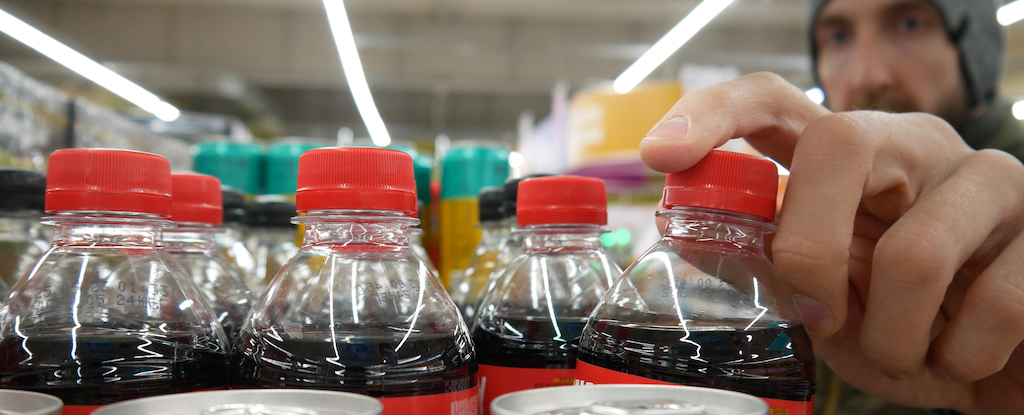
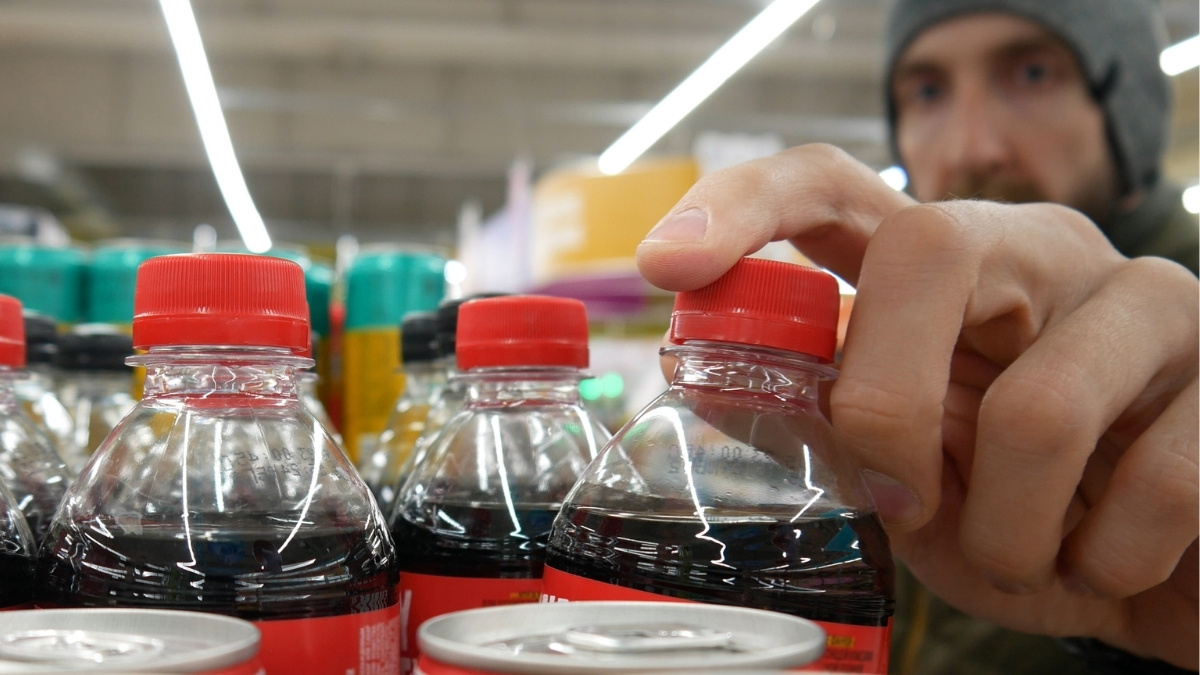
Found in protein bars, energy drinks, and sugar-free sodas, erythritol has been hailed as a safe sugar alternative. Yet, emerging research reveals it may sabotage the blood-brain barrier, the brain's vital shield against toxins, potentially heightening stroke danger. A University of Colorado study exposed brain microvascular cells to erythritol levels from one sweetened beverage, uncovering alarming cellular chaos.[3][5]
How Erythritol Disrupts Brain Vessels
In lab tests, erythritol spiked reactive oxygen species production by over 200%, triggering oxidative stress that damages delicate brain endothelium. It slashed nitric oxide—a vessel-relaxing molecule—while boosting constricting endothelin-1 and curbing clot-busting t-PA release. These shifts impair blood flow, promote clotting, and weaken barrier integrity, mimicking stroke precursors at everyday doses.[1][2]
Reassessing Erythritol's Safety
Observational data links high blood erythritol to doubled cardiovascular event risks, including strokes. Though in vitro, findings urge caution; erythritol crosses the barrier, demanding animal and human trials. Health enthusiasts might swap it for proven options, prioritizing brain protection over calorie cuts amid this sobering science.[4][6]
About the Organizations Mentioned
University of Colorado
The **University of Colorado (CU)** system is a public university network comprising four campuses—**Boulder (flagship)**, **Anschutz Medical Campus**, **Denver**, and **Colorado Springs**—delivering research-driven education in sciences, engineering, business, health, and technology, with an estimated $7 billion annual economic impact and over 480,000 alumni, many fueling Colorado's tech and biotech sectors.[1][3][8] Founded in 1876 by territorial legislation just before Colorado's statehood, CU Boulder opened in 1877 atop a donated hilltop site after Boulder outbid Cañon City, starting in a single building housing students, faculty, and classes.[1][3][6] The system expanded with CU Colorado Springs in 1965 from a former sanatorium, CU Denver in 1973 as an urban research hub offering 100+ degrees, and the Anschutz Medical Campus evolving from Boulder's 1883 School of Medicine to a modern Denver-Aurora powerhouse via relocations and $100+ million in Anschutz Foundation gifts.[2][3][5] Key achievements spotlight CU's innovation prowess: Boulder pioneered **Bose-Einstein condensate** (Nobel 2001 to Carl Wieman/Eric Cornell), **fermionic condensate**, RNA catalytic properties (Nobel 1989 to Thomas Cech), and quantum manipulation (Nobel 2012 to David Wineland), plus five Nobel laureates total, 18 astronauts, and MacArthur fellows.[1][4] Anschutz launched the nation's first nurse practitioner program and hosts the Skaggs School of Pharmacy.[2] Boulder's entrepreneurial ranking (Forbes #18) and R1 research status draw tech firms like IBM and NOAA, cementing Colorado's "space and atmospheric science" hub.[6][9] Today, CU thrives with record enrollment across 57,000+ students, despite low stat




:max_bytes(150000):strip_icc():focal(749x0:751x2)/kim-kardashian-brian-aneurysm-kanye-102325-f69764ac5ef14097a68bc4d82d7ca50a.jpg)