South Carolina Measles Outbreak Surpasses National Records Amid Vaccination Push

South Carolina's Measles Outbreak Surpasses National Records
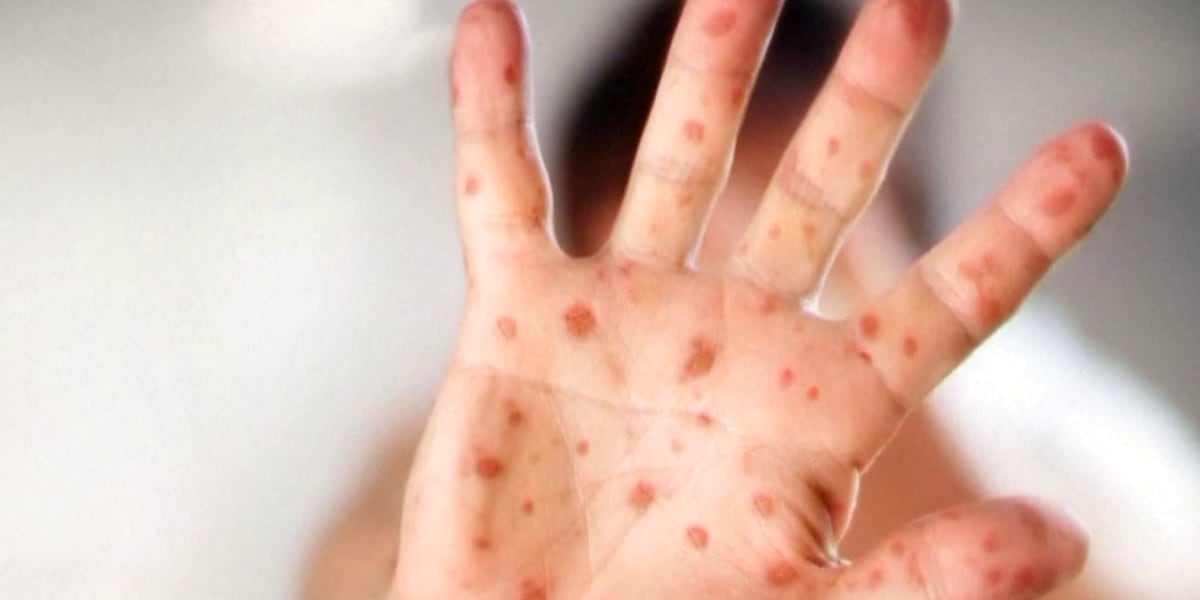
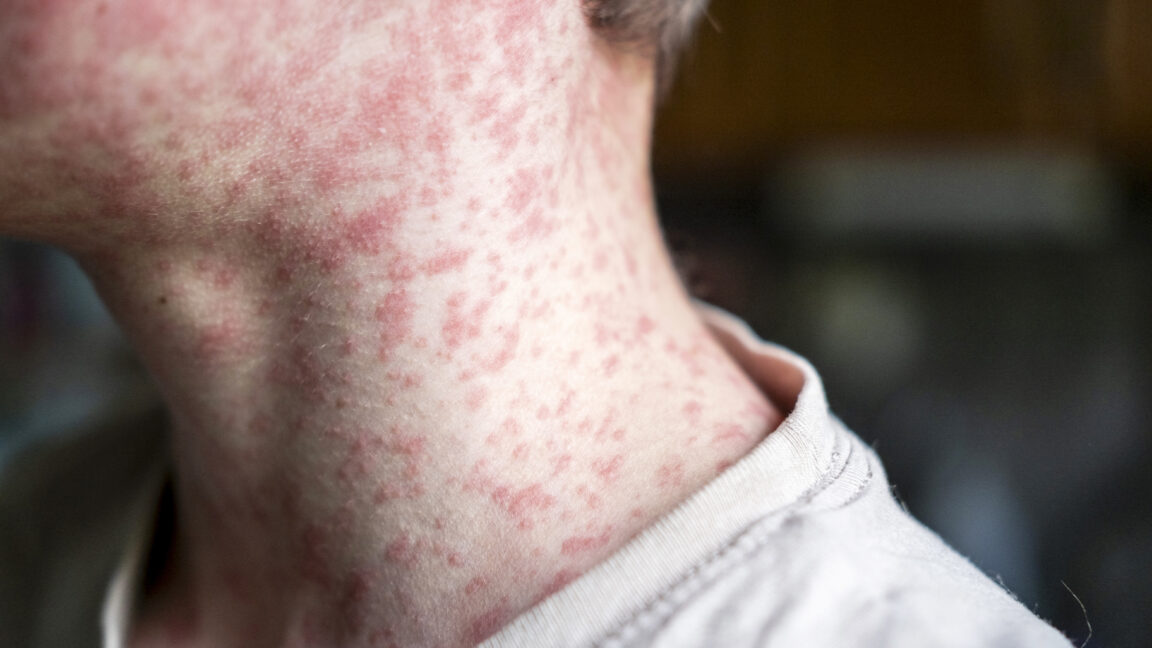
The South Carolina measles outbreak has exploded to 789 cases as of January 27, 2026, marking the largest in the US since elimination over two decades ago, eclipsing even last year's West Texas outbreak that claimed two young lives.[1][2][4] Centered in Spartanburg County, it began in October 2025 among unvaccinated students at private Christian schools, surging through household contacts, holiday gatherings, and church events.[2]
Rapid Spread and Vulnerable Groups
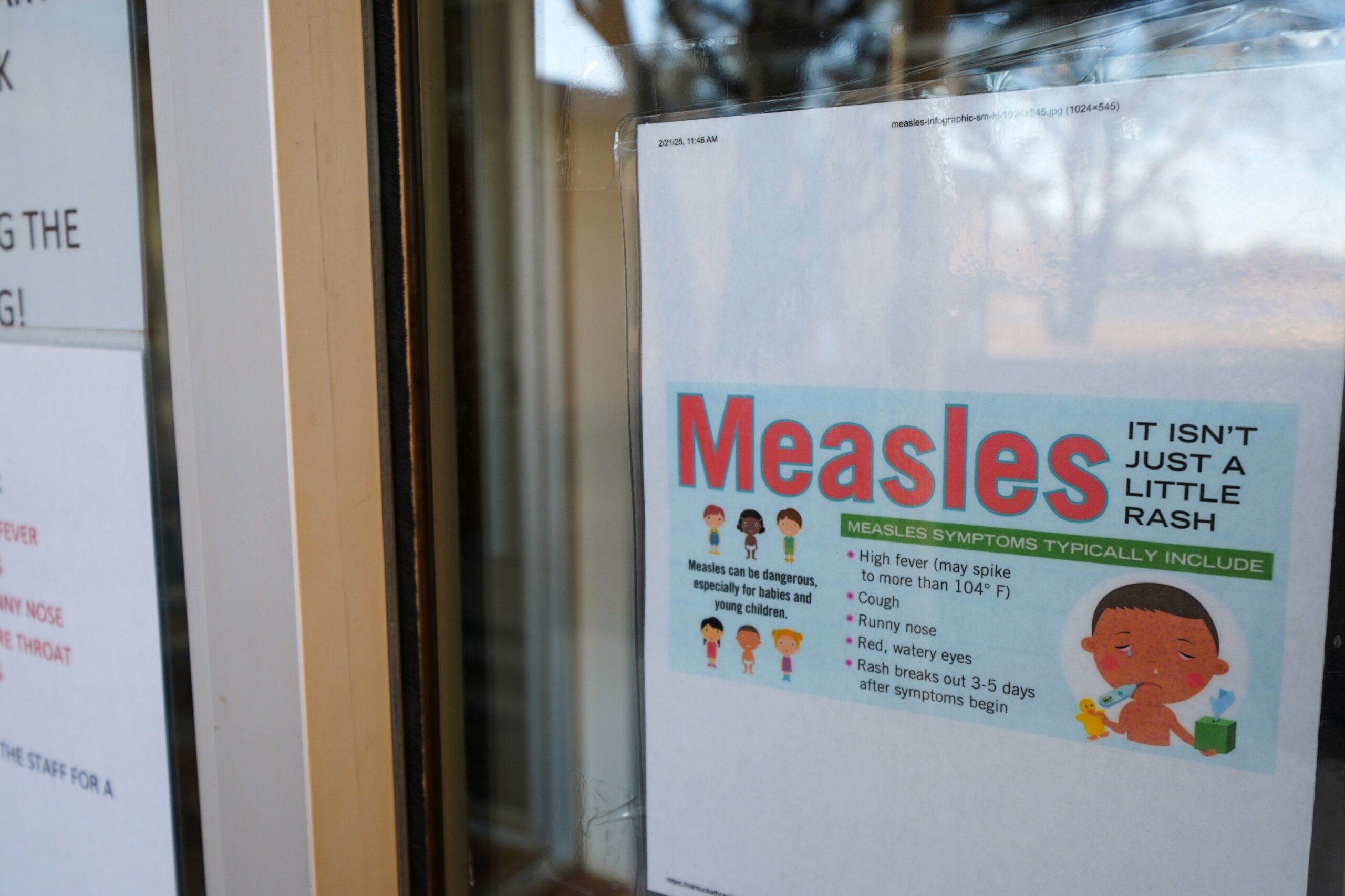
From just five cases initially, infections ballooned: 156 by December 26, 211 by January 6, and now 789 with 89 new ones in days.[1][4] Over 62% (493) affect ages 5-17, 26% under 5, and most—695—are unvaccinated, with only 20 fully vaccinated.[2][4] At least 18 hospitalizations highlight severe risks like pneumonia, amid 557 in quarantine and community exposures at schools.[2][3]
Vaccination's Critical Role
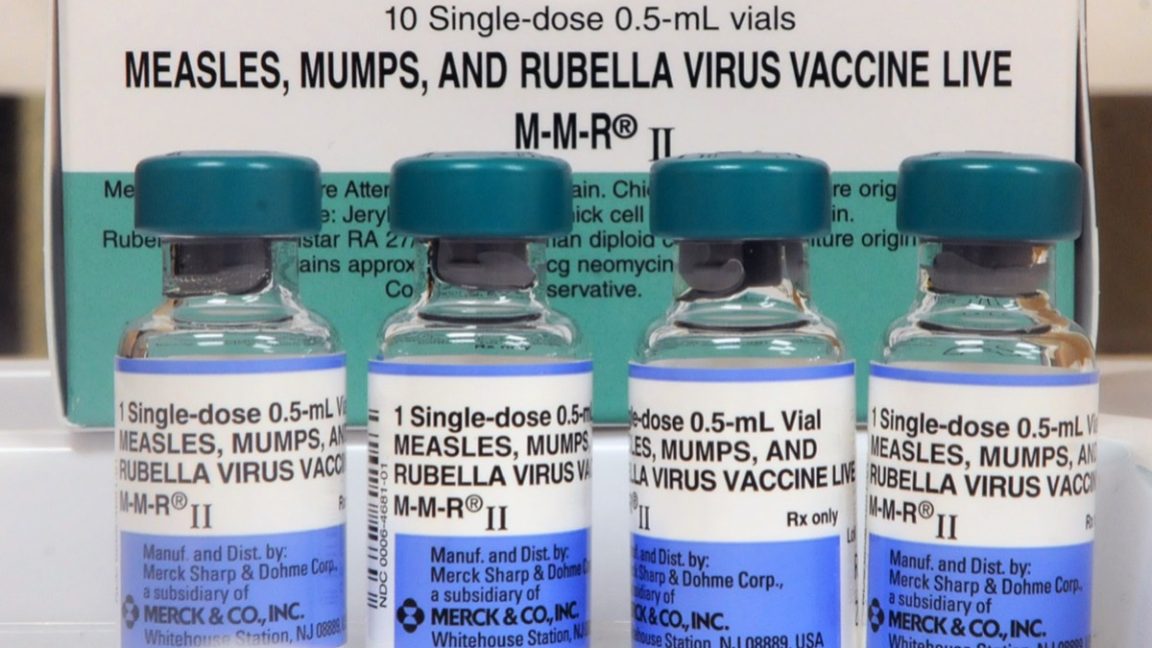
Declining US vaccination rates fuel this crisis, with two MMR doses offering 97% protection per CDC guidelines.[3][5] Public health officials urge immunity checks and boosters to halt spread, as measles lingers airborne for hours, threatening nationwide surges beyond South Carolina's 416 yearly cases.[5][7]
About the Organizations Mentioned
CDC
The **Centers for Disease Control and Prevention (CDC)** is the premier national public health agency of the United States, operating under the Department of Health and Human Services and headquartered in Atlanta, Georgia. Its primary mission is to protect public health and safety through disease control, injury prevention, and health promotion both nationally and globally[1][8]. Established in 1946 initially as a single "Center for Disease Control," the agency expanded and reorganized in 1980 into multiple specialized centers, reflecting a broader focus beyond infectious diseases to include environmental health, chronic disease, occupational safety, and health education[7]. The CDC comprises various centers and institutes, such as the National Center for Immunization and Respiratory Diseases, the National Center for Chronic Disease Prevention and Health Promotion, and the National Institute for Occupational Safety and Health (NIOSH), among others. These centers enable the CDC to address a wide array of public health challenges through research, surveillance, policy development, and education[2]. It also plays a key role in emergency preparedness and response, demonstrated notably during the COVID-19 pandemic, where its guidance shaped public health actions despite complex political and social dynamics[8]. Key achievements include pioneering epidemiological research, controlling outbreaks of infectious diseases, advancing vaccine safety and immunization programs, and addressing emerging health threats such as obesity and diabetes. The CDC is recognized for disseminating authoritative health information, including the widely cited Morbidity and Mortality Weekly Report (MMWR), and for its global collaborations with health organizations worldwide[1][3][8]. Currently, the CDC is undergoing organizational adjustments to focus more intensively on infectious diseases, as part of the 2025 Department of Health and Human Services reorganization. This includes absorbing the Administration for Strategic Preparedness and Response while shifting some functions like occupational safety to new entities[1]. The agency’s comprehensive approach, backed by science and government funding, positions it as a critical leader in public health innovation, disease prevention, and health security i