CDC Weighs Change to Hepatitis B Birth Dose Policy for Newborns
Potential Shift in Hepatitis B Vaccine Policy for Newborns
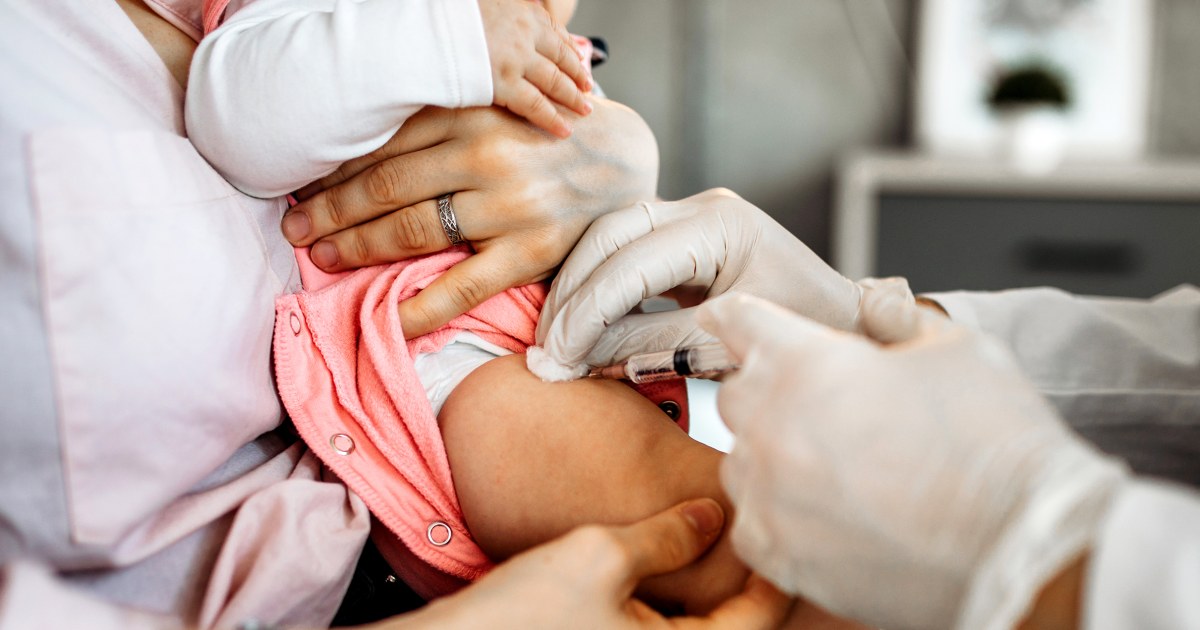
The Centers for Disease Control and Prevention (CDC) is facing a pivotal decision as its advisory committee prepares to vote on whether to reverse the longstanding recommendation that all newborns receive a hepatitis B vaccine within 24 hours of birth. This birth dose has been a cornerstone of preventing perinatal hepatitis B transmission, protecting infants during their most vulnerable early days.
The Importance of the Birth Dose
Administering the hepatitis B vaccine at birth has been shown to significantly reduce the risk of chronic infection, which can lead to severe liver disease later in life. The vaccine’s safety and efficacy are well documented, and it serves as a critical barrier especially for infants born to infected parents. Delaying or skipping this dose could increase the risk of lifelong hepatitis B infection, emphasizing why the CDC’s recommendation has been widely supported by pediatric and public health experts.
Implications of Possible Changes
Should the CDC advisers vote to alter this policy, it could affect vaccine schedules nationwide and raise public health concerns about increased hepatitis B transmission. Healthcare providers and parents alike will need clear guidance to navigate any new recommendations while continuing to protect infant health effectively.
About the Organizations Mentioned
Centers for Disease Control and Prevention
The Centers for Disease Control and Prevention (CDC) is a premier U.S. public health agency established on July 1, 1946, originally as the Communicable Disease Center. It evolved from the wartime Malaria Control in War Areas program (MCWA) created during World War II to combat malaria around military bases in the southern United States[1][3][7]. Headquartered in Atlanta, Georgia, the CDC has grown from a regional malaria control unit to a comprehensive national and global health protection agency. The CDC’s mission is to protect public health and safety through disease control and prevention, health promotion, and emergency preparedness. It investigates and responds to emerging health threats such as infectious diseases—including COVID-19, influenza, and bioterrorism agents—as well as chronic diseases, injuries, workplace hazards, environmental health threats, and more[2][6]. The agency conducts scientific research via over 200 specialized laboratories nationwide, supports public health workforce development, and communicates critical health information to the public[6][5]. Throughout its history, the CDC has expanded its scope and structure significantly. It was renamed the Center for Disease Control in 1970, then the Centers for Disease Control in 1980 as it incorporated multiple centers, and finally adopted the current name, Centers for Disease Control and Prevention, in 1992 to emphasize prevention efforts while retaining the CDC acronym for recognition[2][8]. Its organizational breadth now includes centers focused on infectious diseases, chronic diseases, environmental health, injury prevention, occupational safety, and health statistics. Notable achievements include leading vaccination campaigns against diseases like measles and rubella, advancing injury prevention, and mounting global efforts against infectious outbreaks. The CDC also played a pivotal role in combating antibiotic misuse and bioterrorism preparedness. Despite past controversies like the Tuskegee syphilis study, the agency remains a leader in epidemiology and public health innovation, employing a multidisciplinary workforce of scientists, clinicians, and public health experts dedicated t