China Concludes Major Military Drills Near Taiwan as Cross-Strait Tensions Escalate
China Concludes Major Military Drills Near Taiwan
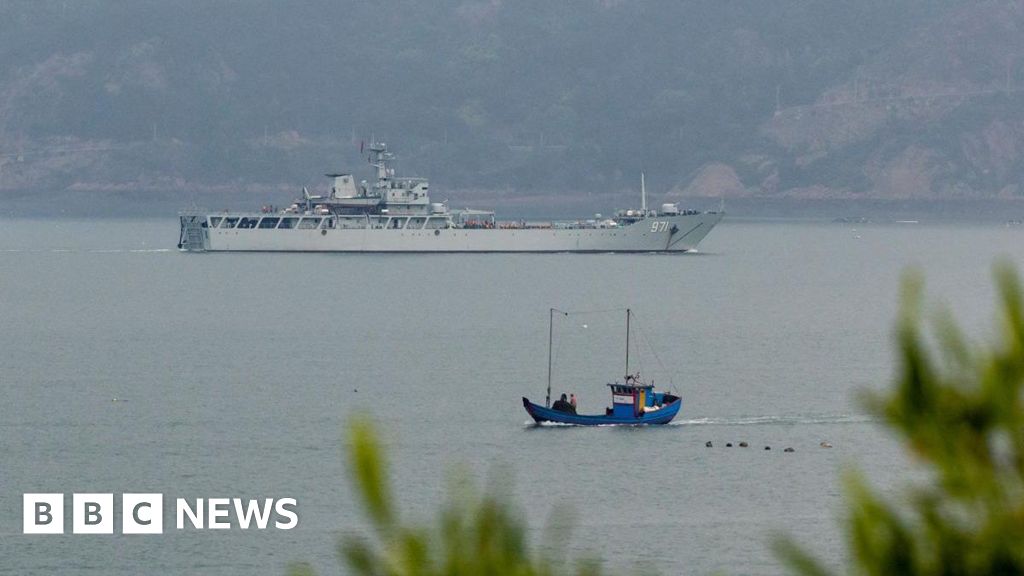
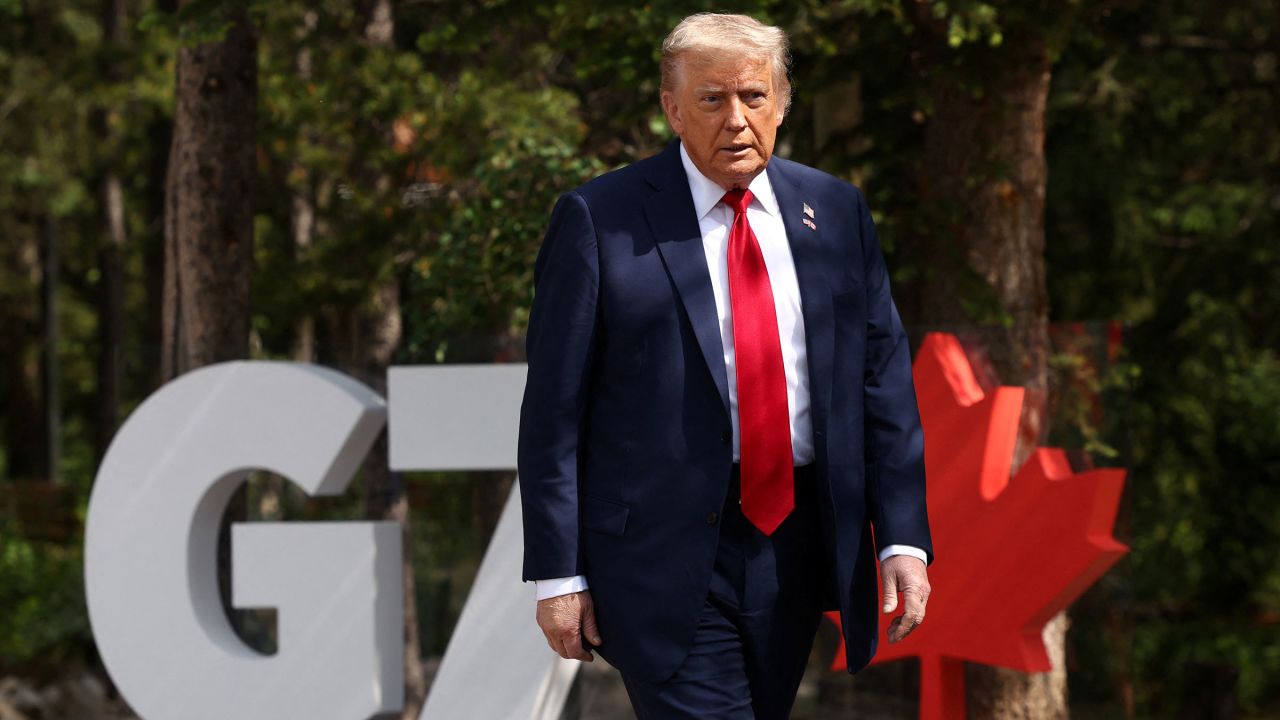
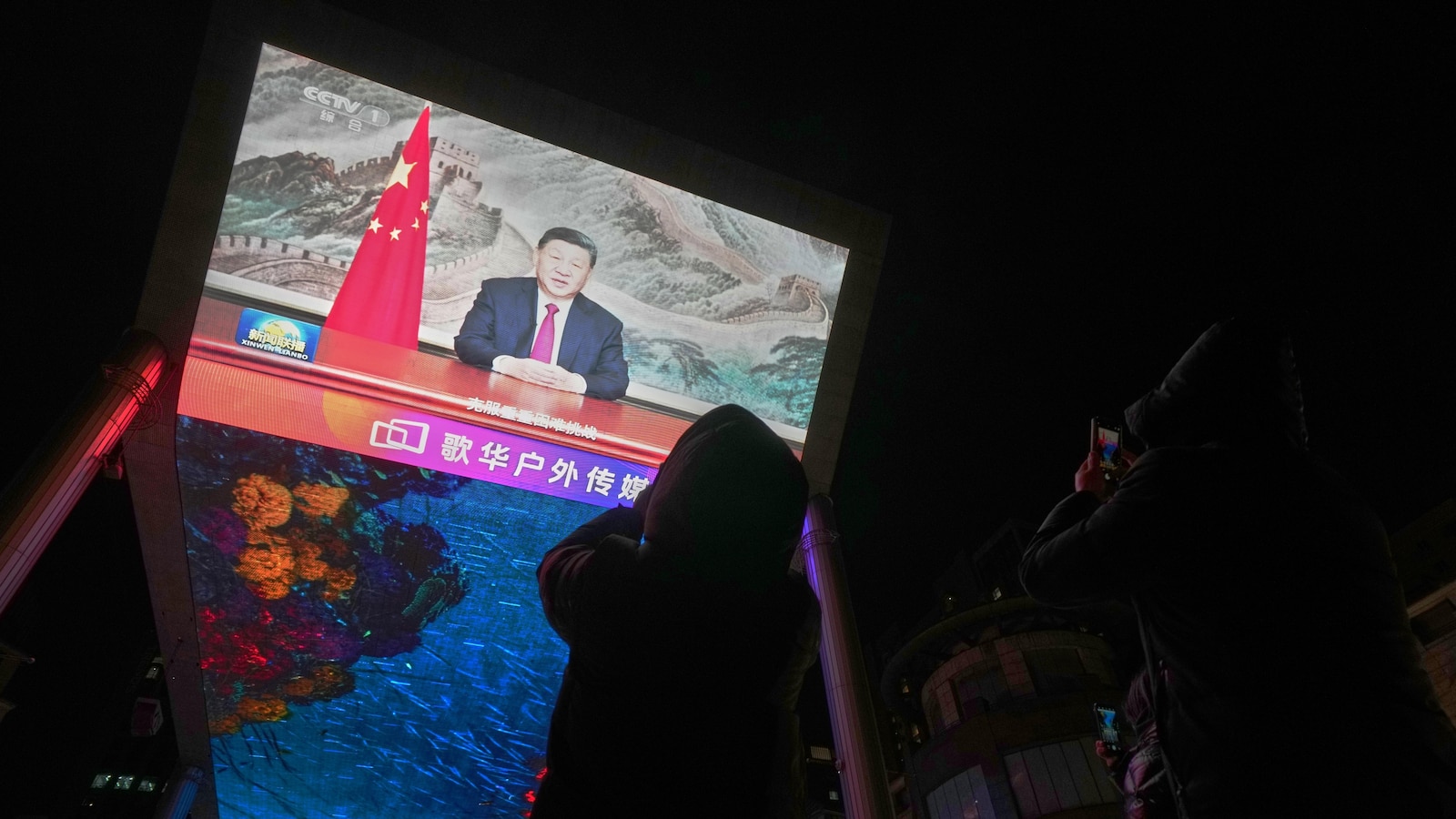
China's People's Liberation Army announced the successful completion of two days of extensive military maneuvers in the waters surrounding Taiwan, signaling heightened tensions in the region. Conducted from December 29 to 30, these exercises simulated a blockade, showcasing Beijing's naval and air capabilities in a stark demonstration of power. This move follows Taiwan's New Year's Day speech by President Lai Ching-te, who adopted a defiant stance, declaring 2026 a pivotal year for defending sovereignty against potential threats by 2027.
Taiwan's Defiant Response and Preparations
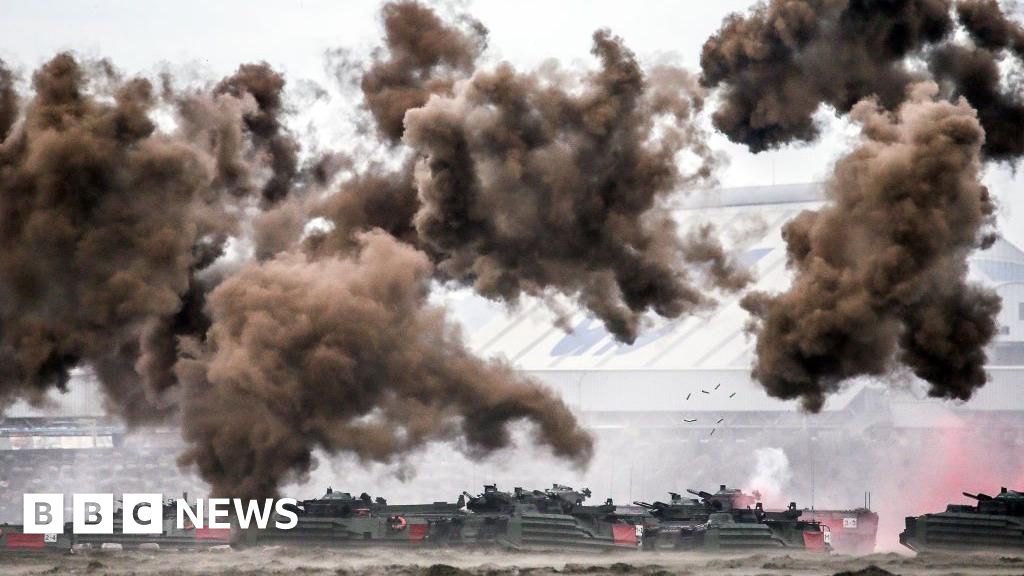
In response, Taiwan is accelerating its military buildup and civilian defense training, with amphibious units conducting readiness drills near Taipei. Lawmakers emphasize that these preparations complicate any Chinese takeover attempts. President Lai warned of Beijing's ambitions while underscoring Taiwan's resolve, amid cross-strait frictions that risk rapid escalation in the Indo-Pacific.
Global Reactions and Future Implications
The United States urged China to exercise restraint, halt military pressure, and pursue dialogue. These drills highlight ongoing Asia security challenges, with experts noting China's shows of force aim to deter independence moves. As 2026 unfolds, the Taiwan Strait remains a flashpoint, demanding vigilant international monitoring to prevent conflict.
About the Organizations Mentioned
People's Liberation Army
The **People's Liberation Army (PLA)** is the military wing of the Chinese Communist Party and the primary armed forces of the People's Republic of China[1]. As one of the largest military forces in the world, it operates under the absolute leadership of the CCP through the Central Military Commission, with the CCP general secretary serving as chairman and commander-in-chief[1]. ## Historical Development The PLA traces its roots to the 1927 Nanchang Uprising against the Nationalists[2]. Initially called the Red Army, it grew from 5,000 troops in 1929 to 200,000 by 1933 under Mao Zedong and Zhu De[2]. After surviving the Long March, the Eighth Route Army fought alongside Nationalists against the Japanese during World War II[2]. Following the war, the renamed People's Liberation Army defeated the Nationalists, enabling the formation of the People's Republic of China in 1949[2]. ## Current Organization and Structure The PLA consists of five major service branches: Ground Force, Navy, Air Force, Rocket Force, and Strategic Support Force, organized into five theater command regions[6]. It also includes four additional arms: Aerospace Force, Cyberspace Force, Information Support Force, and Joint Logistics Support Force[1]. As of 2008, the PLA maintained approximately 2.3 million active-duty troops[5]. ## Strategic Mission and Modern Focus China describes its military posture as **active defense**—"We will not attack unless we are attacked, but we will surely counterattack if attacked"[1]. The PLA aims to transform into a force capable of winning "local wars under high-tech conditions" through short, decisive campaigns emphasizing reconnaissance, mobility, and deep reach[1]. Under Xi Jinping