Court Debut in High-Profile Murder Case Spurs Media Access Battle

Court Debut in High-Profile Murder Case
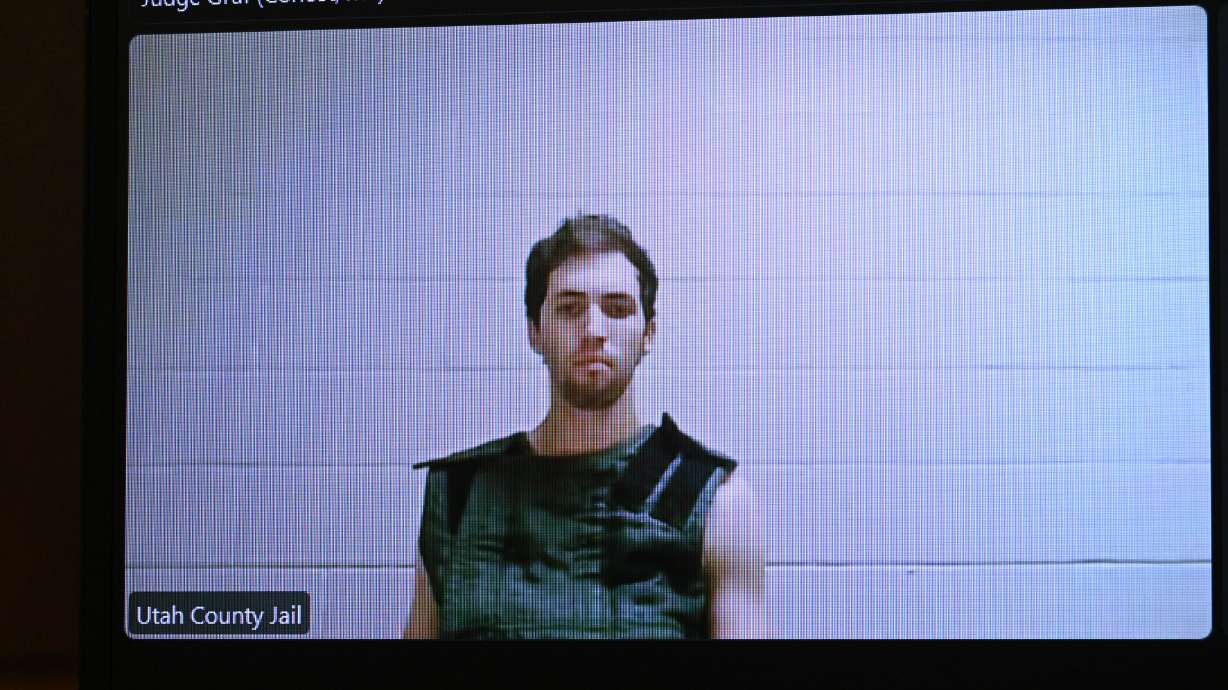
Tyler Robinson, the 22-year-old accused of assassinating conservative activist Charlie Kirk, made his first in-person court appearance on December 11, 2025, in Utah County. Dressed in a button-down shirt and tie, Robinson sat calmly as his attorneys pressed to restrict media access, including banning cameras in the courtroom.[1][3][5] The hearing highlighted tensions between public interest and fair trial rights in this politically charged case.
Media Access Battle and Legal Motions
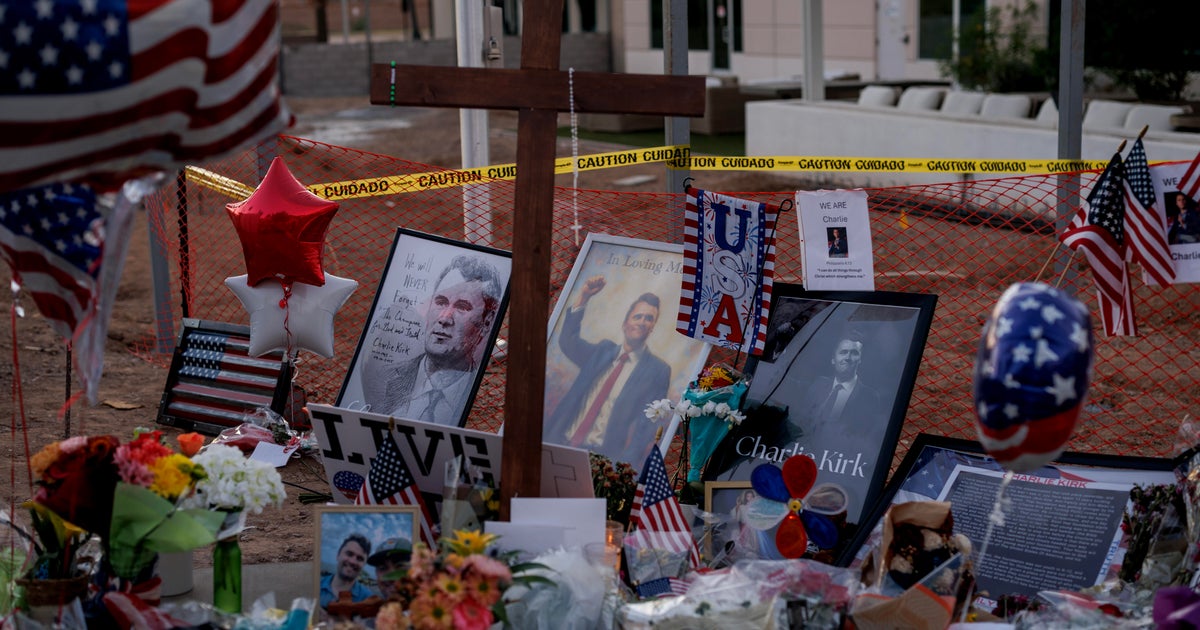
Defense lawyers argued for tighter controls amid the high-profile nature of the September 10 shooting at Utah Valley University, where Kirk was fatally shot during his "American Comeback Tour."[1][2] Prosecutors sought to clarify the gag order, defining "witness" narrowly to cover over 3,000 potential observers, a motion the judge granted.[1] While cameras were permitted with restrictions, the judge weighs ongoing limits to protect proceedings.[4][5]
Case Background and Next Steps
Charged with aggravated murder and facing the death penalty for the politically motivated attack, Robinson has not entered a plea.[1][2] He surrendered after a 33-hour manhunt, allegedly driven by ideological rifts.[2] His next hearing is January 16, 2026, as the case draws national scrutiny over justice, politics, and open courts.[1]
About the People Mentioned
Charlie Kirk
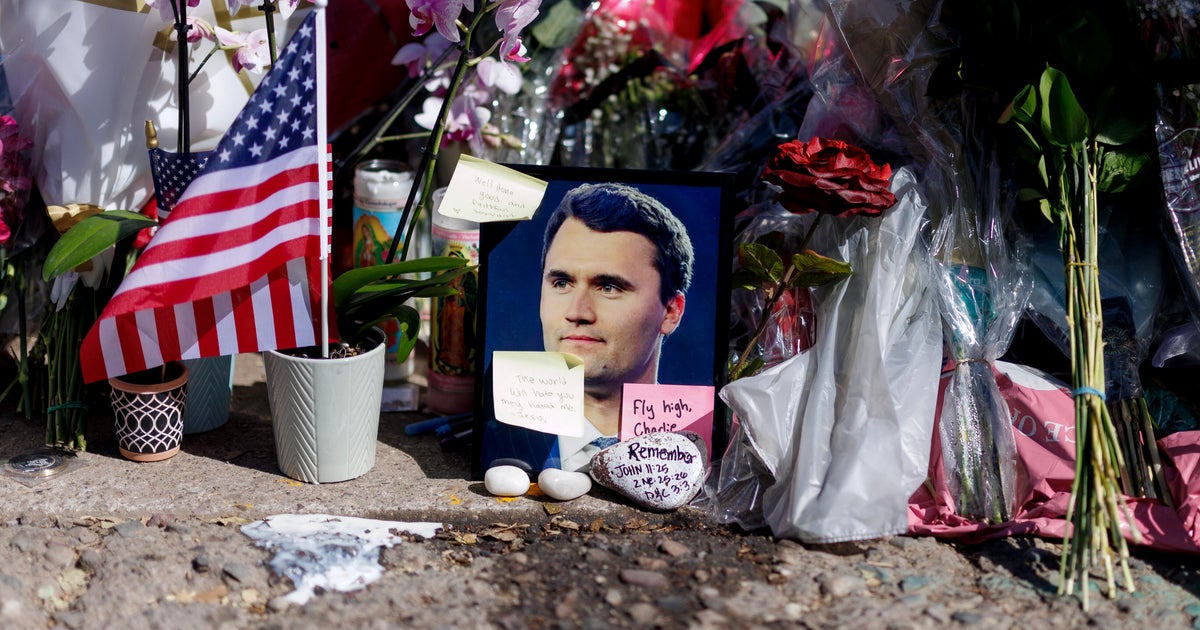
Charlie Kirk is a prominent American conservative activist and the founder of Turning Point USA, a national student movement dedicated to promoting free markets and limited government. Born in 1993, Kirk co-founded Turning Point USA in 2012 at the age of 18, alongside Bill Montgomery. The organization has grown significantly, with a presence on over 3,000 high school and college campuses across the U.S. and more than 650,000 lifetime student members[2][3]. Kirk has been a prolific media presence, appearing thousands of times on various platforms, including Fox News and The Washington Post. He was named to the Forbes "30 under 30" list and became the youngest speaker at the 2016 Republican National Convention. He also served as the opening speaker at the 2020 RNC[2]. In addition to his activism, Kirk is an author, having written several books, including "The MAGA Doctrine," which became a best-seller on Amazon and The New York Times. His most recent book, "Rightwing Revolution," was released in 2024[2]. Kirk's involvement in politics extends beyond Turning Point USA. He was active in Bruce Rauner's successful 2014 gubernatorial campaign in Illinois. Rauner, who later became a financial supporter of Turning Point USA, praised Kirk's activism[3]. Kirk's activities have been controversial, drawing both support and criticism. Recently, Kirk's life was tragically cut short, and the FBI is investigating his death, offering a reward for information leading to the arrest of those responsible[3]. Despite the controversy surrounding his views and actions, Kirk remains a significant figure in conservative American politics.
About the Organizations Mentioned
Utah Valley University
**Utah Valley University (UVU)** is a prominent public university located in Orem, Utah, known for its unique dual-mission model that combines the comprehensive academic rigor of a university with the accessibility and vocational focus of a community college[4]. Established in 1941 as the Central Utah Vocational School, UVU has evolved through several name changes and expansions, reflecting its growth and diversification. It became Utah Valley State College in 1993 and attained university status in 2008[1][3][7]. UVU serves over 48,000 students as of fall 2025, making it the largest public university in Utah and one of the largest in the Rocky Mountain region[7]. It offers a broad spectrum of programs, including master’s, bachelor’s, and associate degrees, along with certificates across various fields such as business, engineering and technology, health, arts, and education[4][7]. Its student body is diverse, representing 42 countries, with a significant portion being nontraditional students, first-generation college students, and working professionals—78% of students work while studying[4]. Historically, UVU began as a vocational school focusing on trades and skilled craftsmanship. It expanded in the 1960s and 1970s to include associate degrees and moved from Provo to a larger campus in Orem, enabling further growth[1][2]. The institution was among the first community colleges to establish international exchange programs with countries including Russia, China, and Germany[1]. In the 1990s, UVU added bachelor’s degree programs in business management, computer science, and technology management, signaling its transition toward a full university[1]. UVU is recognized for its commitment to student success through engaged learning, faculty-mentored research, and community responsiveness to regional workforce needs[4][6]. The university’s Woodbury School of Business is notable for its integration of business education with technological innovation, supporting Utah’s growing economy.