Dan Bongino Steps Down as FBI Deputy Director Amid Personal Strains and Trump Ties
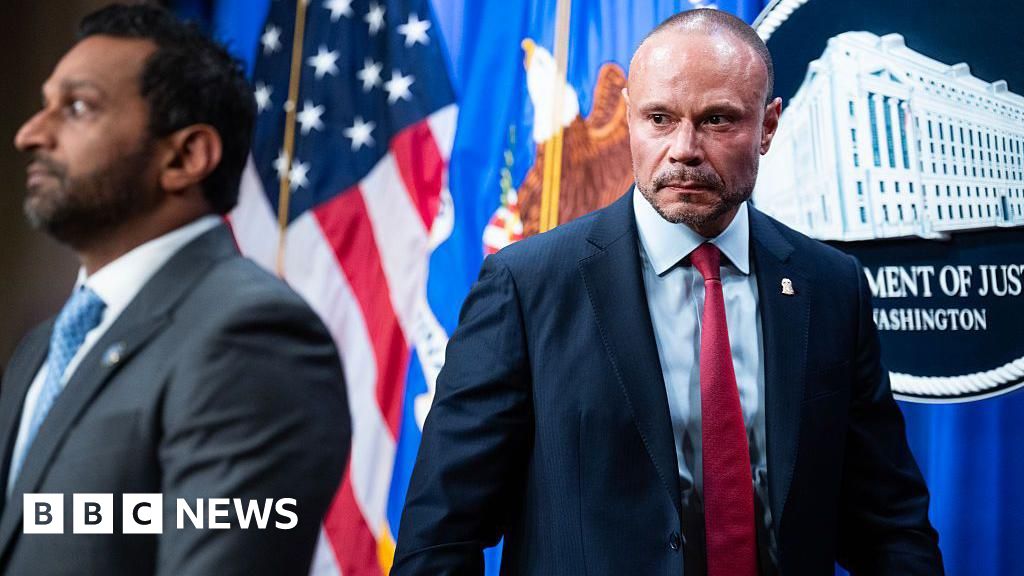
Dan Bongino Steps Down as FBI Deputy Director
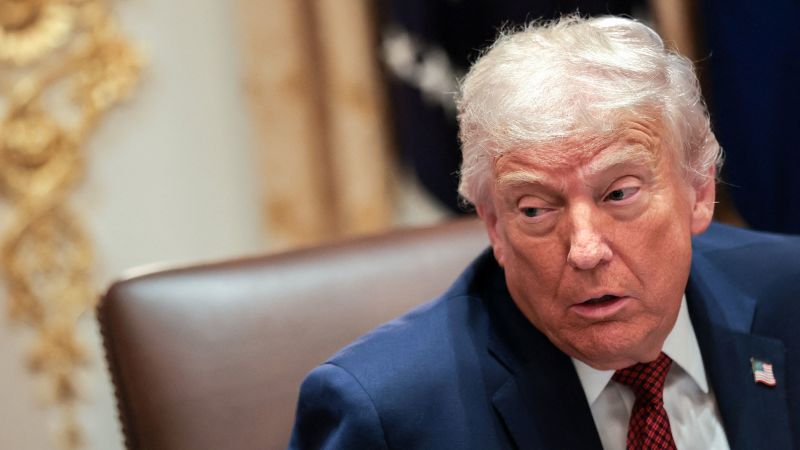
Dan Bongino, the fiery ex-podcaster turned FBI Deputy Director, has announced his resignation, citing personal sacrifices amid President Donald Trump's public nod to his return to media roots. Appointed in February by Trump and praised as a patriot of "incredible love" for the country, Bongino's tenure lasted mere months, marked by intense Washington pressures.[1][2]
Reasons Behind the Sudden Exit
Bongino confided to colleagues that the role strained his marriage, leaving him isolated in DC while his family remained in Florida. Insiders report he began packing office items last week, planning a formal announcement as early as December 19 or into January. Trump confirmed the move, hinting Bongino craves his old show, while noting clashes with the Justice Department added friction to his brief stint.[1][3]
Leadership Shift and Future Implications
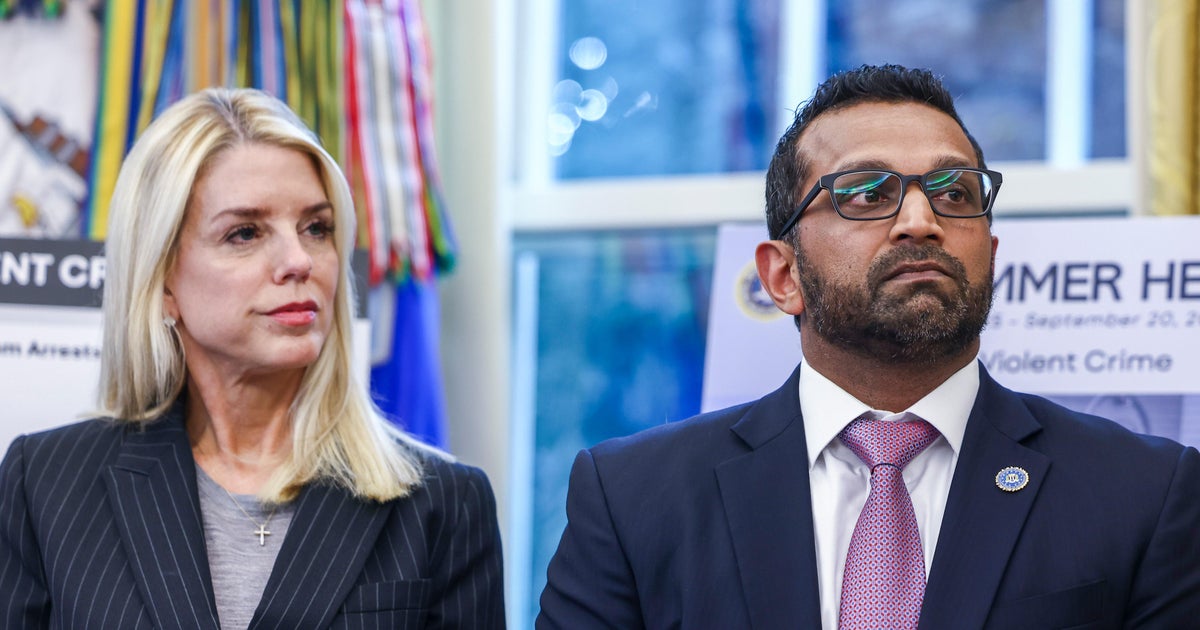
Attention shifts to co-deputy Andrew Bailey, ex-Missouri Attorney General, as Bongino's likely successor. This shakeup fuels speculation on FBI direction under Trump ally Kash Patel, blending law enforcement loyalty with media savvy. Bongino's departure underscores the toll of high-stakes federal service on personal lives.[2]
About the People Mentioned
Dan Bongino
Dan Bongino is a public figure known for his diverse career in law enforcement, politics, and media. Born on December 4, 1974, in Queens, New York, he began his public service career with the New York Police Department (NYPD) in 1995. Bongino joined the U.S. Secret Service in 1999, where he served in various roles, including the Presidential Protective Division during the administrations of Presidents George W. Bush and Barack Obama[1][2]. During his tenure with the Secret Service, Bongino was recognized for his work on financial fraud investigations, earning a Department of Justice award. He concluded his Secret Service career in 2011 and went on to pursue other ventures. In 2012, he was the Republican nominee for the U.S. Senate in Maryland but lost the election[6]. Bongino has also built a career as a media personality. He hosts the popular podcast "The Dan Bongino Show" and has been a contributor to Fox News and other media outlets. He is a multiple-time New York Times Best Selling author and has written extensively on politics and government[2][3]. Recently, Dan Bongino was appointed as the Deputy Director of the FBI in February 2025 by Director Kash Patel. This appointment marks his return to government service, where he will oversee domestic and international investigative and intelligence activities[1][3]. Bongino's selection has been notable due to his conservative views and his role as a prominent commentator on political issues. His appointment does not require Senate confirmation, aligning with the typical process for the position[3].
Donald Trump
Donald John Trump, born June 14, 1946, in Queens, New York, is an American businessman, media personality, and politician. He graduated from the University of Pennsylvania’s Wharton School in 1968 with a degree in economics. In 1971, he took over his family’s real estate business, renaming it the Trump Organization, through which he expanded into building and managing skyscrapers, hotels, casinos, and golf courses. Trump gained widespread fame as the host of the reality TV show *The Apprentice* from 2004 to 2015, which helped establish his public persona as a successful entrepreneur. Trump entered politics as a Republican and was elected the 45th president of the United States, serving from 2017 to 2021. His presidency was marked by significant policy actions including tax cuts, deregulation, the appointment of three Supreme Court justices, renegotiation of trade agreements (notably replacing NAFTA with the USMCA), and a focus on immigration control including border wall expansion. He withdrew the U.S. from international agreements such as the Paris Climate Accord and the Iran nuclear deal, and engaged in a trade war with China. His administration’s response to the COVID-19 pandemic was criticized for downplaying the virus’s severity. Trump was impeached twice by the House of Representatives—first in 2019 for abuse of power and obstruction, and again in 2021 for incitement of insurrection—but was acquitted by the Senate both times. After losing the 2020 election to Joe Biden, Trump challenged the results, culminating in the January 6, 2021, Capitol riot. He remains a central figure in American politics, having won the 2024 presidential election and returned as the 47th president in 2025, continuing to promote policies aimed at economic growth, border security, and military strength[1][2][3][4].
Kash Patel
Kash Patel is a prominent figure in U.S. law and national security. Born on Long Island, New York, to Indian immigrant parents of Gujarati ancestry, Patel grew up in a culturally diverse background. He graduated from the University of Richmond with a degree in criminal justice and history in 2002. Later, he earned a law degree from Pace University and a certificate in international law from University College London[1][3][4]. Patel began his career as a public defender in Miami-Dade County, Florida, handling complex cases such as murder and drug trafficking. He later transitioned to the U.S. Department of Justice, where he worked as a terrorism prosecutor and liaison officer to the Joint Special Operations Command (JSOC), overseeing investigations against Al-Qaida and ISIS[1][2][3]. Notably, Patel served as the national security advisor and senior counsel for the House Permanent Select Committee on Intelligence (HPSCI), playing a key role in the investigation into Russia's influence on the 2016 U.S. presidential election. He was also a principal author of the controversial "Nunes memo" related to this investigation[3][4]. In recent years, Patel became chief of staff to the acting Secretary of Defense during the Trump administration. He has also been involved in publishing, writing books such as the "Plot Against the King" series and "Government Gangsters: The Deep State, the Truth, and the Battle for Our Democracy"[4]. As of February 2025, Patel became the ninth Director of the FBI, marking a significant shift in his career trajectory. His appointment and subsequent actions have garnered attention due to his background and political affiliations[1][6].
About the Organizations Mentioned
FBI
The Federal Bureau of Investigation (FBI) is a premier law enforcement agency in the United States, renowned for its role in protecting the nation from domestic and international threats. Founded on July 26, 1908, as the Bureau of Investigation, it was initially tasked with addressing land fraud and corporate malfeasance under President Theodore Roosevelt[1][2]. Over time, its mandate expanded significantly, particularly with the passage of the Mann Act in 1910, which allowed federal jurisdiction over certain moral offenses[1][4]. ### History and Evolution The FBI underwent significant transformation under J. Edgar Hoover, who became its director in 1924. Hoover implemented strict hiring standards and enhanced operational capabilities, transforming the agency into a robust investigative force[1][4]. The FBI's name was officially changed to the Federal Bureau of Investigation in 1935[5][6]. Throughout its history, the FBI has faced challenges, including concerns about potential abuses of power, but it has consistently demonstrated its value in national security and law enforcement[3][4]. ### Key Achievements The FBI has been instrumental in combating various crimes, including white-collar offenses, civil rights violations, and national security threats. Notable achievements include its role in enforcing the Espionage Act during World War I and its investigations into organized crime throughout the 20th century[2][4]. ### Current Status Today, the FBI is a sophisticated agency with over 37,100 employees, including special agents and professionals in various fields such as intelligence analysis and cybersecurity[5]. It operates in 55 field offices across the U.S. and has an international presence in 81 nations[5]. The FBI continues to evolve, addressing emerging threats like cybercrime and terrorism while maintaining its commitment to justice and integrity. ### Notable Aspects The FBI is known for its rigorous training programs at the FBI Academy in Quantico, Virginia, and its advanced forensic capabilities at the FBI Laboratory. Its work in business and technology includes
Justice Department
The United States Department of Justice (DOJ) is the principal federal agency responsible for enforcing federal laws, ensuring public safety, and protecting civil rights. Headquartered in Washington, D.C., the DOJ operates under the leadership of the Attorney General, who serves as a key member of the President’s Cabinet. As of 2025, Pam Bondi holds this position, having taken office in February and quickly shaping the department’s priorities. Established in 1870 during President Ulysses S. Grant’s administration, the DOJ’s roots trace back to the creation of the Attorney General’s office in 1789. Over the years, it has grown into a vast organization with more than 115,000 employees and over 40 component agencies, including the Federal Bureau of Investigation (FBI), Drug Enforcement Administration (DEA), and U.S. Marshals Service. The DOJ also houses specialized divisions for criminal, civil, antitrust, tax, civil rights, and national security matters, and oversees 94 U.S. Attorney offices nationwide. The DOJ’s mission centers on upholding the rule of law, safeguarding national security, and defending civil liberties. In 2025, the department has shifted its enforcement focus, prioritizing areas such as healthcare fraud, customs and tariff evasion, and corporate misconduct, especially involving foreign adversaries and financial gatekeepers. Recent policy changes have emphasized efficiency in investigations and reduced reliance on corporate compliance monitors, reflecting a broader effort to minimize regulatory burdens on businesses. Notably, the DOJ has also been tasked with reviewing past government conduct to address concerns about the “weaponization” of federal agencies, ensuring accountability and restoring public trust. For business and technology leaders, the DOJ’s evolving priorities—particularly in areas like cybersecurity, antitrust, and international trade—have significant implications for compliance, risk management, and corporate governance.