Del Taco's Quiet Closures Shake Loyal Fans Amid Franchise Turmoil
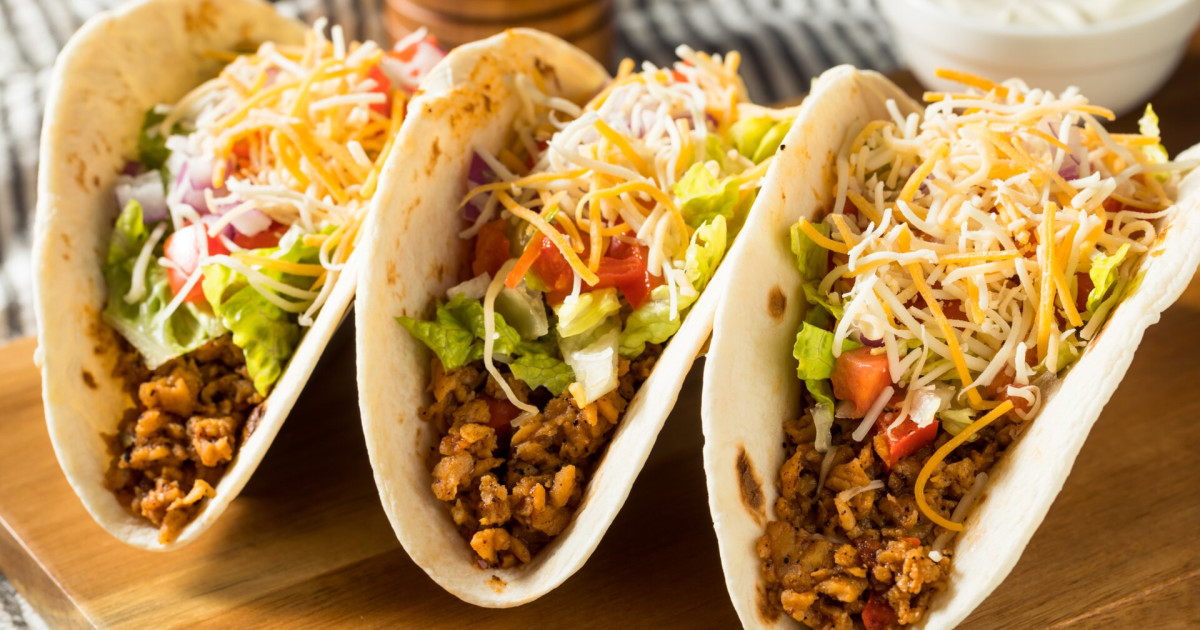
Del Taco's Quiet Closures Shake Loyal Fans
A 62-year-old Mexican fast-food icon, Del Taco, is silently vanishing from key markets as over 20 locations shutter abruptly. The chain, known for tacos and burritos rivaling Taco Bell, faced a harsh blow when franchisee Matador Restaurant Group filed for Chapter 11 bankruptcy in July 2025, closing all 11 Georgia spots and 11 in Alabama without warning to customers or even Del Taco itself.
Franchise Woes and Sudden Exits
Signs on darkened windows in cities like Snellville, Smyrna, and Columbus simply read, "We are sorry for the inconvenience, but our store has been closed permanently." This marks Del Taco's third exit from Georgia since 2012. Similar troubles hit other franchisees, like Newport Ventures in Colorado, which closed 18 units last year. Despite national expansion efforts post its 2022 $585 million sale by Jack in the Box, declining sales for five quarters have fueled the instability.
Future Uncertain for the Chain
Del Taco explores reopening options amid bankruptcy proceedings, with one Alabama location lingering on its site. Georgia fans now trek to Florida or Myrtle Beach for their fix, highlighting broader challenges in the quick-service sector where franchise financial hits ripple widely.
About the Organizations Mentioned
Del Taco
```html <!DOCTYPE html> <html lang="en"> <head> <meta charset="UTF-8"> <meta name="viewport" content="width=device-width, initial-scale=1.0"> <title>Del Taco: From Desert Tacos to Fast-Food Empire</title> <style> body { font-family: Arial, sans-serif; line-height: 1.6; max-width: 800px; margin: 0 auto; padding: 20px; } h1 { color: #d32f2f; } h2 { color: #333; } p { margin-bottom: 1em; } </style> </head> <body> <h1>Del Taco: From Desert Tacos to Fast-Food Empire</h1> <p>Del Taco, a pioneering **fast-food chain**, blends Mexican-inspired cuisine with American classics like burgers and fries, operating as a **subsidiary** in the competitive quick-service restaurant industry.[3] Founded on September 16, 1964, in Yermo, California, by Ed Hackbarth and David Jameson, the first location—originally "Casa Del Taco"—raked in $169 on opening day with 19¢ tacos and 24¢ cheeseburgers, equivalent to about 900 tacos.[1][2][3]</p> <h2>A Storied History of Growth</h2> <p>Hackbarth, a fast-food veteran since 1954, innovated by merging tacos, tostadas, fries, and burgers—unique in Southern California's scene alongside rivals like Taco Bell.[5] Partnering with developer Jameson and equipment expert Dick Naugle, they formed Red-E-Food Systems in 1966 to franchise, hitting 50 stores by 1977 and 100 by 1978.[1][2][3
Matador Restaurant Group
**Matador Restaurant Group: A Mexican Restaurant Chain's Journey** Matador Restaurant Group operates as a **Del Taco franchisee** based in Greenville, South Carolina, managing 22 Mexican fast-food locations across Georgia and Alabama[4]. The company is wholly owned by Red Door Brands, a parent organization that also operates Little Caesars, McAlister's Deli, and Arby's[4]. However, it's important to distinguish this from **The Matador**, an upscale Mexican restaurant chain founded in 2004 by Nate Opper and Zak Melang, headquartered in Seattle, Washington[1]. The Matador focuses on craft dining with made-from-scratch Mexican cuisine and an extensive tequila selection, featuring over 100 different tequilas at some locations[1][2]. The chain is known for distinctive interior design, with owner Melang personally creating ironwork and designing bar and tabletops for each location[1]. **Current Status and Challenges** The Del Taco franchisee Matador Restaurant Group filed for **Chapter 11 bankruptcy protection on July 15, 2025**[3]. The company cited financial struggles stemming from rapid growth, unexpected sales declines beginning in late 2024, and rising operational costs[4]. A critical factor in their distress was the decision to take out merchant cash advance (MCA) loans totaling over $2.7 million across 10 separate loans from nine creditors[3]. These high-interest loans with aggressive repayment terms further deteriorated the company's financial position[6]. The bankruptcy filing became necessary when creditors filed UCC-1 financing statements and placed liens on company accounts, severely restricting operational cash flow[4]. Despite cost-reduction efforts, the company
Taco Bell
```html <!DOCTYPE html> <html lang="en"> <head> <meta charset="UTF-8"> <meta name="viewport" content="width=device-width, initial-scale=1.0"> <title>Taco Bell: From Humble Tacos to Global Fast-Food Giant</title> <style> body { font-family: Arial, sans-serif; line-height: 1.6; max-width: 800px; margin: 0 auto; padding: 20px; } h1 { color: #d32f2f; text-align: center; } h2 { color: #1976d2; } p { margin-bottom: 1em; } </style> </head> <body> <h1>Taco Bell: From Humble Tacos to Global Fast-Food Giant</h1> <p><strong>Taco Bell</strong>, the iconic Mexican-inspired fast-food chain, revolutionized quick-service dining with its crunchy tacos and bold flavors. Founded in 1962 by entrepreneur Glen Bell in Downey, California, it has grown into a global powerhouse under Yum Brands, boasting over 8,500 locations across 30+ countries.[1][4]</p> <h2>A Pioneering History</h2> <p>Glen Bell, a former Marine, drew inspiration from San Bernardino's Mitla Cafe, famous for hard-shell tacos. After running Bell's Drive-In and Taco Tia, he launched Taco Bell in a modest 400-square-foot spot, selling tacos, burritos, and tostadas for 19 cents each.[1][2][7] Rapid expansion followed: the first franchise in 1964 to Kermit Becky, the 100th store by 1967, and going public in 1970 with 325 U.S. locations. PepsiCo's $125 million acquisition in 19
Newport Ventures
```html <!DOCTYPE html> <html lang="en"> <head> <meta charset="UTF-8"> <meta name="viewport" content="width=device-width, initial-scale=1.0"> <title>Newport Ventures: Pioneers in Building Sustainability</title> <style> body { font-family: Arial, sans-serif; line-height: 1.6; max-width: 800px; margin: 0 auto; padding: 20px; } h1 { color: #2c3e50; } h2 { color: #34495e; } p { margin-bottom: 1em; } </style> </head> <body> <h1>Newport Ventures: Driving Energy Efficiency and Sustainable Buildings</h1> <p>Founded in 2002, **Newport Ventures** stands as a dedicated team of building scientists, engineers, and consultants headquartered in Schenectady, New York, with a mission to enhance building performance, boost energy efficiency, and champion sustainability.[2][3] From their base at 22 Jay St, the firm has collaborated with hundreds of public and private sector clients, transforming how buildings are designed, constructed, and operated.[3]</p> <h2>Core Services and Expertise</h2> <p>Newport Ventures excels in **modeling, testing, plan review, code training, and market research**. They deliver tailored support to builders, trades, and code officials, fostering sustainable practices across residential and commercial projects. Their work spans energy code adoption, building science analysis, and program management, making complex technical challenges accessible and actionable.[1][2][3]</p> <h2>Impressive Achievements</h2> <p>Key milestones include completing **over 30,000 energy and building research projects**, serving **200+ clients**, delivering **1
Jack in the Box
```html <!DOCTYPE html> <html lang="en"> <head> <meta charset="UTF-8"> <meta name="viewport" content="width=device-width, initial-scale=1.0"> <title>Jack in the Box: From Drive-In Pioneer to Fast-Food Icon</title> <style> body { font-family: Arial, sans-serif; line-height: 1.6; max-width: 800px; margin: 0 auto; padding: 20px; } h1 { color: #d32f2f; text-align: center; } h2 { color: #333; border-bottom: 2px solid #d32f2f; padding-bottom: 10px; } p { margin-bottom: 15px; } ul { margin-bottom: 15px; } </style> </head> <body> <h1>Jack in the Box: From Drive-In Pioneer to Fast-Food Icon</h1> <p><strong>Jack in the Box Inc.</strong> is a leading American fast-food chain specializing in burgers, tacos, breakfast sandwiches, and innovative menu items, operating over 2,200 locations primarily on the West Coast and select urban areas like Phoenix, Dallas, and Guam.[1][7]</p> <h2>A Storied History of Innovation</h2> <p>Founded on February 21, 1951, by Robert O. Peterson in San Diego, California—where it remains headquartered—the chain evolved from Topsy's Drive-In (1941) and Oscar's, pioneering the drive-thru concept that revolutionized quick service.[1][3][4] By 1961, it had grown to 24 units, exploding to 182 by 1966 and nearly 900 by the late 1960s.[2][3] Peterson's Foodmaker Inc