Fact-Checking Trump's Detroit Economic Speech: Inflation, Tariffs, and Reality

Fact-Checking Trump's Detroit Economic Speech
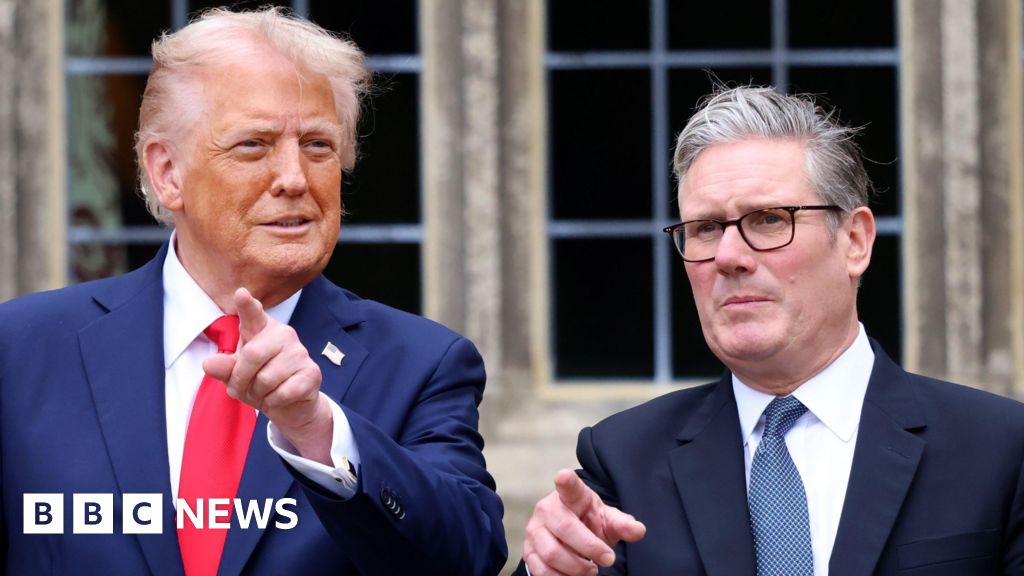
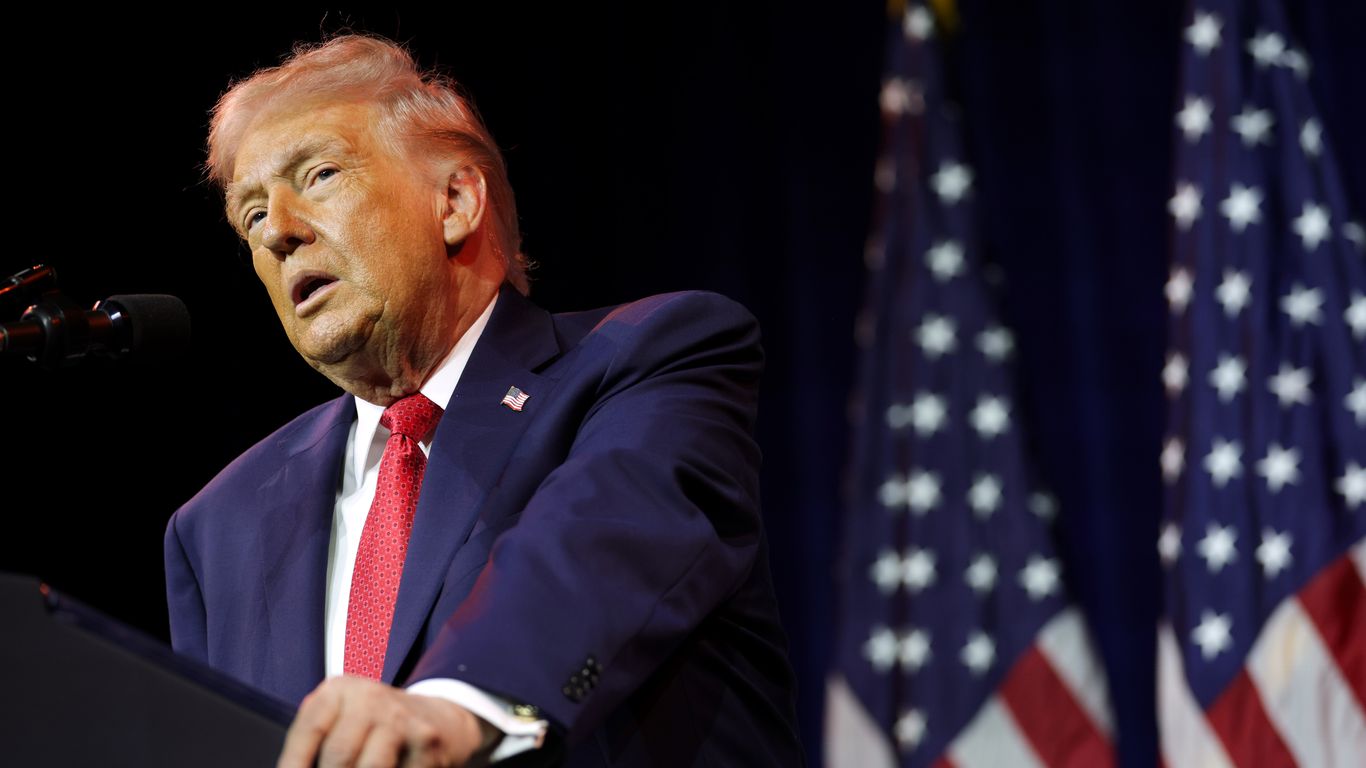
President Donald Trump delivered a speech to the Detroit Economic Club, boasting of the "strongest economic turnaround in history." He claimed grocery prices are plummeting rapidly, inflation is defeated, and investments are booming under his policies. Yet, fact-checks reveal numerous inaccuracies littering his remarks, downplaying persistent economic pressures on Michigan families.
Inflation and Price Claims Debunked
Inflation held steady at 2.7% year-over-year, not stopped as Trump asserted. Grocery prices continue rising since his return to office, contradicting his narrative of rapid declines in rents, airfares, and hotel rates. Consumer sentiment has plunged to near-record lows, from 71.7 in early 2025 to 51 by November, signaling widespread pessimism despite slower job growth at just 584,000 for the year—the lowest since 2003 outside recessions.
Tariffs and Broader Economic Reality
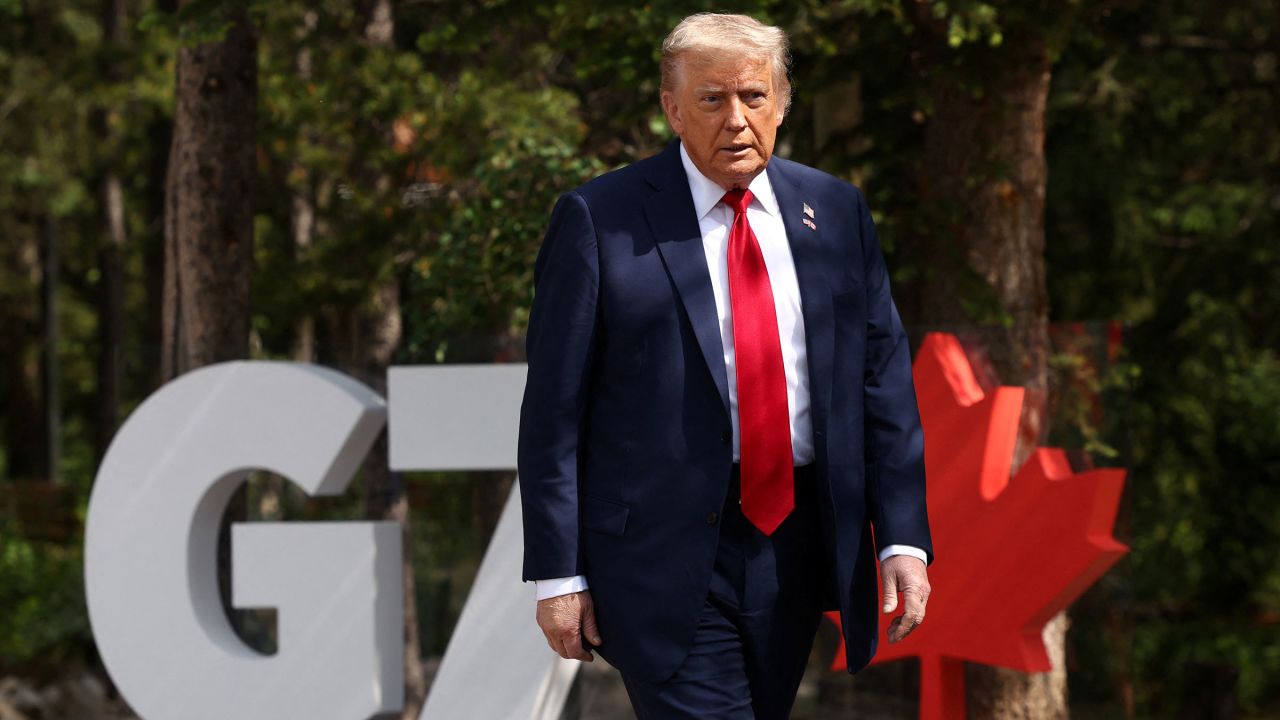
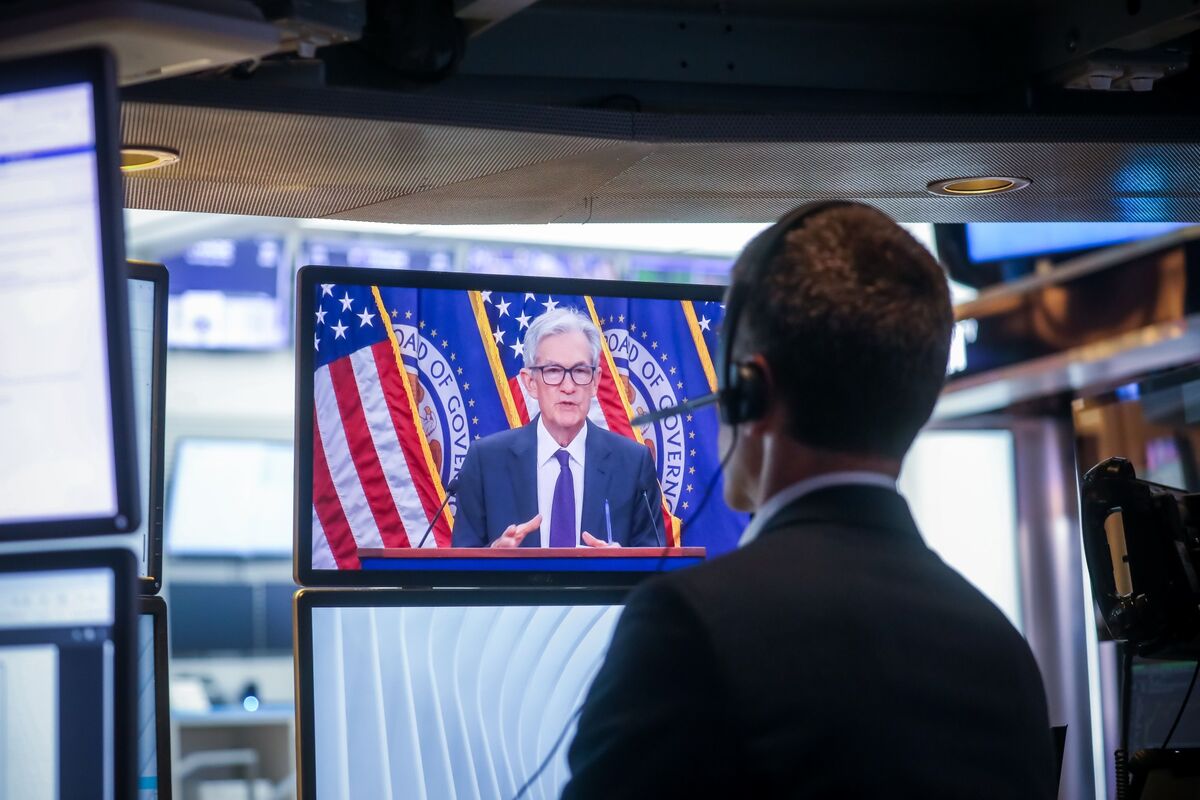
Trump touted tariffs boosting manufacturing, yet U.S. businesses and consumers bear the costs, not foreign nations. His attacks on Federal Reserve Chair Jerome Powell escalated amid investigations, but evidence shows living costs remain high for Detroit-area residents. These false claims risk eroding trust in real economic progress.
About the People Mentioned
Donald Trump
Donald John Trump, born June 14, 1946, in Queens, New York, is an American businessman, media personality, and politician. He graduated from the University of Pennsylvania’s Wharton School in 1968 with a degree in economics. In 1971, he took over his family’s real estate business, renaming it the Trump Organization, through which he expanded into building and managing skyscrapers, hotels, casinos, and golf courses. Trump gained widespread fame as the host of the reality TV show *The Apprentice* from 2004 to 2015, which helped establish his public persona as a successful entrepreneur. Trump entered politics as a Republican and was elected the 45th president of the United States, serving from 2017 to 2021. His presidency was marked by significant policy actions including tax cuts, deregulation, the appointment of three Supreme Court justices, renegotiation of trade agreements (notably replacing NAFTA with the USMCA), and a focus on immigration control including border wall expansion. He withdrew the U.S. from international agreements such as the Paris Climate Accord and the Iran nuclear deal, and engaged in a trade war with China. His administration’s response to the COVID-19 pandemic was criticized for downplaying the virus’s severity. Trump was impeached twice by the House of Representatives—first in 2019 for abuse of power and obstruction, and again in 2021 for incitement of insurrection—but was acquitted by the Senate both times. After losing the 2020 election to Joe Biden, Trump challenged the results, culminating in the January 6, 2021, Capitol riot. He remains a central figure in American politics, having won the 2024 presidential election and returned as the 47th president in 2025, continuing to promote policies aimed at economic growth, border security, and military strength[1][2][3][4].
Jerome Powell
Jerome H. Powell is the Chair of the Board of Governors of the Federal Reserve System, the central bank of the United States, a position he has held since February 2018 following his initial appointment by President Donald Trump and subsequent reappointment by President Joe Biden for a second four-year term in May 2022[2][5]. He also chairs the Federal Open Market Committee, the Fed’s principal monetary policymaking body[2]. Powell’s tenure spans some of the most significant economic challenges in recent U.S. history, including the post-Great Recession recovery and the financial fallout from the COVID-19 pandemic[3][6]. Born on February 4, 1953, in Washington, D.C., Powell holds an AB in politics from Princeton University (1975) and a law degree from Georgetown University (1979), where he was editor-in-chief of the Georgetown Law Journal[2]. His career before the Fed included roles as a lawyer and investment banker in New York City, a partner at The Carlyle Group (1997–2005), and a visiting scholar at the Bipartisan Policy Center focusing on fiscal issues[2][5]. He served as both Assistant Secretary and Under Secretary of the Treasury under President George H.W. Bush, with responsibilities for financial institutions and the Treasury debt market[2][5]. Powell was first nominated to the Federal Reserve Board by President Barack Obama in 2012 and assumed office in May of that year, later being reappointed for a term ending January 31, 2028[2][8]. As Fed Chair, he initially continued the policy of gradually raising interest rates—a process begun under his predecessor, Janet Yellen—to return monetary policy to more normal levels after the 2007–08 financial crisis[3]. This approach drew criticism from President Trump, who publicly opposed further rate hikes, but Powell maintained that such measures were necessary to prevent inflation and ensure long-term stability[3]. Powell’s leadership was again tested during the COVID-19 pandemic, when he led the Fed in slashing interest rates to near zero, launching emergency lending programs, and purchasing corporate debt to stabilize financial markets—actions that significantly expanded the central bank’s role in the economy[3]. Despite political pressures from both Democratic and Republican administrations, Powell has been praised for his steady, data-driven approach to monetary policy[6]. He resides in Chevy Chase, Maryland, with his wife and three children[6]. As of 2025, Powell remains a central figure in U.S. and global economic policy, overseeing the Fed’s efforts to balance inflation control with support for economic growth amid ongoing uncertainties in the financial landscape[2][5].
About the Organizations Mentioned
Detroit Economic Club
The **Detroit Economic Club (DEC)** is a prestigious non-partisan, non-profit organization that serves as one of the world's top speaking forums for discussing critical business, government, and social issues.[1][7] ## History and Mission Founded in 1934 during the Great Depression, when Detroit's industrial economy was severely damaged, the DEC was established to provide a platform for debate and discussion on major economic and social matters.[1][2][3] For over 90 years, it has maintained this core mission while evolving into a vital institution shaping discourse on contemporary challenges. ## Notable Achievements and Influence The organization has hosted **every U.S. President since Richard Nixon**, demonstrating its significance as a national platform.[1][8] Fortune 100 CEOs and top government officials regularly deliver thought leadership from the DEC's podium, establishing it as a premier venue for influential speakers and policy discussions.[1] ## Current Operations Under the leadership of President & CEO Steve Grigorian, the DEC continues to offer exceptional networking opportunities with regional and national leaders.[1] The organization has expanded beyond its core mission to include the **Young Leaders and Student Programs**, which provide mentorship and development opportunities for future generations of business and civic leaders.[1] ## Key Characteristics The DEC distinguishes itself through its commitment to inclusion and its role as a vital Detroit institution with global impact.[1] The organization combines high-profile speakers with premium networking, creating an environment where influential figures and emerging leaders can exchange ideas on pressing economic and social topics. Today, the Detroit Economic Club remains a cornerstone of Detroit's business community, continuing its 90-year legacy of fostering informed dialogue on issues that shape both the region and the nation's economic future.
Federal Reserve
## Overview and Mission The Federal Reserve, often called the "Fed," is the central bank of the United States, established by Congress in 1913 to provide the nation with a safer, more flexible, and stable monetary and financial system[1]. Its mission centers on a dual mandate from Congress: to promote maximum employment and maintain price stability, ensuring the dollar retains its value over time[1]. The Fed operates through a unique hybrid structure, combining a national Board of Governors in Washington, D.C., with 12 independent regional Reserve Banks, including institutions like the Cleveland Fed[1]. This decentralized setup allows the Fed to closely monitor economic conditions across diverse regions, industries, and communities, while maintaining independence from short-term political influences[1]. ## Key Functions The Fed’s responsibilities are broad and vital to the U.S. economy. It conducts monetary policy—primarily by influencing interest rates—to achieve its employment and inflation goals[2]. The Fed also supervises and regulates banks to ensure the safety and soundness of the financial system, works to minimize systemic risks, and fosters efficient payment and settlement systems[2]. Additionally, it promotes consumer protection and community development, addressing emerging issues through research, supervision, and enforcement of consumer laws[2]. ## History and Evolution The Federal Reserve is the third central bank in U.S. history, following two failed attempts in the 19th century[1]. Its creation was a response to the financial turbulence of the early 20th century, aiming to prevent crises and stabilize the economy. Over time, the Fed has evolved, adopting more transparent and inclusive policymaking processes. For example, it now conducts regular reviews of its monetary policy framework, engaging with academics, businesses, and the public to refine its strategies and communications[3][5]. ## Recent Developments and Achievements In 2025, the Fed completed its second major review of its monetary policy strategy, tools, and communications, reaffirming its commitment to transparenc