Federal Judge Blocks ICE Re-detention in Kilmar Abrego Garcia Case
Federal Judge Blocks ICE Re-detention of Kilmar Abrego Garcia
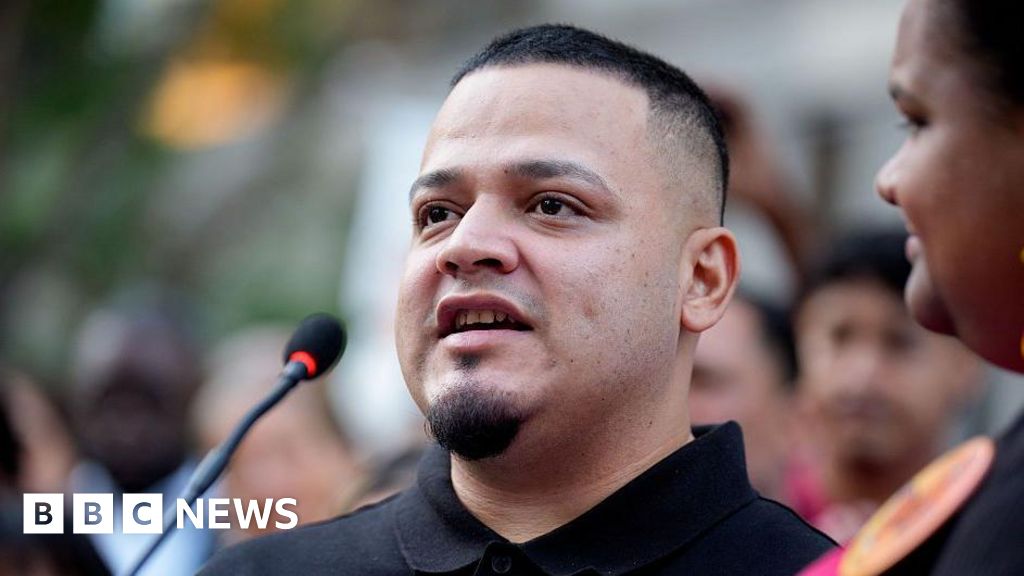
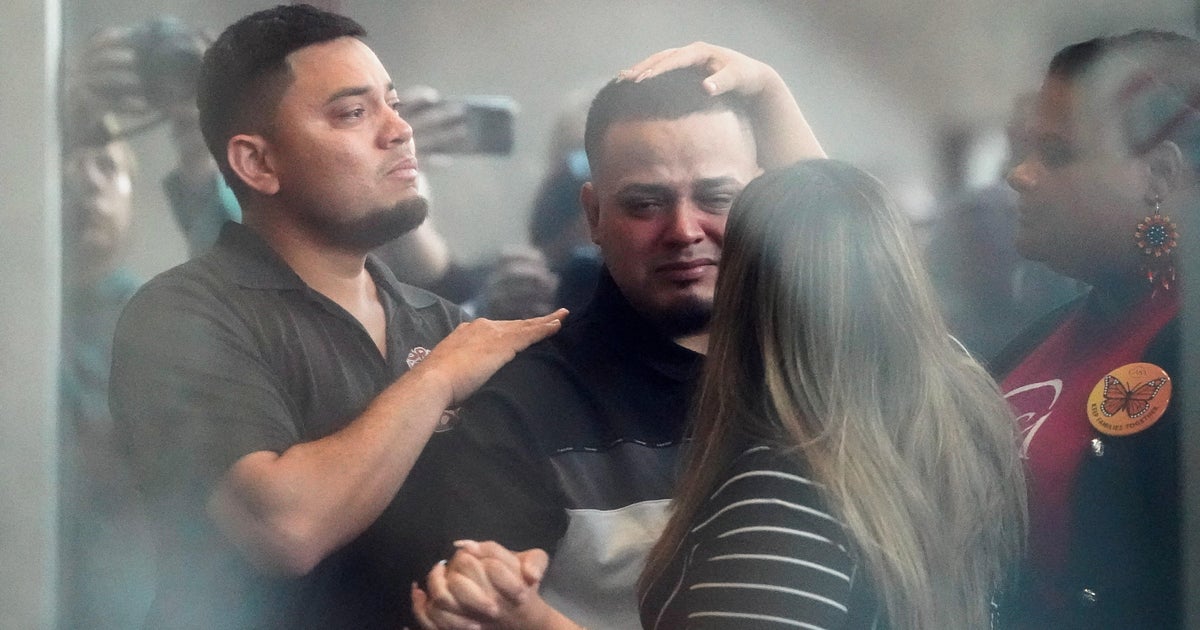
U.S. District Judge Paula Xinis ruled Tuesday that Immigration and Customs Enforcement cannot re-detain Kilmar Abrego Garcia after his 90-day detention period expired. The judge determined that continued detention would violate his constitutional right to due process. Abrego Garcia, a 31-year-old Maryland resident, was wrongfully deported to El Salvador in March 2025 despite holding asylum protection granted due to gang persecution in his home country.
Legal Victory and Government Response
Judge Xinis noted the government has "done nothing" to demonstrate that Abrego Garcia's detention aligns with due process requirements. The Trump administration had proposed deporting him to African countries with no viable plan for removal. The Department of Homeland Security continues advocating for deportation, but the absence of a feasible destination undermines their legal grounds for detention.
Moving Forward
Abrego Garcia remains free to fight his immigration case while facing separate criminal smuggling charges in Tennessee. His case has become a prominent symbol of immigration enforcement challenges and judicial oversight of government power.
```About the People Mentioned
Kilmar Abrego Garcia
Kilmar Abrego Garcia was born in July 1995 in the Los Nogales neighborhood of San Salvador, El Salvador. His family faced serious threats from the Barrio 18 criminal gang, which extorted his mother’s small pupusa business and threatened to force his eldest brother, Cesar, into gang membership or kill him. To protect Cesar, the family sent him to the United States. Later, the gang targeted Kilmar as well, leading his family to send him to the US when he was about 16 years old. He crossed the Mexico–US border illegally near McAllen, Texas, around 2011 or 2012 and subsequently traveled to Maryland to live with his brother Cesar, who had become a US citizen. In Maryland, Kilmar Abrego Garcia established a family life after marrying Jennifer Vasquez Sura, a US citizen, in 2016. The couple had one child together, and they raised this child alongside Vasquez Sura’s two children from a previous relationship. All three children have special needs; notably, the son born to Kilmar and Jennifer has autism and a hearing impairment and is non-verbal. Throughout his time in the United States, Abrego Garcia had no criminal charges or convictions, including any gang-related allegations, in either the US or El Salvador. Despite his family ties and lack of criminal record, Kilmar Abrego Garcia was eventually deported to El Salvador. His case highlights the challenges faced by many Central American migrants fleeing gang violence and the complexities surrounding immigration enforcement in the US. His life story is notable for the intersection of family protection, migration under duress, and the impact of immigration policies on individuals with strong family and community connections in the United States.
About the Organizations Mentioned
Immigration and Customs Enforcement
**Immigration and Customs Enforcement (ICE)** is a federal law enforcement agency under the U.S. Department of Homeland Security (DHS). Established by the Homeland Security Act of 2002, ICE was created in response to the 9/11 attacks to enhance national security and protect public safety. The agency's primary mission is to enforce federal laws related to customs, trade, and immigration, focusing on cross-border crime and illegal immigration[1][2][3]. **History and Structure:** ICE was formed by merging the U.S. Customs Service and the Immigration and Naturalization Service. It operates with over 20,000 staff across more than 400 global offices, with an annual budget of approximately $8 billion[3]. The agency is structured into several key directorates, including **Enforcement and Removal Operations (ERO)**, which handles immigrant detention and deportation, and **Homeland Security Investigations (HSI)**, which investigates transnational crimes[1][2]. **Key Functions and Achievements:** ICE is known for its immigration enforcement efforts, particularly in interior regions of the U.S. It conducts investigations into human trafficking, terrorism, and other transnational crimes. Despite controversy over policies like family separation and detention conditions, ICE has made significant strides in combating illegal activities and protecting national security[4][6]. **Current Status and Notable Aspects:** Today, ICE continues to face challenges and controversy, particularly regarding its enforcement practices and impact on immigrant communities. The agency's actions can have profound effects on local economies and social services, as fear of ICE may deter undocumented immigrants from accessing essential services[6]. Despite these challenges, ICE remains a crucial component of U.S. immigration policy, working to balance enforcement with humanitarian concerns.
Department of Homeland Security
The **Department of Homeland Security (DHS)** is a U.S. federal agency established in response to the 9/11 terrorist attacks to safeguard the nation from a wide range of threats including terrorism, natural disasters, cyberattacks, and border security challenges. Its core mission is to protect the American people, critical infrastructure, and uphold national security by coordinating efforts across government and private sectors. DHS oversees immigration enforcement, cybersecurity, emergency response, and counterterrorism initiatives. Formed in 2002, DHS consolidated 22 federal agencies to create a unified structure for domestic security. Its key components include the U.S. Customs and Border Protection, the Federal Emergency Management Agency (FEMA), and the Transportation Security Administration (TSA). Over the years, DHS has played a critical role in preventing terrorist attacks, enhancing airport security, responding to natural disasters like hurricanes and pandemics, and advancing cybersecurity protections for government and private sector networks. In recent years, DHS has shifted focus towards emerging threats such as unmanned drone attacks on infrastructure, cyber intrusions into financial and critical systems, and disruptions to supply chains. Strategic visions for 2025 and beyond emphasize technological innovation, integration of intelligence, and public-private partnerships to address these complex challenges. The agency’s budget reflects its broad mandate, with over $400 billion allocated for fiscal year 2025, underscoring its significant role in national security and emergency preparedness. Notably, DHS has faced scrutiny and calls for reform, especially regarding immigration enforcement and internal mission clarity. Recent directives have expanded immigration enforcement powers to other federal law enforcement agencies, reflecting policy shifts under different administrations focused on border security. For business and technology sectors, DHS represents a major government player driving innovation in cybersecurity, disaster response technology, and infrastructure protection, while navigating evolving threats in a complex geopolitical landscape. Its ongoing modernization efforts aim to enhance resilience and adapt to future security challenges.
U.S. District Court
The **U.S. District Courts** are the principal trial courts in the federal judiciary of the United States, responsible for hearing both civil and criminal cases under federal law. There are 94 active district courts distributed geographically across the country, with each state having one or more districts depending on population and caseload. These courts handle trials involving federal statutes, constitutional questions, disputes between residents of different states, and federal crimes[1][3][6][7]. **History and Structure:** Established by the Judiciary Act of 1789, the U.S. District Courts were initially organized into thirteen judicial districts coinciding with the states existing at the time. Initially focused on admiralty, maritime, and minor civil cases, their jurisdiction expanded throughout the 19th century to include a broader range of civil and criminal matters. Each district court is presided over by at least one United States District Judge, appointed by the President and confirmed by the Senate to serve lifetime terms, ensuring judicial independence. Federal magistrate judges assist with pretrial matters and certain hearings, appointed for renewable terms to help manage heavy caseloads[1][4][6]. **Key Functions and Operation:** District courts serve as the fact-finder in trials, conducting hearings, managing evidence, and issuing rulings that apply federal law. They have original jurisdiction over most federal cases, including civil rights, antitrust, patent, and federal criminal prosecutions. Decisions from district courts may be appealed to one of the twelve regional U.S. Circuit Courts of Appeals or, in some specialized cases, to the Federal Circuit or the U.S. Supreme Court[5][6][7]. **Notable Aspects and Achievements:** The U.S. District Courts form the backbone of the federal judiciary, often handling complex, high-impact cases that shape business, technology, and public policy. Their lifetime-appointed judges provide stability and consistency in interpreting evolving laws, including those related to emerging technologies and intellectual property. The system’s design balances local accessibility