Trump Admin Escalates Deportation Fines in Million-Dollar Lawsuit
Trump Administration Escalates Deportation Fines with Million-Dollar Lawsuit
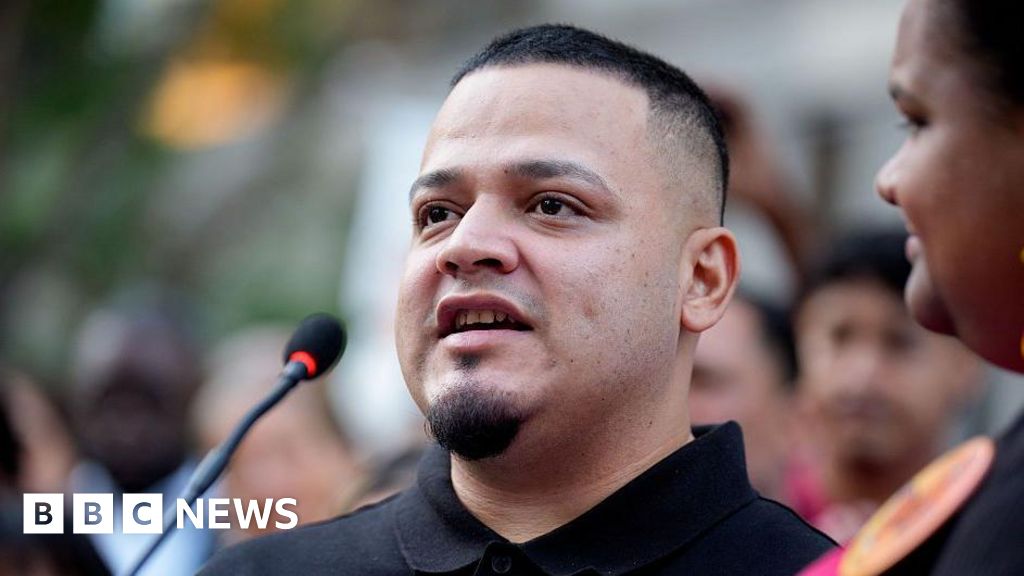
The Trump administration has filed a high-profile lawsuit against Marta Alicia Ramirez Veliz, a Virginia woman ordered to self-deport in 2022, demanding nearly $1 million in penalties for overstaying.[1][2] This action marks a aggressive shift in immigration enforcement, invoking a 1996 law signed by President Clinton that imposes civil fines on those who willfully ignore deportation orders.[2] Veliz faces $988 daily fines—adjusted for inflation from the original $500—totaling $941,114 plus interest after more than three years in the U.S.[1]
A Broader Wave of Litigation and Enforcement
This suit is part of a larger campaign, with DHS issuing fine notices to over 9,000 individuals by June 2025, amounting to nearly $3 billion.[1] Unlike Trump's first term, where minimal fines yielded scant collections, the government now pursues court enforcement, wage garnishment, and asset seizures to compel compliance.[2] Critics, including immigrant advocates, argue these massive penalties target low-wage workers and bypass due process requirements for "willful" violations, sparking class-action challenges in federal courts.[2]
Implications for Immigrants and Policy Debates
As self-deportation pressures mount amid rapid detentions and attorney access blocks, this strategy aims to deter unlawful presence but fuels legal battles over fairness.[2][5] With revocation of programs like family reunification parole, the administration's tactics signal intensified delegalization efforts, reshaping immigration landscapes.[3]
About the Organizations Mentioned
Department of Homeland Security
The **Department of Homeland Security (DHS)** is a U.S. federal agency established in response to the 9/11 terrorist attacks to safeguard the nation from a wide range of threats including terrorism, natural disasters, cyberattacks, and border security challenges. Its core mission is to protect the American people, critical infrastructure, and uphold national security by coordinating efforts across government and private sectors. DHS oversees immigration enforcement, cybersecurity, emergency response, and counterterrorism initiatives. Formed in 2002, DHS consolidated 22 federal agencies to create a unified structure for domestic security. Its key components include the U.S. Customs and Border Protection, the Federal Emergency Management Agency (FEMA), and the Transportation Security Administration (TSA). Over the years, DHS has played a critical role in preventing terrorist attacks, enhancing airport security, responding to natural disasters like hurricanes and pandemics, and advancing cybersecurity protections for government and private sector networks. In recent years, DHS has shifted focus towards emerging threats such as unmanned drone attacks on infrastructure, cyber intrusions into financial and critical systems, and disruptions to supply chains. Strategic visions for 2025 and beyond emphasize technological innovation, integration of intelligence, and public-private partnerships to address these complex challenges. The agency’s budget reflects its broad mandate, with over $400 billion allocated for fiscal year 2025, underscoring its significant role in national security and emergency preparedness. Notably, DHS has faced scrutiny and calls for reform, especially regarding immigration enforcement and internal mission clarity. Recent directives have expanded immigration enforcement powers to other federal law enforcement agencies, reflecting policy shifts under different administrations focused on border security. For business and technology sectors, DHS represents a major government player driving innovation in cybersecurity, disaster response technology, and infrastructure protection, while navigating evolving threats in a complex geopolitical landscape. Its ongoing modernization efforts aim to enhance resilience and adapt to future security challenges.