Fewer Young Adults Dying From Major Cancers—Except Colorectal
#cancer #colorectal_cancer #screening #prevention #young_adults

Fewer Young Adults Dying from Major Cancers—Except Colorectal
Recent research reveals a bright spot in cancer trends: from 1990 to 2023, U.S. cancer deaths before age 50 dropped 44%, sparing countless lives from breast, lung, brain cancers, and leukemia. Over 1.2 million such deaths occurred, yet mortality fell sharply due to better prevention and treatments[2]. This progress highlights advances in early detection and therapies for these top killers[1][2].
The Alarming Colorectal Cancer Exception
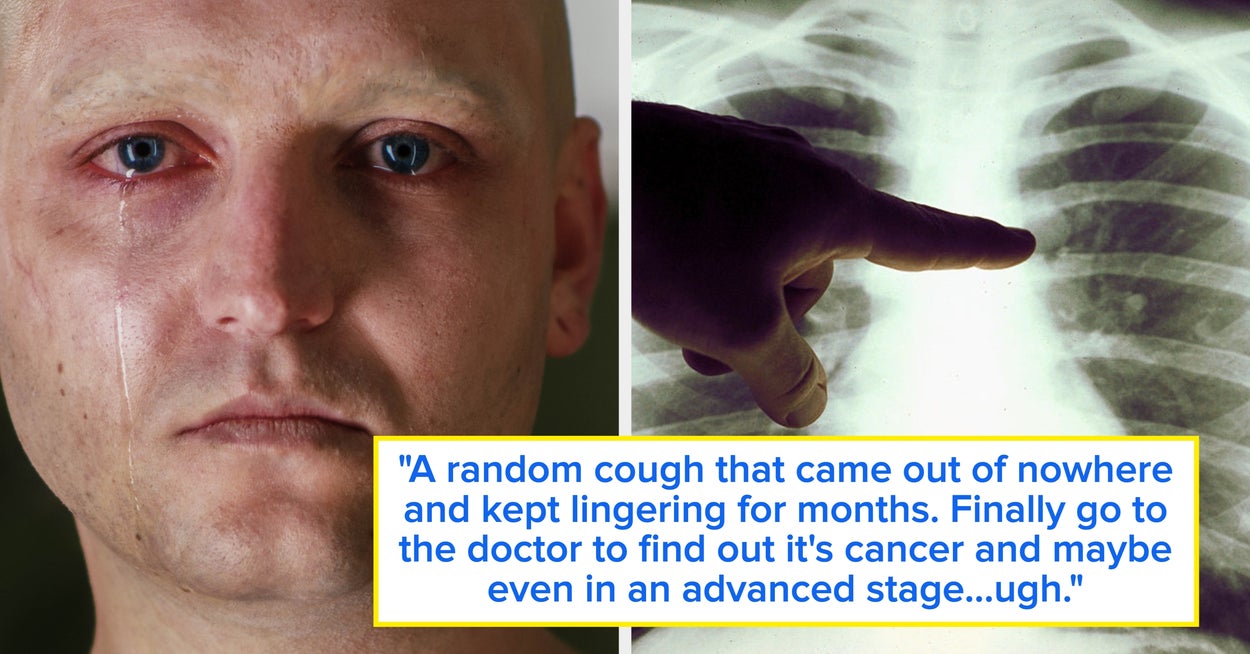
Colorectal cancer bucks the trend, with mortality rising 1.1% yearly since 2005, surging from fifth to the leading cause of cancer death in young men and second in women under 50[2]. In 2023, projections showed 19,550 diagnoses and 3,750 deaths in those under 50, often advanced stage—three in four cases[1][2]. Younger patients, even teens, now face this once "old person's disease," with Yale surgeons noting clusters of cases in people as young as 18[1].
Why the Rise and What to Do
Suspected culprits include sedentary habits, obesity, processed foods, low fiber diets, smoking, alcohol, and environmental factors; family history adds risk[1]. While causes puzzle experts, action is clear: boost symptom awareness, destigmatize discussions, and ramp up screening from age 45 to catch it early and save lives[2].
About the Organizations Mentioned
Yale University
Yale University, a private **Ivy League research university**, stands as the third-oldest higher education institution in the US, founded in 1701 as the Collegiate School in Saybrook, Connecticut, by Congregationalist clergy.[1][2] Renamed Yale College in 1718 after benefactor Elihu Yale, it relocated to New Haven and pioneered the first US PhD in 1861, evolving into a full university by 1887 with expanded graduate and professional programs.[1][2] Spanning a 260-acre central campus in New Haven—plus West Campus for biotech and life sciences research—Yale comprises 15 schools, including Yale College, Graduate School of Arts and Sciences, and Yale Law School.[1][2] Its liberal arts curriculum emphasizes humanities, sciences, writing, quantitative reasoning, and languages, housed in 14 residential colleges modeled on Oxford and Cambridge.[1][3] Core values like excellence, creativity, and engagement drive its mission to educate leaders through innovation and civic involvement.[1][2][3] Key achievements include a stellar faculty: 67 National Academy of Sciences members, 55 in Medicine, and top Ivy League status for doctoral recipients.[2] Undergraduate acceptance is ultra-competitive at 4.46% for the Class of 2026 (2,234 admits from 50,015 applicants), with 98% six-year graduation.[2] The Yale School of Management's EMBA Class of 2026 reflects business-tech prowess: 73 students, 44% women, 32% born abroad, spanning biotech, finance, IT, and pharma.[4] Currently, Yale thrives as a global leader in arts, sciences, engineering, and professions, prioritizing undergraduate excellence alongside research.[2][3] Its West Campus bolsters biotech/pharma innovation, appealing to business-tech audiences.[2] However, it ranks 58th (D- grade) in 202