Finding Peace in the Desert: The Monastery of Christ in the Desert
Finding Peace in the Desert
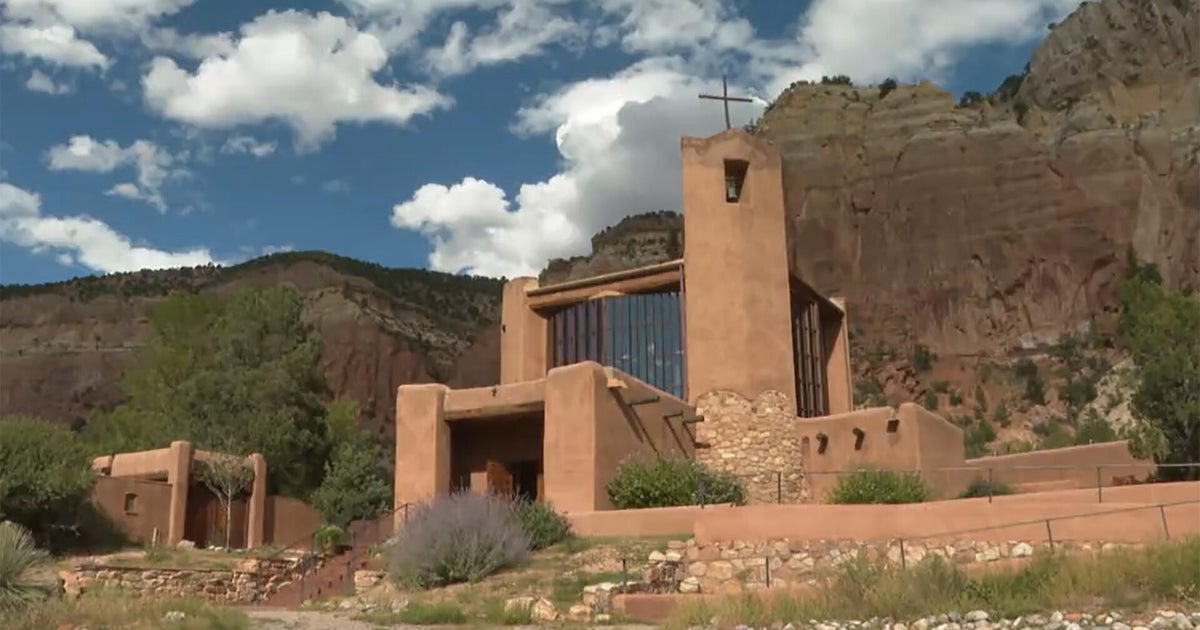
Nestled 75 miles north of Santa Fe along the Chama River, the Monastery of Christ in the Desert offers a sanctuary for those seeking refuge from modern chaos. Founded in 1964 by Father Aelred Wall, this Benedictine community welcomes visitors to experience profound silence and spiritual renewal. The monastery's striking church was designed by renowned architect George Nakashima, blending contemplative architecture with natural desert beauty.
A Monastic Life
Fifteen dedicated monks inhabit this remote retreat, following the Rule of Saint Benedict through prayer and work. The absence of cell phone signals and electrical noise creates an environment where guests can truly disconnect. Brother John Chrysostom, the guestmaster, explains how this silence allows visitors to hear what matters most. The community welcomes both day visitors and overnight guests seeking self-directed retreats and spiritual growth.
Your Retreat Awaits
The monastery opens its doors Monday through Saturday from 9 AM to 5:30 PM, with Sunday services at 9:15 AM. Visitors can participate in daily mass and explore the art gallery. Whether seeking solace or spiritual transformation, this hidden gem provides the quiet sanctuary our turbulent world desperately needs.
```About the Organizations Mentioned
Monastery of Christ in the Desert
# Monastery of Christ in the Desert: A Spiritual Community in the New Mexico Wilderness The Monastery of Christ in the Desert is a Benedictine abbey located in Abiquiu, New Mexico, situated on the banks of the Chama River in a remote canyon setting 75 miles north of Santa Fe.[1] Founded in 1964 by Fr. Aelred Wall with monks from Mount Saviour Monastery in New York, the community has grown into a thriving spiritual center that balances contemplative monastic life with practical self-sufficiency.[1][2] ## Mission and Operations The monastery operates as a Roman Catholic organization dedicated to prayer, stewardship, and hospitality.[2][3] The monks follow the Rule of St. Benedict, which emphasizes a disciplined life of work and prayer. Rather than traditional external apostolates, the community focuses on maintaining a guesthouse for personal retreats, allowing visitors of all faiths to participate in daily worship and experience monastic life.[1][2] The monks welcome both day visitors and overnight guests, with the monastery church open Monday through Saturday from 9 am to 5:30 pm.[6] ## Economic Sustainability and Craftsmanship To achieve financial independence, the monks engage in diverse income-generating activities including agriculture, computer work, and crafting beer, soap, lotions, candles, and pottery.[1] They also maintain a gift shop featuring books and religious items, with an online store extending their reach. The monastery operates without direct financial support from the Catholic Church, relying instead on guest donations and product sales.[6] ## Architectural and Spiritual Significance The abbey was designed by renowned architect and woodworker George Nakashima, whose signature blend of Japanese building techniques and American Modernism defines the monastery's aesthetic.[4] The community currently comprises