Intel's Core Ultra Series 3: A CES 2026 AI-Powered Leap for Ultraportables
Intel's Next-Generation Processor Revolution
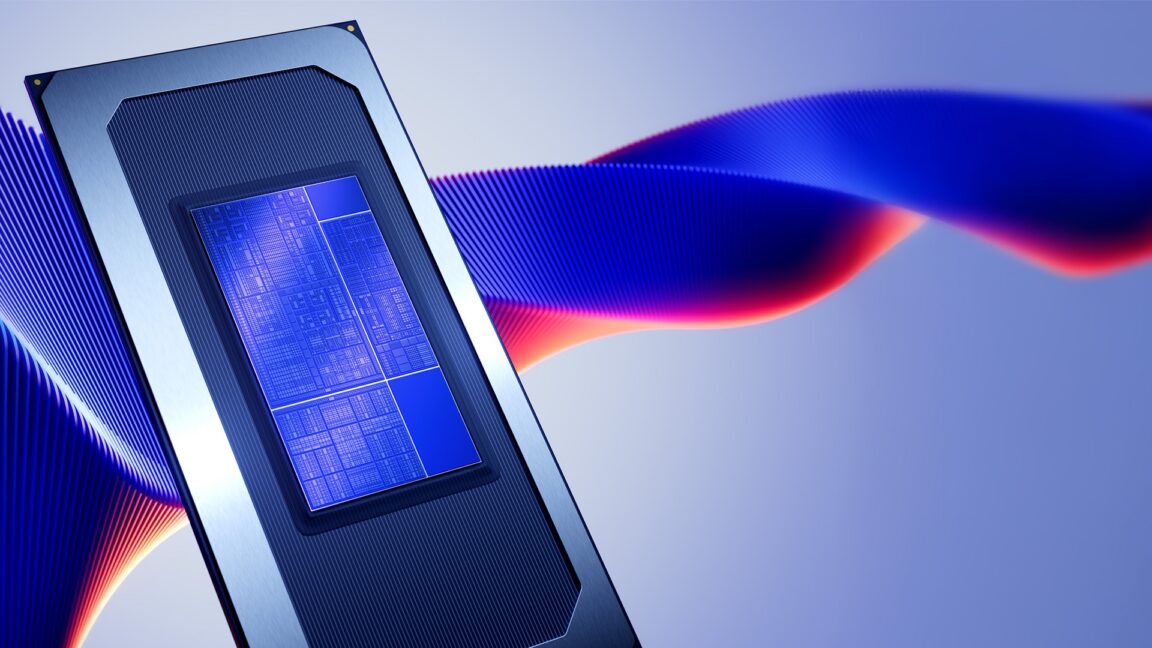
Intel has officially launched its Core Ultra Series 3 processors at CES 2026, marking a pivotal moment in semiconductor innovation. These chips represent the first compute platform built on Intel's 18A process, the most advanced semiconductor manufacturing technology developed and produced in the United States. The new processors are designed specifically for high-end ultraportable laptops, delivering exceptional performance gains over previous generations.
Performance and Efficiency Gains
The Core Ultra Series 3 processors feature up to 16 CPU cores, 12 Xe graphics cores, and 50 NPU TOPS for AI acceleration. Intel claims up to 77 percent faster gaming performance, 60 percent better multithreaded performance, and up to 27 hours of battery life compared to prior generations. These specifications position the new chips as serious competitors in the premium laptop market, targeting professionals and power users seeking cutting-edge performance.
Availability and Market Impact
Available this month, the Core Ultra Series 3 processors will power the next generation of AI-enabled laptops. The integration of advanced AI capabilities within a single system-on-chip design provides superior total cost of ownership compared to traditional multi-chip architectures, making these processors an attractive choice for manufacturers and consumers alike.
```About the Organizations Mentioned
Intel
Intel Corporation is a leading American multinational technology company specializing in the design and manufacture of advanced semiconductors that power computing devices globally. Founded in 1968, Intel pioneered the development of microprocessors, becoming the dominant supplier of x86-based processors for PCs, servers, and other computing platforms. The company is known for its continuous innovation in semiconductor technology and its role in shaping the modern computing landscape. Intel's recent technological advancements include the launch of the Intel® Core™ Ultra series 3 processors (code-named Panther Lake) and Intel® Xeon® 6+ processors (Clearwater Forest), both built on the cutting-edge Intel 18A semiconductor node—currently the most advanced manufacturing node in the United States. These products are manufactured at Intel’s state-of-the-art Fab 52 facility in Chandler, Arizona, showcasing Intel's commitment to domestic production and technological leadership[1]. In the face of intense competition from rivals such as AMD and the architectural shifts exemplified by Apple’s move to its own silicon, Intel has been undergoing significant restructuring. This includes workforce reductions by approximately 15%, aiming to streamline operations, improve efficiency, and focus on core growth areas like AI and data centers. Financially, Intel reported solid demand and revenue resilience, with Q2 2025 revenue reaching $12.9 billion, exceeding guidance despite challenges from one-time costs and impairments[3][5]. The company is also enhancing its foundry business and AI roadmap to strengthen its competitive position and long-term shareholder value[3]. Intel’s strategic partnerships, including a $5 billion investment by Nvidia to jointly develop CPUs, and talks of adding AMD as a foundry customer, highlight its adaptive approach to industry dynamics[6]. Despite recent challenges and market shifts, Intel remains a crucial player in the semiconductor industry, advancing AI-enabled platforms and maintaining a significant impact on the global technology ecosystem[1][6].