Iran Protests: Tragic Toll and Rising Deaths in Crackdowns
Tragic Toll in Iran's Deadly Protests
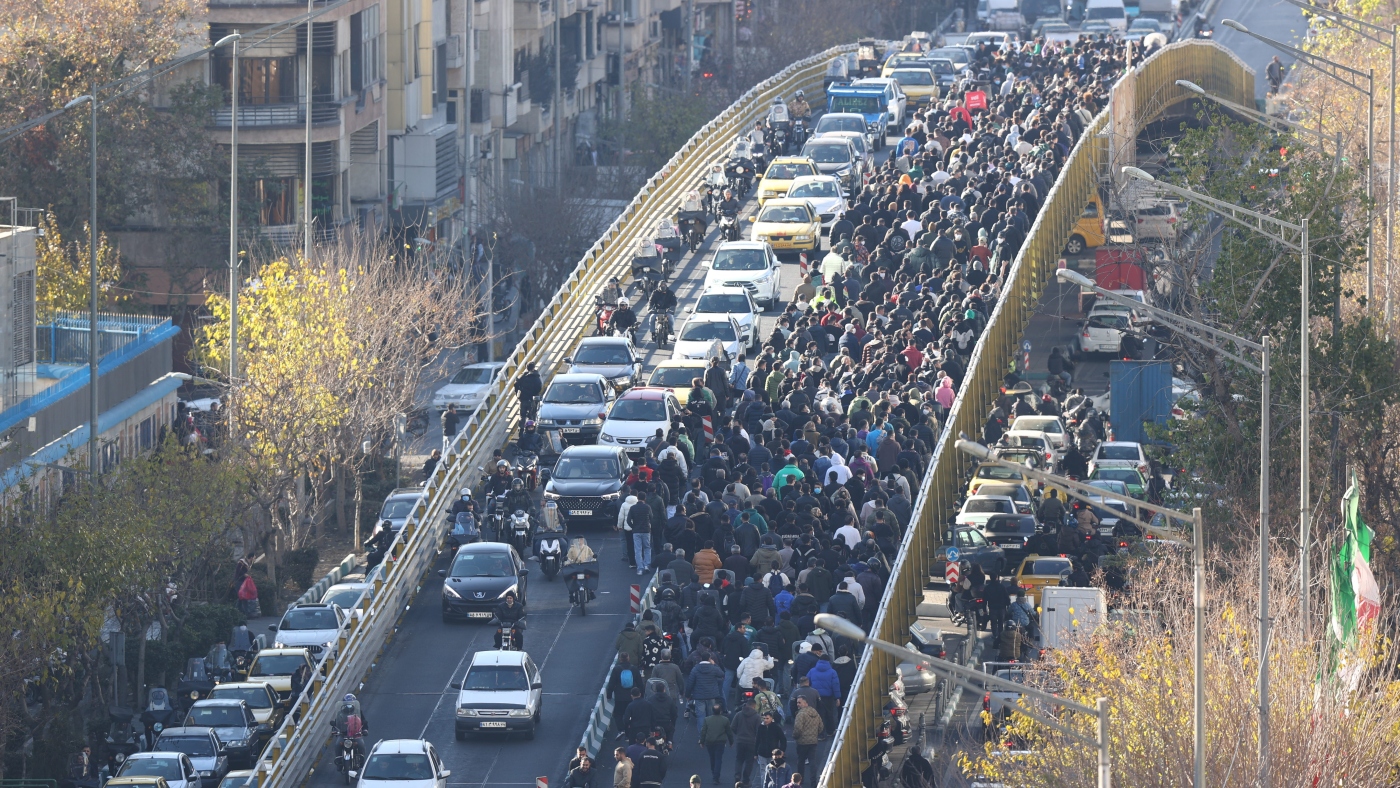
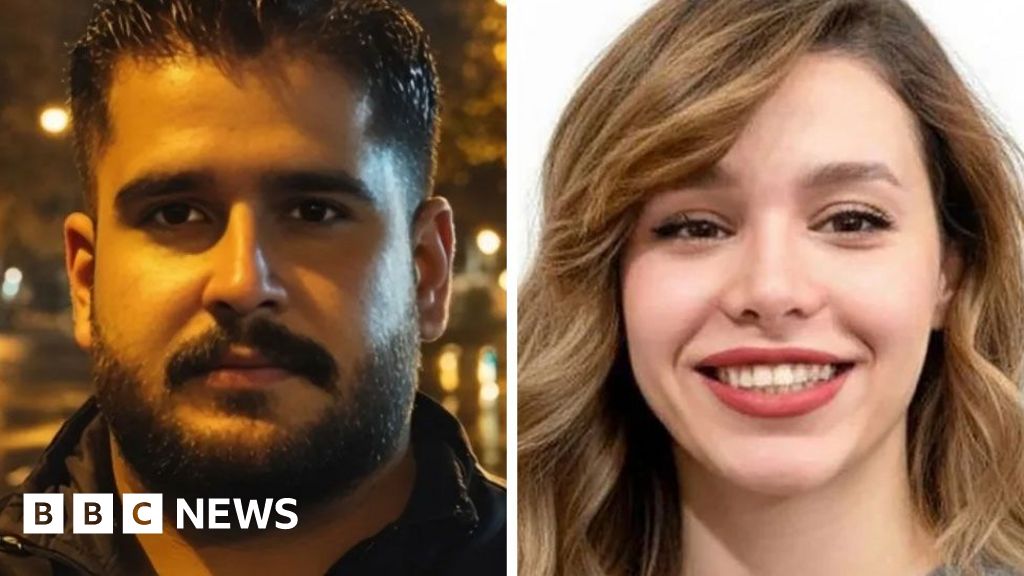
Shocking reports reveal a referee and a student among hundreds slaughtered in Iran's escalating anti-government protests, as security forces unleash brutal crackdowns. Human rights groups estimate over 500 deaths, but insiders whisper far grimmer figures exceeding 12,000, with morgues overflowing and videos capturing piles of bodies bearing gunshot wounds and gashes. This wave of unrest, sparked late last year, has gripped all 31 provinces, fueled by demands for freedom amid internet blackouts hiding the true carnage.
Escalating Violence and Varied Estimates
Protests intensified around January 8, with Tehran witnessing over 200 fatalities in a single day. Activists report children and ordinary citizens gunned down, while authorities claim foreign "terrorists" provoke chaos, pegging deaths at a mere 2,000. Verified footage shows forensic teams documenting horrors at suburban morgues, as security raids hospitals to silence the injured. Global watchdogs like HRANA tally arrests surpassing 10,000 across hundreds of cities.
Global Echoes and Uncertain Future
World leaders condemn the massacres, with tariffs and warnings signaling mounting pressure on Tehran. As voices from within leak devastating numbers during brief communication windows, the world questions if this bloodbath will crush dissent or ignite regime change. The human cost mounts daily, etching a dark chapter in Iran's struggle.
About the Organizations Mentioned
HRANA
**HRANA, the Human Rights Activists News Agency**, is Iran's pioneering specialized news outlet dedicated to documenting and reporting human rights violations, operating under the Human Rights Activists in Iran (HRAI), a non-governmental organization founded in 2006 by Keyvan Rafiee.[1][2][3] It serves as a vital 24/7 source for firsthand accounts, producing over 40% of annual primary reports on Iran's human rights crisis through a network of trained documentarians inside the country.[1][3] HRAI's roots trace to informal activism in 2005, evolving amid severe repression—including imprisonments, exiles, and personnel deaths—into a resilient force by 2009, when HRANA launched as the nation's first human rights-focused press agency.[1][2] Despite pressures over nearly two decades, it has expanded from defense work and legal aid to educational content, field operations, and innovative databases like Spreading Justice (tracking violators), Kardanan (worker empowerment), and the Pasdaran Documentation Project (exposing institutional abuses).[1] Key achievements include real-time monitoring of crises, such as the 2026 Iran protests, where HRANA verified 29 deaths, over 1,200 arrests across 222 locations, and widespread injuries from security forces, amid internet blackouts and regime crackdowns.[5] Experts praise its prison reporting, political independence, and inclusivity—women comprise half its leadership, with representation from minorities—earning endorsements from groups like Human Rights Watch and the International Campaign for Human Rights in Iran.[1][3] Currently, HRANA remains active, delivering exclusive updates on executions, protests, and abuses via structured websites, while navigating ongoing threats.[1][6] Its diverse advisory board bolsters global collaborations, making it indispensable for activists and observers tracking Iran's turbulent landscape. Though not a business entity, HRANA's tech-savvy documentation systems offer lessons in resilient digital journalism amid authoritarianis