We Are Hungry: Protests Ignite Iran's Hinterlands

‘We are hungry’: Protests Ignite Iran’s Hinterlands
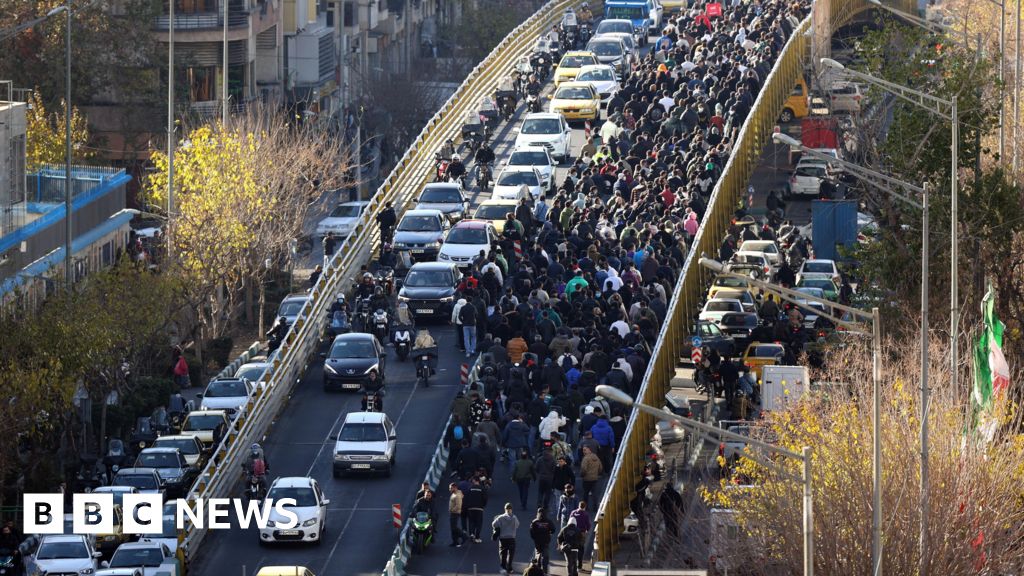
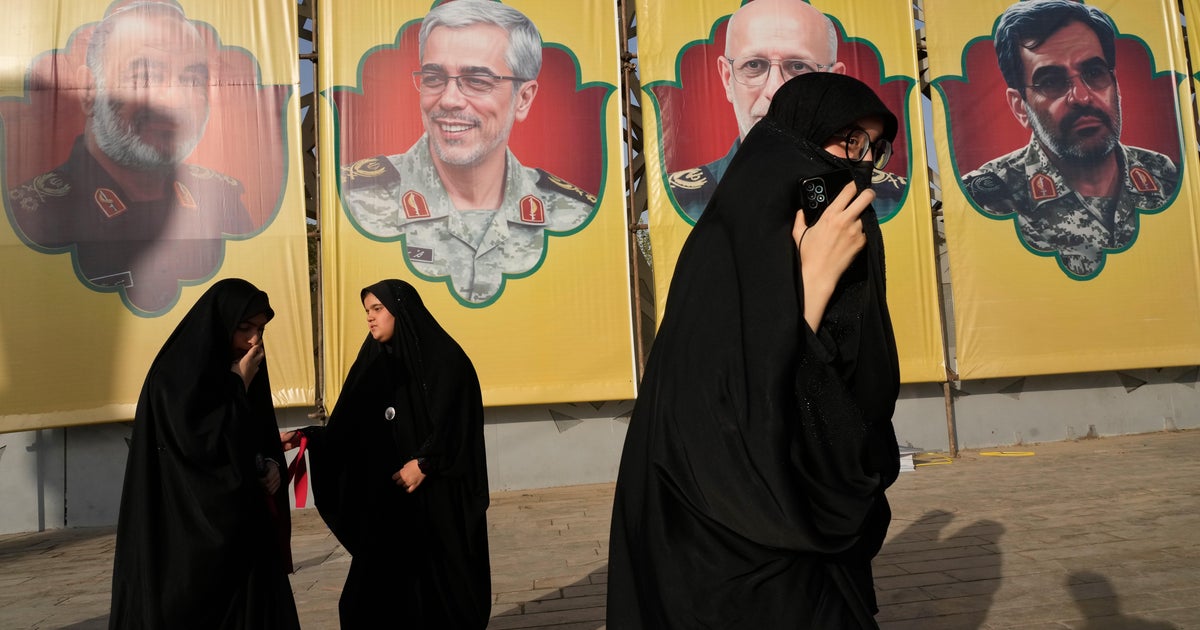
Chants of "We are hungry" echo from Tehran’s Grand Bazaar to remote towns, as mass demonstrations erupt across Iran since December 28, 2025, fueled by crippling economic woes and demands for political reform[1]. Initially centered in the capital, unrest has surged to 107 cities in 27 provinces, including Isfahan, Shiraz, Mashhad, and lesser-known spots like Yasuj, Sangsar, and Kushk[2]. Protesters, including merchants on strike and students at 22 universities, voice fury against Supreme Leader Khamenei with slogans like "Death to the dictator."[1][3]
Escalation in Provincial Strongholds
In Ilam’s Malekshahi County, IRGC forces unleashed live fire on January 3, killing four, including a child, while clashes raged in Kermanshah, Nurabad Mamasani, and Abdanan, where crowds claimed streets amid funerals turning into rallies[3][5]. Isfahan saw youths torch police vehicles at historic bridges, and road blockades flared in Ahvaz. HRANA reports 285 protest sites, 34 deaths, and over 2,000 arrests as bazaar shutdowns spread[1][3]. Khamenei’s "rioters" label spurred brutal crackdowns[3].
Regime’s Grip Falters Amid Nationwide Fury
From Zahedan to Sari, defiant women and laborers amplify grievances over inflation and repression, with activists like Narges Mohammadi calling for regime change[3]. As protests hit day eleven, security forces face hit-and-run tactics, signaling a profound challenge to the Islamic Republic’s authority and hinting at unraveling control[2][5].
About the Organizations Mentioned
IRGC
The **Islamic Revolutionary Guard Corps (IRGC)**, established on May 5, 1979, by Ayatollah Ruhollah Khomeini, serves as a multi-service branch of Iran's Armed Forces, parallel to the regular army (Artesh), with a mandate to safeguard the Islamic Revolution's ideals against internal threats and coups.[1][2][3] Formed by consolidating revolutionary militias amid post-Shah power struggles, it answers directly to Iran's Supreme Leader, bypassing elected officials, and operates as a "people's army" enforcing *velayat-e faqih* (guardianship of the jurist).[1][3] **Core functions** span asymmetric warfare, internal security, border control, missile operations, and Strait of Hormuz oversight, complemented by its own ground forces, navy, air force (including aerospace for missiles), intelligence, special forces, and the Basij militia (90,000 regulars, 300,000 reservists).[1][2] The IRGC extends influence abroad via its Qods Force, backing proxies like Hezbollah, Hamas, and Houthis in an "axis of resistance" against Western and Israeli presence.[3][5] **Key achievements** include consolidating revolutionary power, surviving the Iran-Iraq War (1980-1988) with innovative tactics, and evolving into a bureaucratic powerhouse dominating Iran's economy through conglomerates in construction, telecom, and oil—though this draws Western scrutiny for opacity.[2][3] It has projected power via missile strikes and regional interventions.[1] **Current status** (as of late 2025) reflects turmoil: Top commander Hossein Salami and aerospace chief Amir Ali Hajizadeh were killed in Israeli strikes on June 13, 2025, prompting Supreme Leader Ali Khamenei to appoint replacements swiftly.[3] The IRGC faces global isolation, designated a Foreign Terrorist Organization by the U.S. (2019
HRANA
**HRANA, the Human Rights Activists News Agency**, is Iran's pioneering specialized news outlet dedicated to documenting and reporting human rights violations, operating under the Human Rights Activists in Iran (HRAI), a non-governmental organization founded in 2006 by Keyvan Rafiee.[1][2][3] It serves as a vital 24/7 source for firsthand accounts, producing over 40% of annual primary reports on Iran's human rights crisis through a network of trained documentarians inside the country.[1][3] HRAI's roots trace to informal activism in 2005, evolving amid severe repression—including imprisonments, exiles, and personnel deaths—into a resilient force by 2009, when HRANA launched as the nation's first human rights-focused press agency.[1][2] Despite pressures over nearly two decades, it has expanded from defense work and legal aid to educational content, field operations, and innovative databases like Spreading Justice (tracking violators), Kardanan (worker empowerment), and the Pasdaran Documentation Project (exposing institutional abuses).[1] Key achievements include real-time monitoring of crises, such as the 2026 Iran protests, where HRANA verified 29 deaths, over 1,200 arrests across 222 locations, and widespread injuries from security forces, amid internet blackouts and regime crackdowns.[5] Experts praise its prison reporting, political independence, and inclusivity—women comprise half its leadership, with representation from minorities—earning endorsements from groups like Human Rights Watch and the International Campaign for Human Rights in Iran.[1][3] Currently, HRANA remains active, delivering exclusive updates on executions, protests, and abuses via structured websites, while navigating ongoing threats.[1][6] Its diverse advisory board bolsters global collaborations, making it indispensable for activists and observers tracking Iran's turbulent landscape. Though not a business entity, HRANA's tech-savvy documentation systems offer lessons in resilient digital journalism amid authoritarianis