Israel Approves Controversial West Bank Land Registration
#israel #west_bank #land_registration #geopolitics #middle_east

Israel Approves Controversial West Bank Land Registration
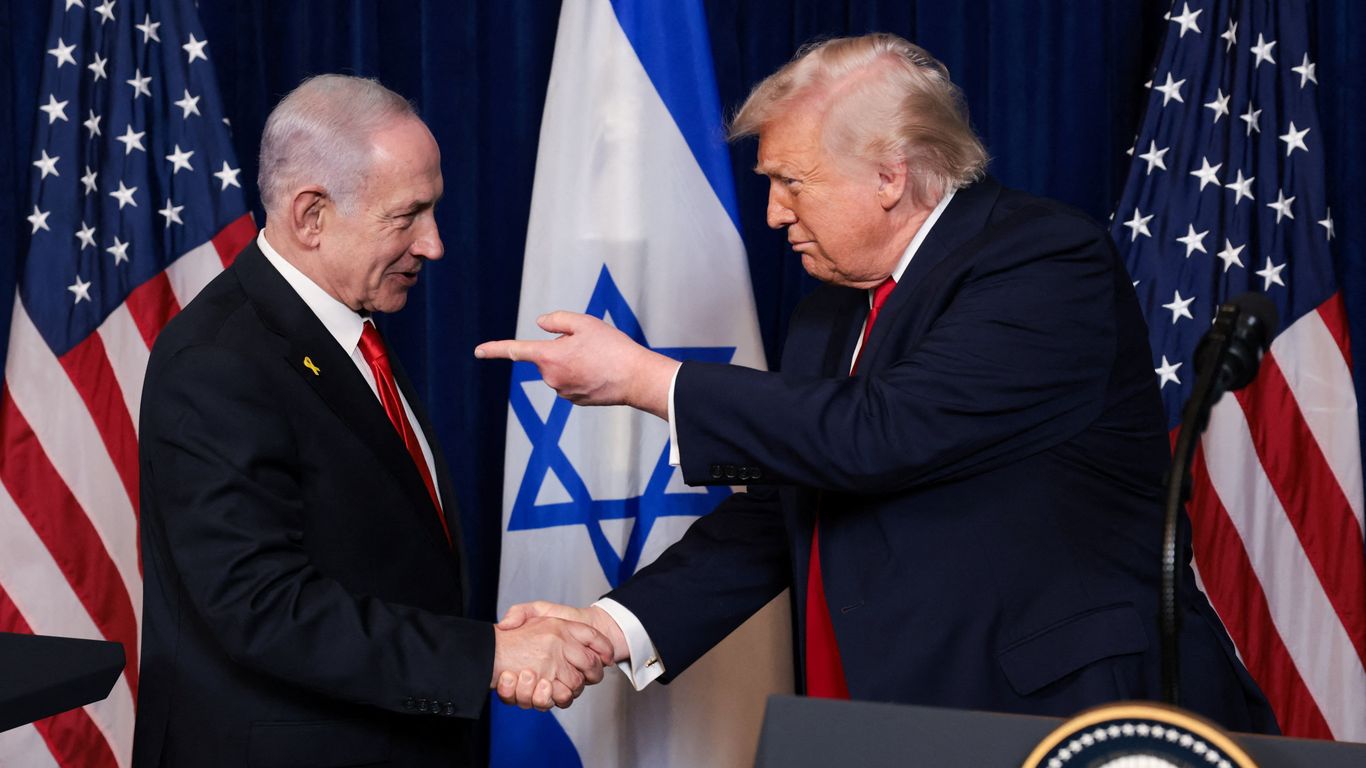
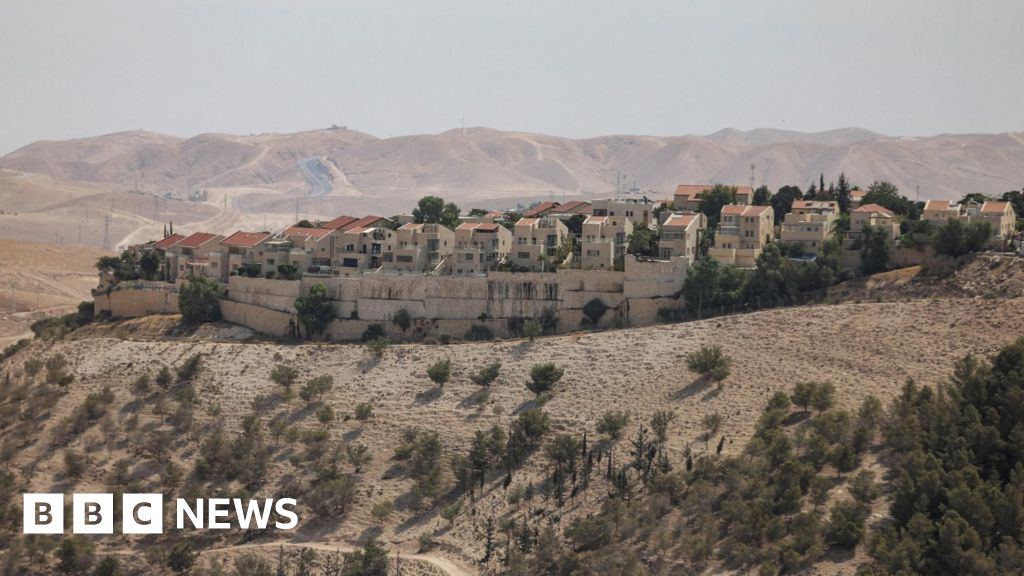
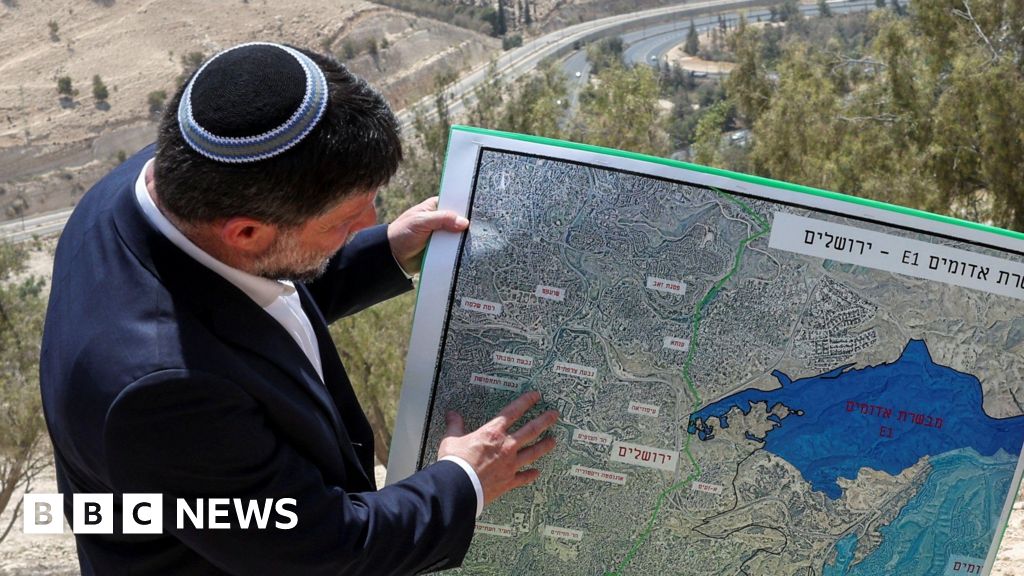
Israel's government has greenlit a bold proposal to register vast expanses of the occupied West Bank as state property, marking the first such action since 1967. Spearheaded by far-right Finance Minister Bezalel Smotrich, Justice Minister Yariv Levin, and Defense Minister Israel Katz, this move targets Area C, which spans 60% of the territory under full Israeli control per the Oslo Accords. Officials claim it clarifies ownership rights transparently, resolving disputes and enabling infrastructure growth.
Palestinian Backlash and Settlement Expansion
The Palestinian Foreign Ministry slammed the decision as null and void, accusing it of advancing annexation and illegal settlements. Anti-settlement group Peace Now warns of a mega land grab, noting the draconian proof-of-ownership process favors Israel, potentially seizing up to 83% of Area C. Recent measures also repeal land sale bans to settlers and shift building permits, fueling outpost growth amid 2024's record declarations of over 24,000 dunams as state land.
Global Condemnation and Regional Tensions
Egypt, Qatar, Jordan, and the Palestinian Authority decried it as a de facto annexation start, urging UN and US intervention. Critics fear it entrenches Israeli dominance, undermining peace prospects and Palestinian statehood foundations in this volatile flashpoint.
About the Organizations Mentioned
Palestinian Foreign Ministry
# The Palestinian Ministry of Foreign Affairs and Expatriates The **Ministry of Foreign Affairs and Expatriates** serves as Palestine's primary institution for managing international relations and diplomatic engagement on the global stage.[3] Established on 30 April 2003 as a standalone ministry within the Palestinian National Authority, it evolved from the Ministry of Planning and International Cooperation, which had handled foreign affairs since 1994.[3] ## Core Functions and Responsibilities The ministry represents Palestine through an extensive diplomatic network, maintaining relations with **136 countries** and operating 87 embassies, 14 general delegations, 3 consulates-general, and 6 special missions across the world.[3] Beyond traditional diplomacy, the ministry oversees critical services including passport issuance, emergency assistance to Palestinians abroad, international trade oversight, and legal representation for citizens in foreign jurisdictions.[1] The ministry's mandate encompasses promoting Palestinian political positions regarding the Israeli-Palestinian conflict, deepening bilateral relations with nations worldwide, and advancing Palestinian interests in international forums.[2] It conducts negotiations and concludes agreements to secure financial and technical support for development and reconstruction efforts.[2] ## Organizational Structure The ministry operates under presidential appointment, with the Minister answerable to the Prime Minister.[1] Its Foreign Services Directorate manages specialized offices including the National Passport Office, National Extraordinary Relief Agency, Foreign Legal Office, and International Trade Office, among others.[1] These divisions coordinate to deliver comprehensive services supporting Palestinian citizens and government objectives internationally. ## Current Operations As of 2024, the ministry continues modernizing Palestinian diplomatic infrastructure, including implementing biometric passport systems at select embassies.[7] The organization remains committed to advancing Palestinian national objectives through international cooperation, supporting development initiatives, and strengthening diplomatic ties across diverse regions and international organizations.
Peace Now
**Peace Now: Israel's Premier Peace Movement** **Peace Now** (Shalom Achshav in Hebrew) is **the largest and longest-standing Israeli peace movement**, founded in March 1978 during stalled Israeli-Egyptian peace negotiations[1]. Born from an open letter by reserve officers calling for peaceful resolution, the organization rapidly mobilized tens of thousands of supporters who shared the vision that peace and compromise with Palestinians and Arab states were essential to Israel's future[4]. The movement operates as an **extra-parliamentary organization** using public pressure, demonstrations, lectures, and campaigns to influence both Israeli citizens and government representatives[3]. Its core mission centers on achieving a **two-state solution** based on 1967 borders with mutually agreed land swaps, positioning this as the only viable path to resolve the Israeli-Palestinian conflict[2]. Peace Now achieved early prominence through massive demonstrations, including a 1982 Tel Aviv rally attracting 250,000-400,000 protesters against the Lebanese invasion[4]. The organization gained international recognition for its **Settlement Watch project**, established in the early 1990s to track, analyze, and expose settlement expansion in disputed territories[3]. This research team is internationally acclaimed for credibility and regularly cited by governments and international media. Key historical milestones include supporting the 1979 Egypt-Israel peace treaty, the 1993 Oslo Accords, and the 1994 Israel-Jordan peace treaty[1]. The movement has consistently advocated for negotiations with the PLO and pressed Israeli governments to pursue peaceful resolution and return to 1967 borders[1]. Despite facing challenges including violence from right-wing extremists and the decline of peace processes following Prime Minister Rabin's assassination, Peace Now continues campaigning for peace[4]. The organization maintains that prolonged occupation of Palestinian territories jeopardizes Israel's democratic character an
Palestinian Authority
## Overview and Functions The Palestinian Authority (PA), also known as the Palestinian National Authority (PNA), is the interim governing body for Palestinians in parts of the Israeli-occupied West Bank[1]. Established under the 1993 Oslo Accords between Israel and the Palestine Liberation Organization (PLO), its original mandate was to administer limited self-governance in designated Palestinian areas during a five-year interim period, after which final-status negotiations were expected to resolve the Israeli–Palestinian conflict[1][3]. The PA is responsible for civil administration—including education, health, and municipal services—and internal security in areas classified as “A” and “B” under the Oslo framework, but not in “C” areas, which remain under full Israeli control[1]. Its operations are headquartered in Ramallah, West Bank[2]. ## History and Development The PA formally began operations in 1994, following Israeli military withdrawals from Gaza and Jericho[4]. The first Palestinian elections in 1996 brought Yasser Arafat to the presidency and established the Palestinian Legislative Council (PLC)[4]. The PA’s early years were marked by institution-building and efforts to curb violence, as stipulated by the Oslo Accords, though continued unrest and political rivalries complicated its mandate[4]. After Arafat’s death in 2004, Mahmoud Abbas assumed leadership, and in 2013, he decreed the PA’s official name change to the “State of Palestine,” reflecting UN recognition of Palestine as a non-member observer state in 2012[1][3]. ## Key Achievements The PA’s main achievement has been the creation of administrative structures in the West Bank, including ministries for finance, health, education, and technology[6]. It has managed to deliver basic public services despite significant political and financial constraints. The PA has also engaged in international diplomacy, securing recognition for Palestine at the UN and maintaining relations with numerous countries[3
United Nations
The United Nations (UN) is a pivotal international organization established in 1945, following the devastation of World War II, with the primary goal of maintaining global peace and security, fostering international cooperation, and promoting social progress. The UN Charter, signed by 51 founding member states, including the United States, the United Kingdom, China, and the Soviet Union, laid the foundation for this ambitious endeavor[1][3]. ## History and Structure The UN was born out of the failures of its predecessor, the League of Nations, which failed to prevent World War II. Key planning meetings, such as the Dumbarton Oaks Conference in 1944, defined the UN's structure, which includes the General Assembly, the Security Council, the Economic and Social Council, the Trusteeship Council, the International Court of Justice, and the Secretariat[1][6]. The Security Council, with five permanent members (the United States, China, France, Russia, and the United Kingdom), holds significant influence due to its veto power[2]. ## Key Achievements Over the years, the UN has played a crucial role in conflict resolution, human rights advocacy, and sustainable development. Notable achievements include the establishment of the Universal Declaration of Human Rights in 1948 and the implementation of numerous peacekeeping missions worldwide[3][4]. The UN has also been instrumental in addressing global challenges such as climate change and pandemics through its various programs and agencies. ## Current Status Today, the UN comprises 193 member states, with its most recent addition being South Sudan in 2011[5]. The organization continues to evolve, addressing emerging issues like digital governance and cybersecurity. Despite challenges, the UN remains a cornerstone of international diplomacy and cooperation. ## Notable Aspects The UN's work is not limited to politics; it also impacts business and technology through initiatives that promote sustainable development and digital inclusion. Its role in setting global standards and fostering international cooperation makes it a significant player in shaping the