Japan Issues Megaquake Advisory After 7.5 Magnitude Tremor Near Aomori
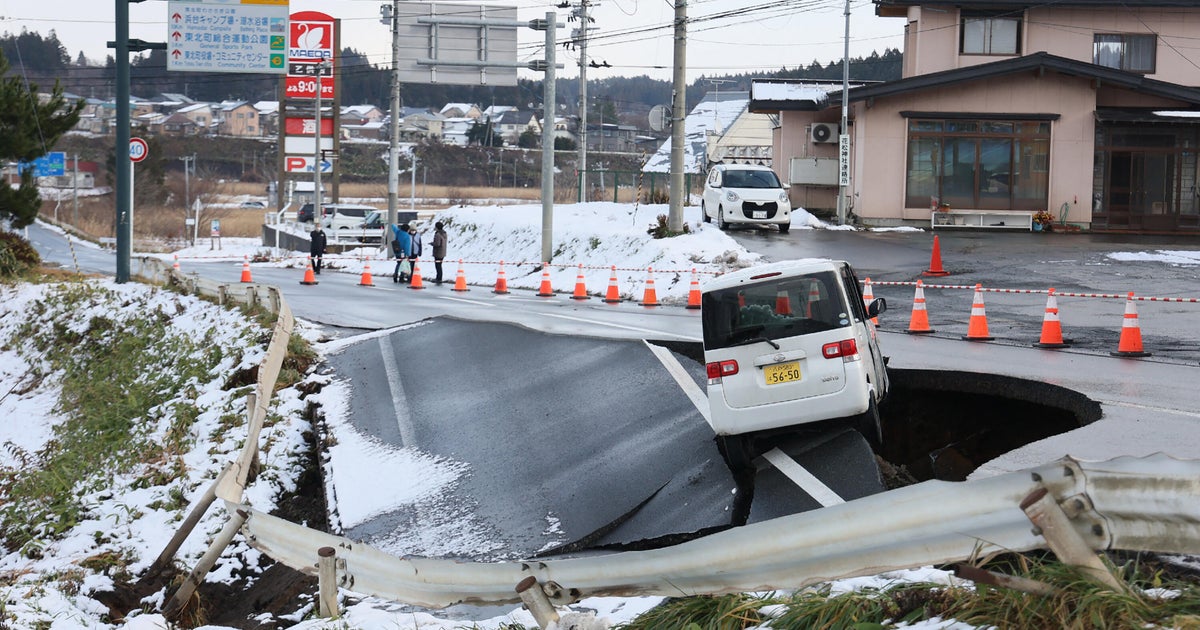
Japan Issues Megaquake Advisory After Powerful Tremor
Following a strong magnitude 7.5 earthquake near Aomori, Japan's Meteorological Agency issued a megaquake advisory, cautioning about a possible magnitude 8 or larger quake along the Japan Trench. Officials emphasize this advisory is not a prediction but a precaution to raise awareness and preparedness among residents and visitors. The probability of such a massive quake remains low, estimated at about 1%, yet the warning serves as a vital reminder of the region’s seismic risks.
Context and Public Response
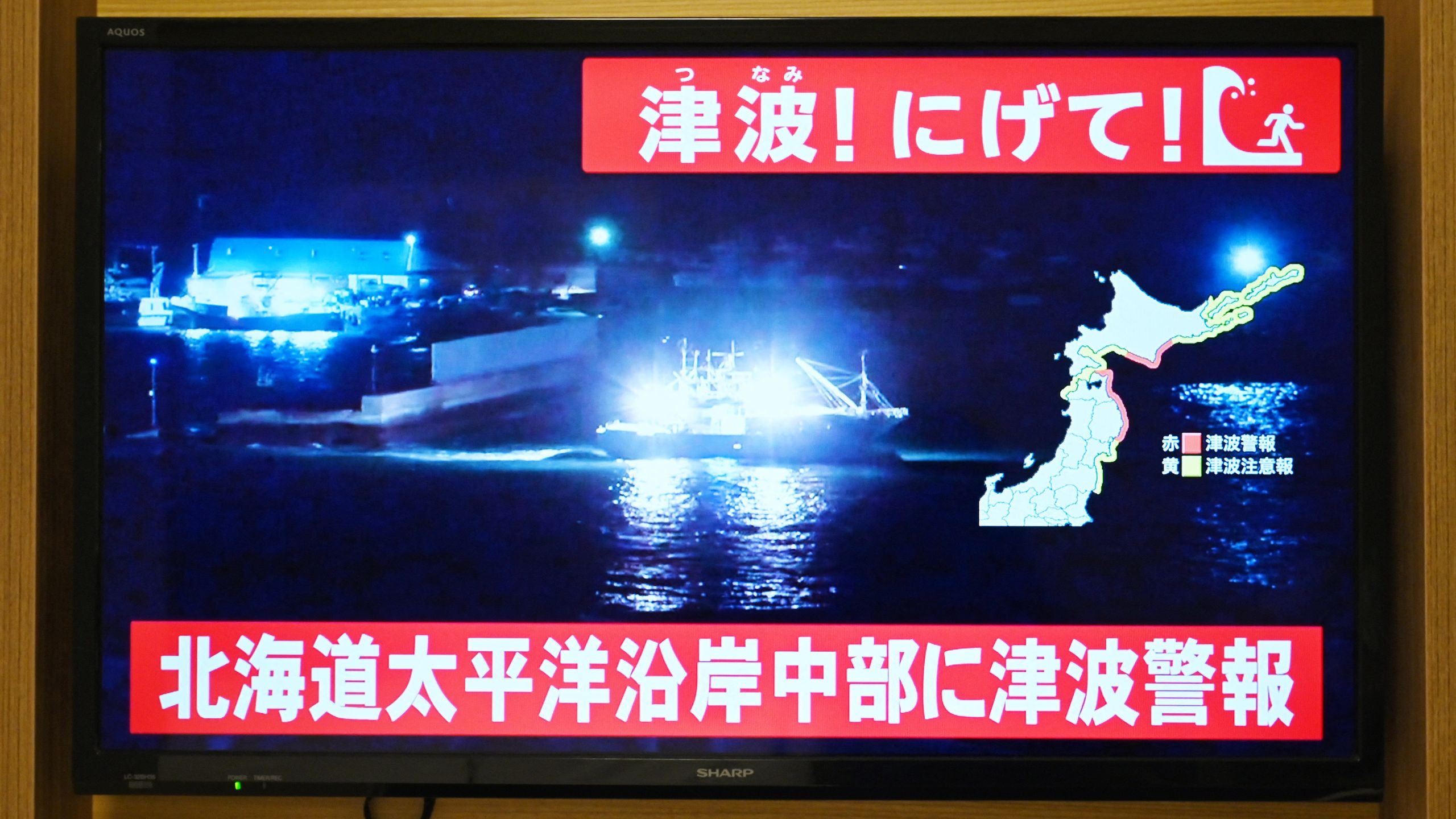
Despite initial fears, tsunami warnings issued for nearby prefectures were promptly lifted, and no evacuations were mandated. Authorities and media outlets stress the advisory's intent is to encourage vigilance rather than cause panic. This measured communication aims to balance public safety with preventing misinformation, especially as Japan frequently experiences seismic activity.
Importance of Preparedness
The advisory highlights the critical need for earthquake readiness in Japan. Residents and travelers alike are urged to review safety protocols and emergency plans. While the chance of a megaquake remains small, being prepared can mitigate risks and help communities respond effectively if a major event occurs.
About the Organizations Mentioned
Japan Meteorological Agency
The **Japan Meteorological Agency (JMA)** is Japan’s national authority responsible for comprehensive monitoring, forecasting, and warning services related to weather, earthquakes, tsunamis, volcanic activity, and marine conditions. Established as an extra-ministerial bureau under the Ministry of Land, Infrastructure, Transport and Tourism (MLIT), the JMA serves as a crucial infrastructure for disaster prevention and public safety through advanced observation technologies and real-time data dissemination[1][4][7]. JMA’s core functions include collecting meteorological data via an extensive network of regional and local meteorological offices, surface observation systems such as AMeDAS, weather radars, and satellites like the Himawari series. It provides detailed weather forecasts, warnings of natural hazards, and specialized information for aviation and marine sectors. Additionally, the agency operates a sophisticated Earthquake Early Warning (EEW) system, issuing near-instant notifications of seismic events, including hypocenter location, seismic intensity, and tsunami risk, which has been fully operational for the public since 2007[1][3][8]. Historically, JMA evolved into a multi-hazard monitoring organization, expanding from traditional weather services to include seismic and volcanic observations. It acts as a Regional Specialized Meteorological Center designated by the World Meteorological Organization, responsible for forecasting and naming tropical cyclones in the Northwestern Pacific[1][6]. The agency also runs the Northwest Pacific Tsunami Advisory Center, providing tsunami information to neighboring countries[6]. Notable achievements include developing a seamless multi-hazard warning system that integrates weather, seismic, and oceanic data, enabling Japan to maintain one of the world’s most advanced disaster preparedness frameworks[5]. With around 5,200 employees and a substantial budget, JMA combines cutting-edge technology—such as radiosondes and ocean-bottom seismometers—with extensive human resources working round-the-clock to protect public welfare and support business continuity[3][5]. In summary, the Japan Meteorological Agenc