Judge Orders Trump Administration to Seek CFPB Funding: Implications for Consumer Protection
Judge Mandates Trump Administration to Pursue CFPB Funding
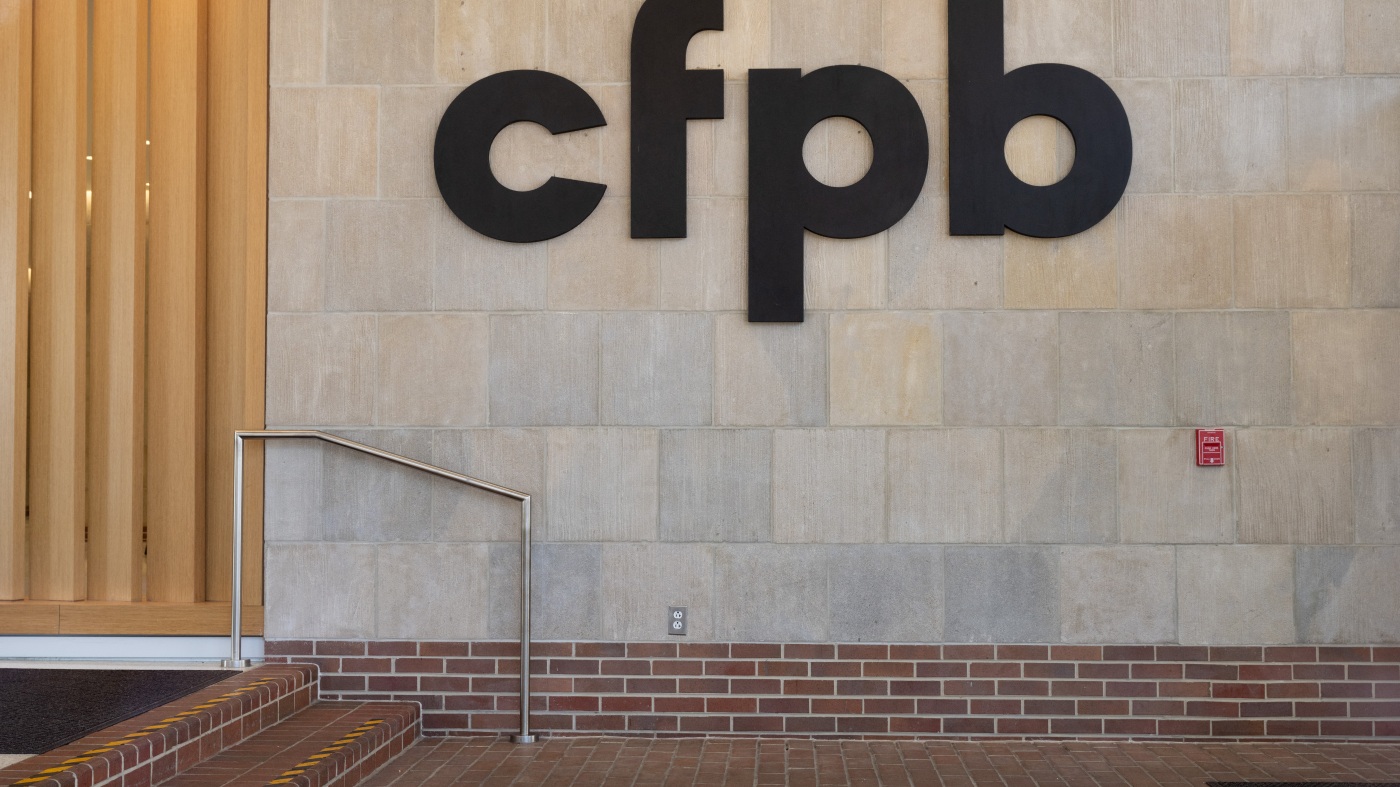
In a pivotal ruling, a federal judge has directed the Trump administration to actively seek funding for the Consumer Financial Protection Bureau (CFPB), intensifying the ongoing legal saga surrounding this vital consumer watchdog. Established post-2008 financial crisis, the CFPB safeguards Americans from predatory lending and financial abuses, but its funding structure has sparked fierce debates over independence from congressional oversight.
Unpacking the Legal Battle
This order emerges from a tangled web of lawsuits challenging the CFPB's constitutionality. Critics, including business groups, argue its self-funding via Federal Reserve dividends bypasses proper checks. Supporters highlight its successes, like recovering billions for defrauded consumers through enforcement against banks and payday lenders. The directive compels the administration to explore budget allocations, potentially averting shutdown threats amid polarized politics.
Implications for Consumers and Policy
The decision underscores the judiciary's role in preserving agency operations. Should funding stabilize, the CFPB could ramp up scrutiny on emerging issues like fintech scams and crypto frauds. Yet, appeals loom, signaling prolonged uncertainty. For everyday Americans, this battle shapes access to fair financial protections in an evolving economic landscape.
About the Organizations Mentioned
Consumer Financial Protection Bureau
The Consumer Financial Protection Bureau (CFPB) is a U.S. government agency established in 2011 with the mission to protect consumers in the financial marketplace. Created as a response to the 2008 financial crisis, the CFPB aims to ensure that consumers have access to fair, transparent, and competitive financial products and services. It oversees a broad range of financial sectors, including mortgages, credit cards, student loans, payday loans, and debt collection practices, ensuring that financial institutions comply with federal consumer protection laws. The CFPB was born out of the Dodd-Frank Wall Street Reform and Consumer Protection Act, signed into law by President Barack Obama. This legislation marked a pivotal shift in financial regulation by consolidating consumer protection functions previously scattered across different agencies into one independent bureau. Richard Cordray was appointed the first director, setting the tone for a proactive and enforcement-driven approach. Among its key achievements, the CFPB has returned billions of dollars to consumers harmed by unfair practices, cracked down on predatory lending, and increased transparency through rulemaking and consumer education. It has also launched innovative tools, like the “Know Before You Owe” mortgage disclosure forms, which simplify complex financial information for everyday Americans. Additionally, the bureau has embraced technology by using data analytics to detect abusive practices and streamline complaint handling. Today, the CFPB continues to be a central player in shaping the future of consumer finance, balancing enforcement with innovation. It faces ongoing challenges, including political shifts and evolving financial technologies such as fintech and digital currencies. Nonetheless, the CFPB remains a critical watchdog and advocate, empowering consumers and fostering trust in the financial system. For business and technology enthusiasts, the CFPB represents a dynamic intersection of regulation, innovation, and consumer rights in the modern economy.
Federal Reserve
## Overview and Mission The Federal Reserve, often called the "Fed," is the central bank of the United States, established by Congress in 1913 to provide the nation with a safer, more flexible, and stable monetary and financial system[1]. Its mission centers on a dual mandate from Congress: to promote maximum employment and maintain price stability, ensuring the dollar retains its value over time[1]. The Fed operates through a unique hybrid structure, combining a national Board of Governors in Washington, D.C., with 12 independent regional Reserve Banks, including institutions like the Cleveland Fed[1]. This decentralized setup allows the Fed to closely monitor economic conditions across diverse regions, industries, and communities, while maintaining independence from short-term political influences[1]. ## Key Functions The Fed’s responsibilities are broad and vital to the U.S. economy. It conducts monetary policy—primarily by influencing interest rates—to achieve its employment and inflation goals[2]. The Fed also supervises and regulates banks to ensure the safety and soundness of the financial system, works to minimize systemic risks, and fosters efficient payment and settlement systems[2]. Additionally, it promotes consumer protection and community development, addressing emerging issues through research, supervision, and enforcement of consumer laws[2]. ## History and Evolution The Federal Reserve is the third central bank in U.S. history, following two failed attempts in the 19th century[1]. Its creation was a response to the financial turbulence of the early 20th century, aiming to prevent crises and stabilize the economy. Over time, the Fed has evolved, adopting more transparent and inclusive policymaking processes. For example, it now conducts regular reviews of its monetary policy framework, engaging with academics, businesses, and the public to refine its strategies and communications[3][5]. ## Recent Developments and Achievements In 2025, the Fed completed its second major review of its monetary policy strategy, tools, and communications, reaffirming its commitment to transparenc