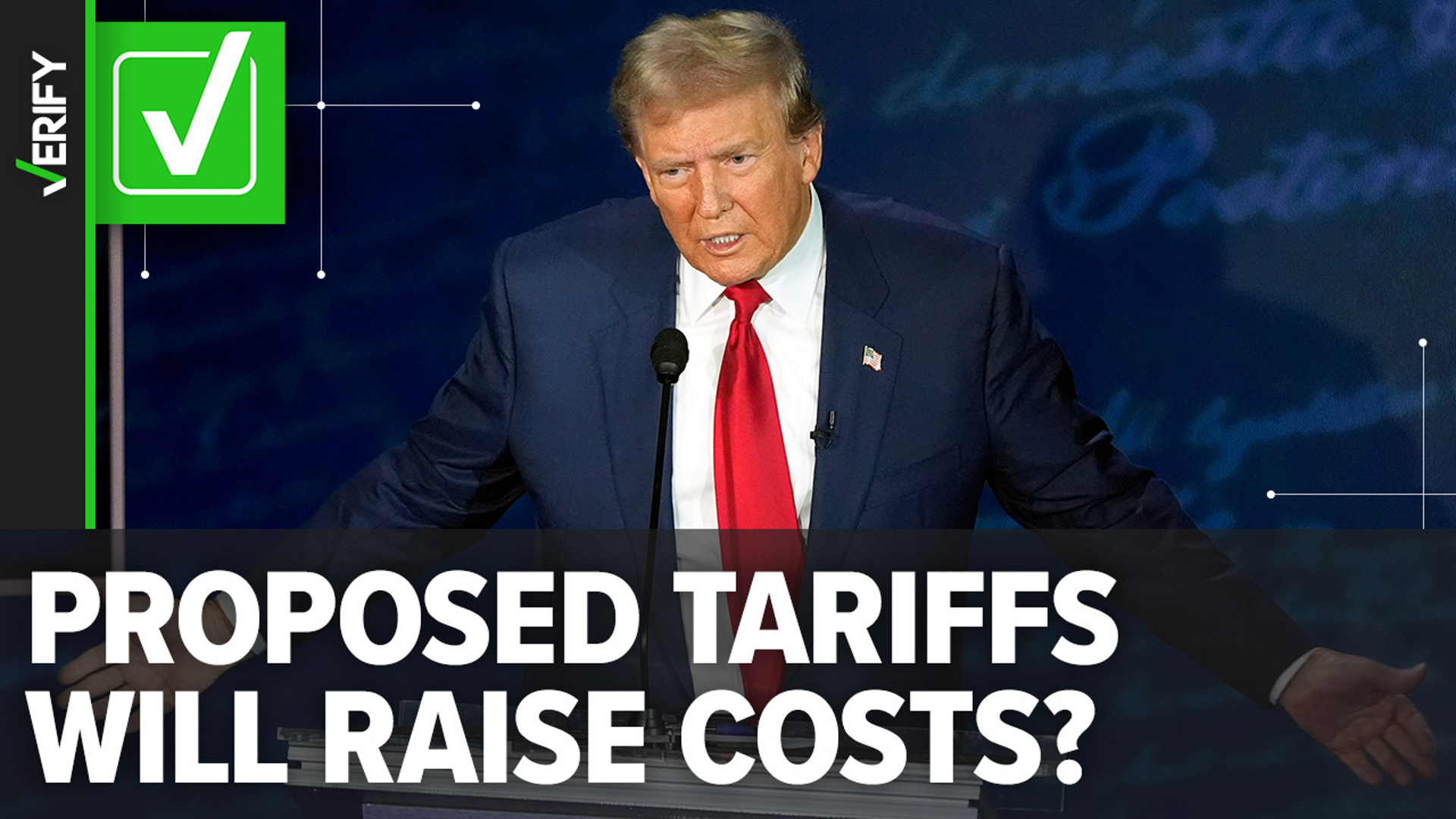
Markets Plunge as Trump Threatens Greenland Tariffs

Markets Plunge on Trump's Greenland Tariff Threat
The Dow Jones Industrial Average plummeted 870 points, marking its steepest drop since October, while the S&P 500 fell 2% amid escalating trade tensions. President Trump's unexpected threat of tariffs targeting Greenland sparked widespread panic, driving investors to flee U.S. assets in droves. Treasury yields surged as bonds became a safe haven, and the U.S. dollar weakened against major currencies, reflecting deep uncertainty in global markets.
Key Market Reactions and Sector Impacts
Technology and industrial stocks bore the brunt, with semiconductor firms and manufacturers seeing double-digit declines due to fears of disrupted supply chains. The Nasdaq Composite also tumbled over 2.5%, erasing recent gains. Commodities like oil dipped sharply, while gold prices spiked as a hedge against volatility. Analysts point to Trump's rhetoric as reigniting trade war anxieties, reminiscent of past escalations that rattled economies worldwide.
Future Outlook and Investor Strategies
Looking ahead, markets eye potential policy reversals or retaliatory measures from affected nations. Experts urge diversification into defensive sectors like utilities and healthcare. Long-term, this event underscores the sensitivity of equities to geopolitical surprises, advising investors to monitor White House statements closely for stabilization signals.
About the Organizations Mentioned
White House
The **White House Office** is a central organizational component within the Executive Office of the President of the United States (EOP), tasked with supporting the President in managing day-to-day operations, policy formulation, and political affairs. It is headed by the White House Chief of Staff and staffed by senior aides who report directly to the President, including those with titles such as Assistant to the President and Deputy Assistant to the President. These staff members are mostly political appointees without the need for Senate confirmation, allowing the President considerable discretion in shaping the office to suit each administration's priorities[1]. Historically, the White House Office was established in 1939 through Reorganization Plan 1 and Executive Order 8248 to provide immediate assistance to the President. It functions as the nerve center for presidential staff, physically located primarily in the West Wing, and plays a pivotal role in managing the President’s policy agenda, communications, and political strategy. Its flexible organization allows each President to tailor the staff composition and roles according to their governance style and objectives[1]. In the current context of 2025, the White House Office operates under the administration of President Donald J. Trump, who returned to office after the 2024 election. His administration emphasizes rejecting prior policies deemed extremist and focuses on enhancing quality of life, economic growth, and American energy dominance. The administration includes Vice President JD Vance and First Lady Melania Trump, among others, with a Cabinet advising on various governmental functions[4][6]. Recent initiatives linked to the White House’s operational sphere include the establishment of a new **Department of Government Efficiency (DOGE)** aimed at modernizing federal technology and software to boost government productivity. The DOGE agenda is implemented through the renamed United States DOGE Service within the Executive Office, reflecting a concerted push to leverage technology for administrative modernization[5]. Notably, the White House Office also coordinates national security and homeland security functions through the National Security Council staff, underscoring its central role