The Meaning of Xi's Military Purge: Power Consolidation and Taiwan Risks

The Meaning of Xi’s Military Purge
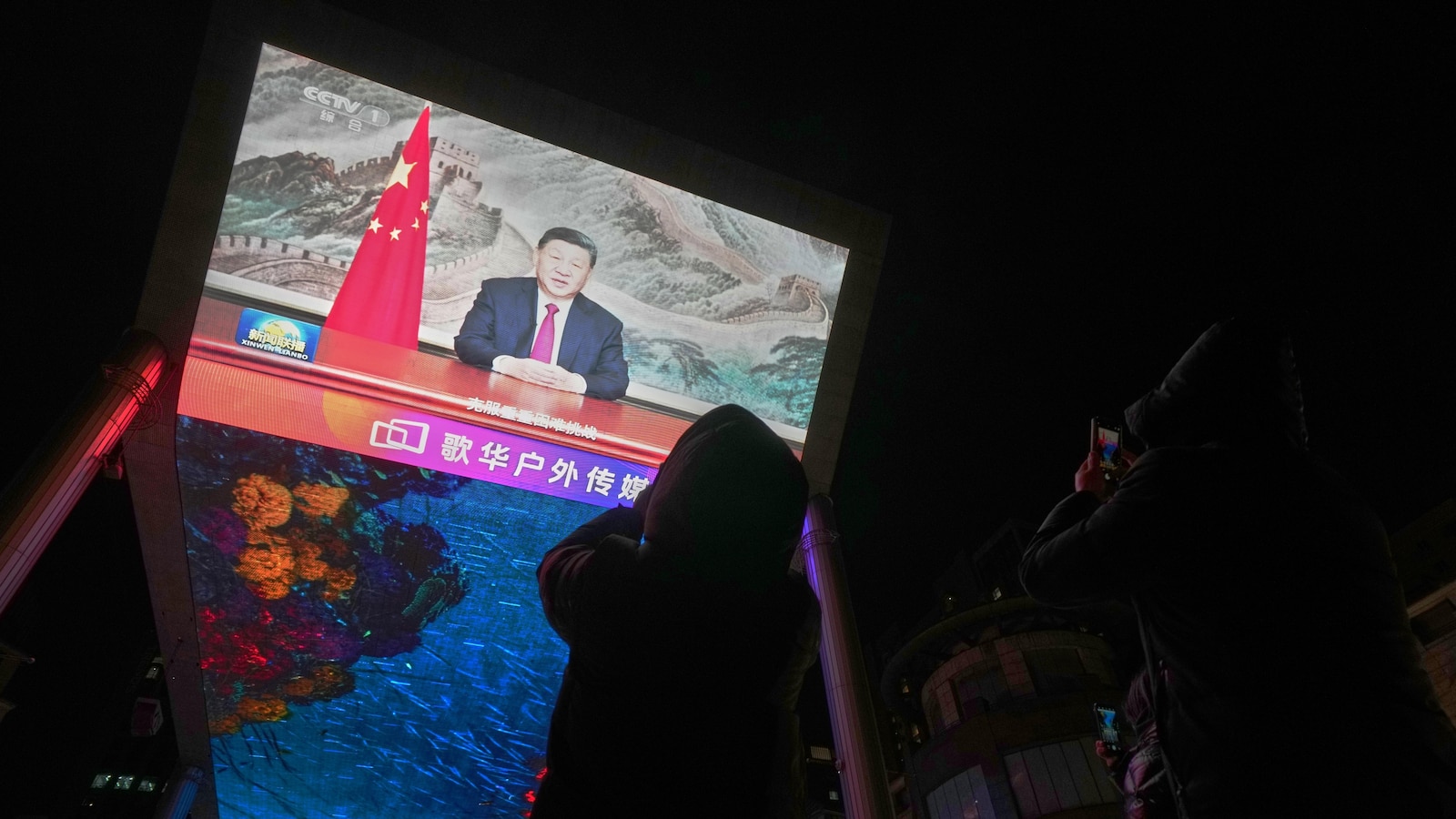
Chinese President Xi Jinping's sweeping military purge has drastically reshaped the People's Liberation Army leadership, reducing the Central Military Commission's original seven members to just two: Xi himself and the disciplinary chief Zhang Shengmin. This move signals deepening power consolidation amid fraught relations between Communist Party leaders and the military, raising alarms about internal instability and potential miscalculations.[1][2]
Power Concentration and Trust Deficit
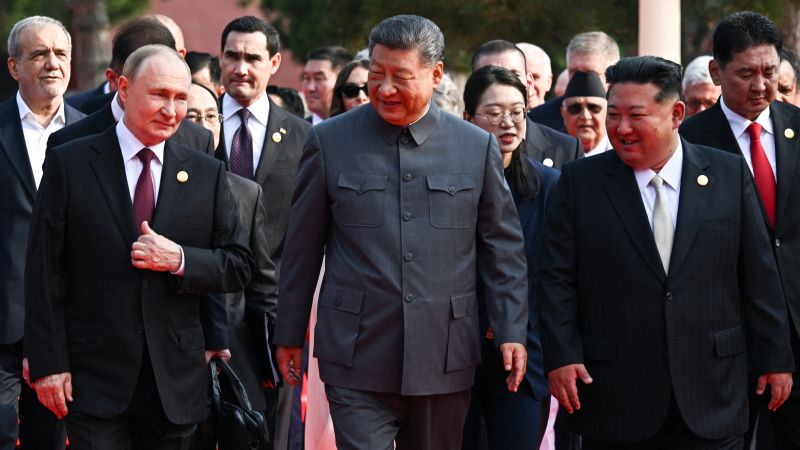
High-profile dismissals, including vice chairman Zhang Youxia—a combat veteran and close Xi ally—and General Liu Zhenli for disciplinary violations, underscore Xi's distrust of even loyal insiders. Analysts note this reflects failed prior anti-corruption efforts and Xi's isolation, prioritizing loyalty over expertise in commanding the army, navy, air force, and nuclear forces. With no rivals daring to challenge him, Xi trusts almost no one, potentially stifling honest counsel.[1][3]
Implications for Taiwan and Beyond
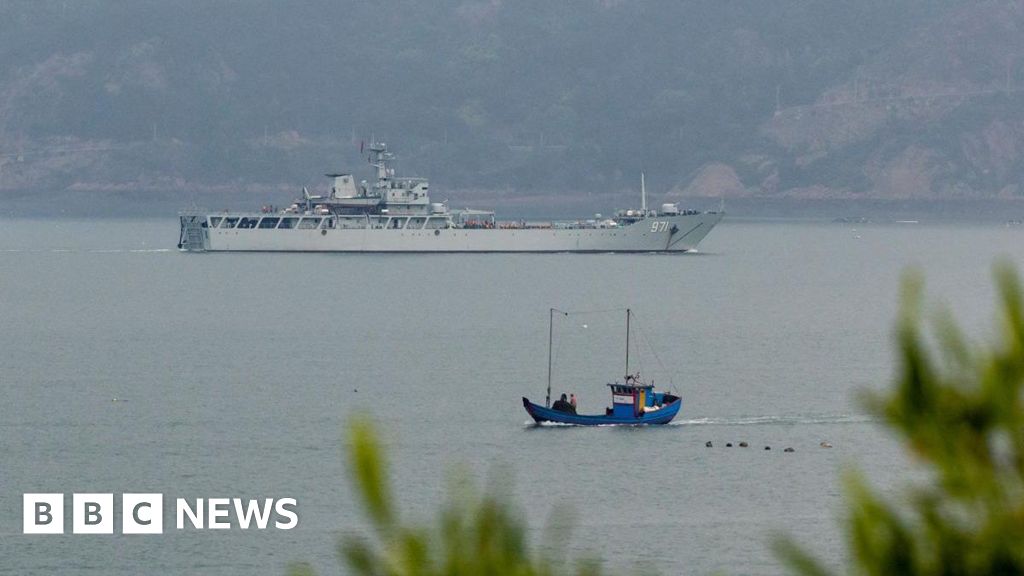
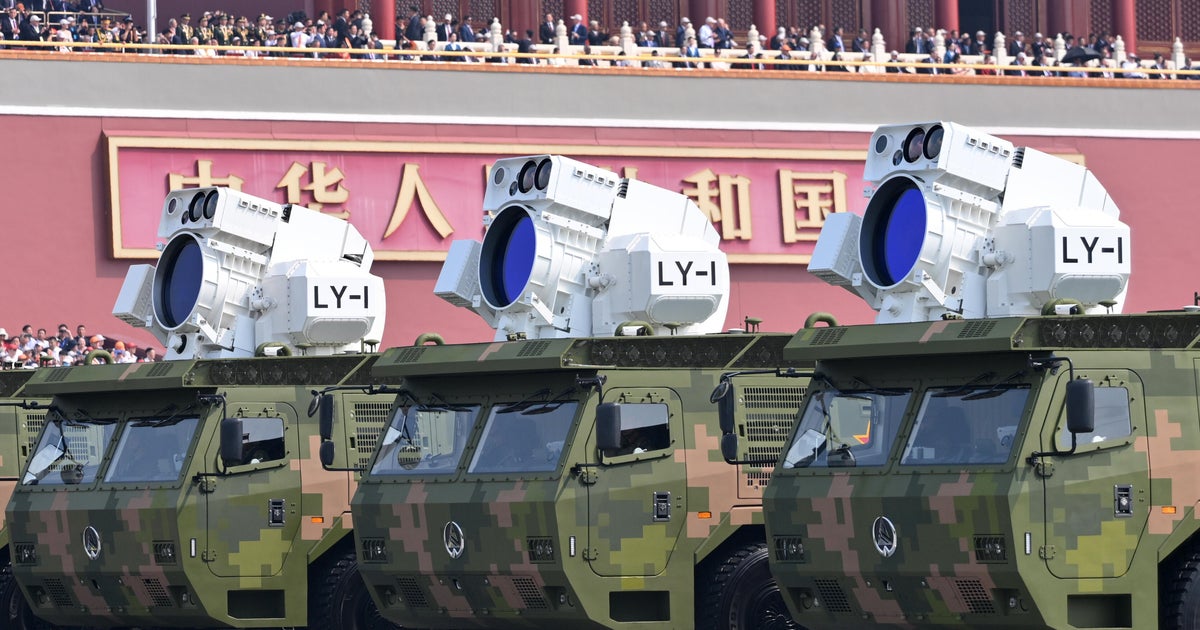
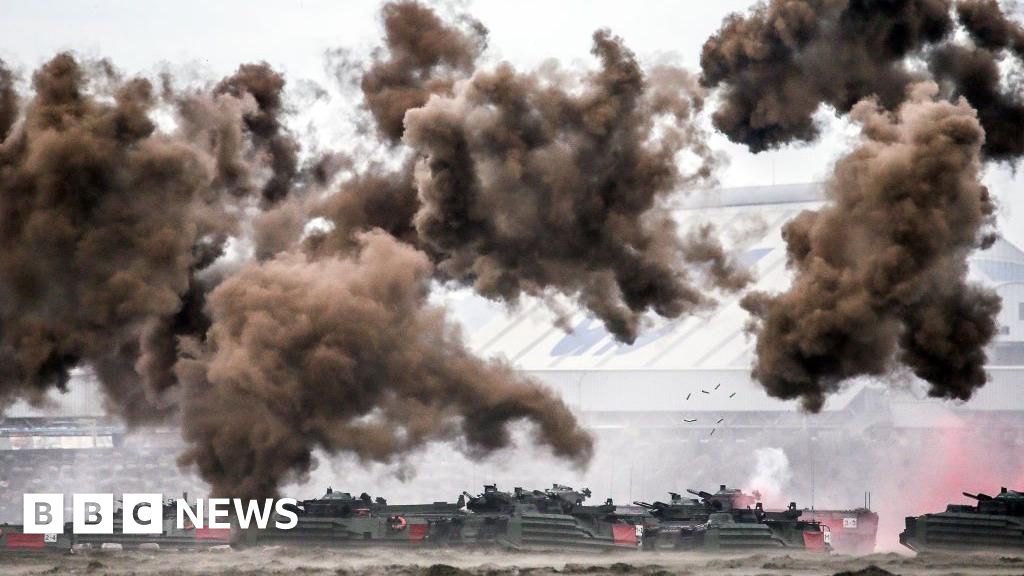
As Xi eyes 2027 readiness to seize Taiwan, these purges disrupt command structures, fueling fears of operational errors amid global tensions. Western leaders' overtures to Beijing risk overlooking this volatility, where centralized control heightens miscalculation risks in the region.[1][3]
About the People Mentioned
Xi Jinping
Xi Jinping is a prominent Chinese politician born on June 15, 1953, in Fuping, Shaanxi Province. He is the son of Xi Zhongxun, a veteran of the Chinese Communist Party (CCP). During the Cultural Revolution, Xi was sent to rural Yanchuan County, Shaanxi, where he eventually joined the CCP in 1974. He studied chemical engineering at Tsinghua University as a worker-peasant-soldier student and later earned a Doctor of Law degree from the university through an in-service graduate program in Marxist theory and ideological and political education[1][5]. Xi rose through the ranks of the CCP, serving as governor of Fujian from 1999 to 2002 and then as governor and party secretary of Zhejiang from 2002 to 2007. He briefly served as the party secretary of Shanghai in 2007 before joining the Politburo Standing Committee the same year. In 2012, he became the general secretary of the CCP and chairman of the Central Military Commission, marking the beginning of his tenure as China's paramount leader. Since 2013, Xi has also held the position of President of the People's Republic of China[1][3]. Under Xi's leadership, China has made significant strides in reducing poverty and curbing corruption. He has been praised for his efforts in these areas, which were highlighted in a historical resolution passed by the CCP in 2021[3]. Recent developments include Xi's re-election to a third term as general secretary of the CCP in October 2022 and his third term as president of China in March 2023, following constitutional changes that removed term limits for the presidency[3]. Xi's influence has been further solidified by the composition of the 20th Politburo Standing Committee, which consists of his loyalists[3].
Zhang Shengmin
Zhang Shengmin, born in February 1958 in Shaanxi Province, China, is a senior People's Liberation Army (PLA) general and key figure in the nation's military leadership.[1][2][5] He joined the army at age 20 in 1978, rising through political commissar roles, primarily in the Second Artillery Force (now PLA Rocket Force), where he served as political commissar of a missile base, command college, and director of its political department in Beijing.[1][2][6] His career gained prominence in 2010 leading an earthquake relief team, earning recognition across military and administrative sectors.[1] In 2017, he was appointed secretary of the Central Military Commission's (CMC) Commission for Discipline Inspection and promoted to general, becoming the PLA's top anti-corruption enforcer.[1][2][3][6] Under his oversight, he spearheaded purges, including the removal of eight generals and targeting corruption in the Rocket Force, a major hotspot, while emerging unscathed himself.[1][2][4] A trusted loyalist to President Xi Jinping—sharing Shaanxi origins with the "Shaanxi Gang" alongside senior vice chairman Zhang Youxia—Zhang was elected to the 19th Central Committee in 2017.[1][3][4] Recently, following the Fourth Plenum of the 20th Party Congress, he was promoted to vice chairman of the CMC, replacing purged general He Weidong, making him China's third-highest military official after Xi and Zhang Youxia.[1][2][3][4] This role oversees military operations, personnel, and discipline, underscoring Xi's emphasis on loyalty and anti-corruption continuity amid ongoing PLA purges since 2023.[2][3][4][5] Lacking combat experience, Zhang's expertise spans political work, logistics, and Rocket Force operations, positioning him as a pivotal enforcer of party loyalty in the military.[2][4][6] (298 words)
Zhang Youxia
Zhang Youxia, born in July 1950 in Weinan, Shaanxi Province, is a Chinese general in the People's Liberation Army (PLA) who joined in December 1968 as a soldier in the 119th Regiment, 40th Division, 14th Army.[1][4][6] He rose through the ranks during combat operations, including the 1979 Sino-Vietnamese War and the 1984 Battle of Laoshan, earning promotions to battalion-level training head, regimental chief of staff, and regimental commander.[1][2][4] His career progressed steadily: deputy commander of the 40th Division (1984-1990), commander of the same division (1990-1994), deputy commander (1994-2000) and then commander (2000-2005) of the 13th Group Army, deputy commander of the Beijing Military Region (2005-2007), and commander of the Shenyang Military Region (2007-2012).[1][2][4] He studied at the PLA Military Academy (1984-1987) and National University of Defense Technology.[1][2] Promoted to major general in 1997, lieutenant general in 2007, and general in 2011, Zhang directed the PLA General Equipment Department (2012-2016) and Equipment Development Department (2016-2017), overseeing China's human spaceflight program, including Shenzhou 10.[1][2][4] Since 2017, he has served as first-ranked vice chairman of both the Communist Party of China (CPC) Central Military Commission (CMC) and the People's Republic of China CMC, a Political Bureau member since 2017, and full Central Committee member since 2007.[1][2][4] Known for wartime experience rare among senior PLA officers and ties to military reforms, he emphasized party loyalty, anti-corruption, and defense capabilities in recent speeches.[3] As of January 24, 2026, Zhang faces investigation for severe violations of party discipline and state laws, announced by the Defense Ministry, marking the highest-level PLA probe since the Tiananmen era; Gen. Liu Zhenli is also implicated.[5]
Liu Zhenli
**Liu Zhenli** is a senior Chinese military officer who has held prominent positions within the People's Liberation Army (PLA) and currently serves on the Central Military Commission (CMC).[2][3] Born in 1961, Liu graduated from the PLA National Defense University in 1983.[2] He began his military career as a company commander in the 12th Reconnaissance Brigade of the Lanzhou Military Region, where he participated in the 1986 border conflict with Vietnam known as the "Two Mountains Border War of Laoshan."[2][4] His combat experience during this engagement demonstrated his military capabilities and distinguished him among contemporary Chinese officers. Throughout his career, Liu advanced through various command positions. He served as chief of staff of the 65th Group Army within the Beijing Military Region in December 2009 and was promoted to major general in December 2010.[2] He subsequently commanded the 65th Group Army and, in March 2014, was appointed commander of the 38th Group Army (later redesignated the 82nd Group Army) based in Baoding, Hebei, within the Central Theater Command.[2] Liu's most significant role came as head of the CMC Joint Staff Department, China's primary military body responsible for combat operations and strategic planning.[4] In this position, he became one of the few senior PLA officers with actual combat experience, a quality that Xi Jinping appears to value highly in military leadership.[5] His appointment to the CMC reflected his standing as a competent and experienced commander capable of modernizing China's armed forces. In recent years, Liu has engaged in high-level diplomatic military exchanges. In August 2025, he met with Australia's Chief of Defence Force Admiral Johnston to discuss bilateral, regional security issues, and the importance of military transparency and communication.[6] Liu's combination of combat experience, operational expertise, and diplomatic engagement has positioned him as a key figure in China's military leadership and strategic planning.
About the Organizations Mentioned
People's Liberation Army
The **People's Liberation Army (PLA)** is the military wing of the Chinese Communist Party and the primary armed forces of the People's Republic of China[1]. As one of the largest military forces in the world, it operates under the absolute leadership of the CCP through the Central Military Commission, with the CCP general secretary serving as chairman and commander-in-chief[1]. ## Historical Development The PLA traces its roots to the 1927 Nanchang Uprising against the Nationalists[2]. Initially called the Red Army, it grew from 5,000 troops in 1929 to 200,000 by 1933 under Mao Zedong and Zhu De[2]. After surviving the Long March, the Eighth Route Army fought alongside Nationalists against the Japanese during World War II[2]. Following the war, the renamed People's Liberation Army defeated the Nationalists, enabling the formation of the People's Republic of China in 1949[2]. ## Current Organization and Structure The PLA consists of five major service branches: Ground Force, Navy, Air Force, Rocket Force, and Strategic Support Force, organized into five theater command regions[6]. It also includes four additional arms: Aerospace Force, Cyberspace Force, Information Support Force, and Joint Logistics Support Force[1]. As of 2008, the PLA maintained approximately 2.3 million active-duty troops[5]. ## Strategic Mission and Modern Focus China describes its military posture as **active defense**—"We will not attack unless we are attacked, but we will surely counterattack if attacked"[1]. The PLA aims to transform into a force capable of winning "local wars under high-tech conditions" through short, decisive campaigns emphasizing reconnaissance, mobility, and deep reach[1]. Under Xi Jinping
Central Military Commission
The **Central Military Commission (CMC)** serves as China's supreme military authority, directing the People's Liberation Army (PLA), People's Armed Police (PAP), and militia while overseeing strategy, personnel, equipment, funding, and operations.[1][2][3] Established in its modern form by the 1982 Constitution, the CMC traces roots to the 1928 Central Military Department of the Chinese Communist Party (CCP), evolving into the top command organ post-1949.[3][5] It operates in parallel as a CCP entity (selected by the Central Committee) and a state body (elected by the National People's Congress, or NPC), with the CCP chairman—currently Xi Jinping—holding ultimate decision-making power and serving a five-year term.[3][4][7] Pre-2016, it relied on four powerful general departments (Staff, Political, Logistics, Armament), which doubled as army headquarters; these were abolished in major reforms, replaced by a streamlined 15-department structure under direct CMC control, including Joint Staff, Political and Legal Affairs, and Logistical Support.[1][6] Xi's 2015-2016 reforms slashed CMC membership from 11 to 7 (chairman, two vice-chairmen, four members—all uniformed generals), centralizing authority, enhancing oversight via the General Office, and boosting capabilities in joint operations, cyber, space, and mobilization.[6][7] Key achievements include professionalizing the PLA, intensifying anti-corruption drives to purge disloyalty, and modernizing for "informatized" warfare, with theatre commands now reporting directly to the CMC.[1][2][6] Today, the CMC drives China's military-tech edge, funding AI-driven systems, hypersonics, and strategic support forces while ensuring "Party absolute leadership."[2][5][7] Notable for business-tech audiences: It spearheads dual-use innovations, like quantu
Communist Party
“Communist Party” is a generic name used by multiple political organizations worldwide; the most prominent is the Communist Party of the Soviet Union historically and today’s largest ruling party is the Communist Party of China (CPC). Below is a 300‑word summary that treats “Communist Party” as the general type of organization, with attention to history, activities, achievements, current status, and notable aspects relevant to business and technology readers. A Communist Party is a political organization founded on Marxist (often Marxist–Leninist) principles that seeks to organize the working class to replace capitalist relations with socialism and, ultimately, communism. Communist parties typically combine political education, labor and community organizing, electoral strategy, and, in some cases, centralized governance when they hold state power[4][1]. Historically, modern Communist Parties emerged after the 1917 Russian Revolution, spread via the Communist International, and influenced labor, anti-colonial, civil‑rights, and peace movements through the 20th century[1][4]. Key achievements include driving rapid industrialization and mass literacy in ruling-party states (notably the Soviet Union and the People’s Republic of China), establishing universal public services in socialist states (healthcare, education), and shaping labor protections and social policy even where they remained opposition parties[2][4]. In current status, Communist Parties span governing major parties—such as the CPC, which presides over China’s state‑led, market‑integrated model and large-scale tech and infrastructure investment—and opposition or extra‑parliamentary parties that focus on labor rights, environmental and social campaigns in pluralist systems[2][4]. Notable aspects for business and technology audiences include: the CPC’s role in steering national industrial policy, state coordination of strategic tech sectors (AI, semiconductors, telecoms), and public‑private hybrid models that combine market incentives with party direction