Trump Praises Putin After Russia Strikes Ukraine Amid Ceasefire Controversy
Trump Praises Putin After Russian Strike on Ukraine
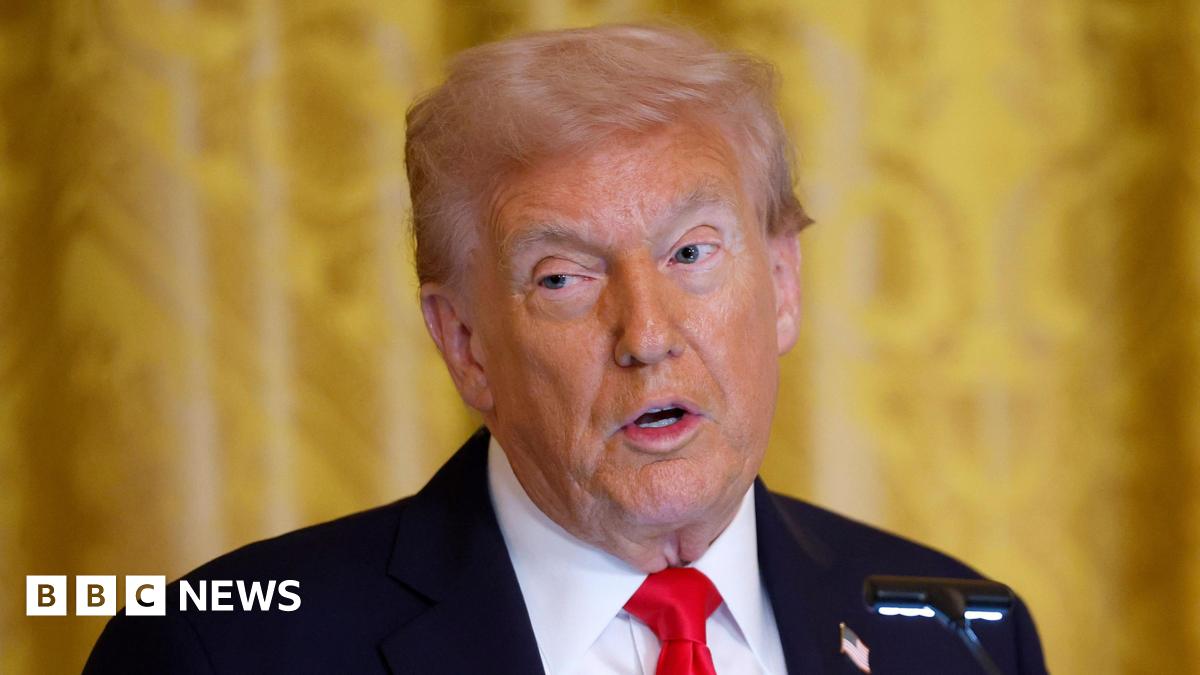
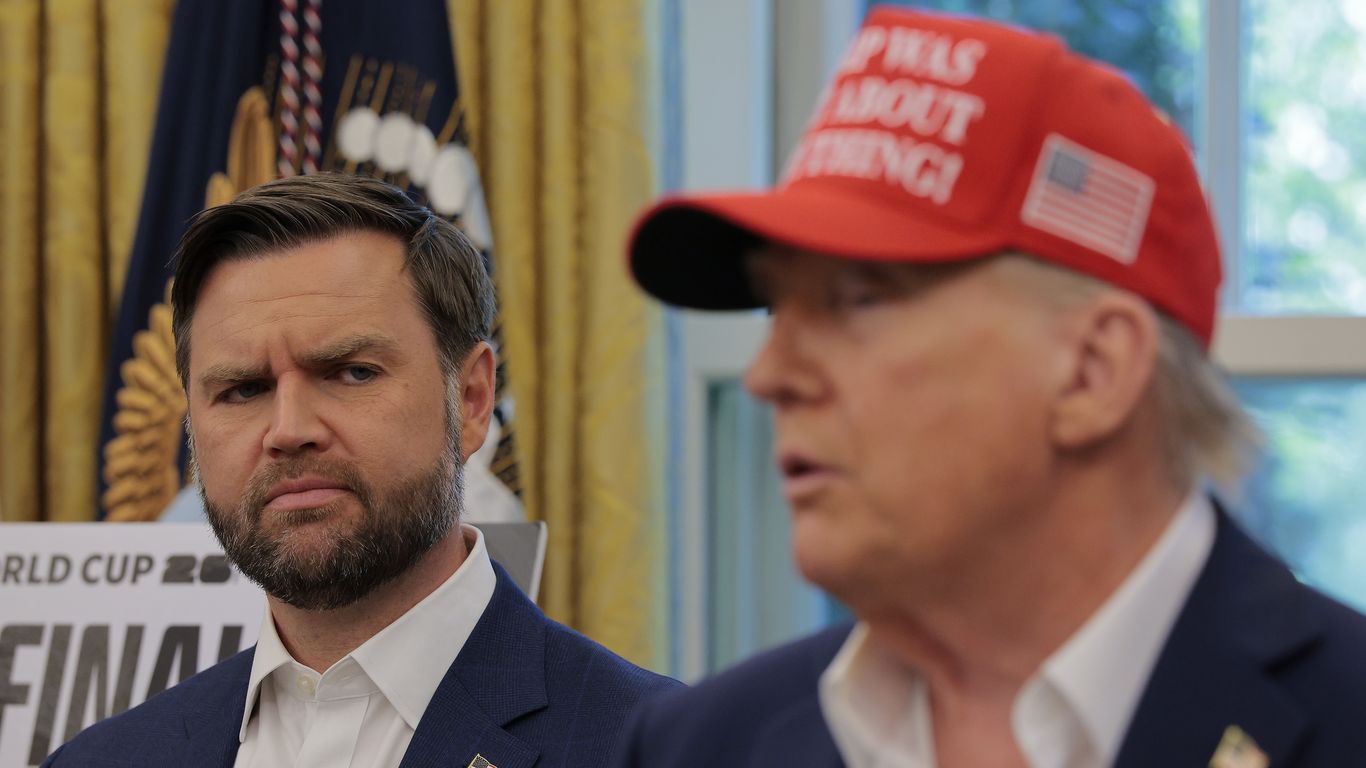
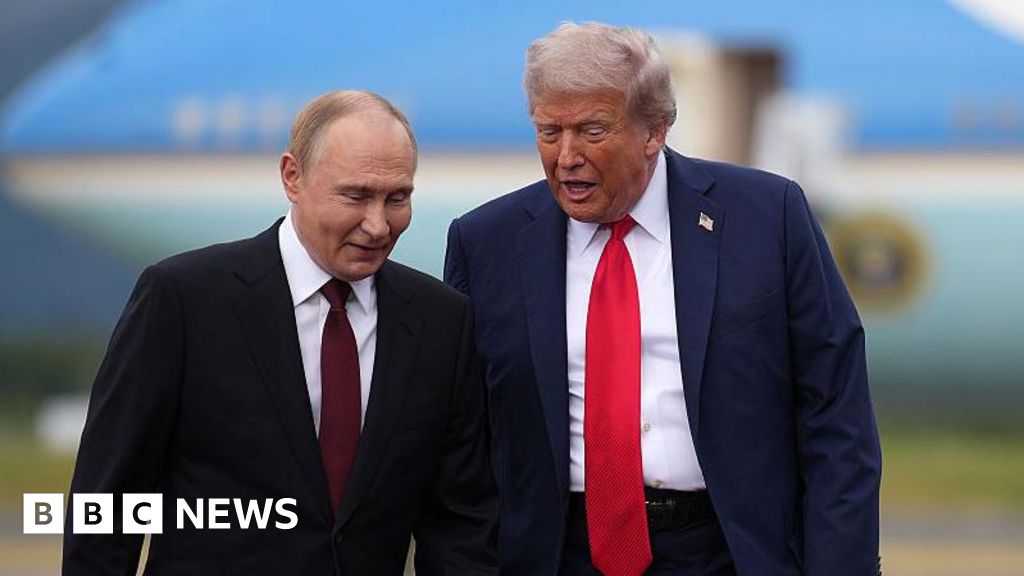
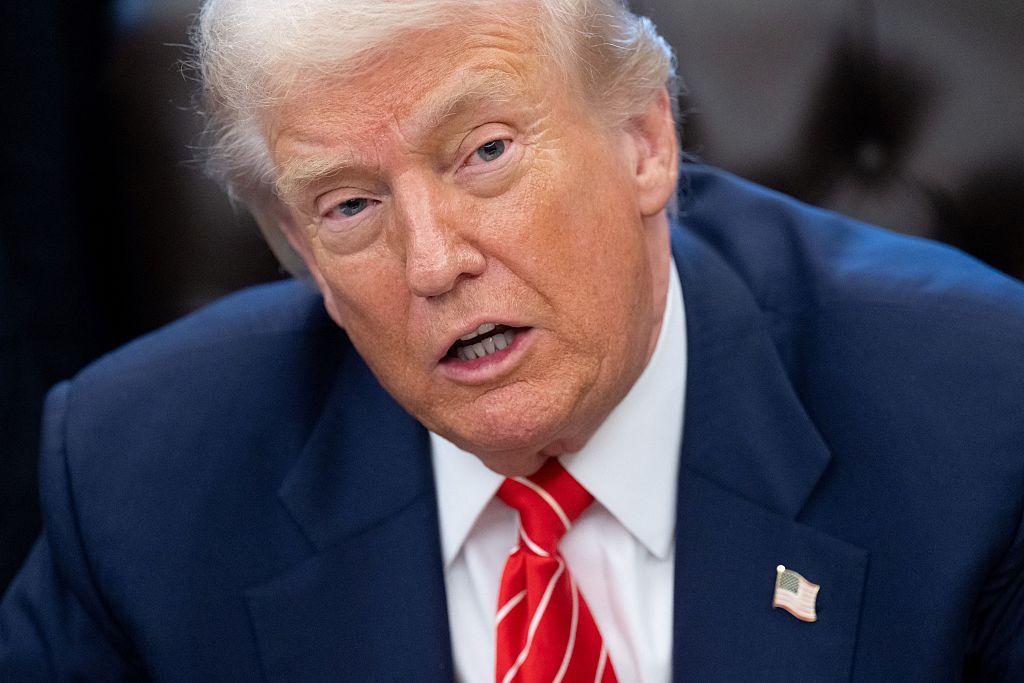
U.S. President Donald Trump sparked controversy on February 3, 2026, by stating that Vladimir Putin had "kept his word" on a brief truce against Ukraine's energy infrastructure. Speaking at the White House, Trump noted the pause lasted from Sunday to Sunday, after which Russia unleashed a massive assault. This came hours after Trump claimed personal success in securing the temporary halt, initially announced on January 29.[1][2]
Details of the Devastating Attack
Exploiting sub-zero temperatures below -20°C, Russia fired over 70 missiles and 450 drones, targeting power plants across six regions. The barrage left more than 1,000 Kyiv buildings without electricity, ending the short-lived ceasefire that Kremlin officials limited to February 1 for negotiation prep. Ukrainian leaders decried it as a war crime on civilian targets amid winter hardships.[1][2]
Implications for Peace Talks
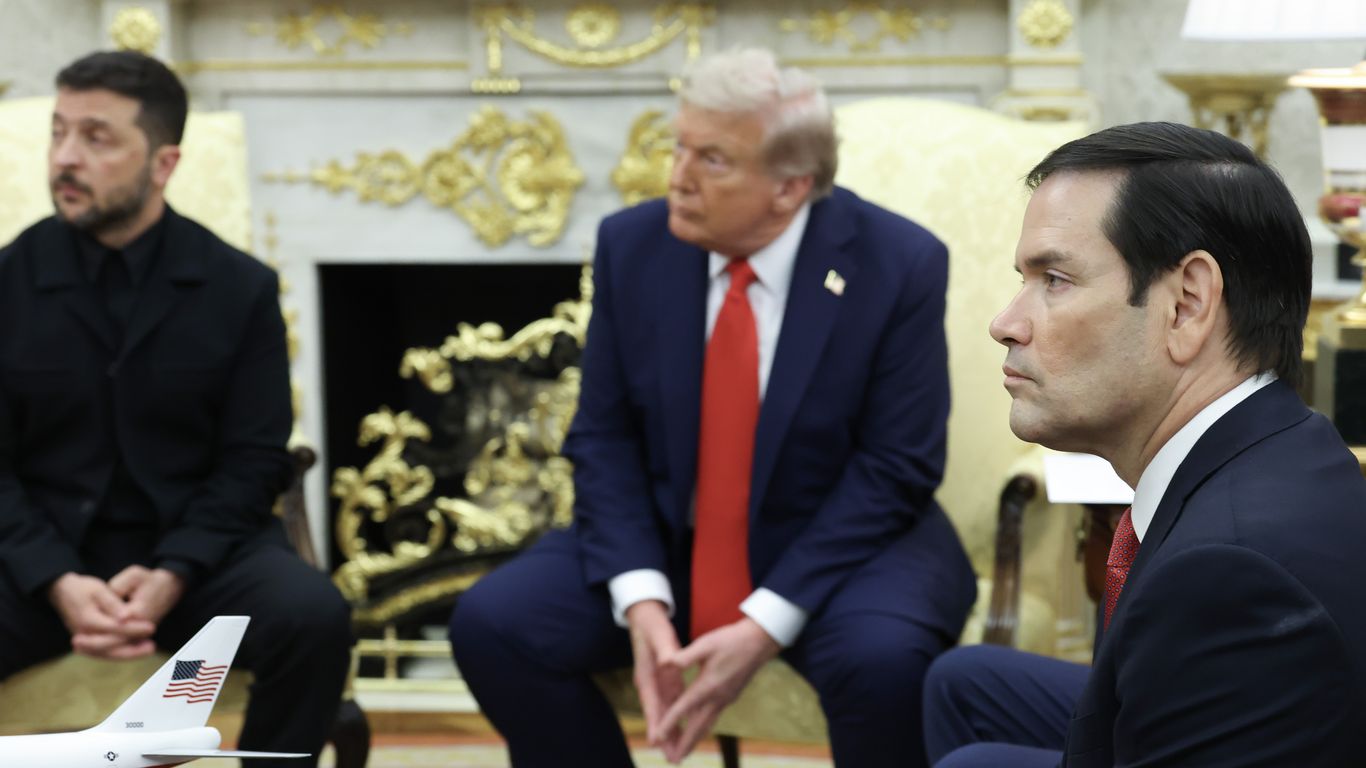
As Ukraine, U.S., and Russian delegates gear up for Abu Dhabi meetings on February 4-5, President Zelensky warned Moscow undermines diplomacy. Trump's remarks highlight tensions in U.S. mediation efforts, questioning Putin's commitment beyond short pauses while Ukraine braces for prolonged conflict.[1][2]
About the People Mentioned
Donald Trump
Donald John Trump, born June 14, 1946, in Queens, New York, is an American businessman, media personality, and politician. He graduated from the University of Pennsylvania’s Wharton School in 1968 with a degree in economics. In 1971, he took over his family’s real estate business, renaming it the Trump Organization, through which he expanded into building and managing skyscrapers, hotels, casinos, and golf courses. Trump gained widespread fame as the host of the reality TV show *The Apprentice* from 2004 to 2015, which helped establish his public persona as a successful entrepreneur. Trump entered politics as a Republican and was elected the 45th president of the United States, serving from 2017 to 2021. His presidency was marked by significant policy actions including tax cuts, deregulation, the appointment of three Supreme Court justices, renegotiation of trade agreements (notably replacing NAFTA with the USMCA), and a focus on immigration control including border wall expansion. He withdrew the U.S. from international agreements such as the Paris Climate Accord and the Iran nuclear deal, and engaged in a trade war with China. His administration’s response to the COVID-19 pandemic was criticized for downplaying the virus’s severity. Trump was impeached twice by the House of Representatives—first in 2019 for abuse of power and obstruction, and again in 2021 for incitement of insurrection—but was acquitted by the Senate both times. After losing the 2020 election to Joe Biden, Trump challenged the results, culminating in the January 6, 2021, Capitol riot. He remains a central figure in American politics, having won the 2024 presidential election and returned as the 47th president in 2025, continuing to promote policies aimed at economic growth, border security, and military strength[1][2][3][4].
Vladimir Putin
Vladimir Putin is the current President of Russia, a position he has held for multiple terms since 2000, with a brief interlude as Prime Minister from 2008 to 2012[1][3]. Born in Leningrad (now Saint Petersburg) in 1952, Putin began his career in the Soviet Union’s security services, joining the KGB in 1975 and rising to the rank of Lieutenant Colonel by the time he left in 1991, following postings in East Germany and Leningrad[4]. After the Soviet Union’s collapse, he transitioned into politics, serving as an adviser to Saint Petersburg Mayor Anatoly Sobchak and later moving to Moscow, where he held various administrative roles under President Boris Yeltsin[6]. Putin was appointed Prime Minister in August 1999 and became acting President when Yeltsin unexpectedly resigned that December[3][6]. He won his first presidential election in March 2000, promising to stabilize Russia’s economy and political system after the tumultuous 1990s[3][7]. During his initial terms, he centralized power, reasserted federal control over Russia’s regions, and curtailed the influence of the country’s oligarchs through legal and economic measures[7]. Putin was re-elected in 2004 but, due to constitutional term limits, stepped aside in 2008, becoming Prime Minister under his successor Dmitry Medvedev, while retaining significant influence[3]. Constitutional amendments later extended presidential terms, and Putin returned to the presidency in 2012[1]. Putin’s time in office has been marked by assertive foreign policy, including military interventions in Syria in support of President Bashar al-Assad and the 2014 annexation of Crimea, which led to international sanctions[1]. Domestically, his tenure has seen increased state control over media, the suppression of political opposition, and constitutional changes consolidating executive authority[1]. In 2022, Russia’s full-scale invasion of Ukraine triggered a major international crisis, further isolating Russia from the West and prompting widespread condemnation[1]. As of 2025, Putin remains a dominant figure in Russian politics, having secured another term in office through constitutional changes that allow him to potentially remain president until 2036[1]. His leadership continues to shape Russia’s domestic trajectory and its role in global affairs, amid ongoing conflict in Ukraine and strained relations with NATO and Western countries[1].
Volodymyr Zelensky
Volodymyr Zelensky is a Ukrainian politician and former comedian who was born on January 25, 1978, in Kryvyi Rih, Ukraine. Prior to his political career, he gained fame as an actor and comedian, notably for his role in the TV series "Servant of the People," where he portrayed a teacher who becomes president. This role ironically foreshadowed his future as the sixth president of Ukraine, a position he assumed on May 20, 2019, after winning the presidential election on April 21, 2019[1][2][4]. Zelensky's presidency has been marked by significant challenges, including the COVID-19 pandemic and escalating tensions with Russia. His leadership during these crises has been notable, particularly his response to the Russian invasion of Ukraine in February 2022. He became an international symbol of resistance, refusing evacuation offers and rallying global support for Ukraine. Under his leadership, Ukraine has received substantial international military and financial aid[1][3]. One of Zelensky's key achievements is his ability to unite Ukrainians and communicate effectively with the international community. His presidency has been recognized globally, with Time Magazine naming him Person of the Year in 2022 for his leadership during the Russian invasion[1][3]. Despite lacking prior political experience, Zelensky has demonstrated resilience and strategic communication skills, which have been crucial in navigating Ukraine through its most challenging moments. Currently, Zelensky remains a central figure in international politics, especially in the context of the ongoing conflict with Russia. His commitment to defending Ukraine's sovereignty has garnered widespread support, both domestically and internationally. Zelensky is married to Olena Zelenska and has two children, balancing his public duties with family life[1][4].
About the Organizations Mentioned
White House
The **White House Office** is a central organizational component within the Executive Office of the President of the United States (EOP), tasked with supporting the President in managing day-to-day operations, policy formulation, and political affairs. It is headed by the White House Chief of Staff and staffed by senior aides who report directly to the President, including those with titles such as Assistant to the President and Deputy Assistant to the President. These staff members are mostly political appointees without the need for Senate confirmation, allowing the President considerable discretion in shaping the office to suit each administration's priorities[1]. Historically, the White House Office was established in 1939 through Reorganization Plan 1 and Executive Order 8248 to provide immediate assistance to the President. It functions as the nerve center for presidential staff, physically located primarily in the West Wing, and plays a pivotal role in managing the President’s policy agenda, communications, and political strategy. Its flexible organization allows each President to tailor the staff composition and roles according to their governance style and objectives[1]. In the current context of 2025, the White House Office operates under the administration of President Donald J. Trump, who returned to office after the 2024 election. His administration emphasizes rejecting prior policies deemed extremist and focuses on enhancing quality of life, economic growth, and American energy dominance. The administration includes Vice President JD Vance and First Lady Melania Trump, among others, with a Cabinet advising on various governmental functions[4][6]. Recent initiatives linked to the White House’s operational sphere include the establishment of a new **Department of Government Efficiency (DOGE)** aimed at modernizing federal technology and software to boost government productivity. The DOGE agenda is implemented through the renamed United States DOGE Service within the Executive Office, reflecting a concerted push to leverage technology for administrative modernization[5]. Notably, the White House Office also coordinates national security and homeland security functions through the National Security Council staff, underscoring its central role
Kremlin
The term "Kremlin" primarily refers to the executive branch and central administration of the Russian government, symbolized by the Moscow Kremlin complex. It represents the seat of political power in Russia, particularly under President Vladimir Putin's leadership. The Kremlin as an organization orchestrates Russia's domestic and foreign policy, including its strategic approach to technology and cybersecurity. Historically, after the Soviet Union's collapse in 1991, Russia's digital and technological sectors were initially intertwined with the West, benefiting from collaborations and outsourcing opportunities. However, since the late 2000s and early 2010s, the Kremlin shifted toward digital tech isolationism driven by concerns over regime security and foreign influence. This shift intensified after Russia's 2022 full-scale invasion of Ukraine, leading to heightened securitization, sanctions, and a push for domestic alternatives to Western technology[1][2]. The Kremlin aggressively promotes the development of indigenous digital technologies, including microelectronics, software, and cybersecurity platforms, aiming to reduce reliance on foreign tech companies. This strategy is framed as both a security necessity and a geopolitical move to maintain Russia's status as a great power in an era of global technological competition[3]. Despite sanctions targeting key Russian IT companies and a brain drain of skilled professionals, Kremlin-backed narratives assert resilience and a vision to build a techno-economic bloc with its allies[2]. Notably, President Putin has emphasized the need to "strangle" Western technology companies still operating in Russia, seeking to eliminate their presence to foster domestic alternatives and counter perceived threats[5]. The Kremlin also leverages cyber capabilities through state agencies like the FSB and SVR, integrating cyber operations into its broader security and intelligence framework[9]. Currently, the Kremlin faces challenges such as talent outflow and innovation constraints but continues prioritizing technological sovereignty and cyber power as essential to its regime stability and geopolitical ambitions[2][7]. The Kremlin's tech policies remain a critical facet of its governance, blending business, technology, and securit