Measles Exposure Alert at Newark Airport Sparks Health Warning

Measles Exposure Alert at Newark Airport
A passenger confirmed with measles passed through Newark Liberty International Airport on Friday, December 19, potentially exposing hundreds of travelers, according to the New Jersey Health Department. Health officials issued an urgent warning after the individual moved through Terminals B and C from 7 a.m. to 7 p.m., heightening concerns amid rising measles cases nationwide.[1][2]
Details of the Incident and Risks
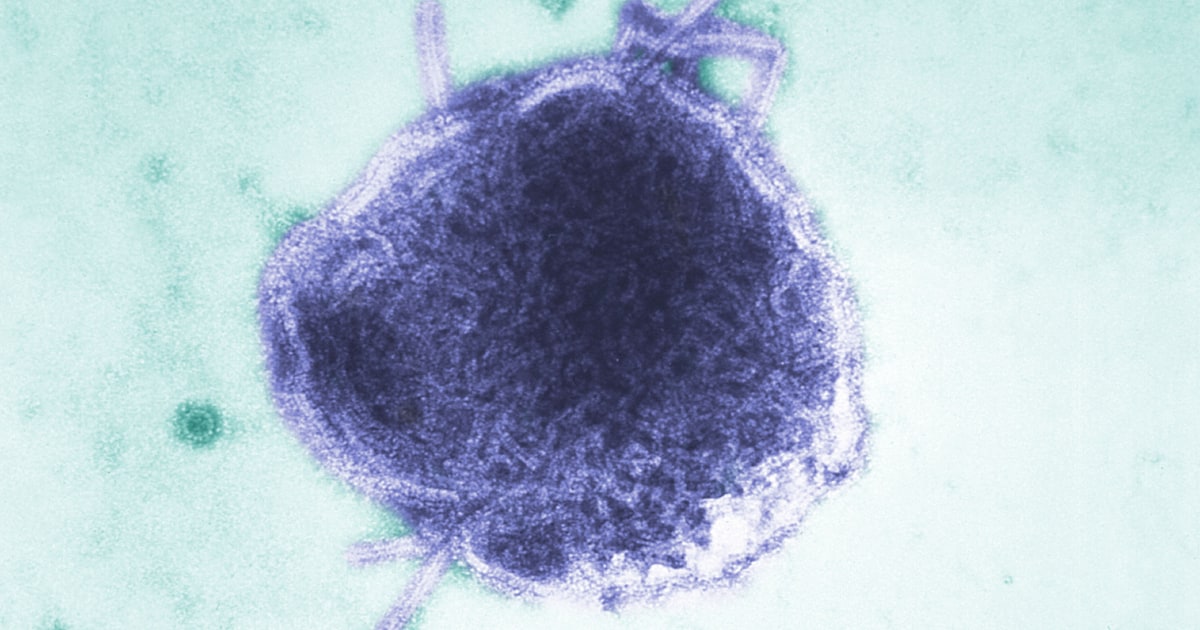
The infected person, whose identity remains private, traversed busy airport areas during peak travel hours, raising the risk for unvaccinated individuals nearby. Authorities aim to contact potentially exposed passengers using flight records and surveillance footage. Measles, a highly contagious viral disease, spreads through airborne droplets and can lead to severe complications like pneumonia in vulnerable groups.[2]
Recognizing Symptoms and Prevention Steps
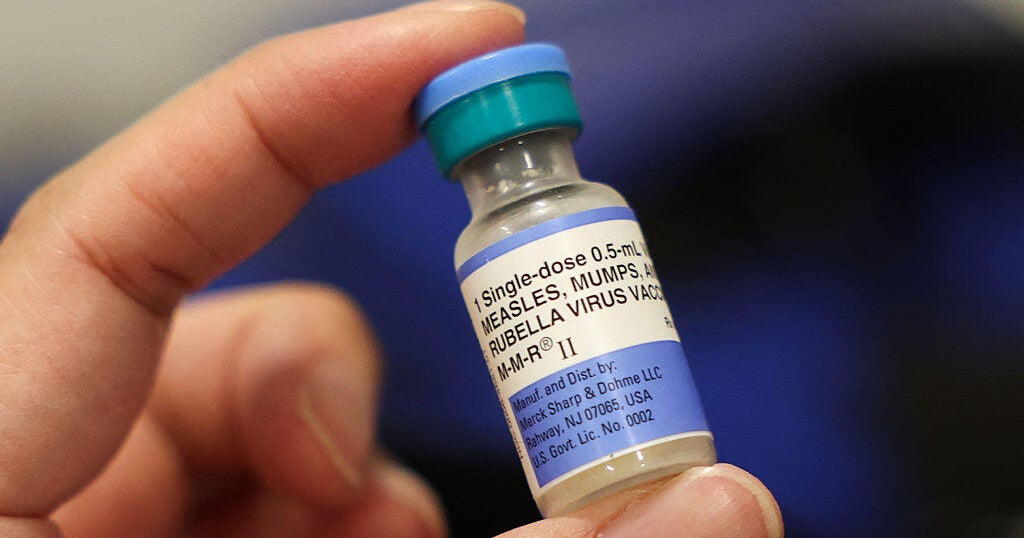
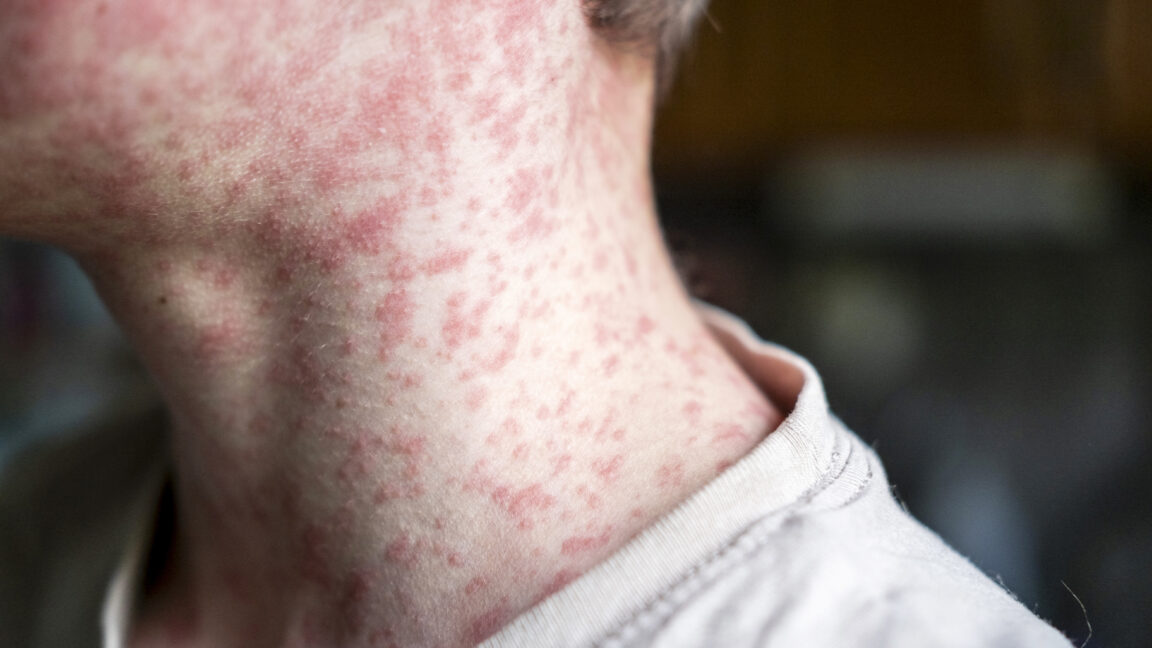
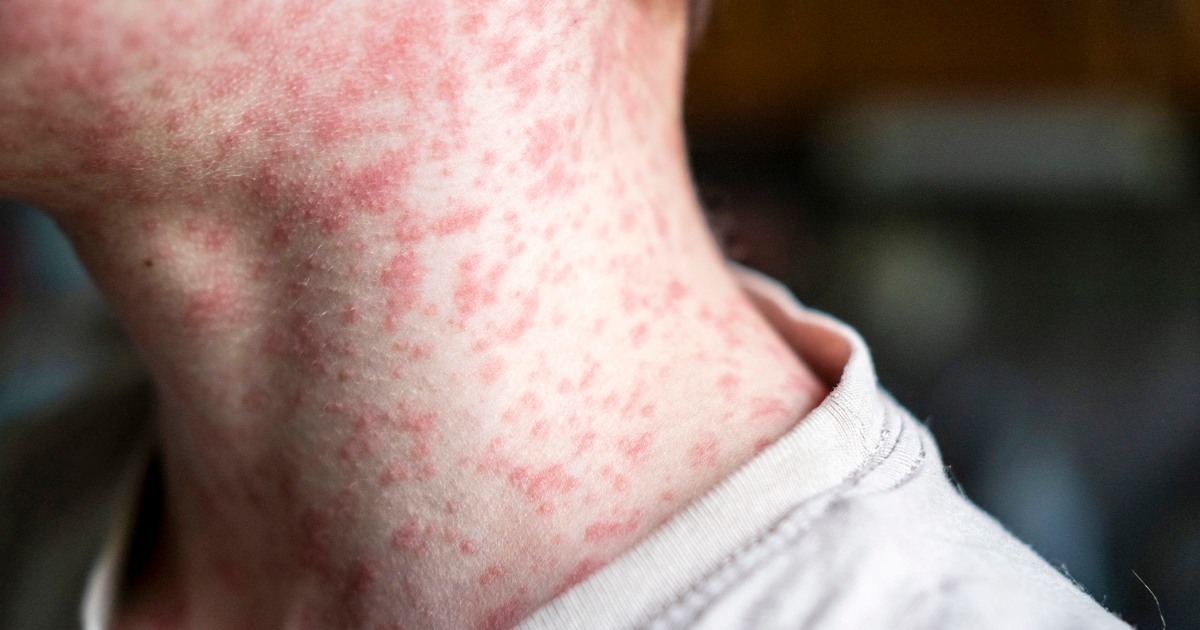
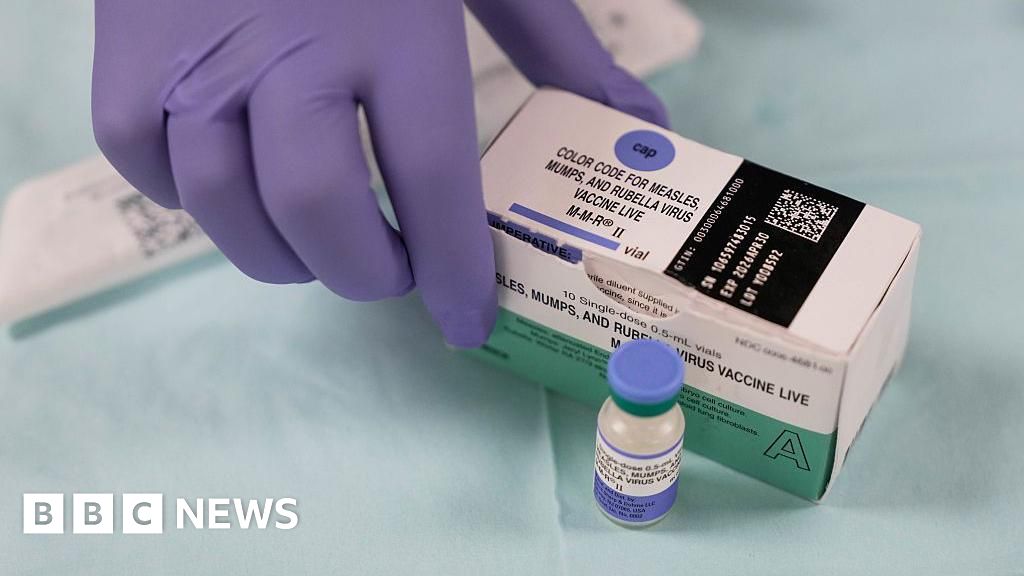
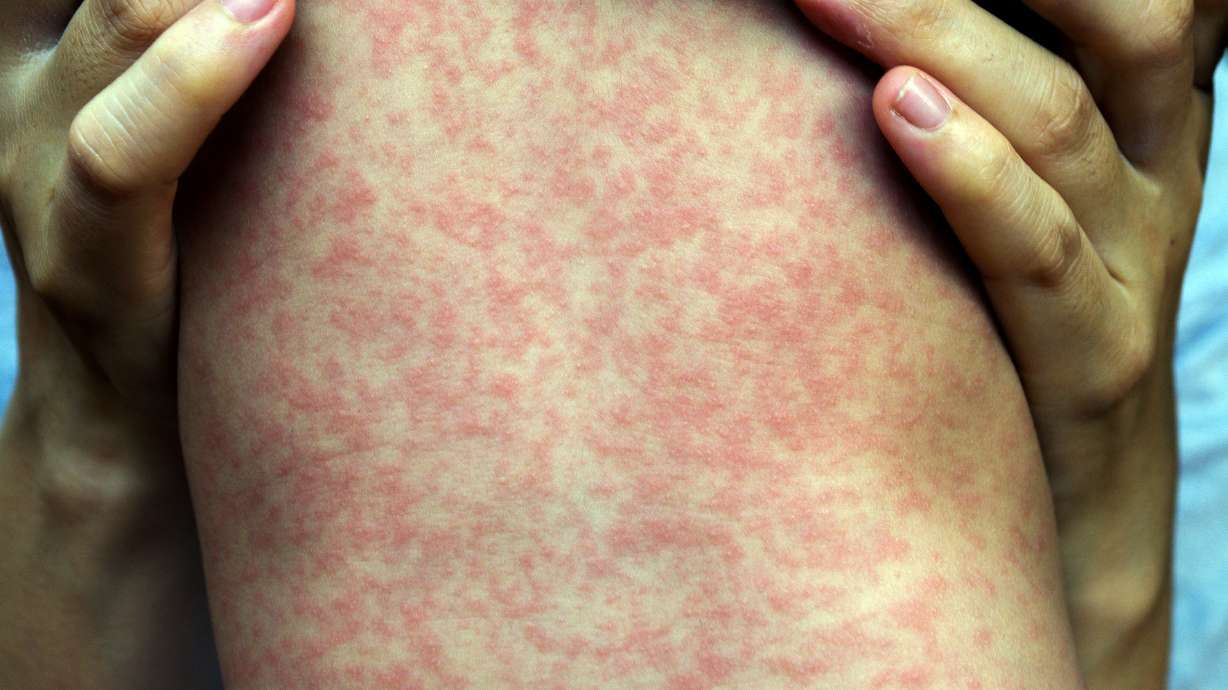
Watch for early signs including high fever, cough, runny nose, red eyes, and a distinctive rash starting on the face before spreading. The department strongly urges unvaccinated adults and children to receive the MMR vaccine immediately, which offers lifelong protection. Travelers should monitor health and consult doctors if symptoms appear, helping curb potential outbreaks.[1][2]
About the Organizations Mentioned
New Jersey Health Department
The **New Jersey Department of Health (NJDOH)** is the state's principal public health agency, dedicated to protecting residents' health, promoting healthy communities, and enhancing health care quality across its 9.5 million population.[1][2][3] Established in 1877 with the creation of the State Board of Health, NJDOH has evolved into a nationally accredited powerhouse, recently reaccredited by the Public Health Accreditation Board for upholding top standards in services, leadership, and accountability.[1][3][4] Its mission emphasizes **transparency** via data-driven decisions, **innovation** through technology for service access, **partnerships** with community providers, and evidence-based prevention.[2] NJDOH oversees a vast array of facilities—from hospitals and nursing homes to psychiatric care, family planning, and dialysis centers—while running specialized divisions like Communicable Disease Service (preventing outbreaks), Community Health and Wellness (anti-smoking and nutrition campaigns), and the pioneering Office of Emergency Medical Services, the nation's first in 1967 for certifying EMTs and ambulances.[1] Notable programs include the Medicinal Cannabis Program under the Jake Honig Act for patient access to regulated therapies, HIV/AIDS services, and maternal-child health initiatives.[1][2] Key achievements spotlight its frontline role in public health crises, local health department support to curb epidemics and environmental hazards, and innovative expansions like the WIC nutrition program.[1][6] Currently led by Acting Commissioner Jeff Brown, appointed by the Governor, the agency operates from Trenton with three core branches—Public Health Services, Health Systems, and Integrated Health—plus recent additions.[2][3] In a bold 2025 move, NJDOH unveiled its **2025–2030 Strategic Plan**, born from 2,000 employee inputs and stakeholder collaboration, alongside a major reorganization.[4] This introduces a **Population Health Branch** targeting chronic diseases, har
Newark Liberty International Airport
**Newark Liberty International Airport (EWR)** operates as a major hub for commercial aviation, cargo, and air mail in the New York metropolitan area, managed by the Port Authority of New York and New Jersey, primarily serving **United Airlines** with about 65% of flights.[1][2] Opened on October 1, 1928, as **Newark Metropolitan Airport**, it pioneered U.S. commercial aviation on 68 acres reclaimed from the Passaic River, featuring the country's first paved runway, dedicated hangar, and—by 1935—the world's second airport terminal (an Art Deco landmark rededicated by Amelia Earhart).[1][2][3][4][5][9] Renamed Newark International in 1973 and Newark Liberty in 2002 post-9/11 (honoring United Flight 93's departure), it evolved from air mail operations—handling U.S. Postal Service routes by 1929—to passenger dominance, briefly becoming the world's busiest airport.[1][2][3][5] Key achievements include the first U.S. air traffic control tower in 1935 (upgraded in 1948 and 1960), WWII military use by the Army Air Corps, and massive expansions: Terminals A and B in 1973, Terminal C in 1988, and a monorail in 1996 linking facilities.[1][2][5][6] People Express Airlines doubled traffic in the 1980s via the North Terminal (demolished 1997).[2][5] By 2019, EWR processed over **46 million passengers**, solidifying its role as a FedEx Northeast hub.[1][5] Today, despite its half-century-old Central Terminal Area, EWR thrives amid competition from JFK and LaGuardia, with ongoing vision plans for modernization to boost capacity and tech integration like advanced air traffic systems.[6] Challenges like 1950s safety closure