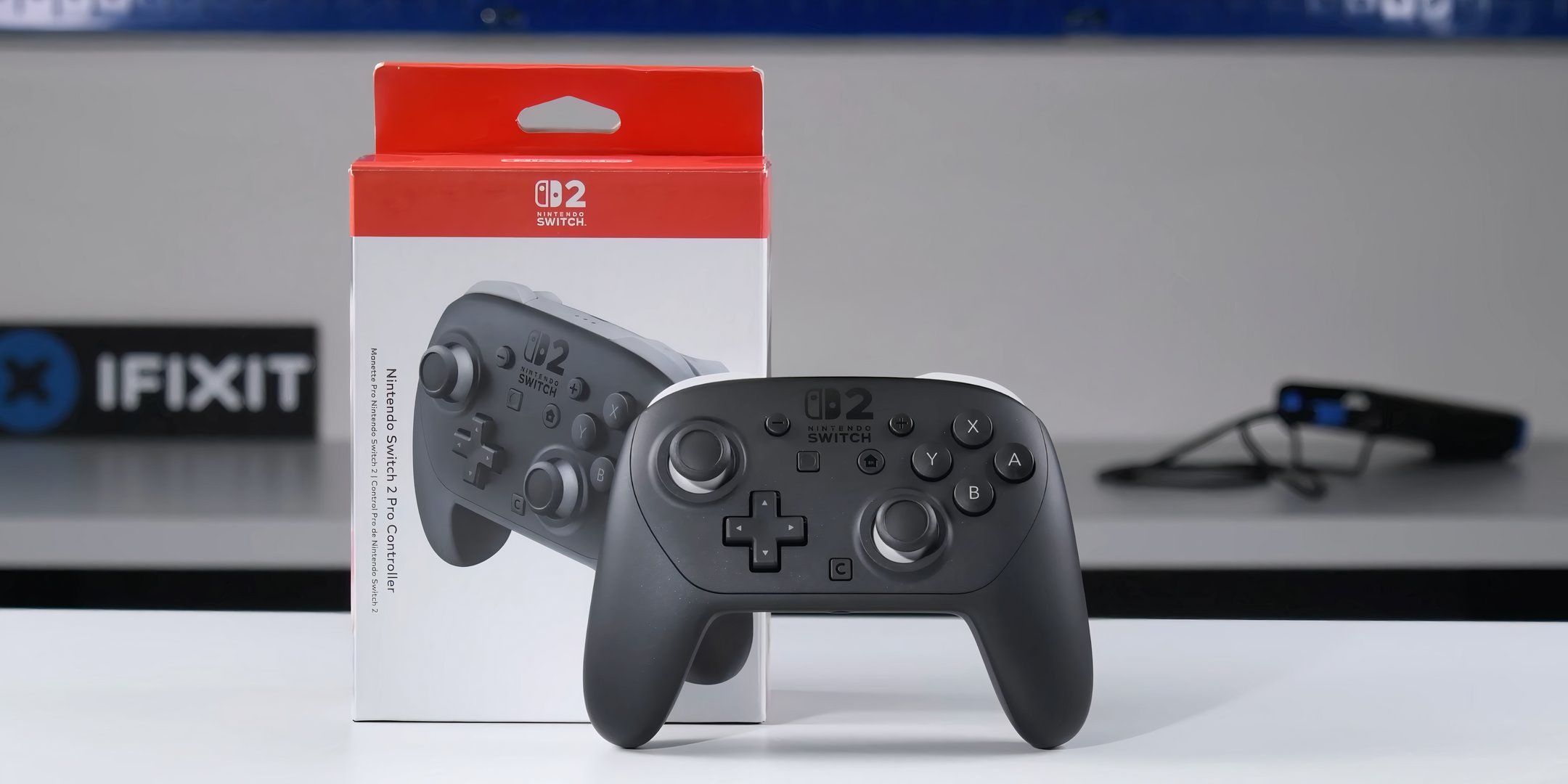
Memory Chip Shortage Threatens Gaming Hardware: Switch 2 Price Talks and PlayStation 6 Delays

Memory Shortage Threatens Gaming Hardware
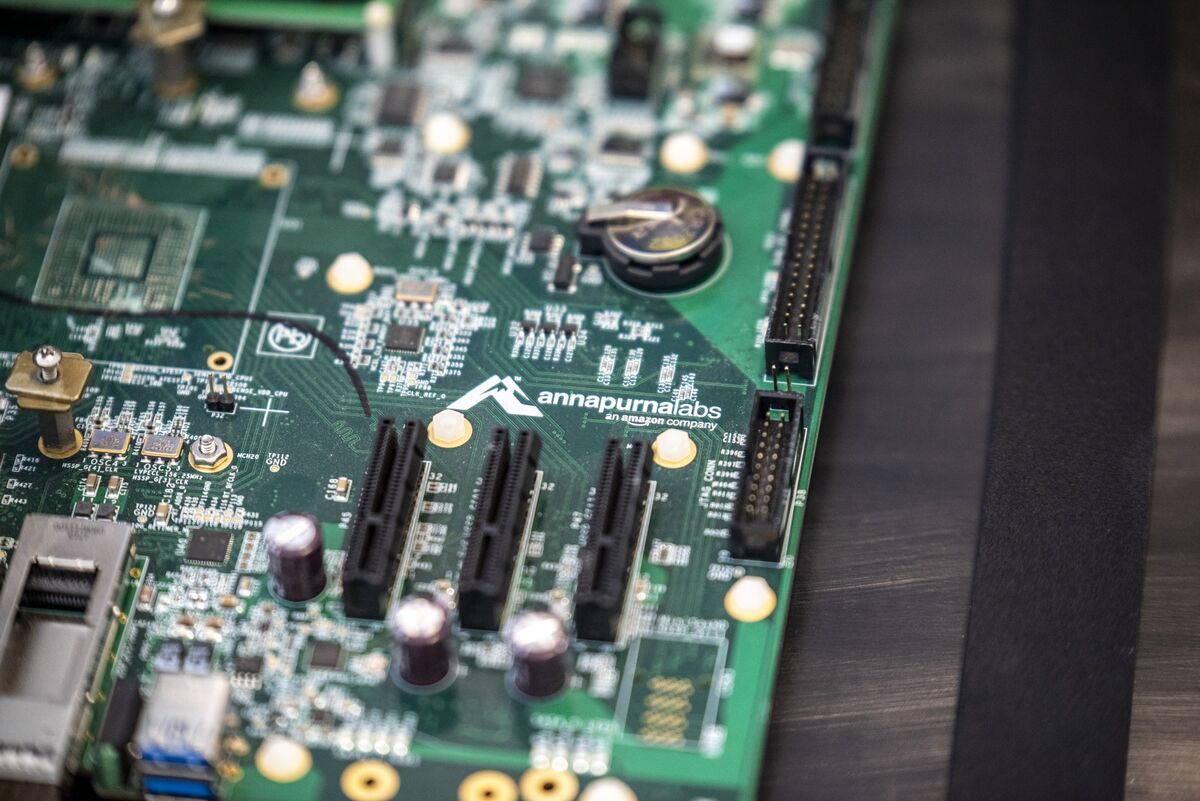
The global memory chip shortage is creating unprecedented challenges for the gaming industry. Nintendo and Sony are facing difficult decisions as AI demand continues to drain semiconductor supplies, forcing manufacturers to reassess pricing and release timelines for their next-generation consoles.
Nintendo Switch 2 Price Increases Likely
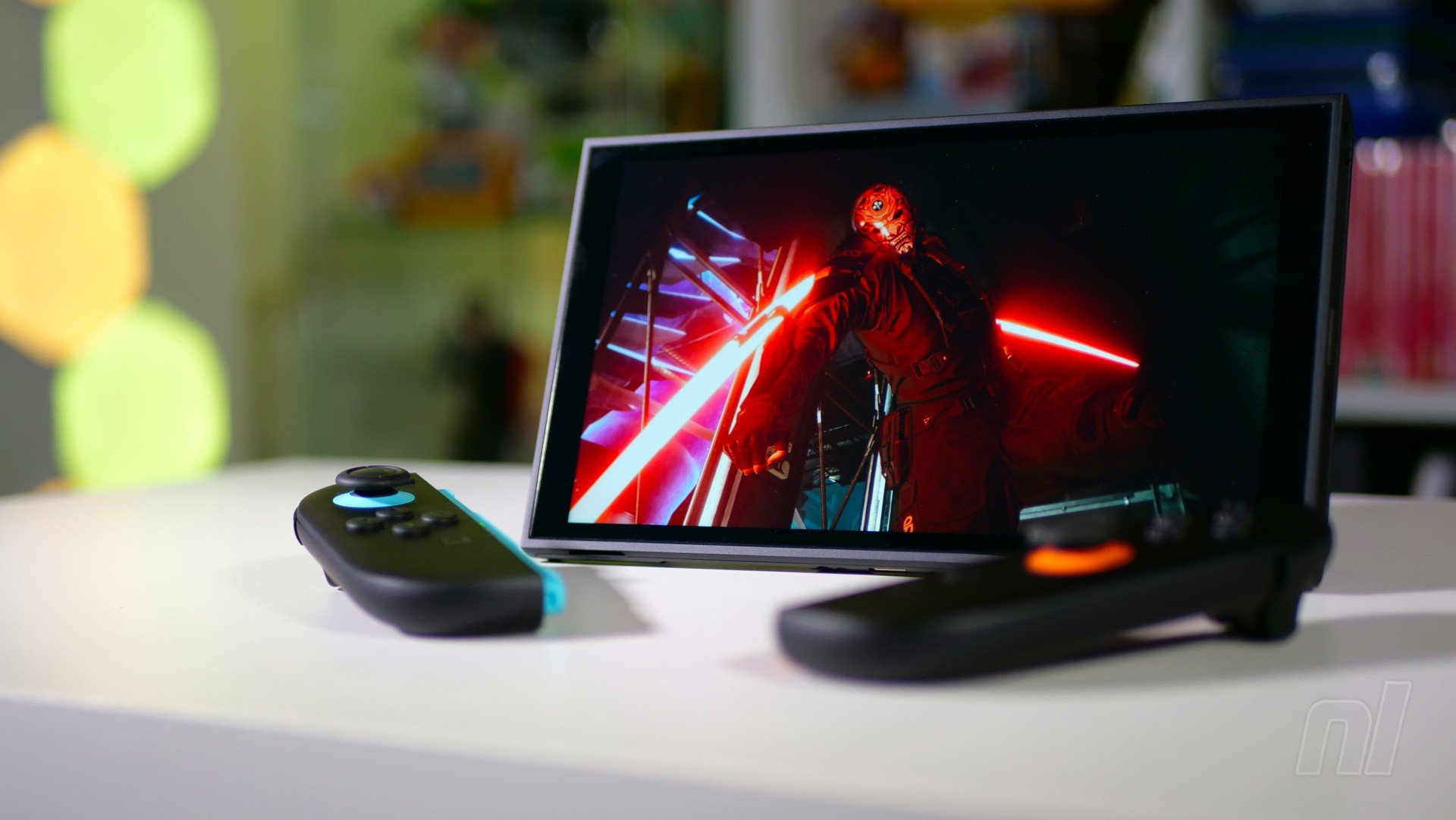
Nintendo executives have sounded alarms about rising memory costs and U.S. tariffs impacting production. The company is considering price increases for the Switch 2 this year as component expenses surge. President Shuntaro Furukawa emphasized the challenging market environment while discussing long-term supplier negotiations to maintain stable chip intake.
PlayStation 6 Launch Delayed
Sony is reportedly considering delaying the PlayStation 6 until 2028 or 2029 to wait for memory prices to stabilize. The anticipated console was originally planned for 2027. Industry experts believe chip manufacturers may catch up with demand by 2028, though prices may remain elevated compared to pre-shortage levels.
```About the Organizations Mentioned
Nintendo
Nintendo, founded in 1889 by Fusajiro Yamauchi in Kyoto, Japan, began as a manufacturer of handmade Hanafuda playing cards. Over the following decades, it became Japan's largest playing card company and expanded into various entertainment sectors under the leadership of Hiroshi Yamauchi from 1949, marking a pivotal shift toward electronic games and toys[1][2][3]. In the 1970s and 1980s, Nintendo transitioned into video game development with arcade hits like *Donkey Kong* (1981), designed by Shigeru Miyamoto, which introduced the iconic character Mario and established Nintendo's international presence[2][6]. The release of the Nintendo Entertainment System (NES) in 1985 was a critical milestone, revitalizing the video game industry after the 1983 crash and setting standards with innovative titles such as *Super Mario Bros.* and *The Legend of Zelda*[2][3]. Nintendo continued to innovate with handheld systems like the Game Boy (1989) and advanced consoles including Super Nintendo (1990), Nintendo 64, GameCube, Wii, and more recently, the Nintendo Switch family, which blends portable and home gaming[3][7]. The company’s portfolio features globally recognized franchises—Mario, Zelda, Pokémon, and Metroid—that have become cornerstones of interactive entertainment[7]. Today, Nintendo is a leading multinational video game developer and publisher, with subsidiaries worldwide including Nintendo of America and Nintendo Australia. It remains committed to creating "smiles" through unique gaming experiences that blend creativity, technology, and accessibility[6]. Nintendo has sold over 5 billion games and nearly 780 million hardware units globally, cementing its role as a dominant and influential player in the business and technology sectors[4]. Notable aspects of Nintendo include its pioneering spirit in both hardware innovation and software creativity, its cultural impact through iconic characters, and its adaptability from a traditional playing card company to a global entertainment powerhouse. Thi
Sony
## Overview Sony Group Corporation is a Japanese multinational conglomerate headquartered in Tokyo, renowned for its innovation in technology, entertainment, and media[6]. The company operates across diverse sectors, including electronics (Sony Corporation), imaging and sensing (Sony Semiconductor Solutions), entertainment (Sony Pictures Entertainment, Sony Music Entertainment), and video games (Sony Interactive Entertainment)[6]. ## History Founded in 1946 as Tokyo Tsushin Kogyo K.K. by Masaru Ibuka and Akio Morita, Sony began as an electronics manufacturer and quickly became a symbol of Japan’s post-war industrial resurgence[6]. Renamed Sony Corporation in 1958, the company achieved global recognition with pioneering products such as the TR-55 transistor radio, the Trinitron color television, the Walkman, and the compact disc[6]. Sony’s strategic acquisitions—Columbia Records (1988) and Columbia Pictures (1989)—marked its expansion into entertainment, while the 1994 launch of the PlayStation signaled entry into the gaming industry[6]. In 2021, the company restructured as Sony Group Corporation, a holding company for its various businesses, with its electronics arm continuing as Sony Corporation[6]. ## Key Achievements Sony’s legacy is defined by technological and creative milestones. The Walkman revolutionized portable music, the PlayStation became a dominant force in gaming, and the Trinitron set industry standards for television quality[6]. In recent years, Sony has focused on maximizing the value of its intellectual property (IP) through cross-business synergies, extending franchises into games, films, anime, and real-world experiences[5]. The company’s ability to adapt—spinning off financial services and doubling down on gaming, sensors, and content—has kept it resilient and profitable in a rapidly evolving digital landscape[5]. ## Current Status and Strategy Under President and CEO Hiroki Totoki, Sony’s current strategy centers on its “