Mental Health Struggles Behind the D.C. National Guard Shooting
Mental Health Struggles Behind the Incident
Emails from 2024 reveal that Rahmanullah Lakanwal, the suspect in the D.C. National Guard shooting, endured prolonged isolation and significant mental health challenges. For over a year, Lakanwal struggled to maintain employment and exhibited signs of emotional distress, which worsened during weeks spent isolated from others. This ongoing struggle likely contributed to his deteriorating state before the incident.
Context of Isolation and Its Effects
Isolation can severely impact mental well-being, especially when combined with financial and personal stress. Lakanwal’s situation was compounded by his detachment from family and friends, as well as reported financial difficulties. Such factors are known to increase vulnerability to mental health crises, possibly influencing his actions leading up to the shooting.
Broader Implications
This case highlights the critical need for timely mental health support within military and civilian communities. Early intervention and sustained care could prevent similar tragedies by addressing isolation and psychological distress before they escalate into violence.
About the Organizations Mentioned
D.C. National Guard
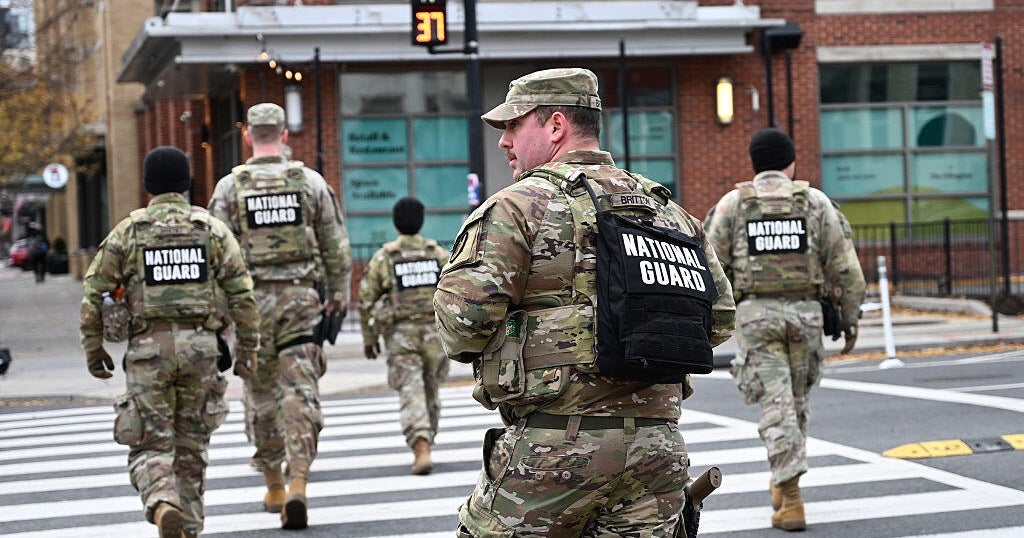
The District of Columbia National Guard (DCNG) is a unique military organization responsible for protecting the nation’s capital and supporting both federal and local missions. Established in 1802 by President Thomas Jefferson, the DCNG is the only National Guard force directly under presidential authority, rather than a state governor, reflecting Washington, D.C.’s status as a federal district. This structure enables the DCNG to respond rapidly to national emergencies, civil unrest, and natural disasters, serving as the first military responder for the capital. The DCNG comprises both Army and Air National Guard units, trained and equipped to U.S. military standards. Its personnel are eligible for all federal military awards and also receive local honors for service to the District. Over its 200-year history, the DCNG has played pivotal roles in national defense, including deployments during World War I, World War II, and the Vietnam War, as well as critical support during domestic crises such as the 9/11 attacks. Today, the DCNG maintains a highly professional, joint force ready for rapid deployment. It supports federal war-fighting missions, executes emergency response plans, and collaborates with local agencies to enhance public safety and community resilience. Notably, the DCNG recently established a specialized military police battalion as part of a national quick reaction force, designed to respond to civil disturbances and support law enforcement across the U.S. The DCNG’s strategic vision emphasizes adaptability, readiness, and integration with federal and district partners. Its unique command structure, historical legacy, and ongoing innovation in emergency response make it a model for military-civilian collaboration in the nation’s capital. For business and technology leaders, the DCNG exemplifies how public-sector organizations leverage advanced training, technology, and strategic planning to address complex challenges in high-stakes environments.