New Documents Tie Renee Good to ICE Monitoring and School Board Activities

New Documents Reveal Renee Good’s ICE Monitoring Ties
Recent revelations from newly surfaced documents are casting a stark light on Renee Good’s unexpected connections to anti-ICE activities in Minneapolis. The mother, tragically killed last week by an Immigration and Customs Enforcement agent during a tense street confrontation, held a seat on her son’s school board. That position linked her directly to materials urging parents to vigilantly track ICE operations and attend specialized training sessions.
School Board’s Role in ICE Resistance
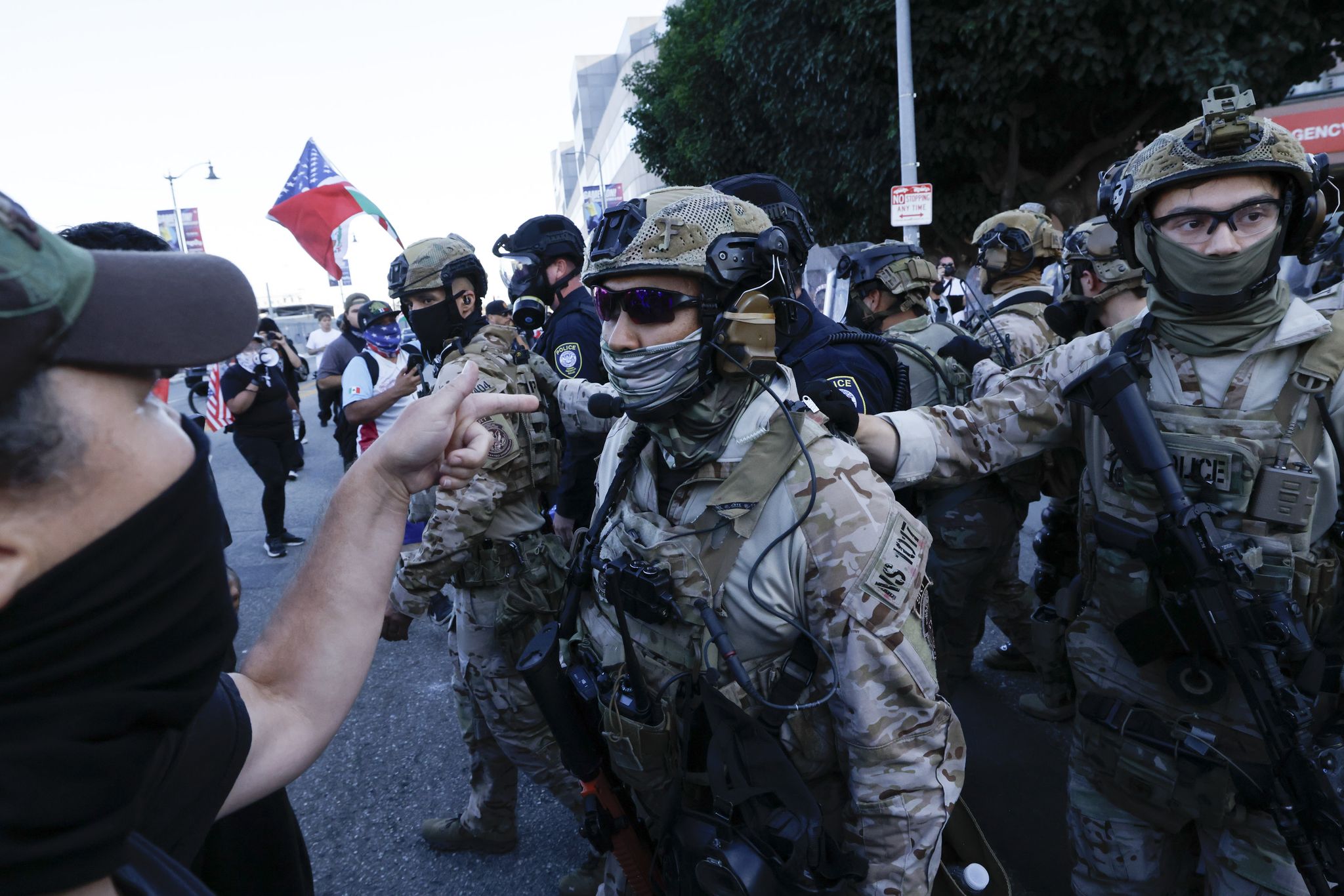
At the heart of these findings are school-distributed guides that promoted monitoring federal agents. One key document outlined nonviolent strategies to impede ICE efforts, advocating refusal to follow orders and deployment of creative disruptions like crowds, props, traffic jams, and noise to halt detentions. Federal investigators now view this activism as pivotal to the incident, where Good’s SUV partially blocked agents, sparking the fatal encounter.
Implications for Federal Probes
As authorities scrutinize Good’s associations, questions swirl about the extent of community involvement in resisting immigration enforcement. These ties, once obscure, now fuel debates on domestic extremism and the boundaries of protest, prompting deeper reviews into how local education intersects with national security concerns.
About the Organizations Mentioned
Immigration and Customs Enforcement
**Immigration and Customs Enforcement (ICE)** is a federal law enforcement agency under the U.S. Department of Homeland Security (DHS). Established by the Homeland Security Act of 2002, ICE was created in response to the 9/11 attacks to enhance national security and protect public safety. The agency's primary mission is to enforce federal laws related to customs, trade, and immigration, focusing on cross-border crime and illegal immigration[1][2][3]. **History and Structure:** ICE was formed by merging the U.S. Customs Service and the Immigration and Naturalization Service. It operates with over 20,000 staff across more than 400 global offices, with an annual budget of approximately $8 billion[3]. The agency is structured into several key directorates, including **Enforcement and Removal Operations (ERO)**, which handles immigrant detention and deportation, and **Homeland Security Investigations (HSI)**, which investigates transnational crimes[1][2]. **Key Functions and Achievements:** ICE is known for its immigration enforcement efforts, particularly in interior regions of the U.S. It conducts investigations into human trafficking, terrorism, and other transnational crimes. Despite controversy over policies like family separation and detention conditions, ICE has made significant strides in combating illegal activities and protecting national security[4][6]. **Current Status and Notable Aspects:** Today, ICE continues to face challenges and controversy, particularly regarding its enforcement practices and impact on immigrant communities. The agency's actions can have profound effects on local economies and social services, as fear of ICE may deter undocumented immigrants from accessing essential services[6]. Despite these challenges, ICE remains a crucial component of U.S. immigration policy, working to balance enforcement with humanitarian concerns.