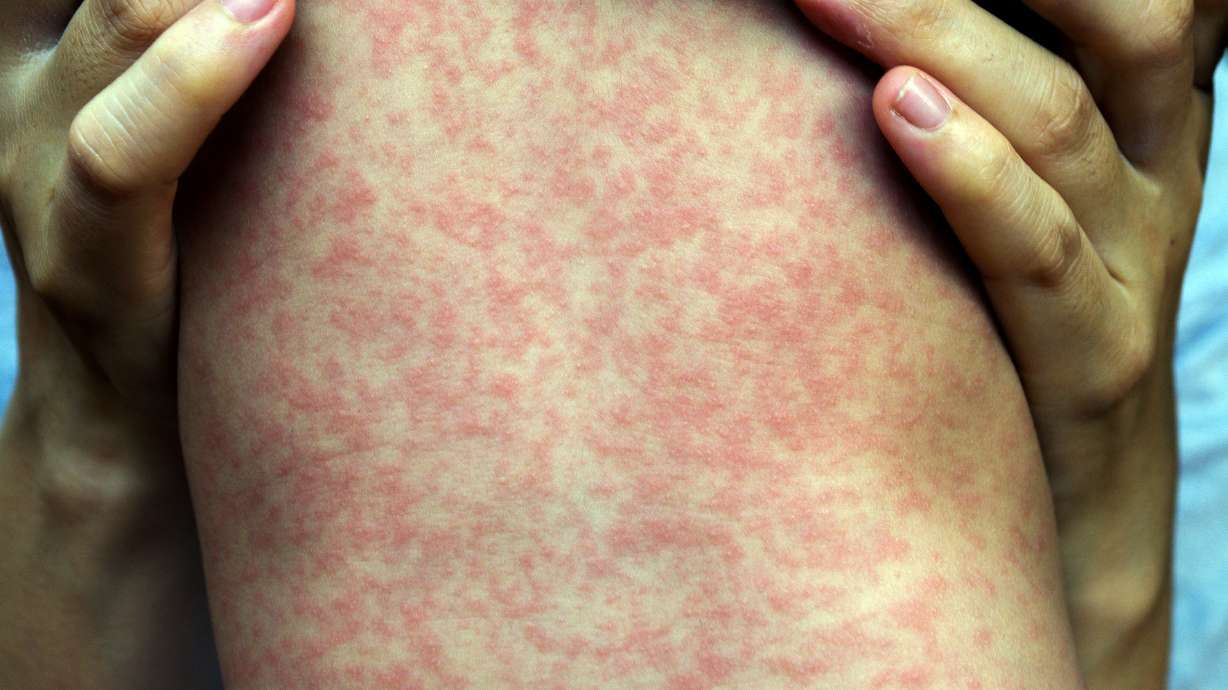
New York Flu Season Hits Record Highs as ER Visits Spike
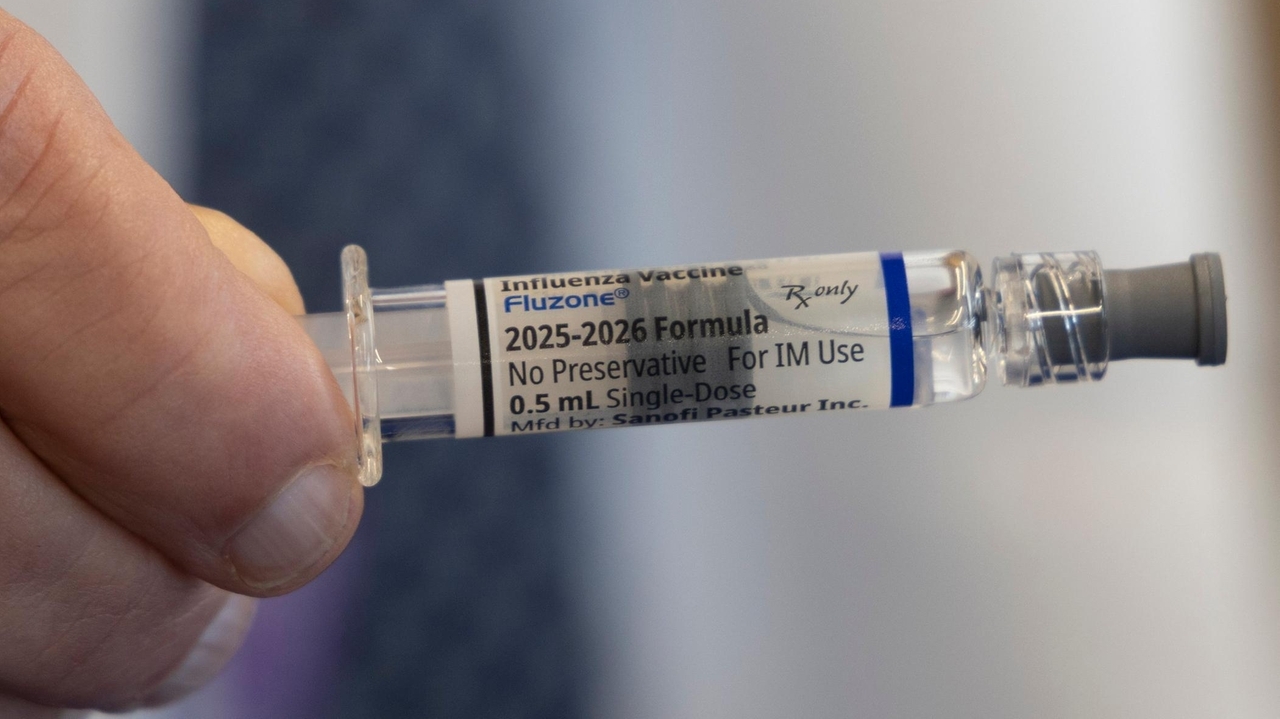
New York Flu Season Hits Record Highs
New York State's flu season has exploded with a staggering 71,123 cases reported in a single week, marking an unprecedented surge according to recent health alerts. Long Island alone accounted for over 15,000 illnesses, underscoring the region's vulnerability amid rising respiratory threats. Emergency departments in New York City noted flu visits climbing from 6.76% to 8.75% for the week ending December 20, 2025, signaling intensified pressure on healthcare systems.
Why This Flu Wave is So Severe
Experts attribute the spike to aggressive viral strains circulating nationwide, with CDC maps showing elevated influenza-like illness activity across multiple states. Factors like delayed vaccinations, indoor gatherings during winter, and co-occurring RSV upticks from 0.26% to 0.29% have amplified transmission. Long Island's dense populations and travel hubs have turned it into a hotspot, overwhelming local clinics with feverish patients and strained resources.
Protecting Yourself Amid the Surge
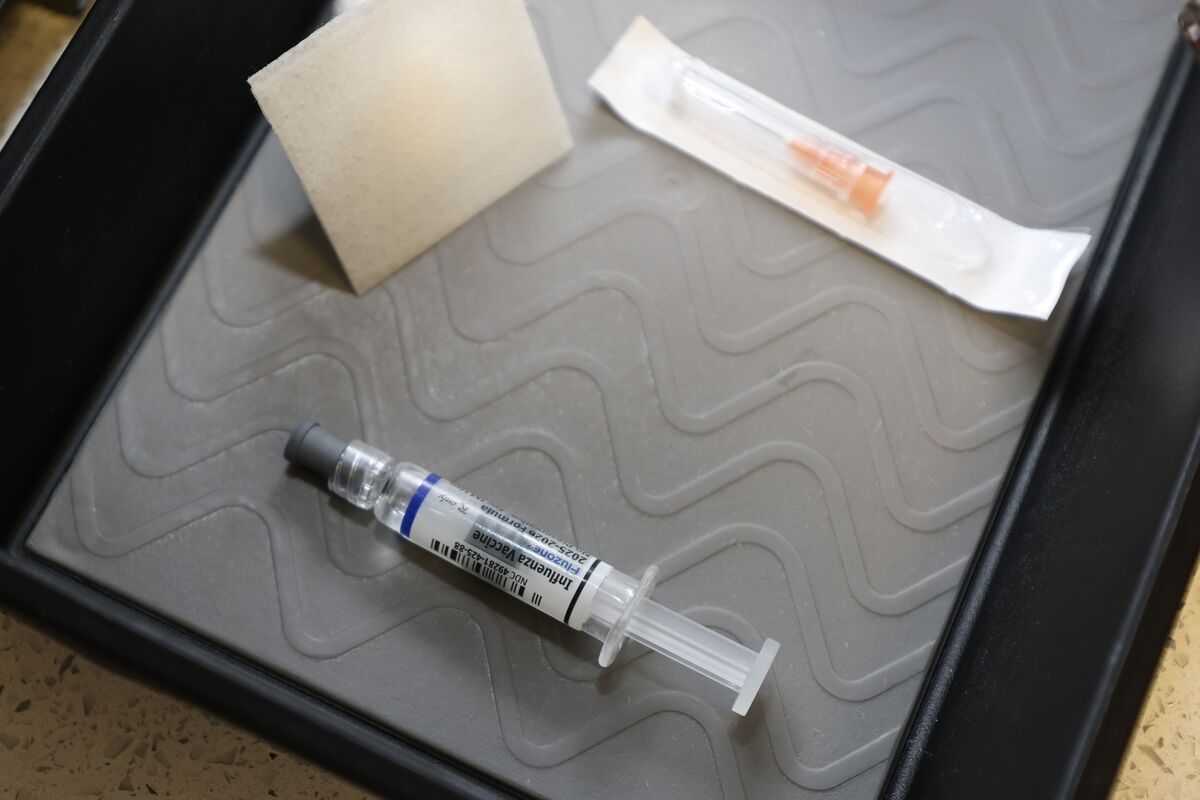
To combat this record-breaking outbreak, health officials urge immediate flu shots, hand hygiene, and masking in crowds. Staying home when sick prevents further spread, while monitoring symptoms early can avert hospitalizations. As cases climb, proactive measures remain crucial for safeguarding communities through this brutal season.
About the Organizations Mentioned
Centers for Disease Control and Prevention
The Centers for Disease Control and Prevention (CDC) is a premier U.S. public health agency established on July 1, 1946, originally as the Communicable Disease Center. It evolved from the wartime Malaria Control in War Areas program (MCWA) created during World War II to combat malaria around military bases in the southern United States[1][3][7]. Headquartered in Atlanta, Georgia, the CDC has grown from a regional malaria control unit to a comprehensive national and global health protection agency. The CDC’s mission is to protect public health and safety through disease control and prevention, health promotion, and emergency preparedness. It investigates and responds to emerging health threats such as infectious diseases—including COVID-19, influenza, and bioterrorism agents—as well as chronic diseases, injuries, workplace hazards, environmental health threats, and more[2][6]. The agency conducts scientific research via over 200 specialized laboratories nationwide, supports public health workforce development, and communicates critical health information to the public[6][5]. Throughout its history, the CDC has expanded its scope and structure significantly. It was renamed the Center for Disease Control in 1970, then the Centers for Disease Control in 1980 as it incorporated multiple centers, and finally adopted the current name, Centers for Disease Control and Prevention, in 1992 to emphasize prevention efforts while retaining the CDC acronym for recognition[2][8]. Its organizational breadth now includes centers focused on infectious diseases, chronic diseases, environmental health, injury prevention, occupational safety, and health statistics. Notable achievements include leading vaccination campaigns against diseases like measles and rubella, advancing injury prevention, and mounting global efforts against infectious outbreaks. The CDC also played a pivotal role in combating antibiotic misuse and bioterrorism preparedness. Despite past controversies like the Tuskegee syphilis study, the agency remains a leader in epidemiology and public health innovation, employing a multidisciplinary workforce of scientists, clinicians, and public health experts dedicated t
New York State
New York State is the U.S. state government that administers public policy, services, regulation and economic programs for roughly 20 million residents and a $2+ trillion economy, acting through its executive, legislative and judicial branches and dozens of agencies and authorities. [7][5] What it does: New York State sets and implements statewide policy (education, health, transportation, public safety, economic development), manages the state budget and capital program, regulates commerce and utilities, and runs major public systems such as Medicaid, K–12 and higher education funding, transportation infrastructure, and criminal justice programs. [5][7][8] History and structure: New York’s state government traces its constitutional origins to the late 18th century and has evolved into a complex structure with an elected governor and lieutenant governor, a bicameral legislature (Senate and Assembly), a unified court system, and numerous executive agencies, localities and public authorities that carry out policy and finance projects. [7][5] Key achievements and notable aspects: New York has built nationally significant public programs and infrastructure—large-scale budgetary and aid programs for education and health, major mass‑transit and port systems, and aggressive climate, housing and consumer‑protection initiatives—while running extensive incentive and economic development programs to attract tech and finance employers. The state’s enacted budgets and fiscal plans have been central to funding these achievements. [5][8] Current status (business & tech angle): Recent State of the State agendas and the FY2025 enacted budget emphasize affordability, public safety, mental‑health reforms, and targeted investments in economic development and technology sectors to retain and attract businesses; policy proposals in 2025 include tax cuts, rebates and expanded family supports alongside consumer protections for online markets and regulation of emerging industries. [1][2][4][5] Why it matters to business and technology readers: New York State’s