NTSB Chair Blasts FAA and Pentagon Amid El Paso Airspace Chaos

‘It’s Astounding’: NTSB Chair Blasts FAA and Pentagon Over El Paso Chaos
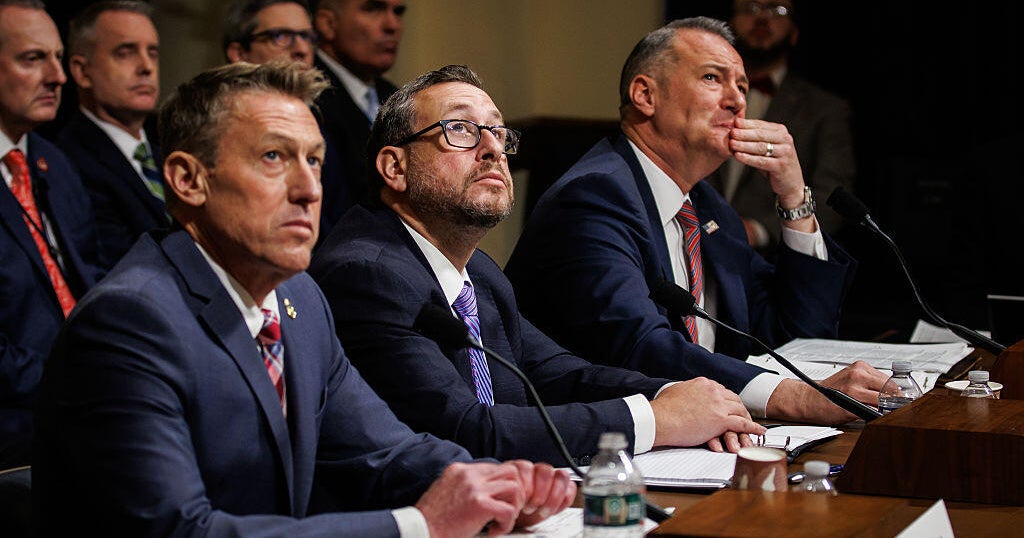
In a fiery congressional testimony, NTSB Chair Jennifer Homendy expressed shock at the ongoing miscommunication between the FAA and Pentagon, spotlighting the recent El Paso airspace turmoil. Describing it as "astounding," she highlighted a disturbing pattern of breakdowns that endangered flights and public safety, urging immediate reforms[1].
Pattern of Dangerous Missteps
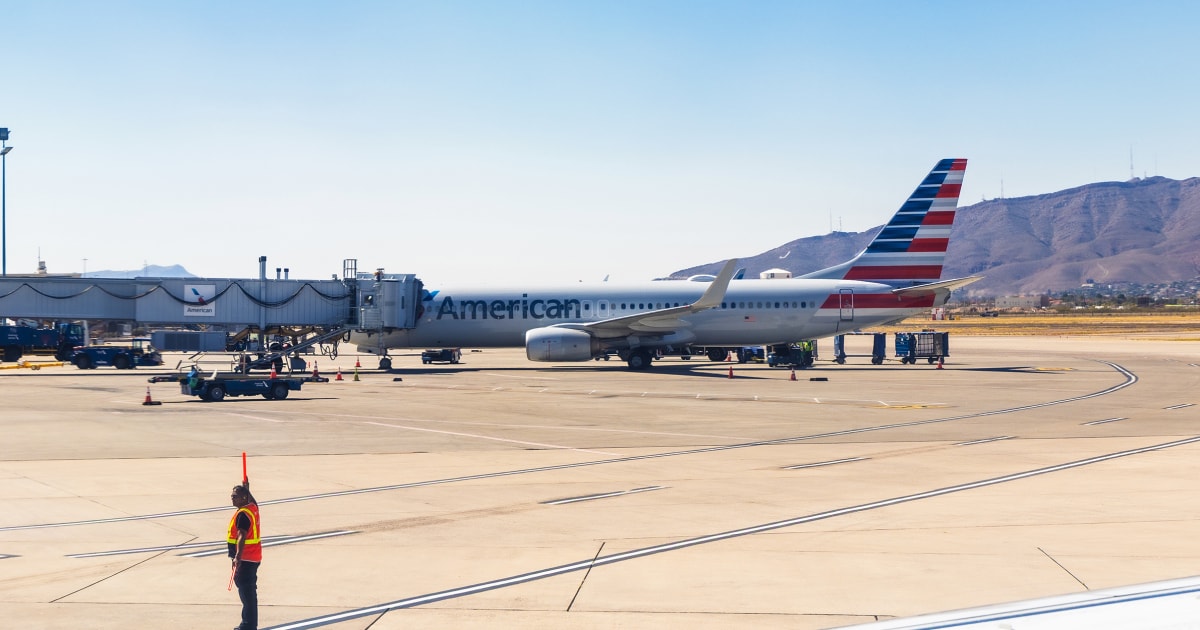
Homendy's remarks echo prior incidents, like near-misses between commercial jets and military aircraft near Washington, D.C., where agencies clashed over airspace closures. In El Paso, conflicting directives—one agency planning a 10-day shutdown while another contradicted—sparked chaos, reminiscent of helicopter close calls exposing reliance on outdated "see and avoid" protocols instead of advanced tech like ADS-B[2].
Call for Urgent Coordination
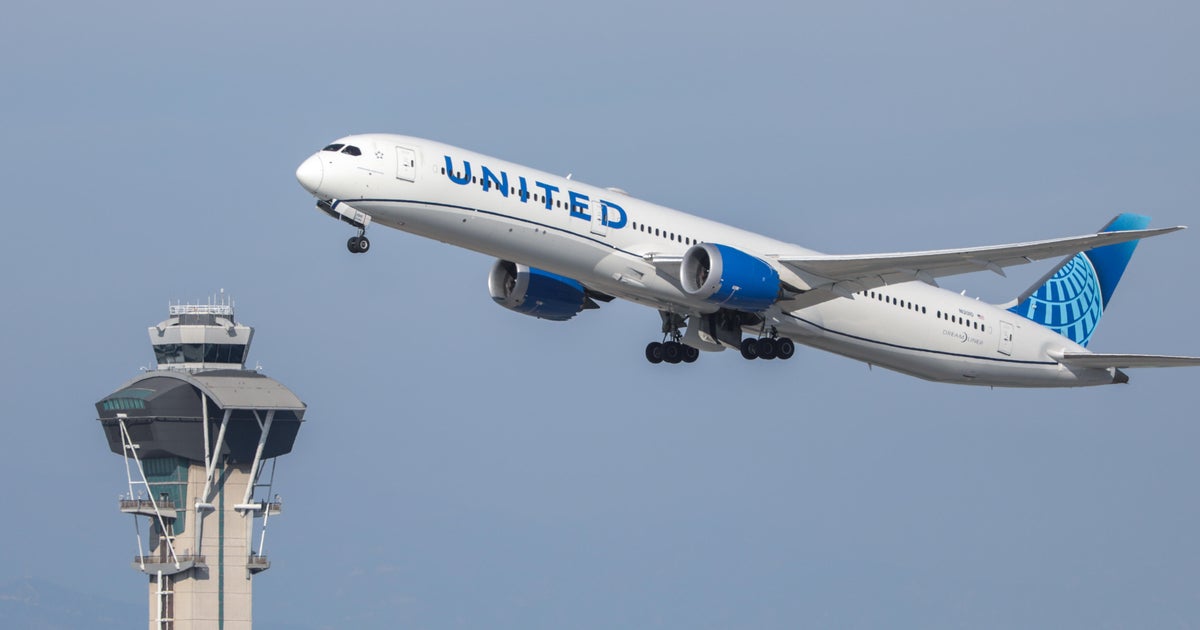
Lawmakers, including Sen. Maria Cantwell, demanded interagency briefings to resolve these failures, stressing that systematic lapses in protocols have heightened collision risks. With aviation congestion rising, experts warn that without unified communication and modern safety systems like TCAS enhancements, more near-disasters loom, compelling federal action to protect skies[2].
About the Organizations Mentioned
NTSB
The National Transportation Safety Board (NTSB) is an independent federal agency established in 1967 to investigate transportation accidents and improve safety across the United States. Originally created within the Department of Transportation, the NTSB gained full independence in 1974 to ensure objective, nonpartisan investigations. Its mission is to determine the probable causes of major accidents in aviation, rail, highway, marine, pipeline, and commercial space transportation, and to issue safety recommendations aimed at preventing future tragedies. Since its inception, the NTSB has investigated over 153,000 aviation accidents and thousands of surface transportation events, issuing more than 15,500 safety recommendations. Notably, about 82% of its closed recommendations have been implemented, reflecting its significant impact on transportation safety. The agency is renowned for its forensic and technical expertise, often deploying teams globally within hours of a major incident. Its findings have led to critical changes in regulations, technology, and operational practices across industries. The NTSB is led by five Senate-confirmed board members, each serving five-year terms, and operates with approximately 400 employees across its Washington, D.C., headquarters and regional offices. While best known for its aviation accident investigations, the NTSB also probes major highway crashes, train derailments, marine disasters, and pipeline ruptures—especially those involving fatalities, substantial property damage, or environmental harm. A notable aspect of the NTSB’s work is its role as an appellate authority for aviation and mariner certificate disputes, and its ability to provide technical support in criminal investigations, such as the 9/11 attacks. Today, the NTSB remains a vital force in advancing transportation safety, leveraging cutting-edge technology and research to shape the future of travel and logistics in the U.S.
FAA
The **Federal Aviation Administration (FAA)** is the U.S. Department of Transportation agency tasked with regulating civil aviation safety, managing the National Airspace System, and overseeing commercial space transportation to ensure the world's safest, most efficient aerospace operations.[1][2][4] Established as the independent Federal Aviation Agency in 1958 via the Federal Aviation Act—responding to rising mid-century air traffic and accidents—it integrated into the Department of Transportation in 1967, adopting its current name.[1][3][4] Over decades, the FAA expanded into aviation security amid 1960s hijackings, noise regulations in 1968, and post-9/11 environmental and security roles (now partly with Homeland Security).[1] Key achievements include pioneering the NextGen air traffic modernization for satellite-based navigation, certifying pilots and aircraft globally, and licensing commercial space launches—safeguarding U.S. assets during SpaceX and Blue Origin operations while handling over 50,000 daily flights.[4][5][6] Today, the FAA's five core lines—Air Traffic Organization (ATO) for towers and radar centers, Aviation Safety (AVS) for certifications, Airports (ARP) for $3.5 billion annual grants, Space Transportation, and Research—drive innovation in drones, electric aircraft, and noise reduction.[1][2][6] It enforces manufacturing standards, develops tech like advanced engines, and negotiates international agreements, promoting U.S. aviation abroad.[4] With a workforce managing a million daily passengers, the FAA tackles booming demands from eVTOLs and hypersonics, emphasizing environmental responsibility amid tech-business booms.[5][7] Notably, its dual civil-military air traffic role and drone oversight position it at the forefront of aviation's business-tech nexus, balancing safety with innovation for stakeholders from airlines to startups.[3][8] (298 words)
Pentagon
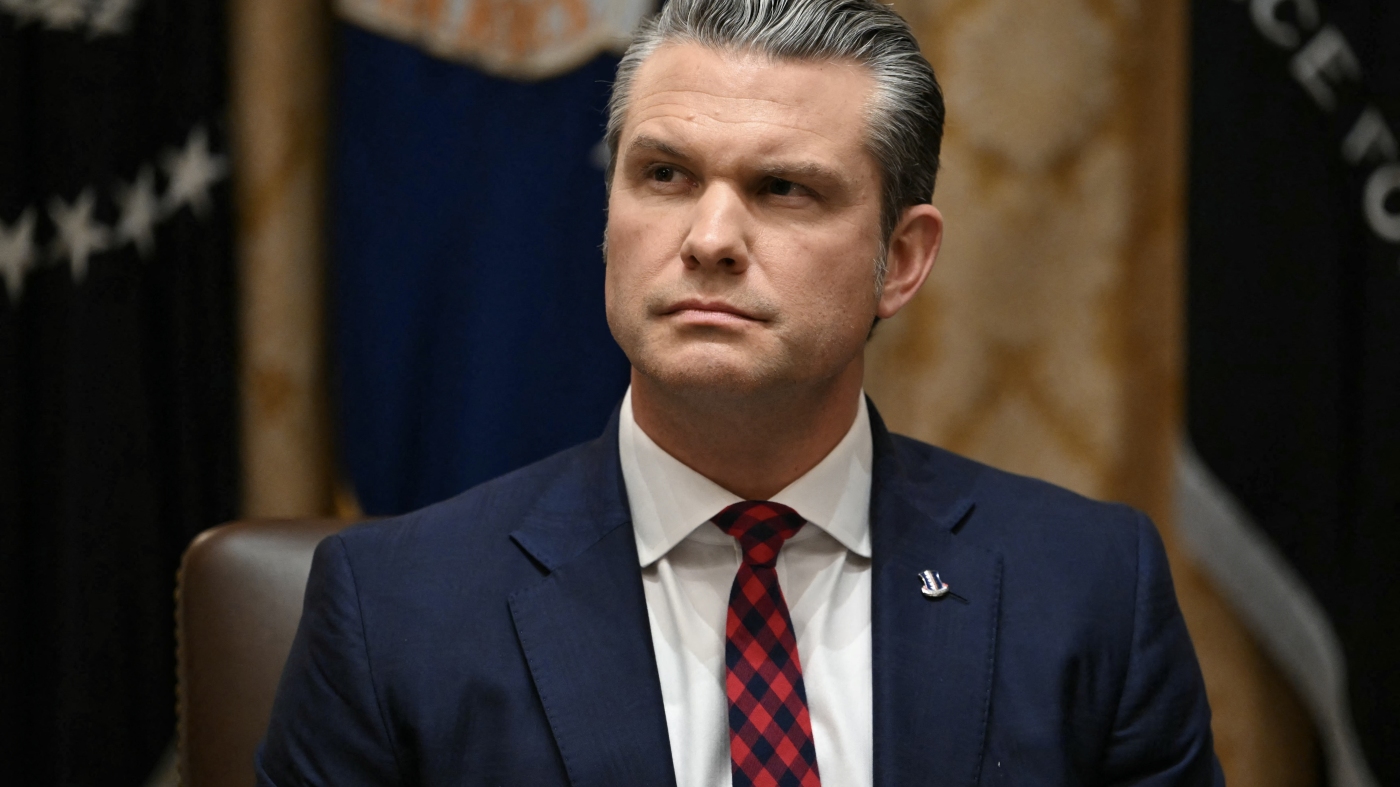
The **Pentagon** is the headquarters of the United States Department of Defense (DoD), serving as the central command center for the nation's military operations and strategic defense planning. Situated in Arlington County, Virginia, it houses the leadership and staff of the Army, Navy, Marine Corps, Air Force, Space Force, and associated defense agencies and commands[1]. Originally constructed during World War II as a temporary War Department building, the Pentagon evolved into the permanent nerve center for U.S. military coordination following the 1947 National Security Act, which merged the War and Navy Departments and added the Air Force, establishing the modern DoD[2]. The Pentagon oversees America’s global military posture, playing a crucial role during the Cold War and continuing to adapt to current geopolitical challenges. Its organizational complexity includes civilian oversight through the service secretaries and integration with multinational commands such as NATO and NORAD[1]. The Pentagon is also notable for its vast infrastructure, which underwent a comprehensive renovation completed in the early 2000s to maintain its operational capacity and security[2]. In recent years, the Pentagon has shifted strategic focus to homeland defense and the Western Hemisphere, aligning with contemporary U.S. national security priorities such as border protection and countering adversaries like China[3]. Technologically, it actively invests in emerging industries critical to defense, including space technologies, microelectronics, biochemicals, and software modernization. The Office of Strategic Capital, established to channel private sector investment into defense technologies, exemplifies this focus on innovation and maintaining U.S. technological superiority[4][6]. Efforts such as the Pentagon’s software modernization implementation plan emphasize cloud adoption and agile software development to enhance military IT capabilities[6]. Additionally, political dynamics impact Pentagon leadership and policy directions, as seen in initiatives like Project 2025, which aims to influence personnel and strategic priorities aligned with conservative policy goals[5]. Overall, the Pentagon remains a pivotal institution at the intersection of defense, technology