Senate Hearing Highlights Minnesota Immigration Tensions and Federal-State Cooperation
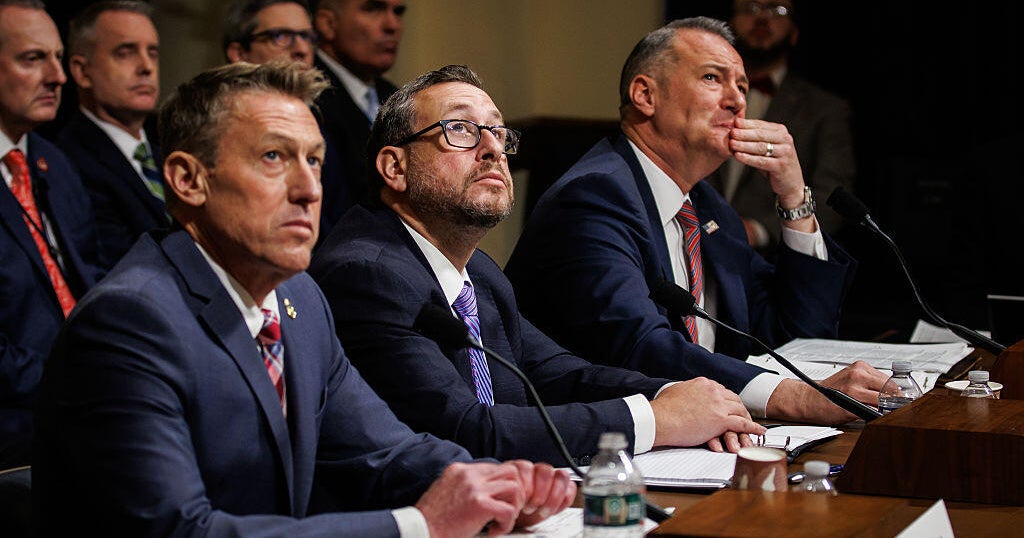
Senate Hearing Spotlights Minnesota Immigration Tensions
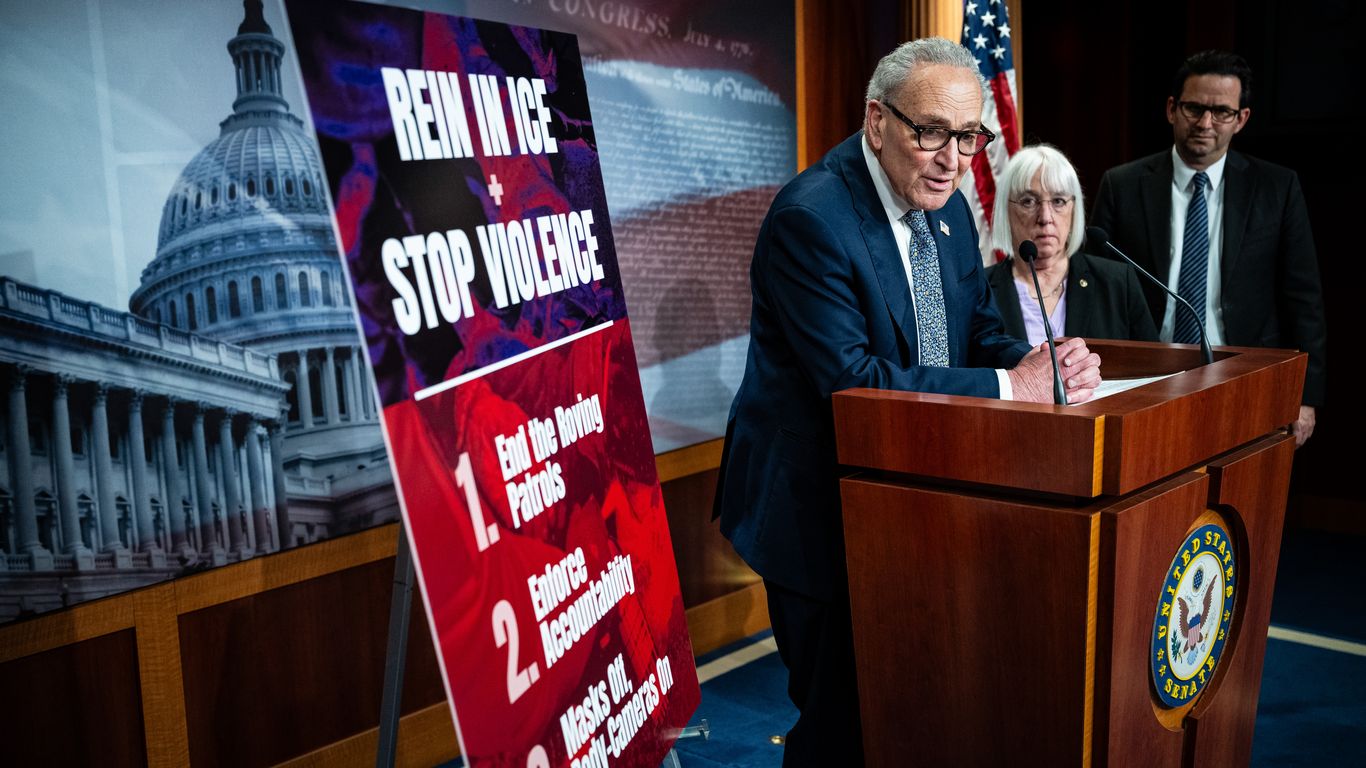
Minnesota officials and leaders from three key federal immigration agencies testified before the Senate Homeland Security Committee, addressing a surge in ICE operations amid heightened scrutiny. Chaired by Sen. Rand Paul, the session examined cooperation between state and federal authorities following controversial enforcement actions in Minneapolis.[1]
Key Testimonies and Disputes
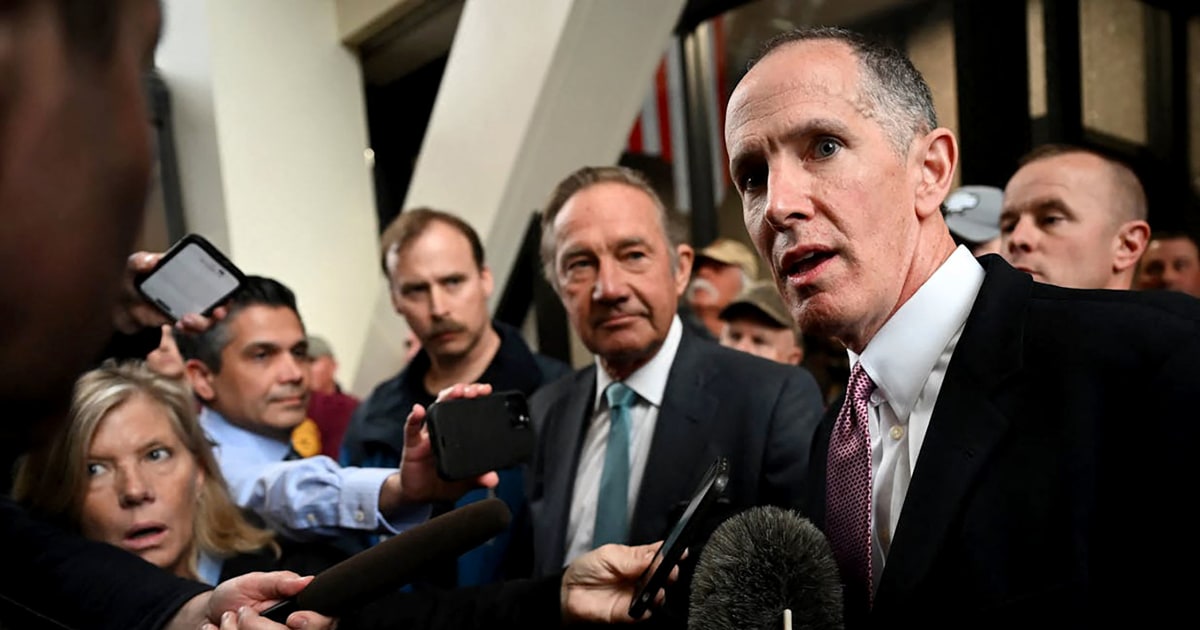
Commissioner Steve Schnell defended Minnesota's long-standing coordination with ICE, honoring detainers while decrying baseless claims of non-cooperation. Attorney General Keith Ellison criticized the dramatic escalation, linking it to disruptions in local law enforcement. GOP Rep. Harry Niska blamed Democratic policies for creating chaos, praising the focused federal push to enforce immigration laws.[1][2]
Tragic Incidents and Oversight Calls
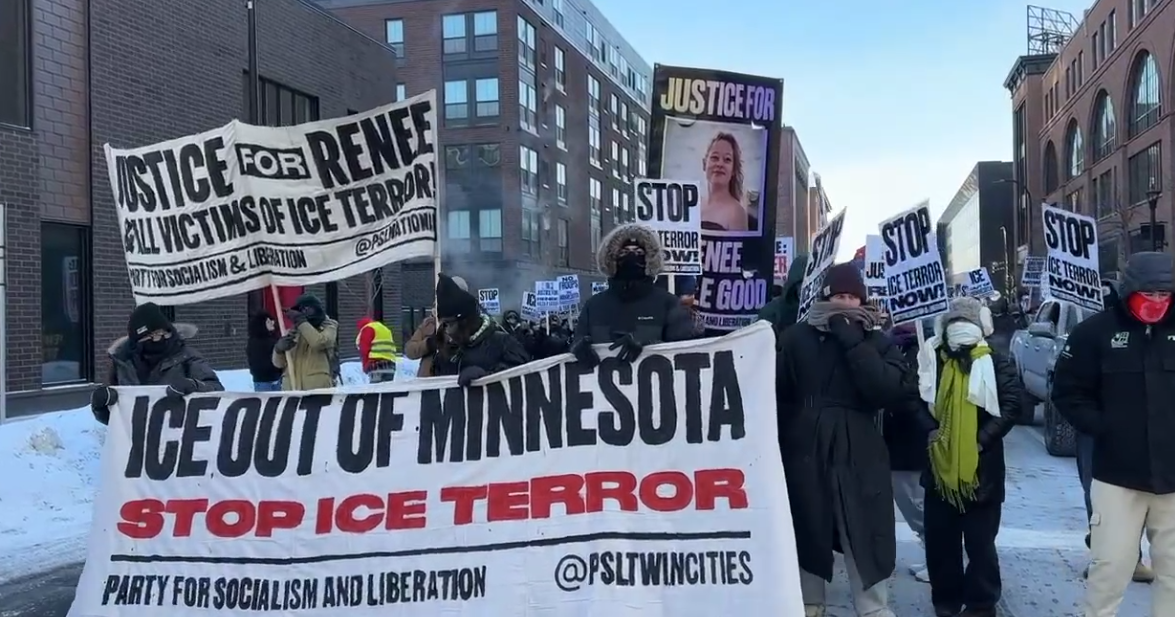
The hearing probed two fatal shootings of U.S. citizens, Renee Good and Alex Pretti, by immigration agents during Operation Metro Surge, sparking demands for transparent investigations and accountability. Witnesses urged clearer communication to balance enforcement with community trust, highlighting ongoing debates over federal tactics in sanctuary-like environments.[3]
About the People Mentioned
Renee Good
Renee Nicole Good was a 37-year-old American poet, writer, singer, and mother of three from Colorado Springs, Colorado, who was shot and killed by a U.S. Immigration and Customs Enforcement (ICE) agent in Minneapolis, Minnesota, on January 7, 2026, during a Department of Homeland Security operation targeting alleged fraud.[1][2][3] Born in Colorado, Good—previously known as Renee Macklin—earned a degree in English from Old Dominion University's College of Arts and Letters in December 2020. That year, she won the university's undergraduate poetry prize from the Academy of American Poets for her poem "On Learning to Dissect Fetal Pigs," and her bio highlighted her passions for writing, reading, movie marathons, and creating "messy art" with her children.[1][2] She hosted a podcast with her second husband, Timmy Ray Macklin Jr., who died in 2023 at age 36, and described herself on Instagram as a "poet and writer and wife and mom and shitty guitar strummer," featuring an LGBTQ+ Pride flag.[2] Good had worked as a dental assistant and at a credit union but had primarily been a stay-at-home mother in recent years. A devoted Christian, she participated in youth mission trips to Northern Ireland and sang in a high school choir, later studying vocal performance before focusing on creative writing.[1][2] She had two children (ages 15 and 12) from her first marriage and a 6-year-old from her second; her first ex-husband described her as compassionate but not an activist.[1][2] At the time of her death, she lived in Minneapolis with her wife, having moved there the previous year after living in Kansas City, Missouri.[2] The shooting, near the site of George Floyd's 2020 murder, drew widespread attention, with Old Dominion University President Brian Hemphill calling it a tragic example of violence in the nation and honoring her life as a reminder of "freedom, love, and peace."[1] Good was a U.S. citizen returning from dropping her youngest child at school when the incident occurred.[2]
About the Organizations Mentioned
Senate Homeland Security Committee
```html <!DOCTYPE html> <html lang="en"> <head> <meta charset="UTF-8"> <meta name="viewport" content="width=device-width, initial-scale=1.0"> <title>Inside the Senate Homeland Security Committee: Oversight Powerhouse for Business and Tech Security</title> <style> body { font-family: Arial, sans-serif; line-height: 1.6; max-width: 800px; margin: 0 auto; padding: 20px; } h1 { color: #333; } h2 { color: #555; } p { margin-bottom: 1em; } ul { margin-bottom: 1em; } </style> </head> <body> <h1>Inside the Senate Homeland Security Committee: Oversight Powerhouse for Business and Tech Security</h1> <p>The **United States Senate Committee on Homeland Security and Governmental Affairs (HSGAC)** stands as the Senate's premier investigative and oversight body, wielding unique authority—including the chair's power to issue subpoenas without full committee approval.[1][5] Focused on the Department of Homeland Security (DHS), federal operations, and critical infrastructure, it ensures government efficiency while safeguarding national interests vital to businesses and tech sectors.[1][2]</p> <h2>Historical Evolution</h2> <p>Originally the Committee on Governmental Affairs, HSGAC expanded in 2003 to oversee the newly formed DHS post-9/11, addressing homeland security gaps exposed by events like Hurricane Katrina.[1][5] Its Permanent Subcommittee on Investigations probes fraud, organized crime, and national security lapses, from investment scams to border child welfare failures.[2]</p> <h2>Key Achievements and Focus Areas</h2> <p>HSGAC has spotlighted vulnerabilities in **critical networks**
ICE
**Immigration and Customs Enforcement (ICE)** is a federal law enforcement agency under the U.S. Department of Homeland Security (DHS), established in 2003 following the Homeland Security Act of 2002, which reorganized existing agencies post-9/11 to enhance national security[1][2]. ICE’s core mission is to protect the United States by enforcing immigration laws, conducting criminal investigations, and preserving public safety. ICE operates primarily through two major divisions: **Homeland Security Investigations (HSI)** and **Enforcement and Removal Operations (ERO)**. HSI focuses on investigating and disrupting transnational criminal organizations involved in customs violations, human trafficking, terrorism, and smuggling. ERO is responsible for the apprehension, detention, and deportation of individuals unlawfully present in the U.S., operating detention facilities and managing removal procedures[2]. ICE’s international reach is managed by the Office of International Affairs (OIA), a key overseas investigative arm coordinating with foreign governments to combat cross-border crime, such as arms smuggling, forced labor, and immigration fraud. OIA supports intelligence gathering, training, treaty implementation, and facilitates global cooperation to preempt threats before they reach U.S. borders[3]. With a workforce exceeding 20,000 employees across more than 400 offices worldwide and an annual budget of about $8 billion, ICE plays a pivotal role in U.S. homeland security[1]. Its activities, especially those involving immigration enforcement and detention, have made it a highly visible and sometimes controversial agency in public discourse, often referred to colloquially in Spanish as "la migra"[2]. Notable achievements include disrupting large-scale criminal networks internationally and supporting the enforcement of over 400 federal statutes concerning customs, immigration, and terrorism prevention. ICE’s dynamic operational scope—spanning law enforcement, international diplomacy, and legal administration—makes it a critical component of U.S. efforts to maintain national security and uphold the rule of law[1][2][