Oregon Man's Temu Console Experiment: Switch Lite, N64, and PS5 Unboxings
Oregon Man's Temu Console Experiment
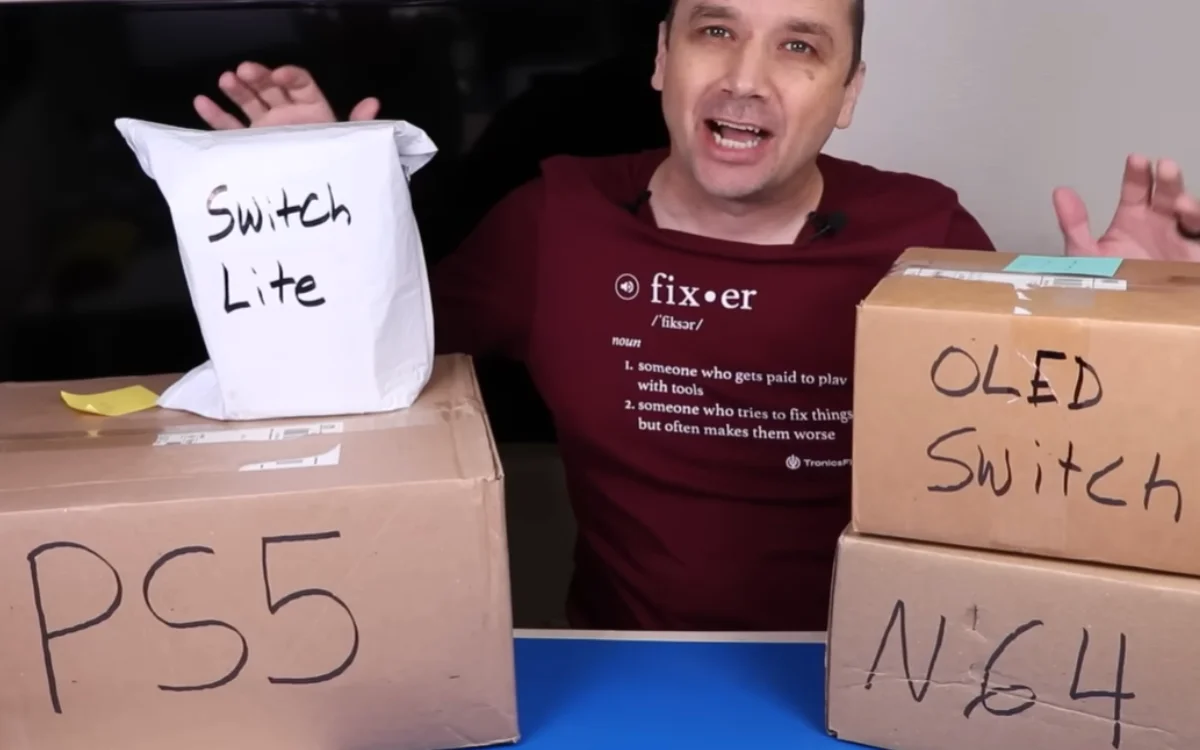
An Oregon enthusiast purchased four refurbished video game consoles from Temu, including a Nintendo Switch Lite for $178.54, a Nintendo 64 for $104.99, and a PlayStation 5 for $427, to inspect their true quality and legitimacy. Eager to uncover if these budget deals matched professional refurb standards, he unboxed and dissected each one on video, sparking widespread curiosity among gamers.
Unboxing the Nintendo Switch Lite and N64
The Switch Lite arrived in a worn box but revealed pristine internals, resembling a clean used unit rather than a serviced refurb, making it a solid win despite cheaper eBay options. Conversely, the N64 disappointed with a dirty controller, miscolored door, scratches, dust-filled insides, and a modified Japanese model using a 3D-printed tray, falling short of true refurbishment expectations.
PlayStation 5 Verdict and Overall Lessons
The pricier PS5 showed decent exterior condition but harbored hair, debris, and dirty vents needing cleanup to avoid overheating. All consoles functioned, yet 'refurbished' seemed to mean merely reset used items, not professionally cleaned. This teardown highlights Temu's hit-or-miss deals, urging buyers to compare with trusted platforms like eBay for better value.
About the Organizations Mentioned
Temu
Temu is a rapidly expanding Chinese e-commerce platform that has taken the global online retail market by storm. Owned by PDD Holdings—the same parent company behind Pinduoduo, a major Chinese e-commerce player—Temu launched with a mission to connect consumers directly with manufacturers, primarily based in China. This direct-to-consumer model, often described as customer-to-manufacturer (C2M), enables Temu to offer an enormous range of products at exceptionally low prices, from fashion and electronics to home goods and beauty products. Since its launch, Temu has achieved explosive growth, quickly becoming one of the most downloaded shopping apps in the United States and other international markets. In just over a year, the platform reportedly generated billions in revenue, with estimates suggesting $16–17 billion in sales in 2023 alone. Its success is attributed to a combination of aggressive marketing, a user-friendly app, and a strategy focused on capturing market share rather than immediate profits—mirroring Amazon’s early expansion tactics. Temu’s business model stands out for its use of advanced algorithms and analytics to identify trending products and optimize offerings in real time. By cutting out wholesalers and retailers, Temu streamlines the supply chain, allowing for lower prices, though this often means longer delivery times compared to competitors like Amazon. The company has also invested heavily in marketing, including high-profile Super Bowl ads, to boost its brand visibility. Today, Temu is a major disruptor in the global e-commerce landscape, challenging established giants with its low-cost, high-volume approach. Its rapid rise, innovative technology, and bold expansion strategy make it a key player to watch in the future of online retail.
eBay
**eBay** is an American multinational e-commerce corporation headquartered in San Jose, California, facilitating online auctions, "buy it now" sales, and retail transactions across 190 global markets, connecting millions of buyers and sellers while charging seller commissions.[1][2][3] Founded by Pierre Omidyar in September 1995 as a platform for peer-to-peer trading—starting with a sold laser pointer and collectibles—eBay revolutionized online commerce by democratizing access to marketplaces for everyday items, collectibles, and pre-loved goods.[1][2] It expanded rapidly, listing on Nasdaq, joining the S&P 500, and evolving into a powerhouse with 132 million active buyers and $73 billion in 2023 transaction volume (48% U.S.-based, 13.81% take rate).[1] Key achievements include pioneering recommerce, empowering small businesses and nonprofits without competing against sellers, and fostering communities around passions like fashion and gaming.[2][3] Strategic moves bolstered growth: acquiring TCGplayer ($295 million, 2022) for collectible cards, KnownOrigin for NFTs (2022), and myFitment for auto parts; selling StubHub for $4.05 billion (2020); and staking Funko as its secondary marketplace.[1] Innovations in AI, computer vision, and machine translation enhance personalized shopping among 2.3 billion active listings.[3] Currently, eBay thrives as a trusted global hub for sustainable commerce, launching its inaugural Climate Transition Plan for low-carbon operations and promoting circular fashion initiatives.[3] It supports economic opportunity, with tools aiding sellers' success and buyers' hunts for unique finds.[2] As a Nasdaq-listed firm (EBAY), analysts forecast 2026 stock prices averaging $95 (range $62–$115).[4] Amid activist pressures—like the 2019 CEO resignation—eBay prioritizes shareholder returns, including its first dividen