Heavy Snowfall Grips Western Pennsylvania: Live Coverage & Winter Storm Warnings
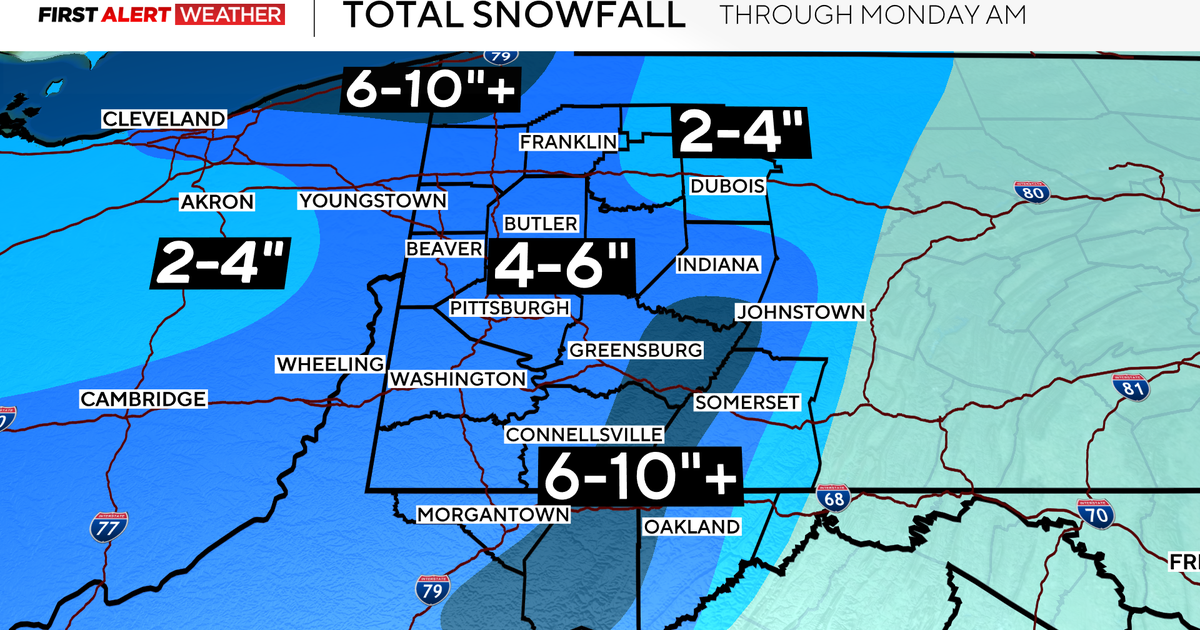
Heavy Snowfall Grips Western Pennsylvania
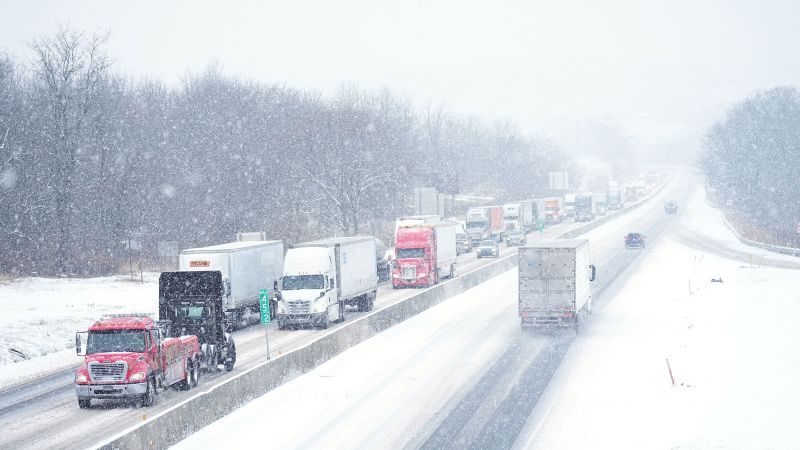
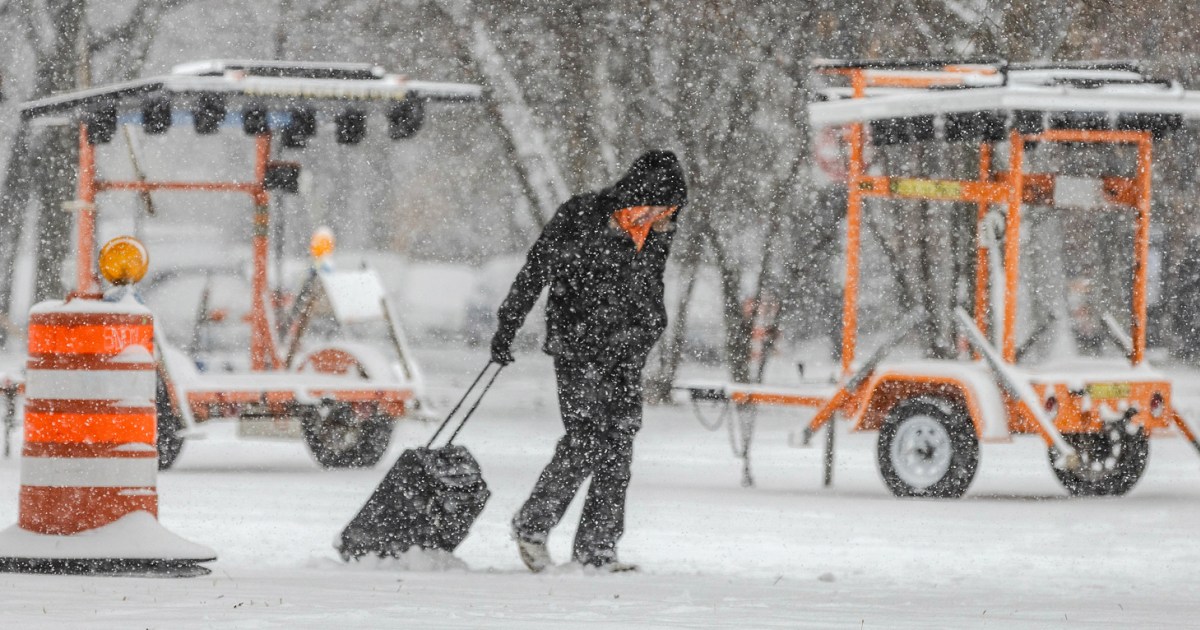
Western Pennsylvania is under a thick blanket of snow as a powerful winter storm sweeps through the Pittsburgh region. KDKA-TV's First Alert Weather team is delivering nonstop live coverage all weekend, tracking every flake and forecast update for residents bracing for the onslaught[1].
Warnings and Snow Totals
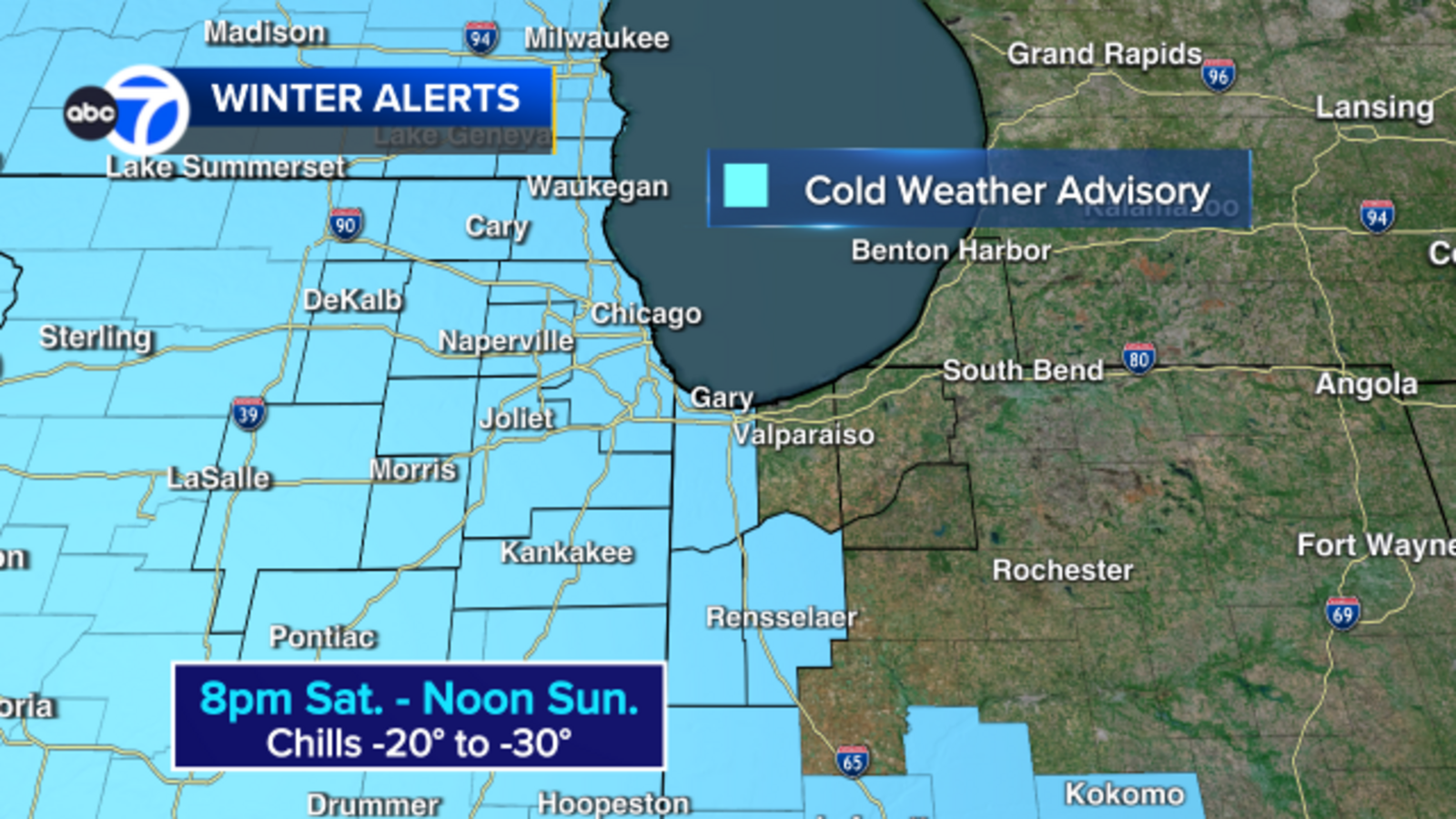
A Winter Storm Warning activates at 1 p.m. for counties south of Allegheny, while advisories blanket Allegheny and northern areas, courtesy of the National Weather Service. Expect 2-4 inches across Pittsburgh, escalating to 3-5 inches citywide and 5-10 in ridges, fueled by a heavy snow band along and south of I-70. Snow tapers by Sunday midnight, ushering frigid air with single-digit lows and wind chills below zero from 15-20 mph gusts[1].
Preparations and Winter Outlook
Crews stand ready with dozens of trucks and thousands of tons of salt in Allegheny County, urging non-essential travel avoidance for safe plowing. This storm aligns with a snowier December forecast, near-average seasonal totals of 50-85 inches regionally amid weak La Nina patterns[1][2]. Stay tuned for ongoing updates.
About the Organizations Mentioned
KDKA-TV
**KDKA-TV**, Pittsburgh's pioneering CBS-affiliated television station (channel 2), delivers local news, weather, sports, investigations, and community stories, emphasizing breaking events, politics, and medical advancements for its Western Pennsylvania audience.[1][4] Launched on January 11, 1949, as WDTV—Pittsburgh's first TV station and an early U.S. entrant—it aired a one-hour debut program via the DuMont Network, featuring variety shows for 1950s housewives.[1][3] In 1952, it became America's first station with 24-hour broadcasting.[1] Westinghouse acquired it in 1954, relocating to Downtown Pittsburgh's Gateway Center, renaming it **KDKA-TV** to echo its legendary radio predecessor (the world's first commercial station, KDKA radio, from 1920), and prioritizing local content.[1][2] Key achievements include trailblazing diversity in the 1960s by hiring African-American reporters and elevating women like Marie Torre.[1] News icons such as Bill Burns (1953–1989), Dave Murray, Al McDowell, Paul Long, and Don Riggs shaped its legacy.[1] KDKA-TV covered landmark stories: Three Mile Island (1979), USAir Flight 427 crash (1994), Ashland Oil spill (1988), 9/11 (2011), and medical breakthroughs like Jonas Salk's polio vaccine and Thomas Starzl's transplants.[4] It hosted political interviews (e.g., Ronald Reagan in the 1960s) and debates, plus consumer and weather reporting.[4] Celebrating 75 years by 2024, KDKA-TV remains a Hearst Television-owned powerhouse under CBS News Pittsburgh, with studios in downtown Pittsburgh.[1][4] Notable modern touches include a 2020 streaming service, CBSN Pittsburgh, blending tech innovation with it
National Weather Service
The **National Weather Service (NWS)** is a U.S. federal agency under the National Oceanic and Atmospheric Administration (NOAA) dedicated to providing weather, hydrologic, and climate forecasts and warnings across the United States, its territories, and adjacent waters. Its primary mission is to protect life and property and enhance the national economy by delivering timely, accurate, and science-based environmental predictions[1][2][5][6]. Founded in the late 1800s, the NWS has evolved into a comprehensive weather monitoring and forecasting organization. It operates through a nationwide infrastructure comprising 122 Weather Forecast Offices (WFOs), 13 River Forecast Centers (RFCs), and 9 specialized national centers including the National Hurricane Center, Storm Prediction Center, and Space Weather Prediction Center, among others[1][3][4]. These centers utilize advanced technology such as Doppler radars (WSR-88D), satellite data, automated surface observing systems, and sophisticated computer models to gather and analyze atmospheric data continuously[7]. Key achievements of the NWS include the development of impact-based decision support services that aid emergency management, aviation, marine operations, and the general public in preparing for hazardous weather events. The agency issues around 1.5 million forecasts and 50,000 warnings annually, significantly contributing to disaster preparedness and response efforts[4][6]. The 2011 Strategic Plan emphasizes building a “Weather-Ready Nation” by leveraging advancements in science and technology to anticipate future service needs and improve societal resilience to weather-related threats[4]. Currently, the NWS employs about 4,800 staff members and operates with a budget nearing $930 million. Its organizational structure includes a Chief Information Officer, Chief Financial Officer, and multiple operational and scientific divisions that ensure continuous innovation and service improvement. The agency’s commitment to integrating hydrologic and climate data with weather forecasting positions it as a critical player in environmental intelligence, supporting both governmental and private sectors[2][3][5