Supreme Court to Review Birthright Citizenship Case and the 14th Amendment
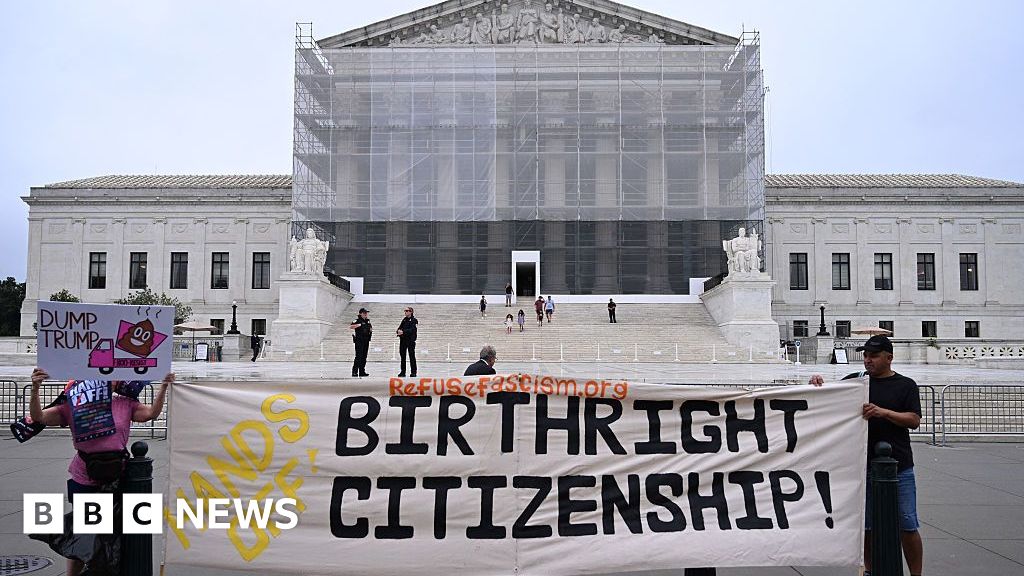
Supreme Court to Review Birthright Citizenship Case
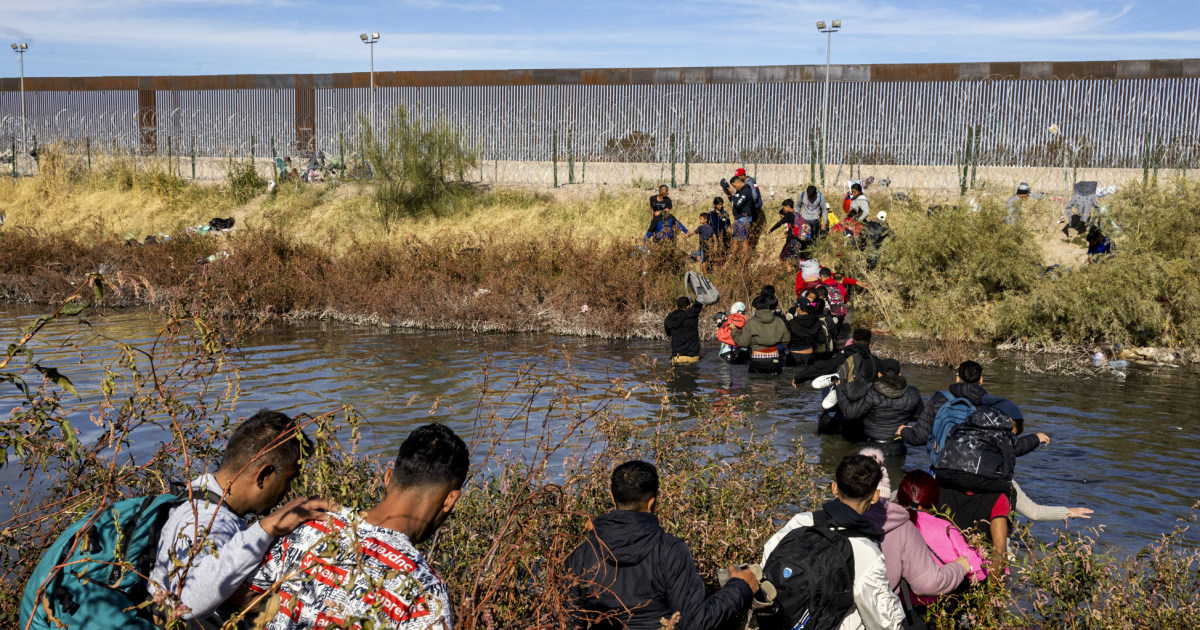
The U.S. Supreme Court has agreed to hear a pivotal case challenging former President Donald Trump’s executive order aimed at ending birthright citizenship. This order sought to deny automatic U.S. citizenship to children born on American soil to undocumented immigrants or those with temporary visas, a move that lower courts have repeatedly blocked for violating the Constitution and established legal precedent.
Constitutional and Legal Implications
Birthright citizenship is protected under the 14th Amendment, which guarantees citizenship to anyone born in the United States. Trump’s executive order attempted to redefine this principle, targeting “birth tourism” and illegal immigration. Legal experts argue this challenges a century-old constitutional guarantee and federal statutes, making the Supreme Court's upcoming decision crucial for the future of American citizenship laws.
What to Expect
Oral arguments are anticipated in April, with a decision expected by June. The ruling will have significant consequences for immigration policy and the constitutional rights of children born in the U.S., impacting millions of families nationwide and the interpretation of the 14th Amendment.
About the People Mentioned
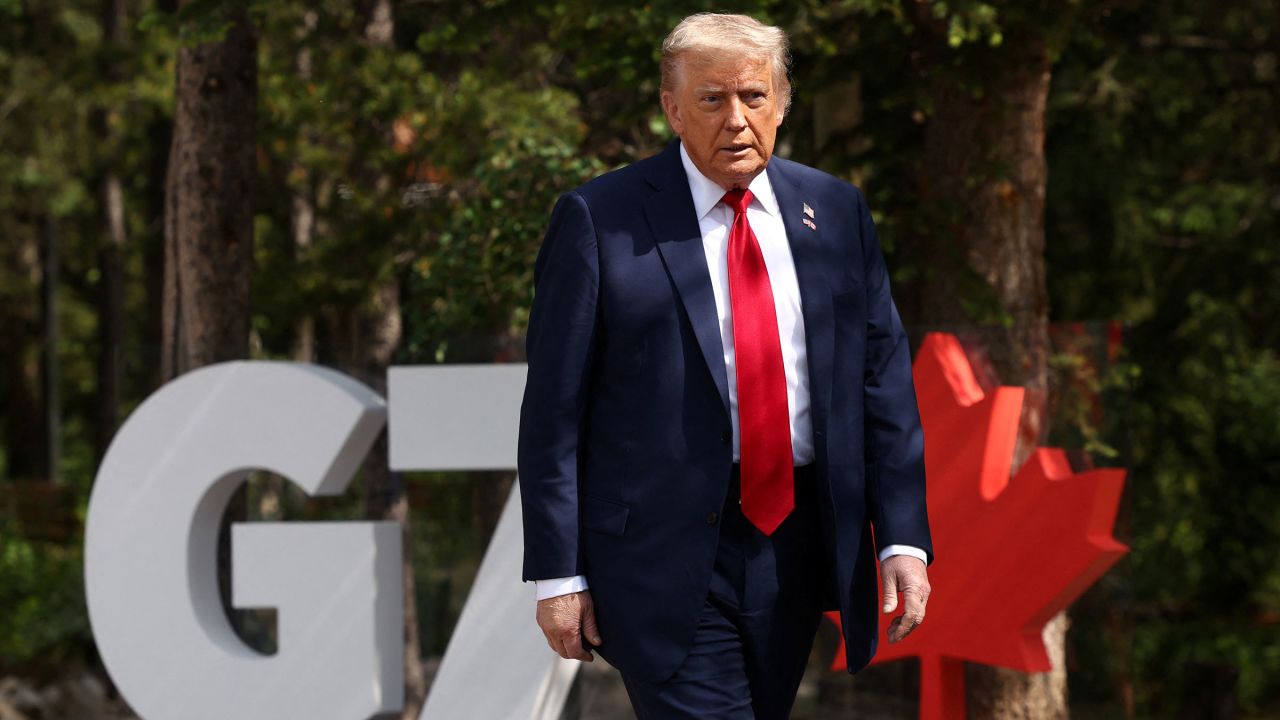
Donald Trump
Donald John Trump, born June 14, 1946, in Queens, New York, is an American businessman, media personality, and politician. He graduated from the University of Pennsylvania’s Wharton School in 1968 with a degree in economics. In 1971, he took over his family’s real estate business, renaming it the Trump Organization, through which he expanded into building and managing skyscrapers, hotels, casinos, and golf courses. Trump gained widespread fame as the host of the reality TV show *The Apprentice* from 2004 to 2015, which helped establish his public persona as a successful entrepreneur. Trump entered politics as a Republican and was elected the 45th president of the United States, serving from 2017 to 2021. His presidency was marked by significant policy actions including tax cuts, deregulation, the appointment of three Supreme Court justices, renegotiation of trade agreements (notably replacing NAFTA with the USMCA), and a focus on immigration control including border wall expansion. He withdrew the U.S. from international agreements such as the Paris Climate Accord and the Iran nuclear deal, and engaged in a trade war with China. His administration’s response to the COVID-19 pandemic was criticized for downplaying the virus’s severity. Trump was impeached twice by the House of Representatives—first in 2019 for abuse of power and obstruction, and again in 2021 for incitement of insurrection—but was acquitted by the Senate both times. After losing the 2020 election to Joe Biden, Trump challenged the results, culminating in the January 6, 2021, Capitol riot. He remains a central figure in American politics, having won the 2024 presidential election and returned as the 47th president in 2025, continuing to promote policies aimed at economic growth, border security, and military strength[1][2][3][4].
About the Organizations Mentioned
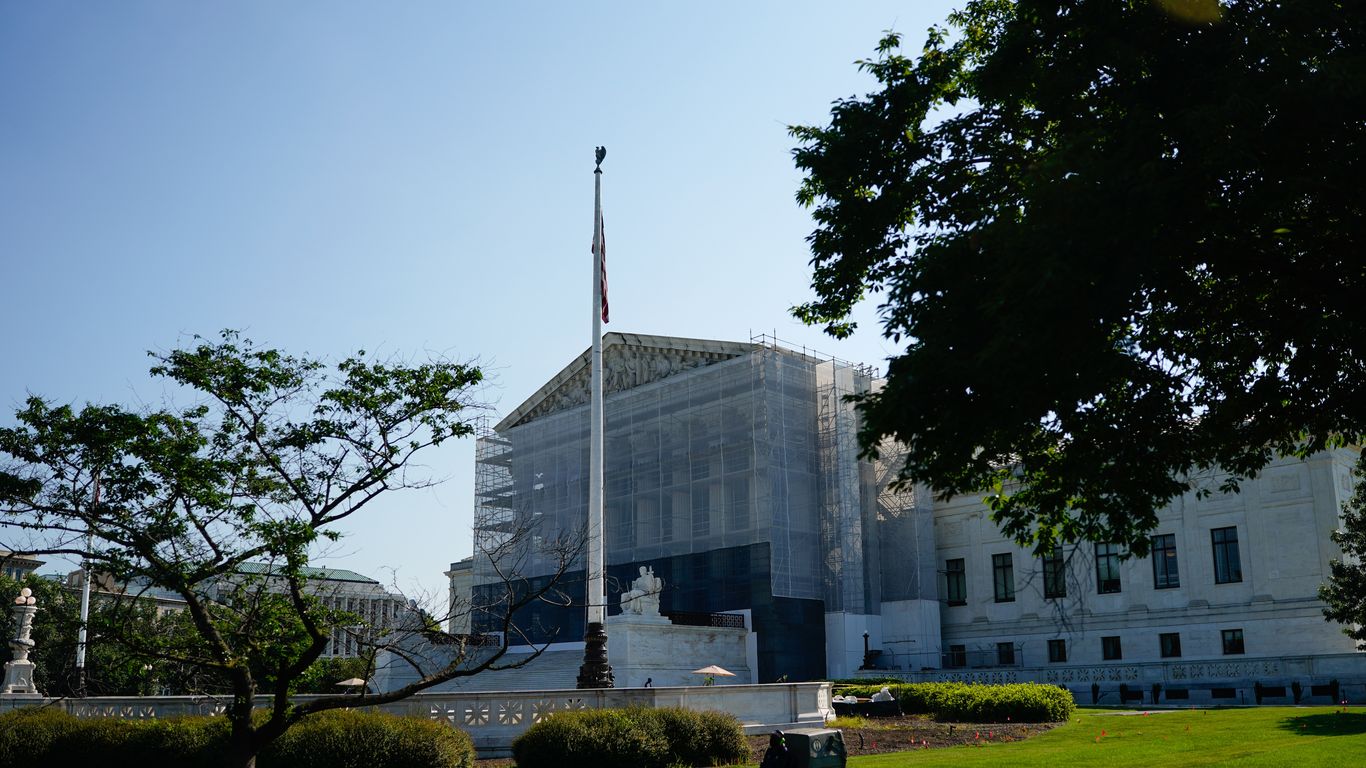
U.S. Supreme Court
The **U.S. Supreme Court** is the highest judicial authority in the United States, established by Article III of the U.S. Constitution and formally created under the Judiciary Act of 1789. It serves as the ultimate arbiter of constitutional and federal law, with the power to interpret the Constitution, review laws, and overturn those deemed unconstitutional, thus checking the legislative and executive branches of government[1][4][6]. The Court first convened in 1790 with six justices, including its first Chief Justice, John Jay. Over time, Congress adjusted the number of justices, settling at nine in 1869, comprising one Chief Justice and eight Associate Justices, all appointed by the President and confirmed by the Senate[1][3][6]. Justices hold lifetime appointments, ensuring judicial independence. The Court initially lacked prestige but gained significant authority under Chief Justice John Marshall (1801–1835), who established judicial review in *Marbury v. Madison* and solidified the Court as the definitive interpreter of the Constitution[10]. Key achievements of the Supreme Court include landmark rulings that shaped American federalism and civil rights, such as *McCulloch v. Maryland* (affirming federal power), *Gibbons v. Ogden* (regulating interstate commerce), and the establishment of judicial independence during the impeachment proceedings of Justice Samuel Chase. The Court also modernized its procedures by issuing unified majority opinions instead of individual ones[10]. Today, the Supreme Court sits in its dedicated building in Washington, D.C., completed in 1935, holding annual terms from October to late June or July. It exercises original jurisdiction in limited cases (e.g., disputes between states) and primarily appellate jurisdiction over federal and constitutional issues[4][6]. For readers interested in business and technology, the Court’s decisions profoundly impact regulatory frameworks, intellectual property law, and digital privacy rights, influencing the legal landscape in which modern enterprises operate. Its role in balancing governmental