Thailand Frees 18 Cambodian Soldiers Amid Ceasefire: Diplomatic Progress and Regional Stability

Thailand Releases 18 Cambodian Soldiers Amid Ceasefire
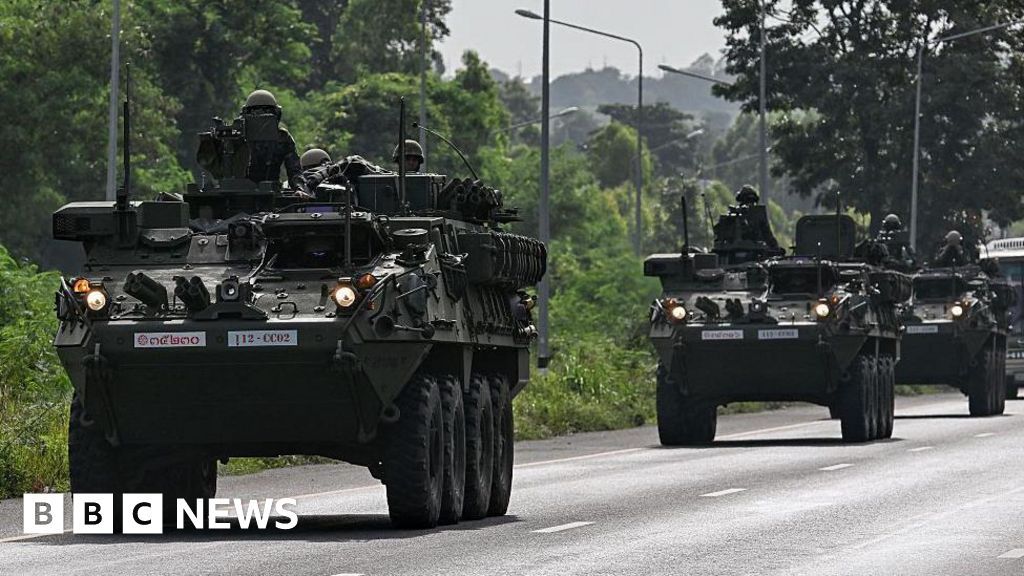
Thailand has freed 18 Cambodian soldiers captured in July, marking a pivotal moment after 155 days in captivity. The handover occurred on December 31, 2025, following a ceasefire signed on December 27 that halted three weeks of intense border clashes killing over 100 people and displacing nearly a million. Crowds in Cambodia's Pailin province gave the returning heroes an emotional welcome, symbolizing hope for reconciliation between the Southeast Asian neighbors.[1][3][4]
Ceasefire Details and Diplomatic Progress
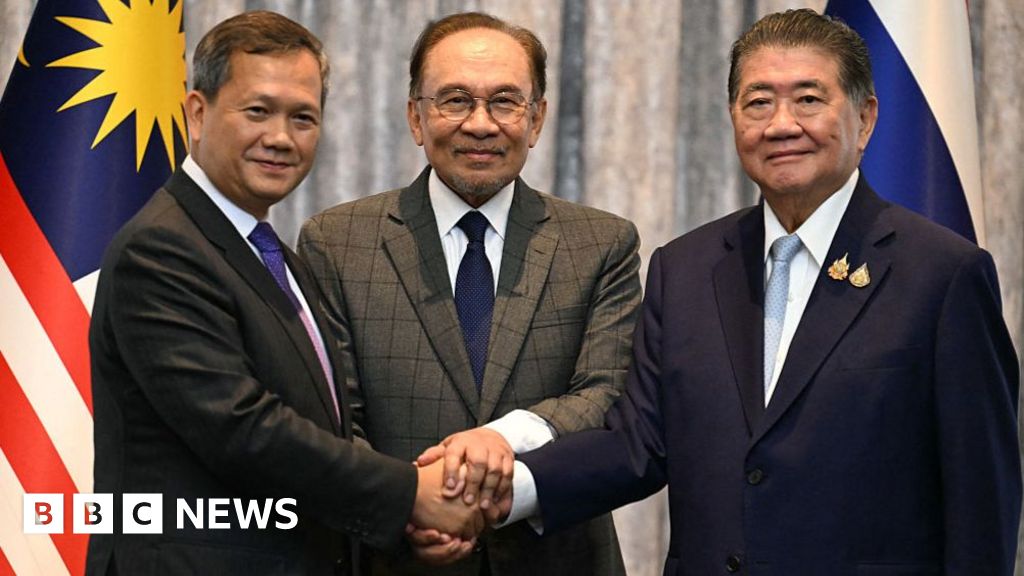
The truce mandates halting military actions, freezing troop movements, and joint demining along the disputed border. Thailand initially delayed the release citing alleged Cambodian drone activity, but Cambodia's compliance ensured the 72-hour deadline was met. This goodwill gesture aligns with the Kuala Lumpur Peace Accords and October Joint Declaration, fostering trust despite longstanding territorial disputes.[1][2][4]
International Support and Future Outlook
The U.S. State Department praised both nations' resolute efforts, with spokesperson Thomas Pigott calling it a positive step toward lasting peace. Cambodia has invited Thailand for early January talks on border demarcation, signaling commitment to civilian returns and stability. As the ceasefire holds, this release bolsters regional security and neighborly ties.[2][4]
About the Organizations Mentioned
U.S. State Department
## Overview and Mission The United States Department of State (DOS), often referred to as the State Department, is the executive branch agency responsible for managing America’s foreign policy and international relations[2]. Established in 1789 as the first federal executive department, it advises the president on diplomacy, administers diplomatic missions, negotiates treaties, protects U.S. citizens abroad, and represents the nation at the United Nations[2]. It is headquartered in the Harry S Truman Building in Washington, D.C., and is led by the Secretary of State, currently Marco Rubio as of January 2025[2]. ## Core Functions and Structure The State Department’s mission is to advance the interests, security, and economic prosperity of the American people through diplomacy, advocacy, and assistance[3]. It operates a global network of embassies and consulates, staffed by Foreign Service officers, Civil Service employees, and political appointees. The department manages U.S. engagement in international organizations, oversees foreign aid, and coordinates with other agencies on matters ranging from trade to cybersecurity[2][3]. Its structure is designed to adapt to evolving global challenges, with recent emphasis on great power competition, especially with China, in domains like artificial intelligence, cyberspace, and polar regions[4]. ## Historical Significance and Key Achievements Since its founding, the State Department has played a pivotal role in shaping U.S. foreign policy, from the Louisiana Purchase to the Marshall Plan, the Camp David Accords, and the Iran nuclear deal. It has been instrumental in promoting democracy, human rights, and free markets worldwide. The department also runs exchange programs, such as the Professional Fellows initiative, which fosters international professional collaboration[2]. ## Current Status and Notable Developments Under the current administration, the State Department is undergoing significant reforms aimed at streamlining bureaucracy, increasing political appointees in key roles, and aligning its operations more closely with the president’s agenda[1]. There