Thailand and Cambodia Seal New Ceasefire to End Border Clashes
Thailand and Cambodia Seal New Ceasefire to End Border Clashes
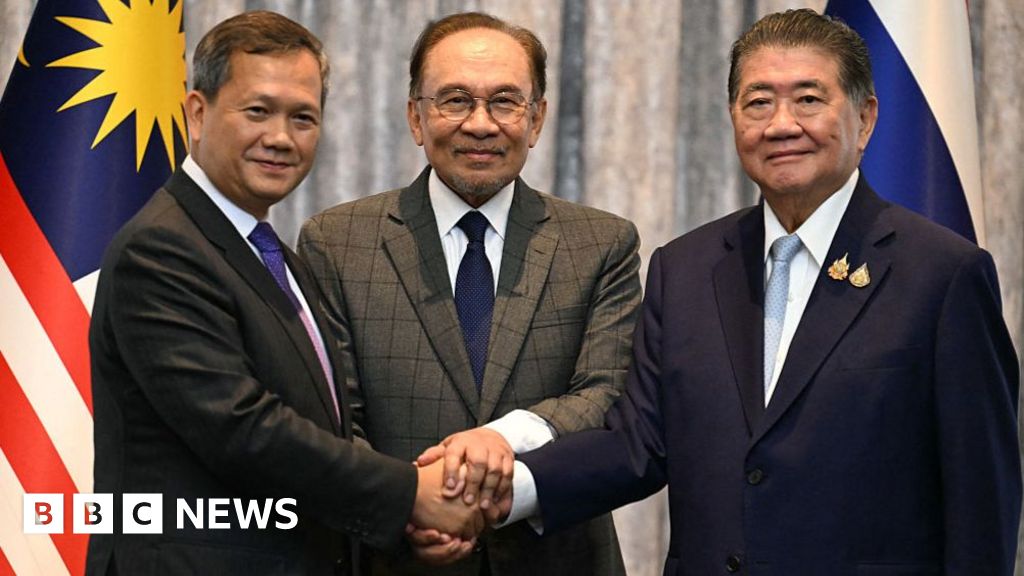
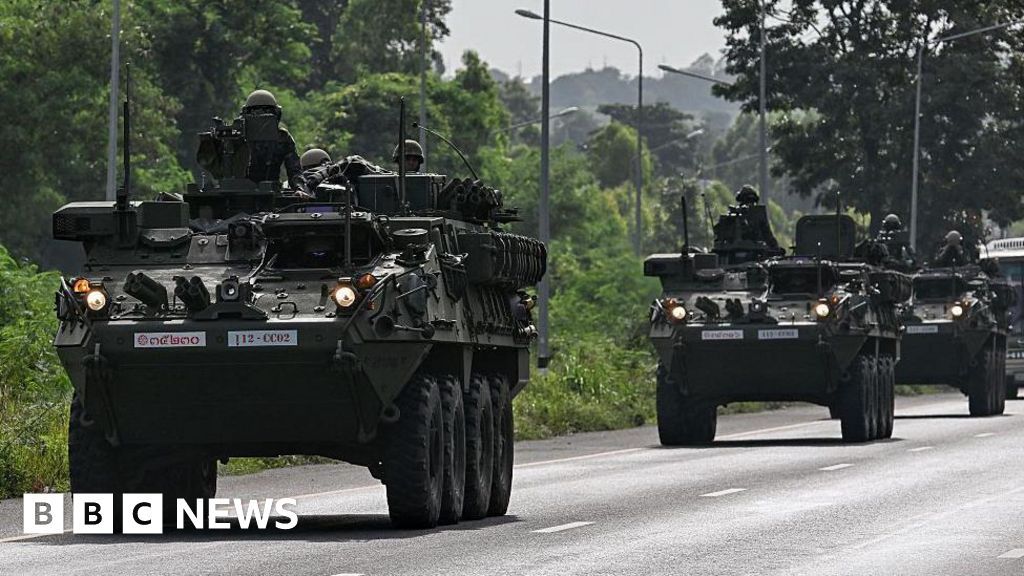
Thailand and Cambodia have signed a pivotal ceasefire agreement, halting weeks of intense border fighting that reignited longstanding disputes rooted in a century-old French colonial map. Effective noon Saturday, the deal freezes all troop movements, bans airspace violations, and paves the way for displaced civilians to return home after over 100 deaths and mass evacuations.[1][2]
Key Provisions of the Kuala Lumpur Peace Accord
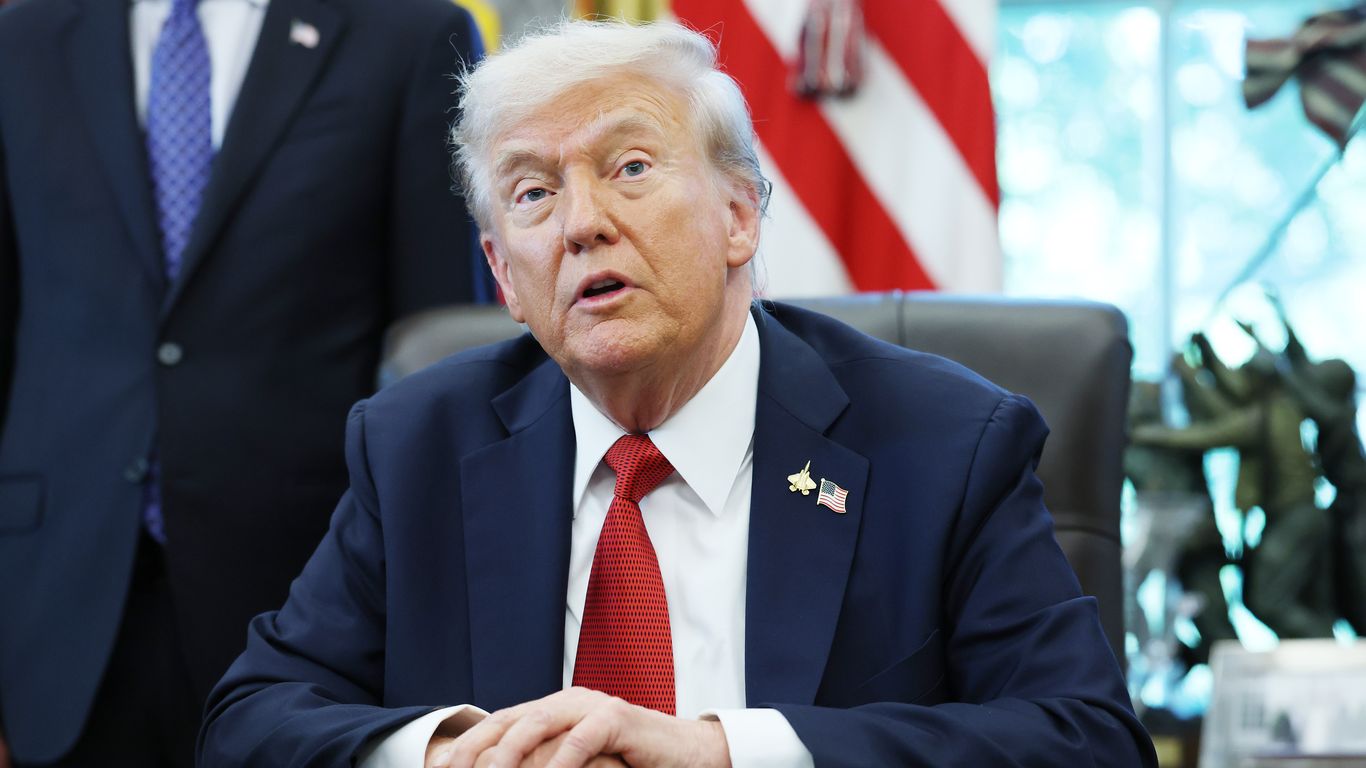
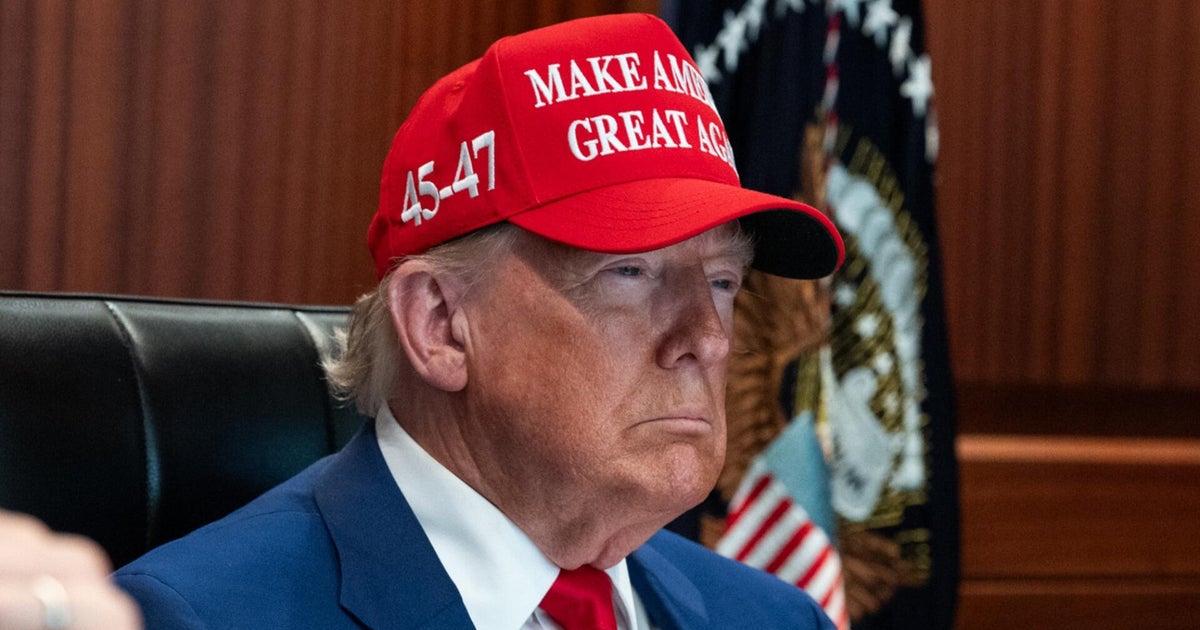
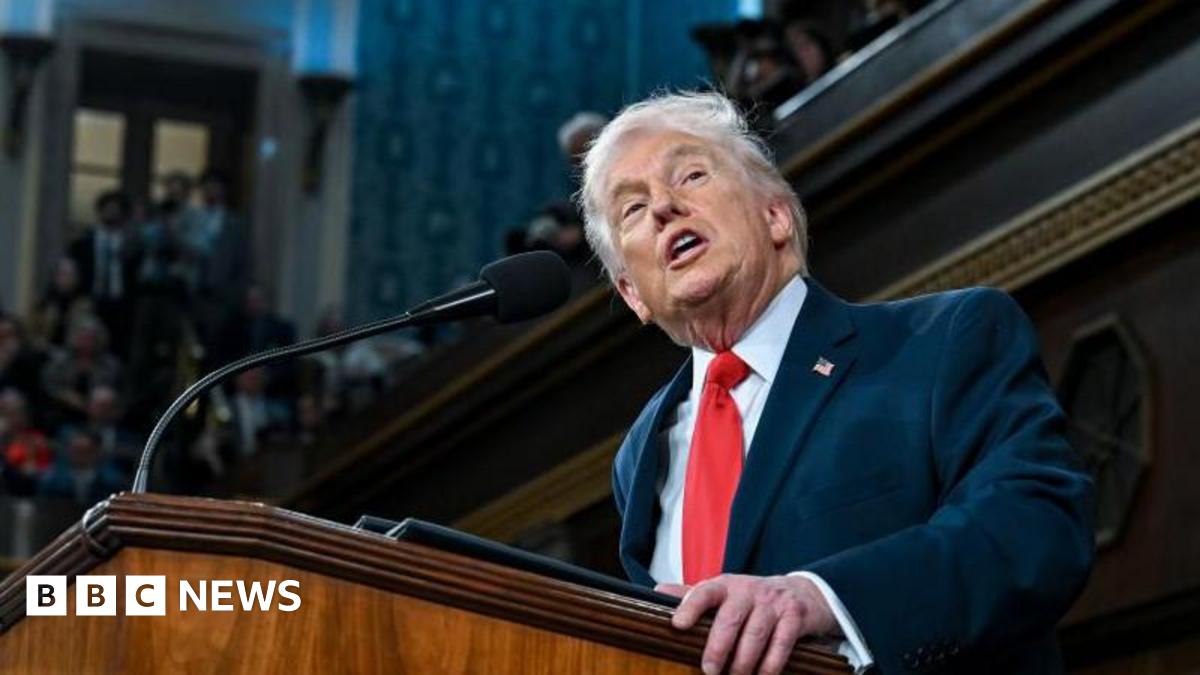
Building on earlier truces like the July 28 unconditional ceasefire and October's Kuala Lumpur Accord, this latest pact mandates withdrawal of heavy artillery and armored vehicles from contested zones. It establishes an ASEAN-monitored interim team, promotes joint de-mining efforts, and installs temporary border markers pending permanent demarcation. Leaders Anutin Charnvirakul and Hun Manet co-signed under witnesses including Malaysia's Anwar Ibrahim and U.S. President Donald Trump.[1]
Path to Lasting Stability
Additional measures target border scamming, trade resumption, and demilitarization, fostering trust after Thai airstrikes and Cambodian responses. With a 72-hour monitoring window in Bangkok and Phnom Penh, experts hope this ends hostilities, boosts regional security, and revives economic ties in Southeast Asia's volatile frontier.[1][2]
About the People Mentioned
Donald Trump
Donald John Trump, born June 14, 1946, in Queens, New York, is an American businessman, media personality, and politician. He graduated from the University of Pennsylvania’s Wharton School in 1968 with a degree in economics. In 1971, he took over his family’s real estate business, renaming it the Trump Organization, through which he expanded into building and managing skyscrapers, hotels, casinos, and golf courses. Trump gained widespread fame as the host of the reality TV show *The Apprentice* from 2004 to 2015, which helped establish his public persona as a successful entrepreneur. Trump entered politics as a Republican and was elected the 45th president of the United States, serving from 2017 to 2021. His presidency was marked by significant policy actions including tax cuts, deregulation, the appointment of three Supreme Court justices, renegotiation of trade agreements (notably replacing NAFTA with the USMCA), and a focus on immigration control including border wall expansion. He withdrew the U.S. from international agreements such as the Paris Climate Accord and the Iran nuclear deal, and engaged in a trade war with China. His administration’s response to the COVID-19 pandemic was criticized for downplaying the virus’s severity. Trump was impeached twice by the House of Representatives—first in 2019 for abuse of power and obstruction, and again in 2021 for incitement of insurrection—but was acquitted by the Senate both times. After losing the 2020 election to Joe Biden, Trump challenged the results, culminating in the January 6, 2021, Capitol riot. He remains a central figure in American politics, having won the 2024 presidential election and returned as the 47th president in 2025, continuing to promote policies aimed at economic growth, border security, and military strength[1][2][3][4].
About the Organizations Mentioned
ASEAN
**The Association of Southeast Asian Nations (ASEAN)** is an intergovernmental organization of 11 Southeast Asian states—Brunei, Cambodia, Indonesia, Laos, Malaysia, Myanmar, the Philippines, Singapore, Thailand, Vietnam, and Timor-Leste—dedicated to fostering economic growth, trade integration, security cooperation, and regional stability.[1][2][4][8] Founded on August 8, 1967, by Indonesia, Malaysia, the Philippines, Singapore, and Thailand amid Cold War tensions, ASEAN expanded to its current lineup by 2025, with Timor-Leste's historic admission at the 47th Summit in Kuala Lumpur, marking the bloc's first growth since 1999.[2][4][8] Early visions like ASEAN Vision 2020 emphasized peace, a nuclear-free zone (treaty signed 1995), and economic ties, culminating in the 2015 ASEAN Community declaration and **ASEAN 2025: Forging Ahead Together**, which targets a politically cohesive, economically integrated, and socially responsible region.[1][7] Key achievements include the **Regional Comprehensive Economic Partnership (RCEP)**, the world's largest free trade agreement, alongside intra-ASEAN free trade pacts, harmonized standards, and freer movement of people and businesses, propelling a combined GDP of $3.9 trillion (2024) and a 678-million population toward projected fourth-largest global economy status by 2045.[3][4][6] The bloc promotes tech collaboration, biodiversity protection, counter-terrorism, and sustainable practices, while upholding "ASEAN Centrality" to navigate U.S.-China rivalries.[2][5][6] In 2025, under Malaysia's chairmanship, the Kuala Lumpur Summit advanced the **ASEAN Community Vision 2045**, updating trade rules via the Second Protocol to ATIGA, enhancing digital transformation, financial integration, and resilience amid Myanmar's crisis an