Thousands March Against ICE in Minnesota General Strike
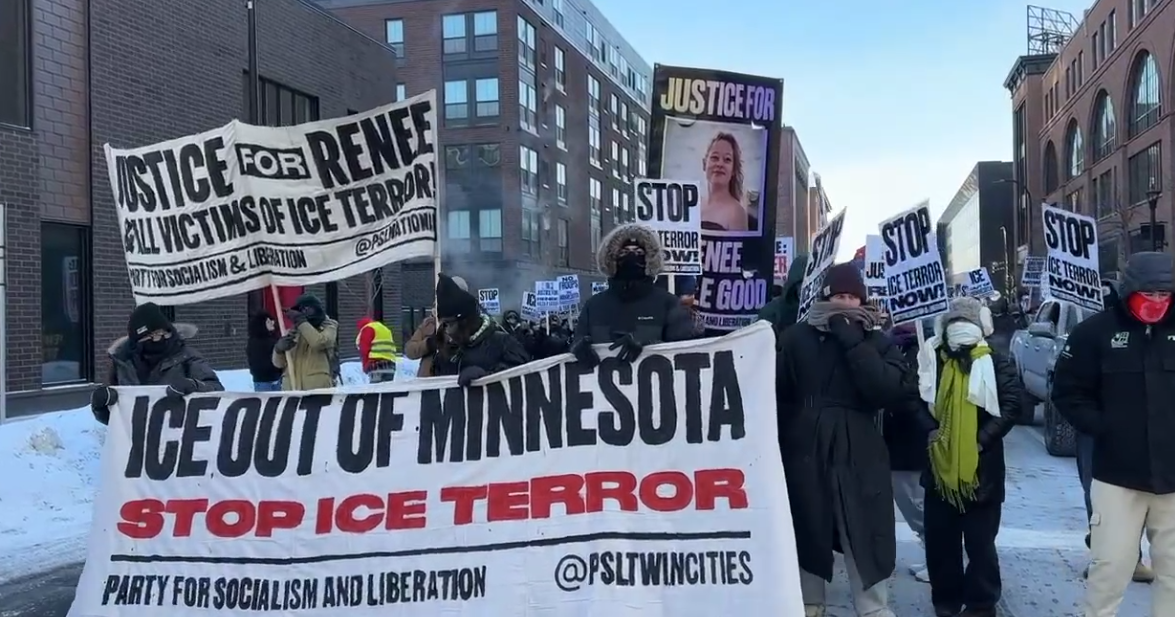
Thousands March Against ICE Amid Minnesota General Strike
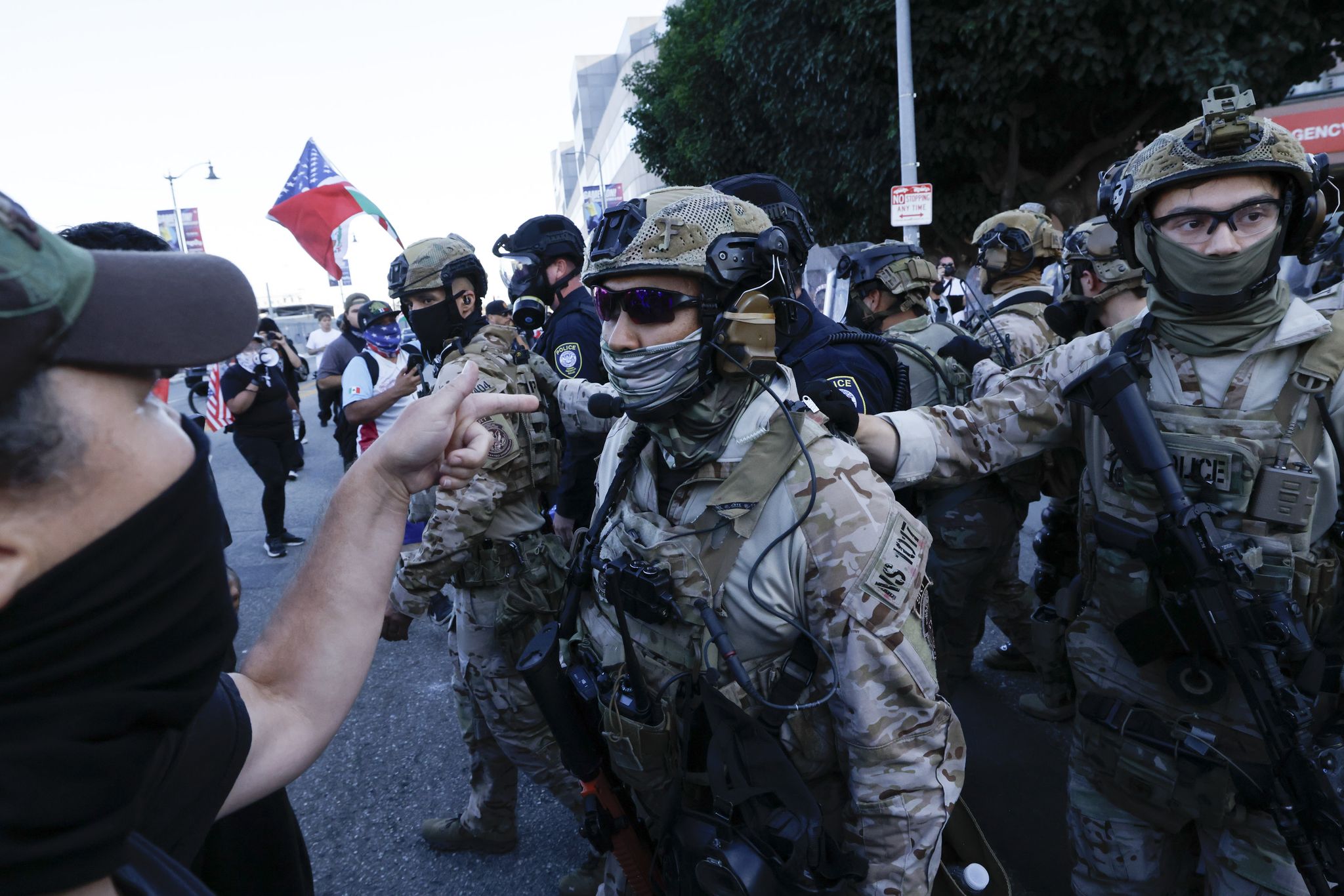
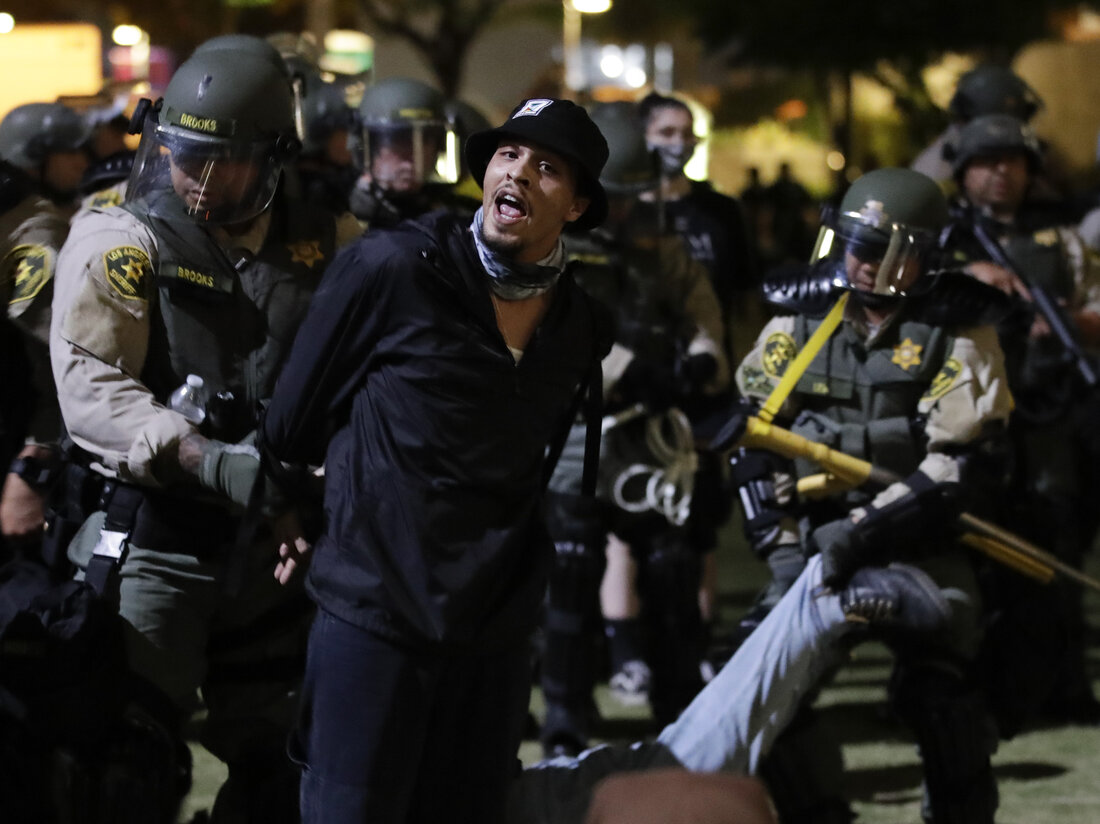
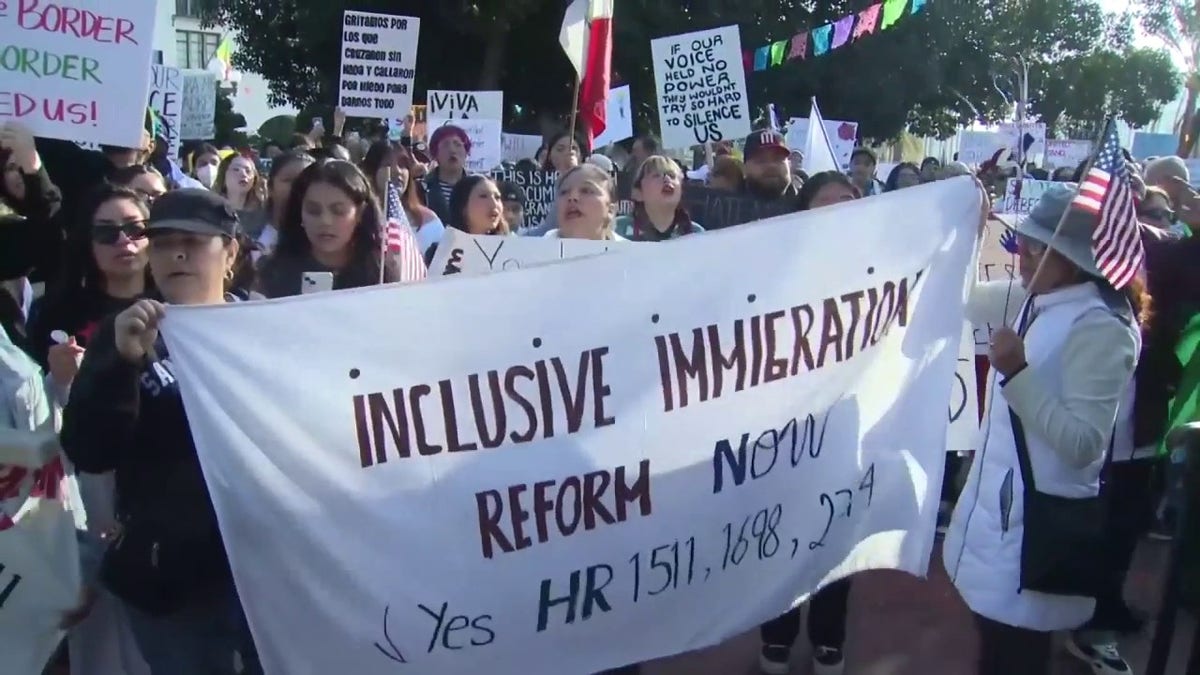
On January 23, 2026, thousands flooded downtown Minneapolis streets, braving frigid temperatures to protest ICE operations during a statewide general strike. Sparked by the fatal shooting of Renée Good by agent Jonathan Ross and aggressive federal raids under heightened enforcement, demonstrators demanded accountability, agent withdrawal, and policy reforms. Hundreds of Twin Cities businesses shuttered in solidarity, creating an "economic blackout" backed by labor unions, faith leaders, and activists.
Roots of the Protests and Strike
The action responded to Operation Metro Surge arrests, lack of local cooperation, and calls for ICE funding cuts. Marches stretched a mile to arenas, with clergy arrests at airports highlighting opposition to mass deportations. Vice presidential appeals for collaboration fell on deaf ears as protesters chanted for justice, turning Renée Good into a symbol of fear in immigrant communities.
Wider Implications for Immigration Policy
This "Day of Truth & Freedom" exposed tensions between federal agents and Minnesota locals, amplifying national debates on enforcement accountability. With arrests surging past 3,000, the strike pressured officials to investigate violations, signaling growing resistance to aggressive tactics and pushing for humane reforms.
About the Organizations Mentioned
Immigration and Customs Enforcement
**Immigration and Customs Enforcement (ICE)** is a federal law enforcement agency under the U.S. Department of Homeland Security (DHS). Established by the Homeland Security Act of 2002, ICE was created in response to the 9/11 attacks to enhance national security and protect public safety. The agency's primary mission is to enforce federal laws related to customs, trade, and immigration, focusing on cross-border crime and illegal immigration[1][2][3]. **History and Structure:** ICE was formed by merging the U.S. Customs Service and the Immigration and Naturalization Service. It operates with over 20,000 staff across more than 400 global offices, with an annual budget of approximately $8 billion[3]. The agency is structured into several key directorates, including **Enforcement and Removal Operations (ERO)**, which handles immigrant detention and deportation, and **Homeland Security Investigations (HSI)**, which investigates transnational crimes[1][2]. **Key Functions and Achievements:** ICE is known for its immigration enforcement efforts, particularly in interior regions of the U.S. It conducts investigations into human trafficking, terrorism, and other transnational crimes. Despite controversy over policies like family separation and detention conditions, ICE has made significant strides in combating illegal activities and protecting national security[4][6]. **Current Status and Notable Aspects:** Today, ICE continues to face challenges and controversy, particularly regarding its enforcement practices and impact on immigrant communities. The agency's actions can have profound effects on local economies and social services, as fear of ICE may deter undocumented immigrants from accessing essential services[6]. Despite these challenges, ICE remains a crucial component of U.S. immigration policy, working to balance enforcement with humanitarian concerns.