Genetic Risk from Sperm Donation: TP53 Mutation Linked to Cancer Across Europe
Uncovering a Genetic Risk Passed Through Sperm Donation
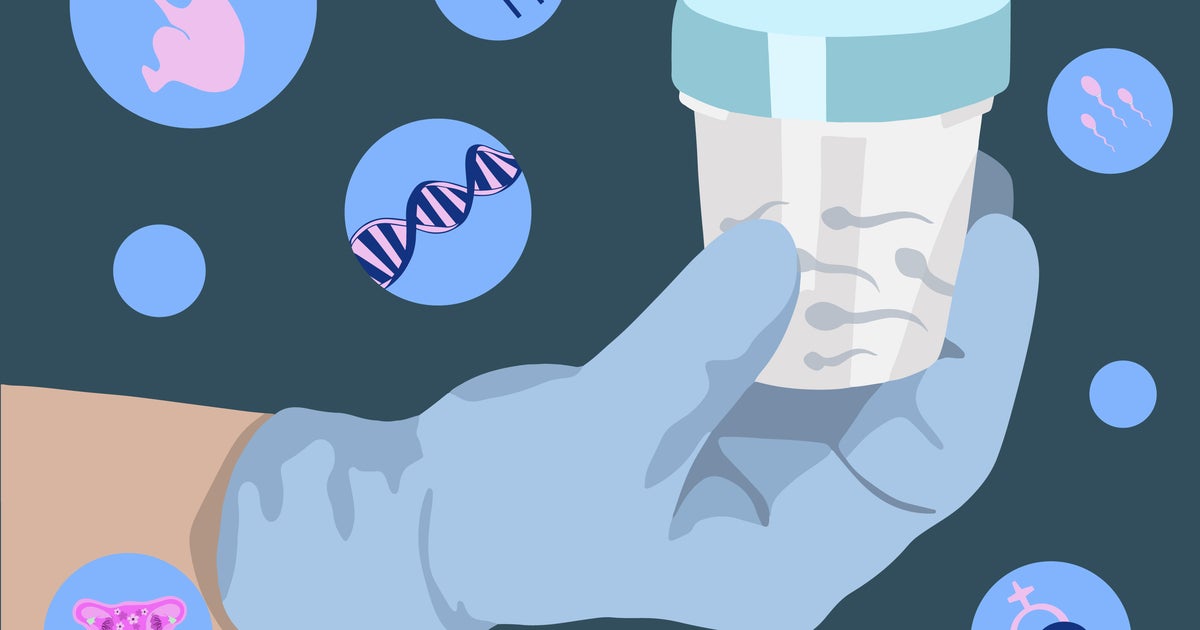
A Europe-wide investigation has revealed that a sperm donor unknowingly carrying a rare genetic mutation linked to a 90% cancer risk fathered nearly 200 children across the continent. This mutation, identified as the TP53 gene, significantly increases the likelihood of developing childhood cancer. The donor’s sperm was used extensively over 17 years, starting in 2005, primarily through Denmark’s European Sperm Bank.
Consequences and Ethical Concerns
Tragically, some of the donor-conceived children have already developed cancer, and a few have died. Many others who inherit the mutation face a high probability of developing cancer during their lifetimes. The sperm bank has expressed deep sympathy to affected families but admitted that the donor’s sperm was used excessively across multiple countries. This case raises serious questions about genetic screening standards and sperm bank regulations to prevent such risks in the future.
Implications for Fertility Practices
The discovery highlights the challenge of detecting mutations that may not manifest in the donor’s own health but can have devastating effects on offspring. Experts emphasize the difficulty and cost of full genetic sequencing for all donors, underscoring the need for improved balance between safety and accessibility in assisted reproduction.
About the Organizations Mentioned
European Sperm Bank
European Sperm Bank (ESB) is a leading international sperm bank founded in 2004 in Copenhagen, Denmark, with a mission to provide fertility clinics worldwide with high-quality donor sperm to help women and couples realize their dream of parenthood[1][2]. It operates in over 90 countries and recruits donors primarily from Denmark, Germany, and the Netherlands, maintaining strict screening and testing protocols to ensure superior sperm quality and safety, in compliance with EU and WHO regulations[1][2][3]. ESB has built an extensive and diverse donor base, emphasizing rigorous donor selection. Donors are thoroughly screened over several months by clinical genetic specialists to exclude hereditary diseases and ensure overall health. The organization offers detailed donor profiles, including physical traits, family history, voice recordings, childhood photos, and even hand-drawn adult portraits, enhancing transparency and helping recipients find an ideal match[2][6]. Innovative services like GeneXmatch provide genetic screening of the person who will carry the child to reduce disease risks, reflecting ESB’s commitment to technological advancement in fertility care[2]. Beyond its role as a supplier, ESB supports donor-conceived people, donors, and parents through counseling and a family support program, reflecting a long-term commitment to all involved parties[2]. The company is also aligned with UN sustainability goals, managing operations with respect for human rights, labor, environment, and gender equality[2]. In recent years, ESB was acquired by private equity firm Perwyn, which plans to invest in expanding the donor bank, geographic reach, and fertility services, reinforcing ESB’s position as a global leader[3]. Headquartered in Copenhagen, ESB also maintains donor centers in Amsterdam, Hamburg, Aarhus, and Aalborg, offering a warm and modern environment for donors and clients alike[1][3]. Overall, European Sperm Bank stands out for its high industry standards, comprehensive donor screening, innovative technology use, and a broad global footprint, making it a key playe